
Red Japanese Vase
When you search for a red japanese vase, you uncover a striking spectrum of ceramics spanning the late nineteenth and early twentieth centuries.
Red Japanese Vase
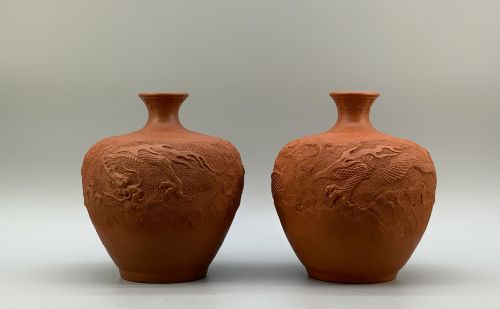
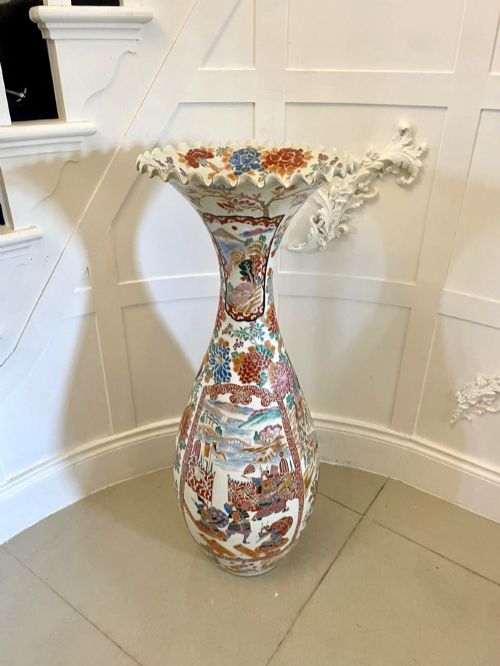
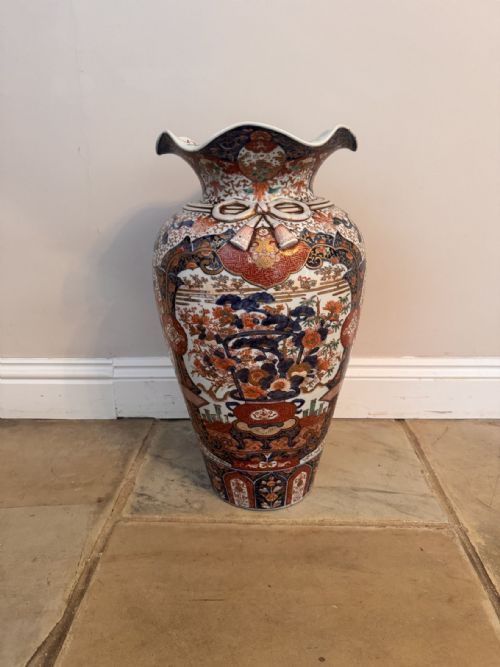
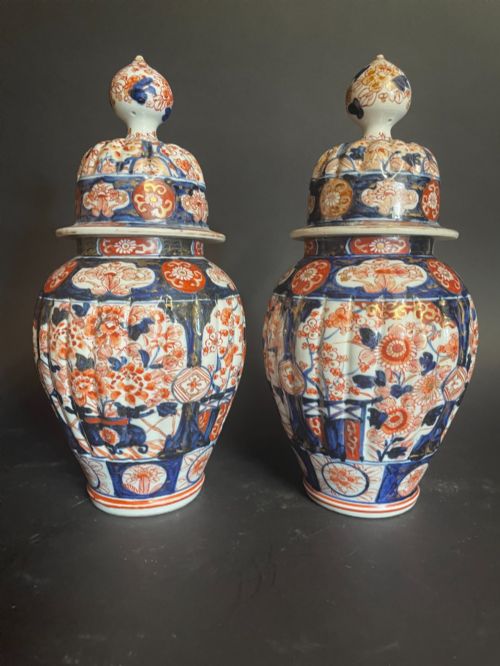
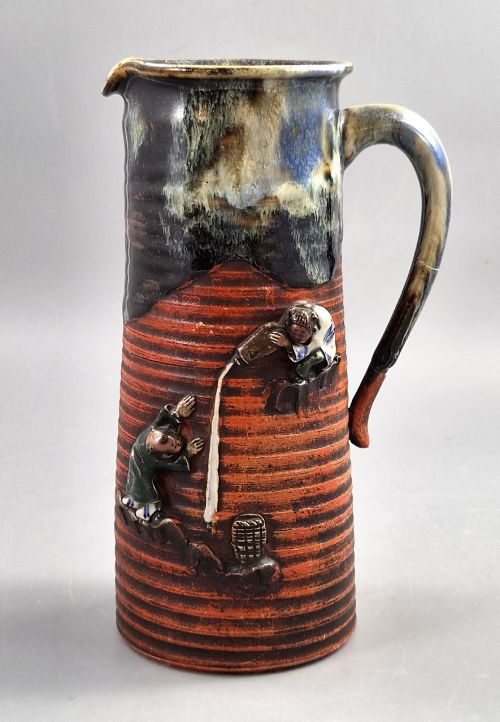
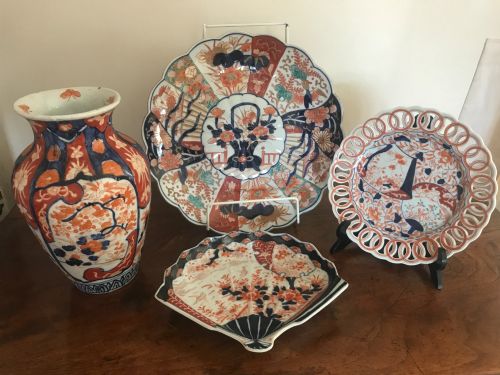
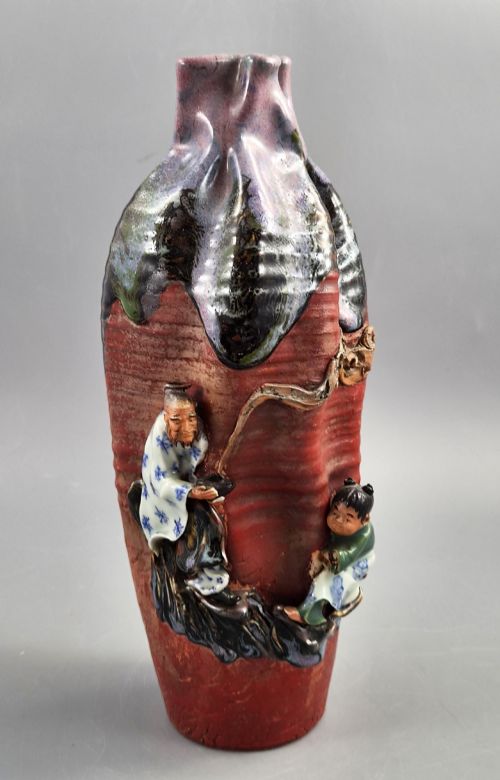
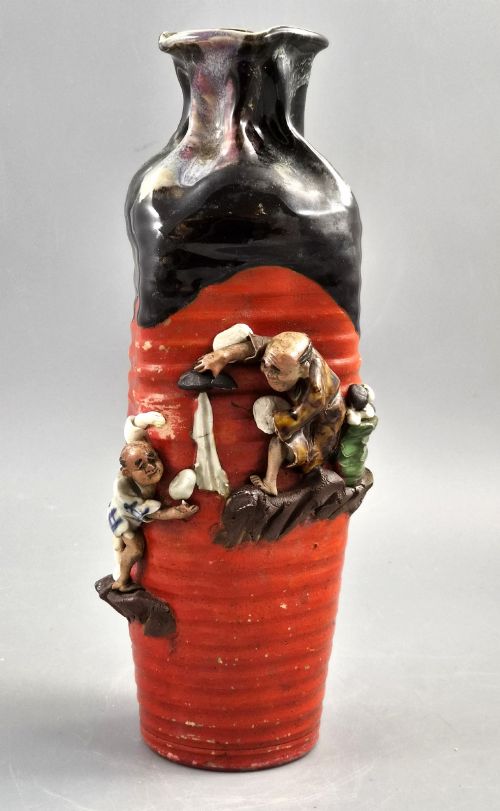
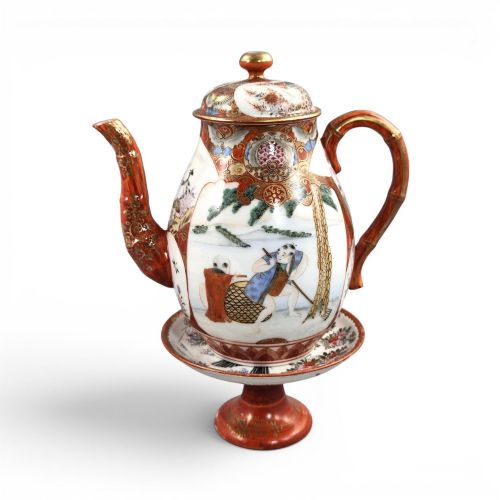
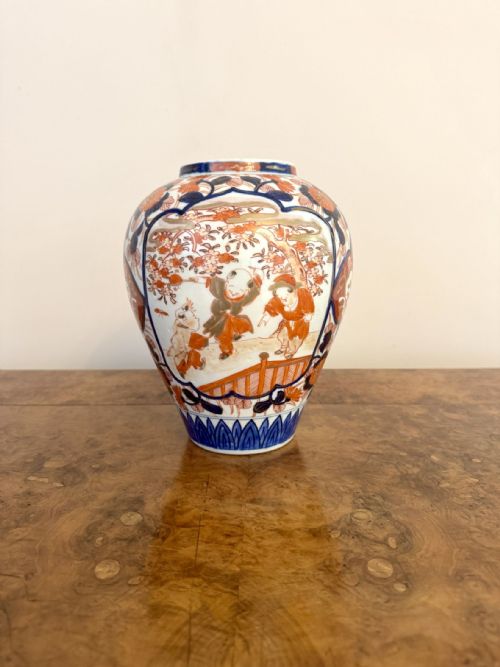
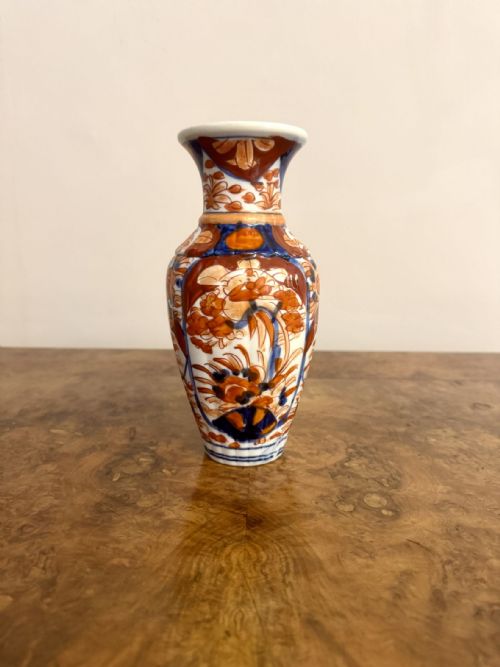
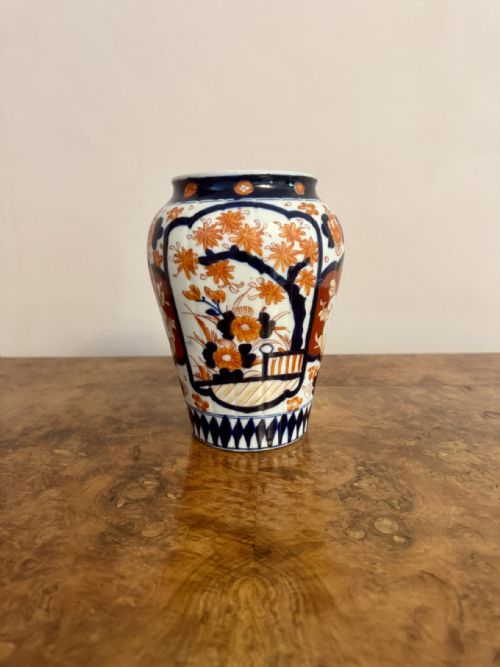
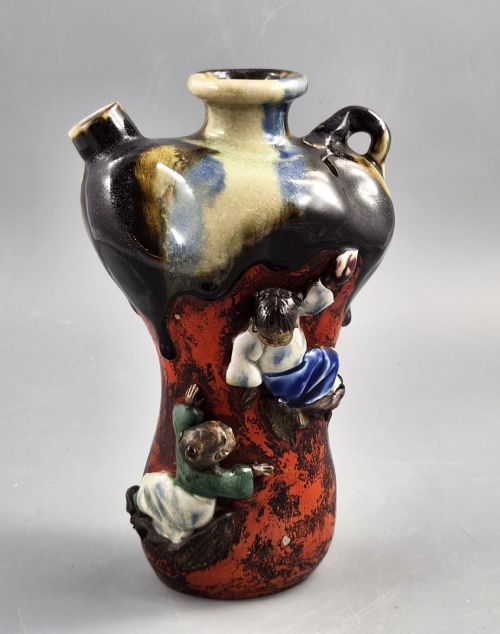
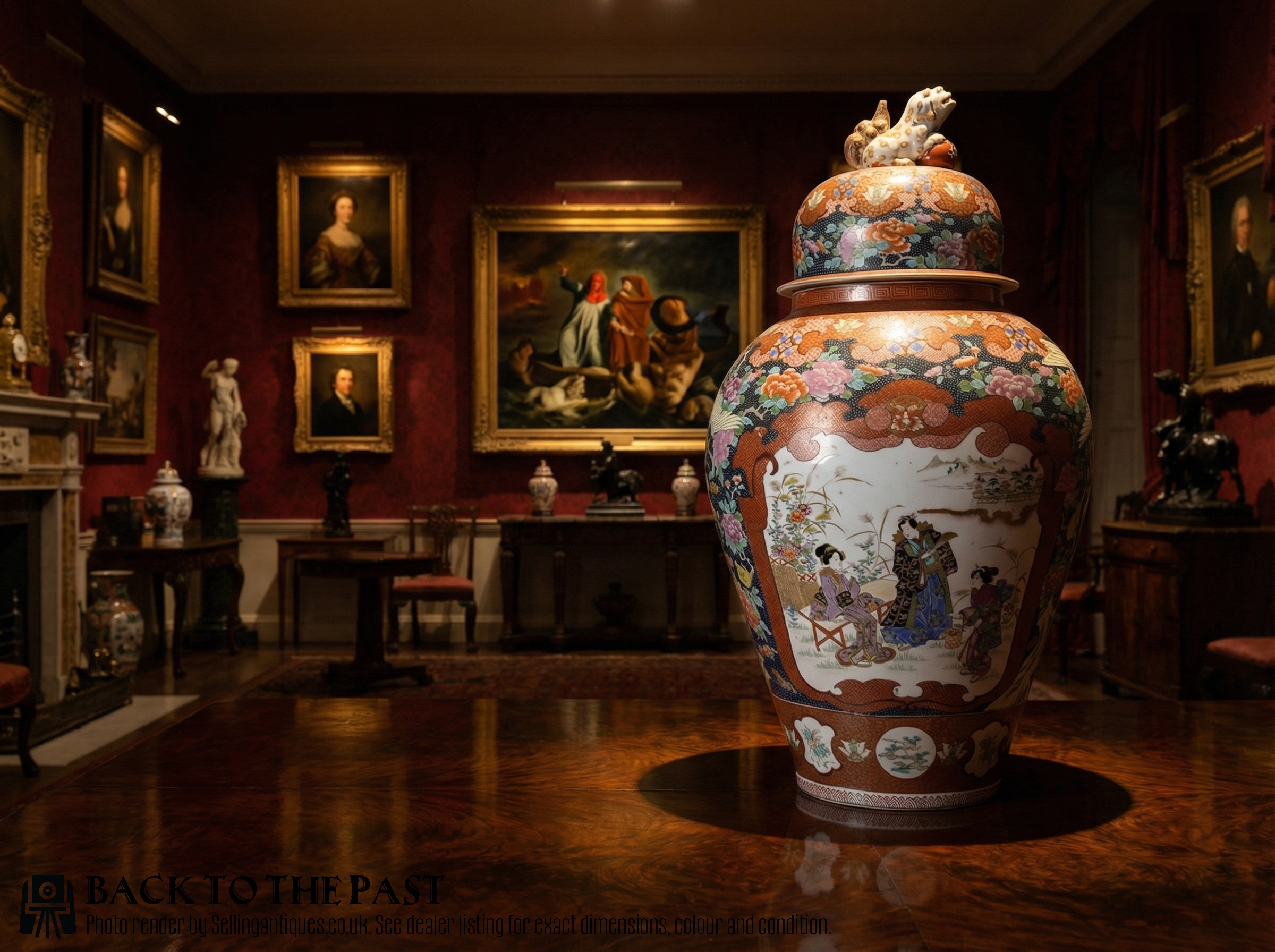
A red japanese vase typically emerges from the Meiji, Taishō, and Victorian periods, manifesting primarily as Imari porcelain, Kutani ceramics, or sculptural Sumida Gawa pottery. Buyers encounter robust floor-standing vessels, covered ginger jars, and slender neck vases alongside distinct earthenware creations decorated with rich glazes.
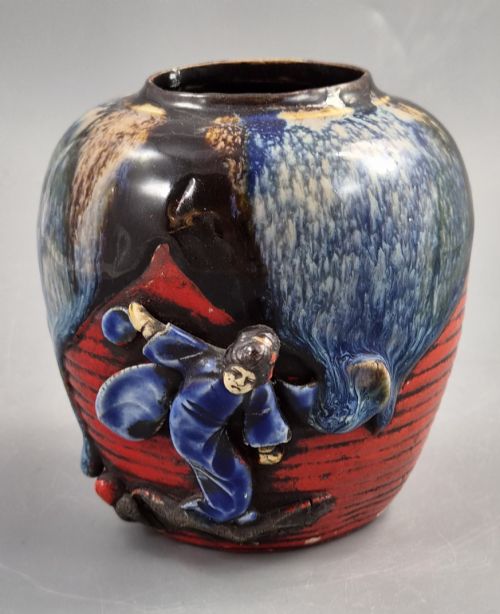
The aesthetic bridges traditional Japanese kiln traditions with export tastes of the late nineteenth and early twentieth centuries. Many pieces display vibrant red and gilt palettes, while others incorporate textured elements such as applied figures and flambe glazes.
Vessels range from intimate cabinet pieces to substantial floor-standing urns and garniture sets. These ceramics represent diverse production centres including Arita and the workshops associated with prominent Meiji period ceramists.
Materials and construction
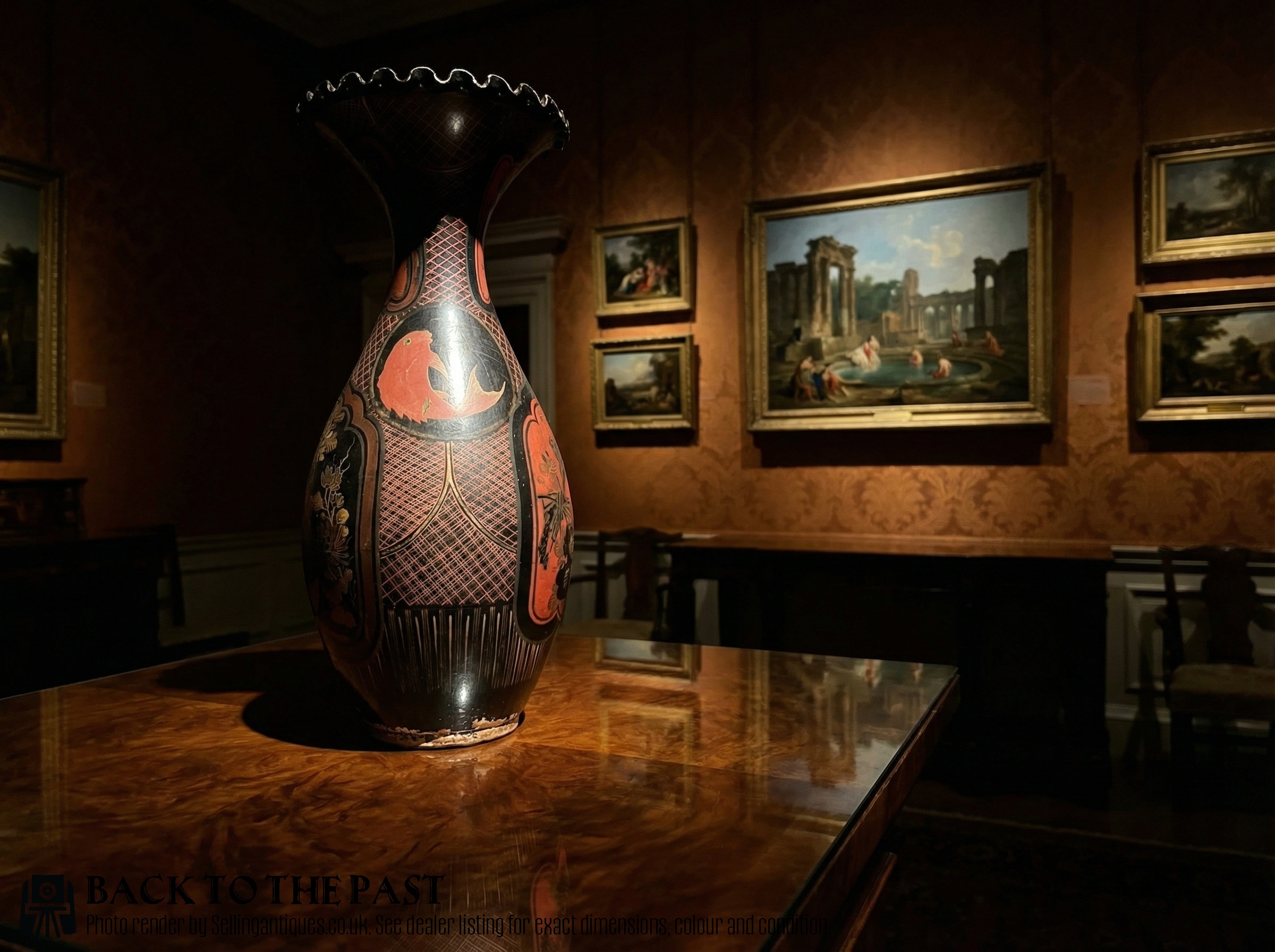
Potters utilised porcelain, earthenware, terracotta, and stoneware as the primary body materials for these vessels. Artisans shaped these clays into baluster forms, double gourdes, and pinched-rim shapes before applying complex decoration.
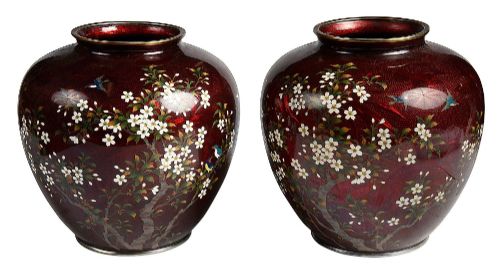
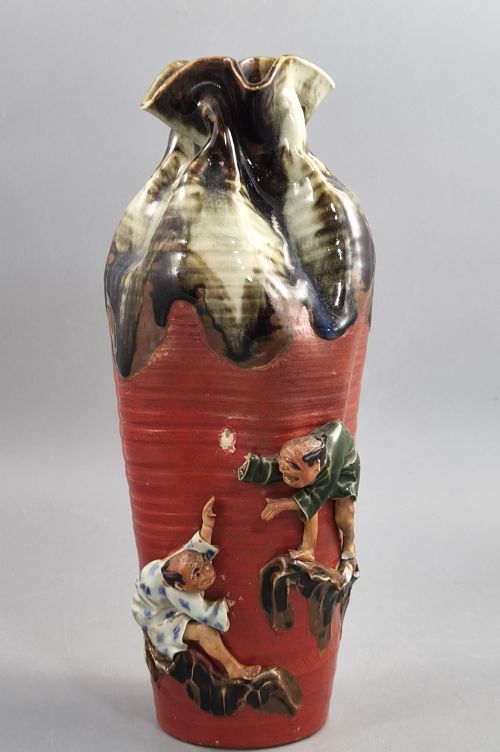
Decoration relied heavily on coloured enamels, gold leaf, and specialised glazes including flambe and red enamel over silver wire cloisonne. Workshops also incorporated applied sculptural figures, hand-painted scenes, and lacquered wood or bronze elements on specific items.
The listings feature earthenware, stoneware, and porcelain pieces spanning the Victorian era through the Meiji and Taisho periods.
Assessing quality and execution
Execution and visual impact separate standard export wares from masterworks of the Meiji period. Superior examples show precise control over multi-layered enamel palettes, intricate gold leaf detailing, and well-balanced sculptural additions such as climbing figures or dragons.
The ambition of the form dictates distinction, moving from simple utilitarian jars to large floor-standing Imari vases and complex Sumida Gawa landscapes with deep flambe glazes. Signed pieces by recognised makers often exhibit higher standards of ceramic moulding and individual artistic expression.
Inoue Ryosai·Ando Jubei·Hayashi Kodenji
The Red Japanese Vase Glossary
- Imari
- A traditional style of Japanese porcelain featuring a palette dominated by underglaze blue and iron red, frequently accented with gold.
- Kutani
- A style of Japanese coloured porcelain noted for bold pictorial designs and rich enamel work, often produced in the Ishikawa prefecture.
- Sumida Gawa
- A distinctive type of Japanese art pottery featuring heavy, dripped flambe glazes and highly textured, sculptural figures applied to the vessel surface.
- Meiji Period
- The era in Japanese history spanning from 1868 to 1912, characterised by extensive international trade and rapid artistic innovation.
- Cloisonne
- A metalwork technique where enamel paste is applied within compartments created by soldered silver or copper wires on a vase body.
Red Japanese Vase: Frequently Asked Questions
What is a red japanese vase?
A red japanese vase refers to ceramic vessels produced in Japan during the nineteenth and early twentieth centuries, particularly utilising the Imari palette, Kutani enamels, or Sumida Gawa red-toned glazes. These pieces incorporate distinct terracotta and porcelain bodies decorated for both domestic use and the international export market.
Collectors find these objects in various forms, from small bud vases to large floor-standing display pieces. The red coloration often derives from iron-rich pigments or glossy enamel applications.
How were these vases used?
Many of these vessels served as decorative interior items, displayed on tables or within garniture sets on mantelpieces. Larger floor vases occupied prominent corners of Victorian and Edwardian reception rooms.
Certain forms, such as sake pourers and lidded ginger jars, held functional origins before transitioning into decorative art objects. The inclusion of applied figures and intricate scenes provided visual storytelling within the home.
How do I date a red japanese vase?
Dating relies on stylistic markers from the Meiji, Taisho, and Victorian periods, combined with evidence of material composition and export markings. Pieces tied to the late nineteenth century frequently display dense Imari patterns or classic Kutani porcelain traits.
Later items often shift into the Meiji-Taisho transition, showing characteristic flambe glazes and sculptural Sumida Gawa applications. Signatures and kiln marks can further narrow the production window.
What makes Sumida Gawa pottery different?
Sumida Gawa pottery stands apart through its heavily textured surfaces, pinched rims, and distinct flambe glazes in shades of blue, lavender, and red. Artisans applied realistic figures, animals, and natural scenes directly onto the body of the vase.
This style emerged strongly around the turn of the twentieth century, reflecting a departure from flat painted porcelain towards tactile, sculptural ceramic art.