




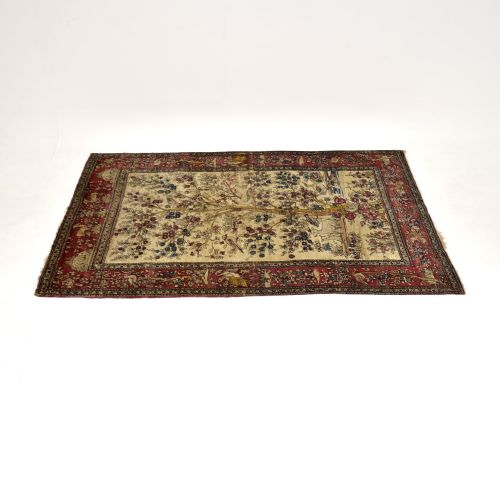

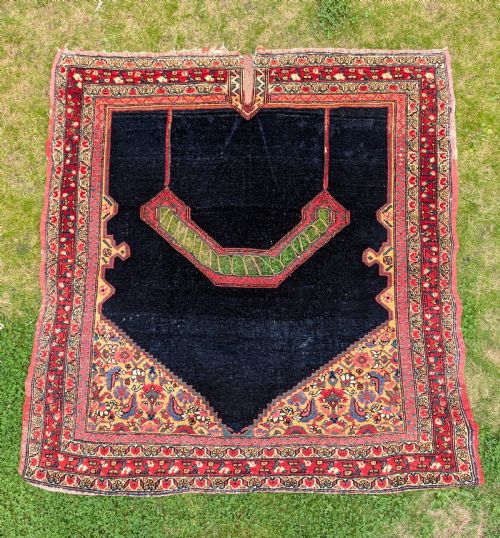
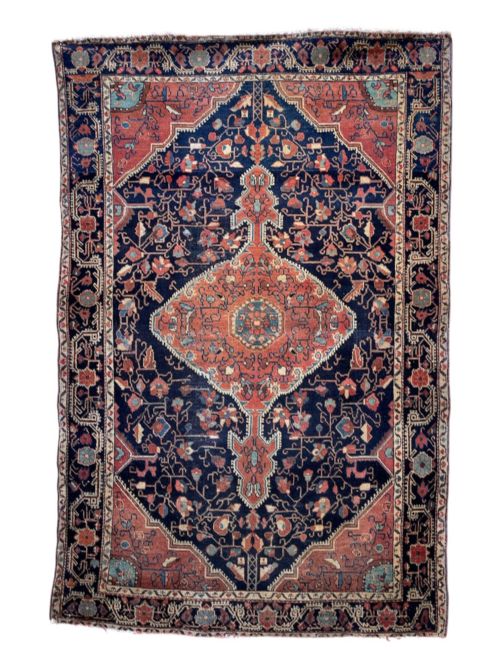
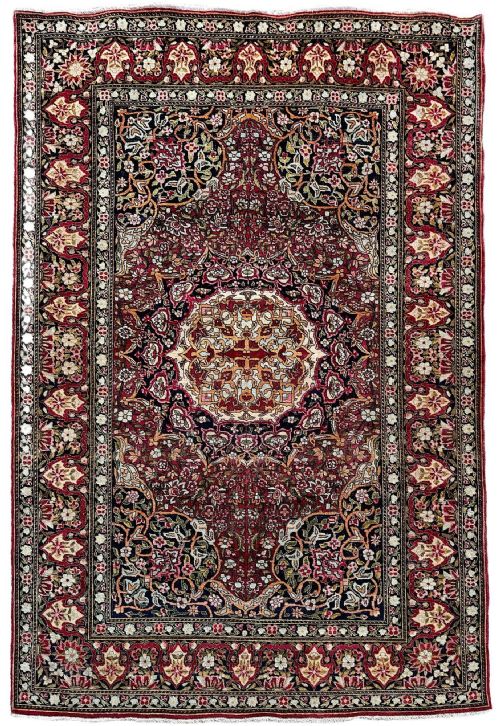
Red Hand Knotted Carpet
A red hand knotted carpet brings warmth, heritage and enduring structure to a room through centuries of tribal and village craftsmanship.
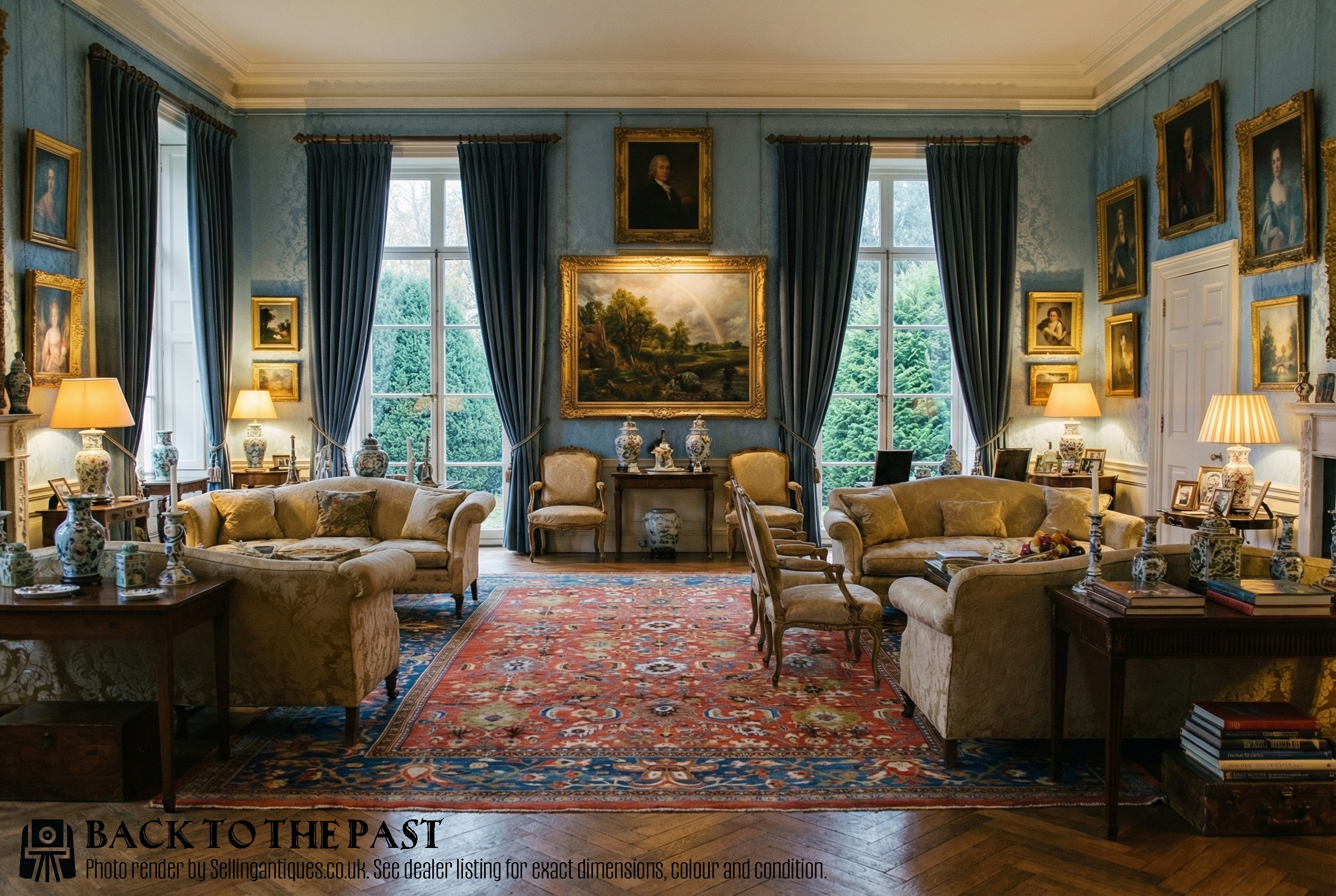
Red Hand Knotted Carpet
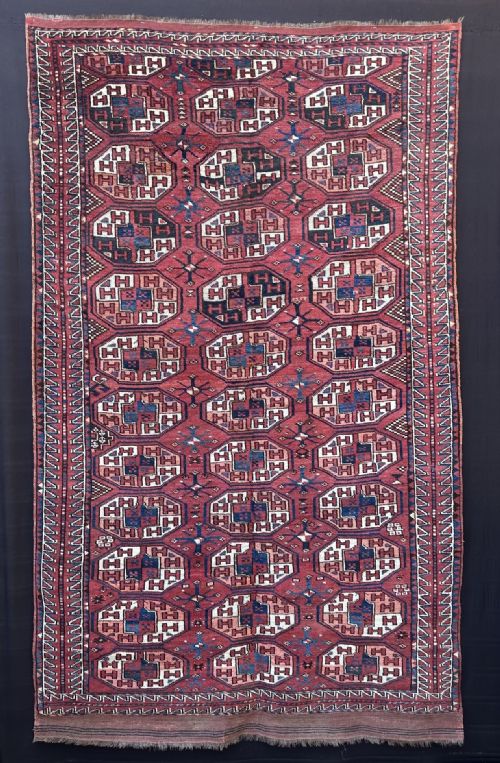
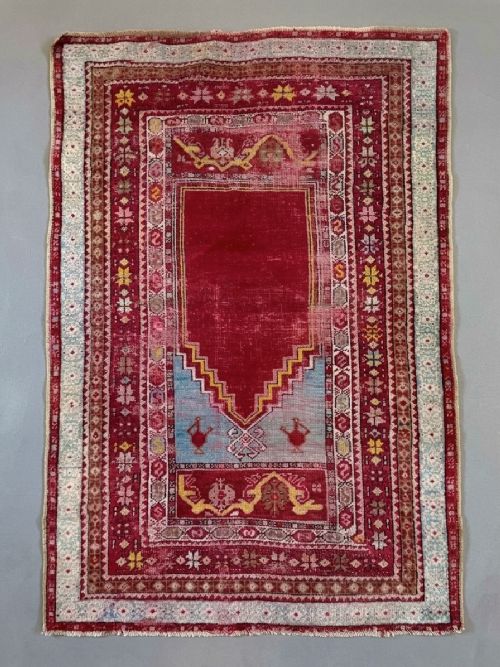
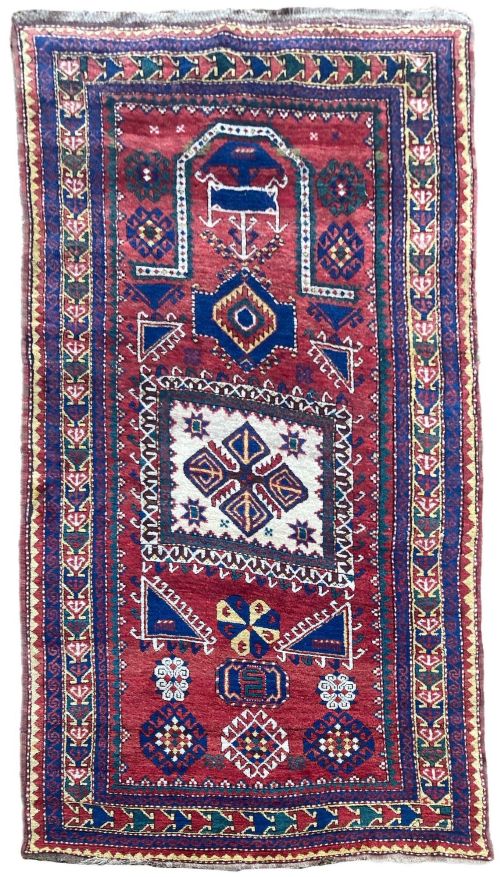
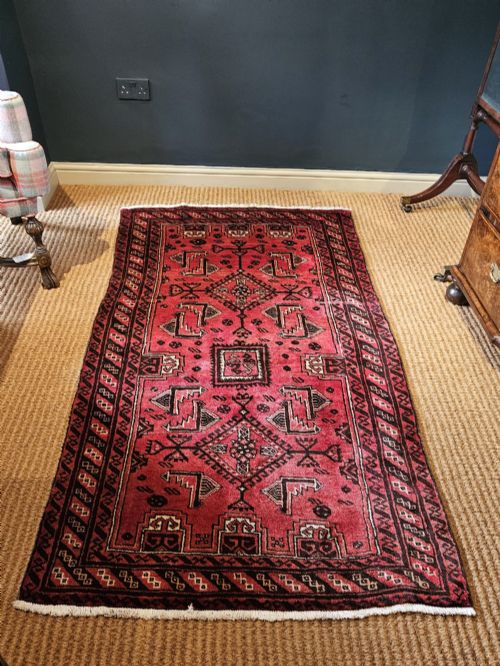
When you search for a red hand knotted carpet, you encounter heavy woolen floor coverings originating from Persia, the Caucasus, Anatolia, Turkmenistan and Tibet. These textiles span periods from the nineteenth century through the early twentieth century, including runners, area rugs and prayer rugs.
The pieces on this page emerge from village workshops and nomadic tribes, bearing distinct regional patterns and traditional motifs. You will find examples ranging from small prayer formats to large main carpets.
Village weavers and tribal makers constructed these items for domestic use or trade, employing local wool and traditional dyeing methods. Each specimen reflects the specific aesthetic of its origin, whether Heriz, Kazak, Ushak or Baluch.
How they were made
The makers relied primarily on wool, hand-spun wool and cotton foundation threads, occasionally incorporating silk highlights for specific decorative emphasis. They tied dense knots by hand around warp threads to build a sturdy, resilient pile.
Natural dyes imparted the characteristic warm red tones and contrasting background colours found across these rugs and carpets. Artisans sourced these colorants from local plants and minerals before chemical alternatives became widespread.
Red Hand Knotted Carpet Retail Price Guide 2026
Typical asking prices for red hand knotted carpet among the pieces listed under this phrase on Sellingantiques today, from the lower quarter to the upper quarter. They describe what is for sale here now, not the wider market.
Some nineteenth century weavers tied small protective amulets directly into the pile to ward off the evil eye.
What varies in quality
Knot density and the precision of the weave dictate the structural integrity and definition of the design. Finer knotting allows for sharper geometric or floral motifs and greater longevity under foot traffic.
The depth, complexity and stability of the natural dyes influence the visual richness of the surface. Superior examples maintain balanced saturation and harmonious colour interaction across the entire field.
The Red Hand Knotted Carpet Glossary
- Mihrab
- A niche design element found on prayer rugs, representing the direction of prayer. It typically frames the upper portion of the central field.
- Runner
- A long, narrow carpet format designed for corridors, hallways or staircases. These pieces balance length with restricted width.
- Warp
- The vertical foundation threads stretched tightly on the loom before knotting begins. Weft threads are inserted across them to secure the knots.
- Pile
- The raised, soft surface of a carpet formed by the cut ends of knots. It provides both comfort and durability to the textile.
- Natural dyes
- Colourants derived from organic sources such as plants, insects and minerals. They yield subtle tonal variations and age gracefully over time.
Red Hand Knotted Carpet: Frequently Asked Questions
Where were these rugs made?
These textiles originated across Central Asia, Persia, the Caucasus, Anatolia and Tibet. Weavers in villages and nomadic camps produced them using regional materials.
Specific production centres included Heriz, Kashan, Ushak, Kazak and various tribal territories. Each region maintained distinct weaving traditions and palette preferences.
How do I care for my carpet?
Protect the textile by placing it in areas with moderate foot traffic and avoiding prolonged direct sunlight. Gentle, regular vacuuming without a beater bar removes trapped dust.
Professional cleaning tailored for antique wool rugs is essential every few years. Avoid harsh chemical treatments and excessive water.
What is a prayer rug?
A prayer rug is a smaller format textile featuring a distinctive architectural niche known as a mihrab. Worshippers used these portable mats during daily prayers.
Their designs often direct the eye toward the upper niche or indicate a specific orientation. Collectors value them for their symbolic motifs and focused composition.