

Red Glazed Pottery
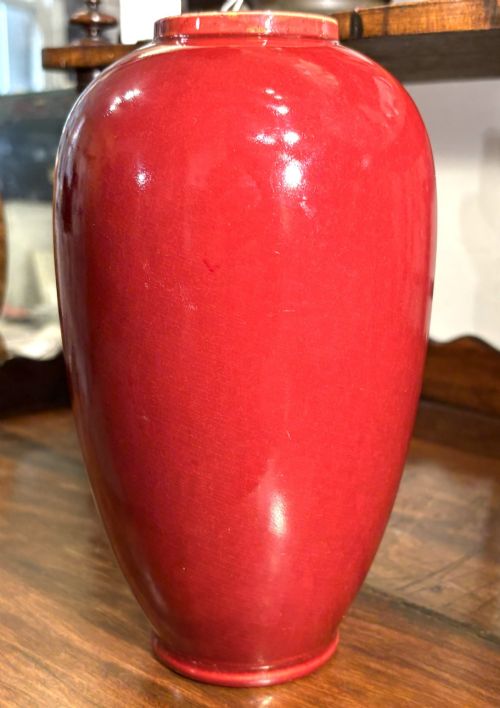
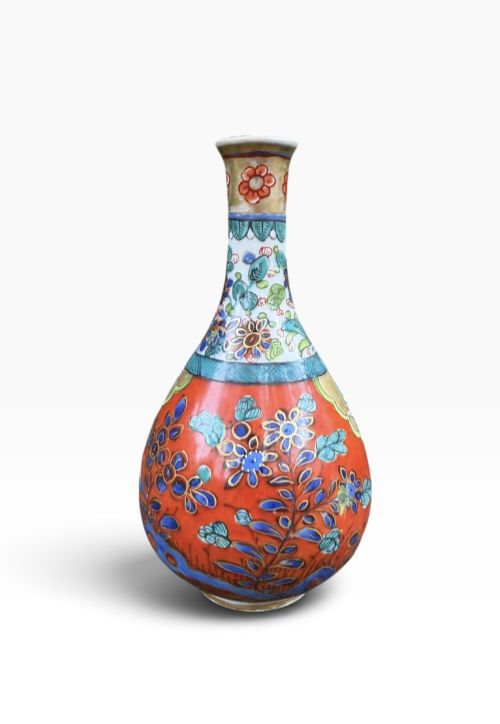
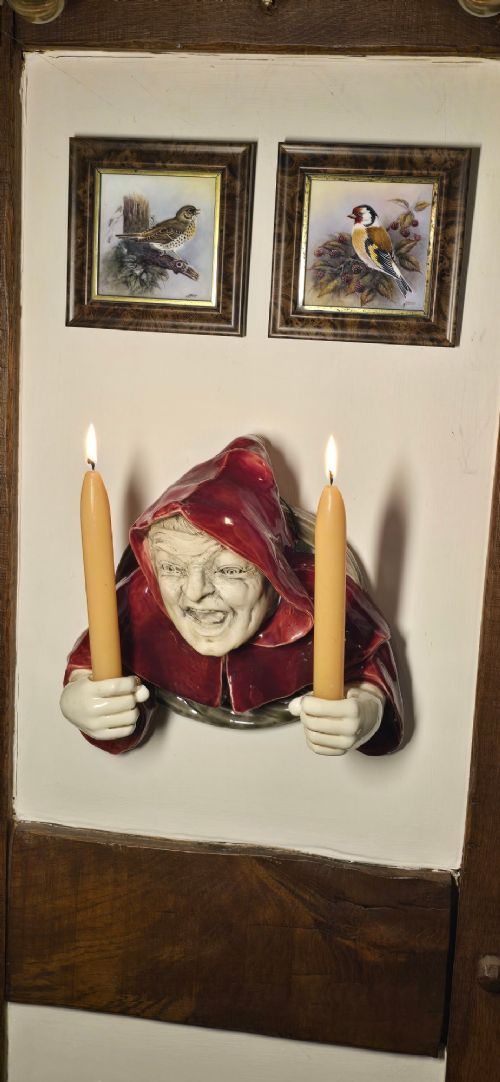
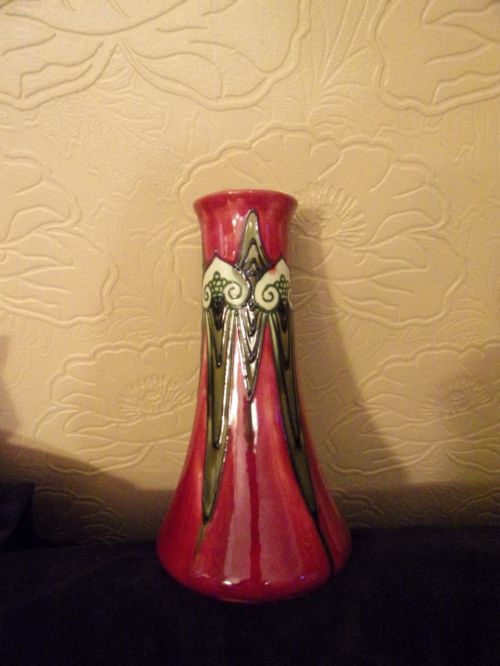
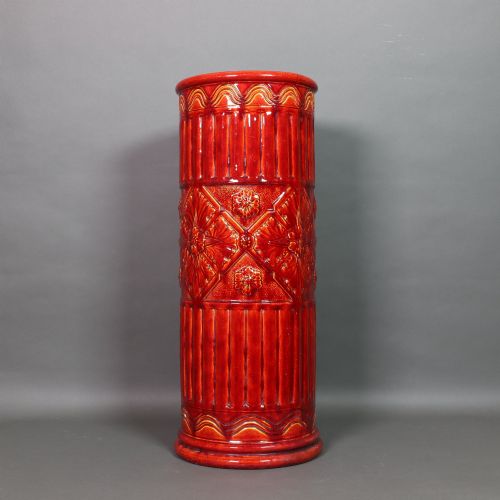
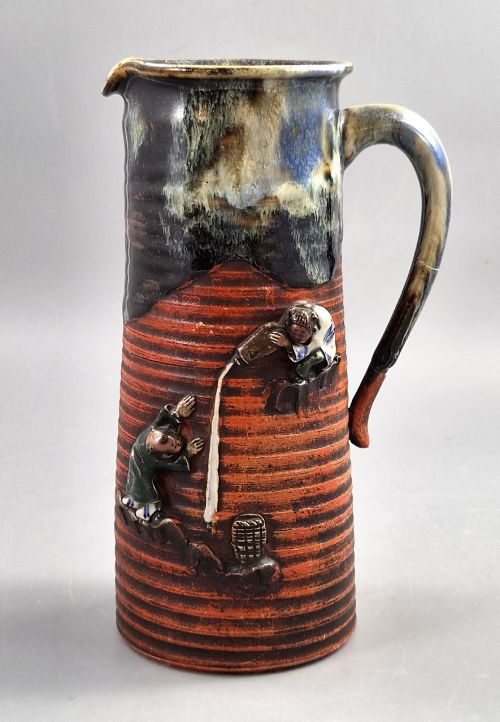
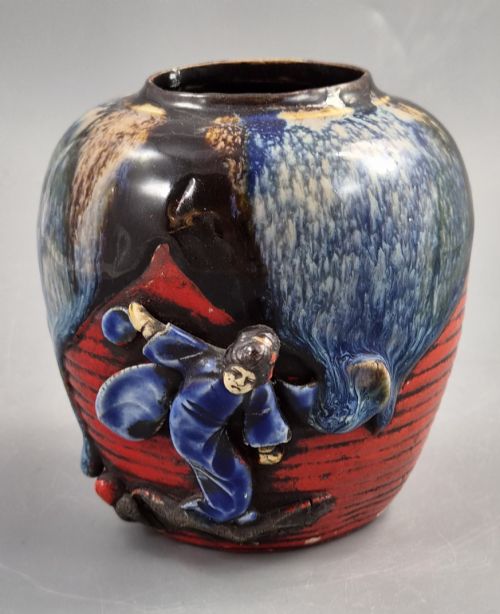
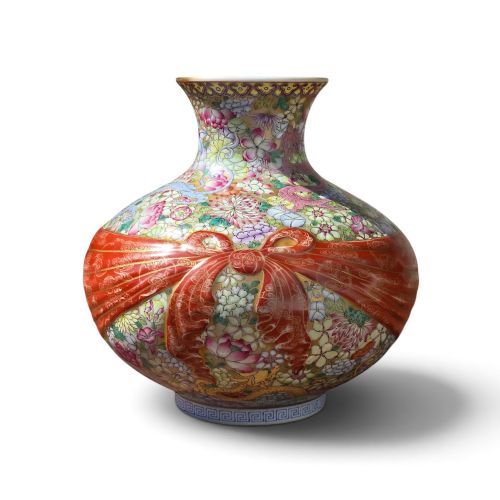
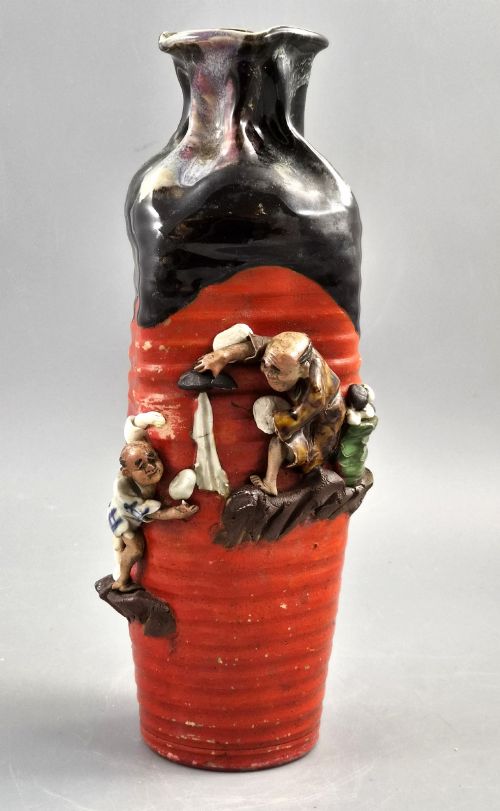
These examples of red glazed pottery span multiple decorative styles, bringing striking colour and sculptural form to domestic interiors.
Red Glazed Pottery
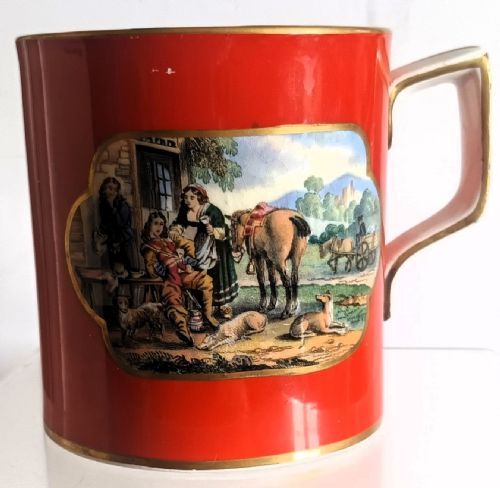
Red glazed pottery encompasses a diverse selection of ceramic objects, including vases, figural ornaments, and tableware created across the nineteenth and early twentieth centuries.
Buyers encounter distinct regional interpretations when exploring this phrase, from English earthenware and Staffordshire figures to Japanese Sumida Gawa wares and Chinese porcelains.
The selection ranges from Victorian majolica and earthenware stick stands to high-fired art pottery chargers and lamps from the Edwardian and Art Deco periods.
Materials and techniques
Potters utilised earthenware, stoneware, and porcelain as foundations, applying specialised ceramic glazes, enamels, and tube-lined designs to achieve rich colour variations.
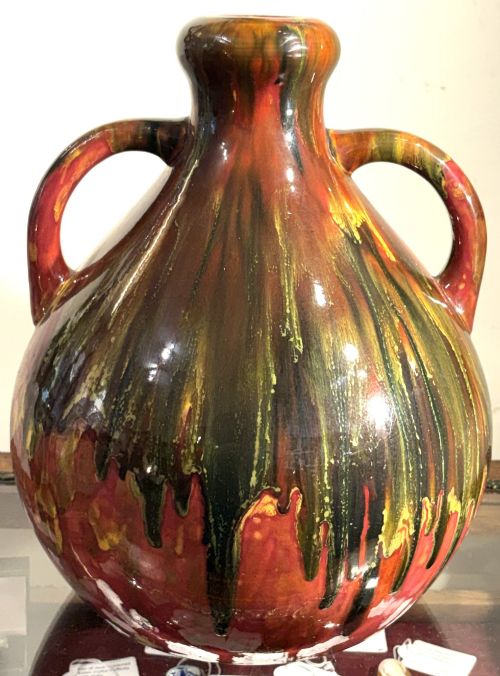
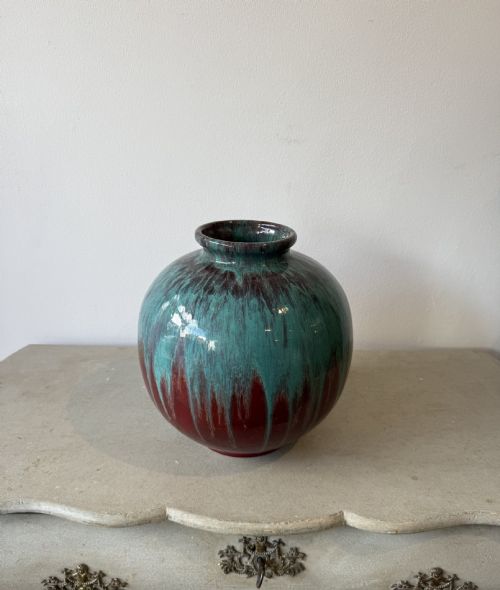
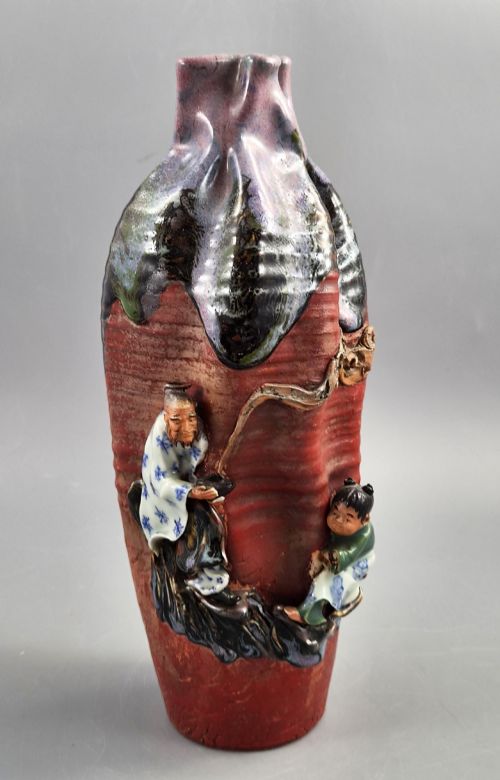
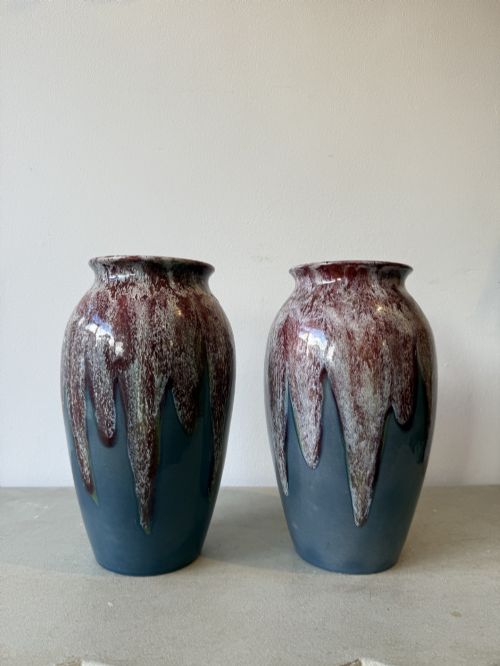
Techniques varied from high-fired flambe glazes that pooled unevenly in the kiln to intricate applied figures modelled in relief directly onto the vessel body.
Materials represented include earthenware, stoneware, porcelain, and terracotta treated with specialised enamels and drip glazes.
Distinctions in quality
Quality rests upon the depth and control of the glaze, where complex firing methods produce deliberate gradations of red, purple, and flambe effects rather than flat surfaces.
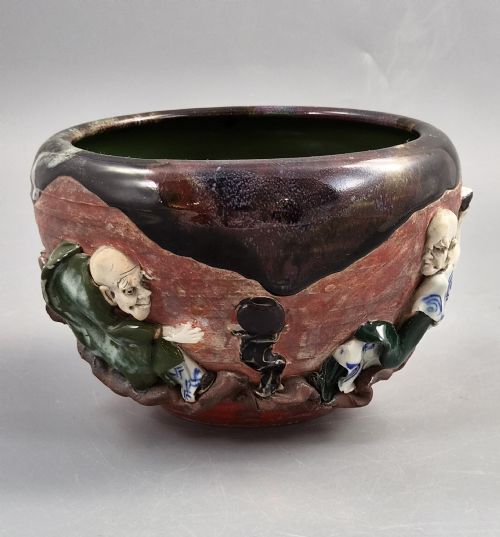
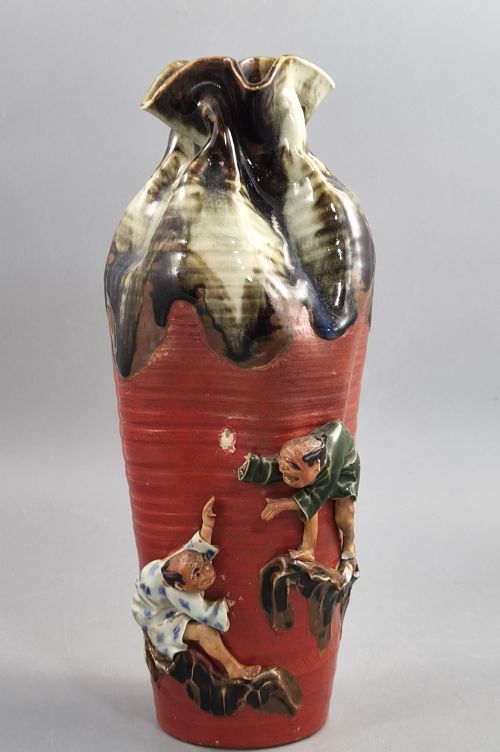
The crispness of modelling in applied sculptural elements, such as figures climbing vessel rims or detailed relief work, separates standard production pieces from finer studio output.
Burmantofts Pottery·Minton·Inoue Ryosai·Moorcroft·Macintyre Co
The Red Glazed Pottery Glossary
- Earthenware
- Porous pottery fired at lower temperatures, commonly used for traditional British figures, majolica, and utilitarian vessels before being glazed.
- Flambe glaze
- A mottled or streaked glaze originating from Chinese kilns that produces unpredictable pools of rich red and blue tones during high-temperature firing.
- Sumida Gawa
- Japanese art pottery characterised by heavy, visible glazes and distinct figures modelled in high relief scrambling across the exterior.
- Majolica
- Low-fired earthenware coated with an opaque tin-lead glaze, notable for vibrant coloured lead glazes applied over the surface.
- Tube-lining
- A decorative technique where a thin trail of clay slip is squeezed onto the pottery body through a nozzle to outline patterns before glazing.
Red Glazed Pottery: Frequently Asked Questions
What is red glazed pottery?
Red glazed pottery refers to ceramic objects finished with coloured glazes ranging from deep crimson to bright iron-red, encompassing utilitarian wares and decorative items.
The category spans multiple decades and international traditions, including British art pottery, Japanese export pieces, and Chinese porcelain.
How do I date these pieces?
Dating relies on identifying stylistic markers, such as the distinct aesthetic movement shapes of the late nineteenth century or the geometric lines of later Art Deco examples.
Maker marks, registration numbers, and specific glaze recipes associated with workshops like Burmantofts or Moorcroft provide further chronological context.
How were Sumida Gawa pieces made?
Sumida Gawa wares originate from Japanese workshops, featuring heavily textured bodies covered in dripping flambe glazes.
Artisans applied distinct sculptural figures, such as sages or children, directly onto the wet clay surface prior to firing.
Where should I display these items?
These pieces function well as focal points on sideboards, mantels, or within open shelving where their rich glazes catch natural light.
Larger vessels like stick stands or jardinières suit floor placement, while smaller figures and bowls anchor tabletop displays.