


Red Glass Pendant
These red glass pendant pieces bring rich colour and warm illumination to an interior, spanning Victorian, Edwardian and Art Deco designs.
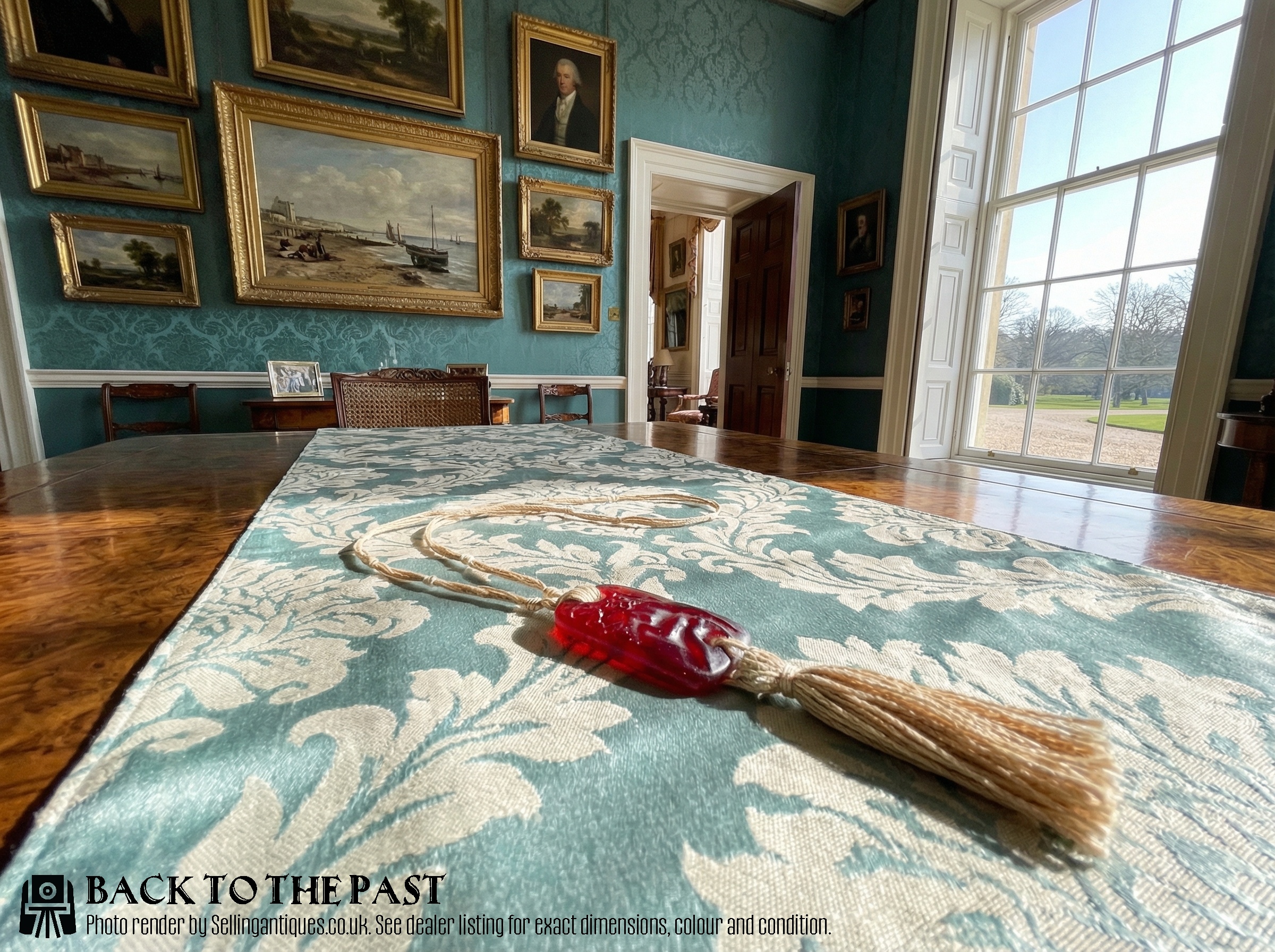
Red Glass Pendant
A red glass pendant encompasses various hanging lighting forms, ceiling pendant shades, and specific jewellery items such as lockets. When searching for a red glass pendant, buyers encounter ceiling fixtures featuring ruby or cranberry shades alongside decorative moulded pieces.
The selections span from the nineteenth century through the Edwardian era and into the nineteen-twenties and thirties. Domestic lighting options range from dimpled glass shades to cut crystal chandeliers fitted with red drips or coloured teardrops.
Jewellery pieces also emerge within this grouping, including memorial glazed lockets set with garnet and pearl, alongside moulded glass items bearing specific imagery. These decorative and functional objects represent diverse production origins from French chandeliers to Italian and British workshop designs.
How they were made
Makers utilised coloured glass, crystal, cranberry glass, and ruby glass combined with brass, gilt metal, silver plating, coppered brass, and wrought iron. Glass was blown, moulded, or cut to shape, occasionally incorporating white staining or dimpled textures to diffuse light.
Metal components such as galleries, chains, and frames were cast, spun, or forged to support the glass shades and crystal drops. Components were joined with mechanical fasteners or soldered joints, integrating electrical fittings or suspension loops during period manufacture or later adaptation.
Deer antlers occasionally serve as the primary structure for a nineteen-thirties triangle chandelier holding red glass.
What varies in quality
The standard of a red glass pendant depends on the depth and consistency of the glass colour, the precision of the cutting or moulding, and the integrity of the metalwork. Rich cranberry and ruby hues paired with crisp facet cutting or detailed relief moulding represent superior execution.
Subtleties in metal casting and the presence of original decorative galleries or matched crystal drops elevate certain examples above standard production. The harmony between the coloured shade and its suspension medium dictates the overall success of the piece.
Rene Lalique·S.FAUER
The Red Glass Pendant Glossary
- Cranberry glass
- A type of transparent red glass created by adding gold chloride to the molten batch. It is commonly found in Victorian lampshades and lighting components.
- Ruby glass
- A deep red glass variant achieved through copper or gold saturation. It provides intense colour saturation for ceiling pendants and decorative vessels.
- Gallery
- A metal ring or collar that secures a glass lampshade to a pendant fitting. Original galleries often feature cast decoration or registration numbers.
- Cut glass
- Glass decorated by grinding facets or patterns into the surface on a wheel. This technique enhances light refraction in crystal pendants and chandeliers.
- Memorial locket
- A hinged jewellery pendant designed to hold hair or portrait miniatures. Victorian examples frequently incorporate garnets and pearls around a glazed central compartment.
Red Glass Pendant: Frequently Asked Questions
How do I hang a heavy glass pendant?
Pendant lights require secure anchorage into ceiling joists or solid masonry using appropriate hook plates and weight-rated wiring. The hanging height should allow adequate clearance beneath the fixture.
Professional installation ensures the brass, gilt metal, or wrought iron suspension safely supports the combined weight of the glass shade and metal components.
Are these glass shades original to the fittings?
Many ceiling pendants retain their original glass shades paired with period brass or coppered brass galleries. Documentation such as registration numbers often confirms period assembly.
Over decades of use, some shades or hanging components have been matched with compatible fixtures from the same era, such as Edwardian or nineteen-twenties designs.
How do I clean red glass pendant shades?
Dust the glass and metalwork gently with a soft, dry cloth to remove surface particles. Avoid harsh chemical cleaners that might damage aged gilt metal or silver-plated surfaces.
For thorough cleaning, remove the shade from the gallery and wash it in lukewarm soapy water, ensuring the glass is dried completely before rehanging.
What period do these ruby glass shades belong to?
Ruby and cranberry glass shades commonly date from the nineteenth-century Victorian period through the Edwardian era. Manufacturing techniques often involve hand-blown or mould-blown execution.
Later examples from the nineteen-twenties introduce sharper geometric forms and distinct pressing styles associated with Art Deco lighting design.