
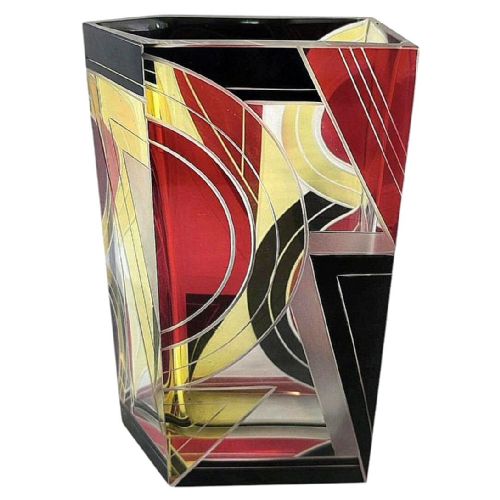
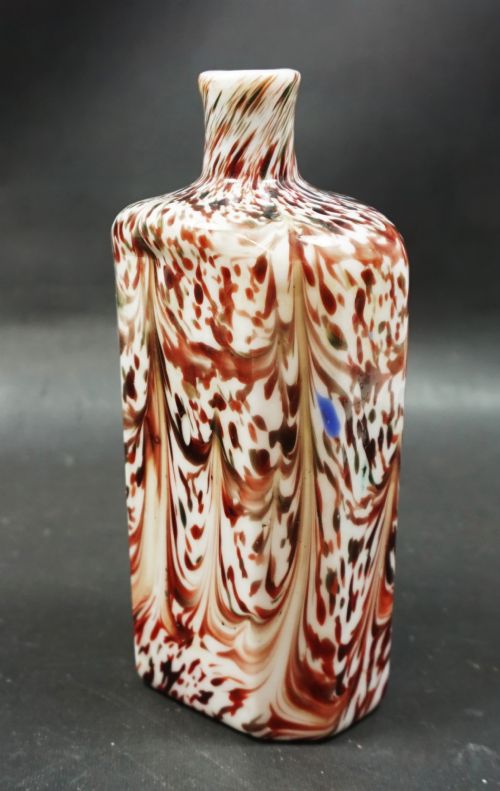


Red Enamelled Glass Vessel
A red enamelled glass vessel delivers intense colour and striking decoration, bridging Victorian charm and Art Deco geometry for the discerning collector.
Red Enamelled Glass Vessel
A red enamelled glass vessel combines deep coloured glass bodies with detailed surface painting, ranging from vibrant cranberry and ruby tones to milk glass and opaque opaque finishes. When you search for a red enamelled glass vessel, you encounter a diverse array of forms spanning functional flasks, lidded boxes, and tall display vases.
The pieces on this page draw from distinct eras, most notably the ornate Victorian period and the sleek Art Deco movement of the nineteen thirties. Victorian examples often feature the white enamel figures associated with Mary Gregory, whilst later pieces lean towards geometric patterns and stylised floral motifs.
Forms vary from delicate trinket boxes fitted with sterling silver lids to substantial Bohemian goblets and Swiss rectangular flasks. Collectors select these objects for their rich palettes and the striking contrast between the base glass and the applied enamel decoration.
How they were made
Makers utilised molten glass infused with coloured frit or metallic oxides to achieve rich cranberry, ruby, and milk glass foundations. Artisans shaped these vessels through free-blowing, mould-blowing, or pressing before applying surface treatments.
Decoration relied on skilled enamelling, where powdered glass pigments mixed with a medium were painted onto the cooled vessel and fired to fuse permanently. Guilds and factories frequently incorporated gold leaf highlights or splattered glass effects to add depth and texture to the finished surface.
Materials recorded across the inventory include cranberry glass, milk glass, sterling silver, and gold leaf.
What varies in quality
Quality rests upon the precision of the enamel work and the depth of colour within the glass body itself. Superior pieces display crisp brushwork, secure gilding, and well-balanced proportions that mark them out from simpler production wares.
The inclusion of hallmarked sterling silver mounts or sophisticated design movements like Art Deco geometry elevates the standing of an individual piece. The integrity of the glass and the crispness of the applied decoration determine the overall success of the vessel.
Legras·Mary Gregory
The Red Enamelled Glass Vessel Glossary
- Cranberry glass
- A transparent pinkish-red glass created by adding gold chloride to the molten batch. It gained immense popularity during the Victorian era for decorative tableware and vases.
- Enamel
- A decorative vitreous composition fused to the surface of glass through firing. It provides opaque or translucent colour and intricate detail.
- Milk glass
- An opaque or translucent white glass that can be blown or pressed into various shapes. It often serves as a contrasting backdrop for bright enamel painting.
- Ruby glass
- A deep, rich red glass achieved by using copper or gold compounds during manufacturing. It creates a darker, more dramatic tone than standard cranberry glass.
- Frit
- Crushed or granulated glass used as a raw material or applied to the surface of a vessel to create textured, splattered decorative effects.
Red Enamelled Glass Vessel: Frequently Asked Questions
How do I date a red enamelled glass vessel?
Dating relies heavily on stylistic cues, manufacturing techniques, and any accompanying hallmarks on silver mounts. Victorian pieces often showcase romantic scenes in white enamel, whereas nineteen thirties examples favour geometric Art Deco lines.
Examining the base and the finish of the glass helps narrow down the period of manufacture. Comparing the object against documented examples from specific eras provides further confirmation.
Were these vessels used for display or function?
Many of these objects served decorative purposes, designed to catch the light on mantelpieces and cabinets. Tall vases and goblets were primarily aesthetic additions to affluent homes.
Other forms, such as trinket boxes with silver lids and flasks, fulfilled practical storage roles for small personal items. Their dual nature as decorative and functional items accounts for their enduring appeal.
How should I clean a red enamelled glass vessel?
Cleaning requires gentle handling using a soft, dry cloth to remove dust from the surface. Avoid submerging pieces with delicate enamel or gold leaf in water for extended periods.
Harsh chemical cleaners and abrasive sponges will permanently damage the enamel decoration. Warm water and mild soap should be used sparingly only when absolutely necessary.
What is Mary Gregory glass?
Mary Gregory glass refers to Victorian glassware decorated with silhouettes of children, birds, or landscapes painted in white enamel. While traditionally attributed to an American artist, most pieces originate from Bohemian and English factories.
These items are collected for their charming figural motifs set against cranberry or ruby glass backgrounds. The enamel work is typically fired onto the glass surface to ensure longevity.