





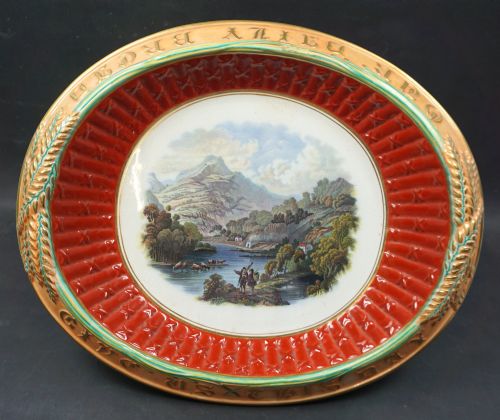
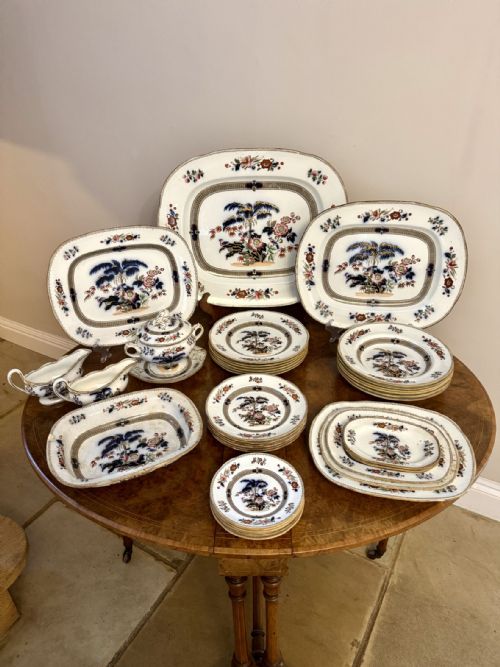
Red Ceramic Plate
A red ceramic plate brings distinct colour and pattern to a room, drawing the eye through rich palettes and hand-painted detail.
Red Ceramic Plate
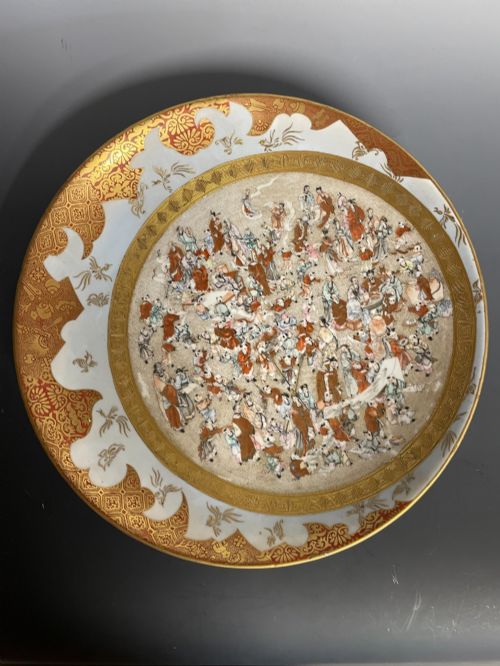
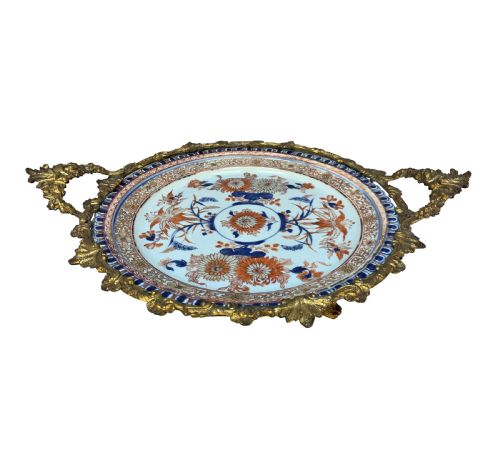
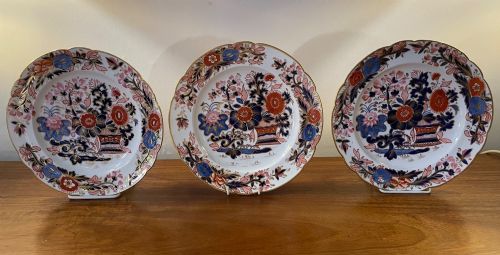
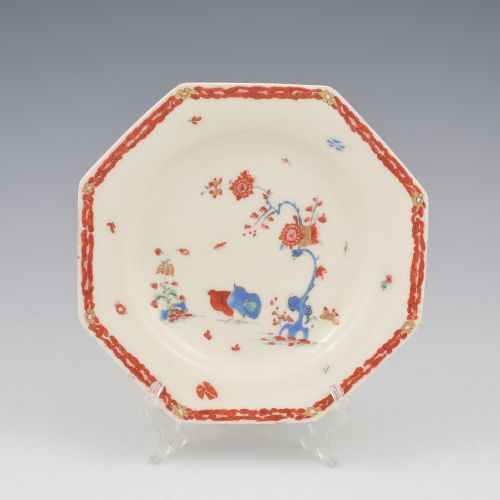
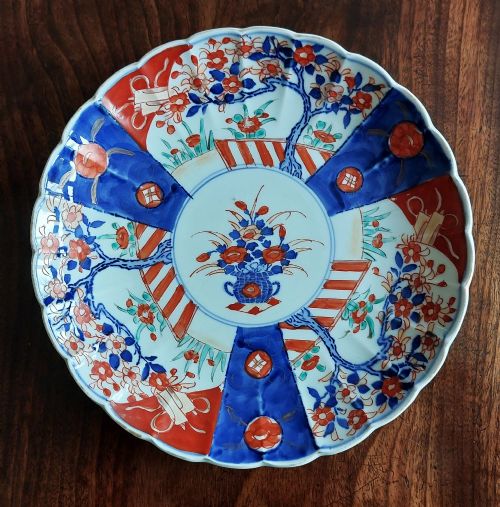
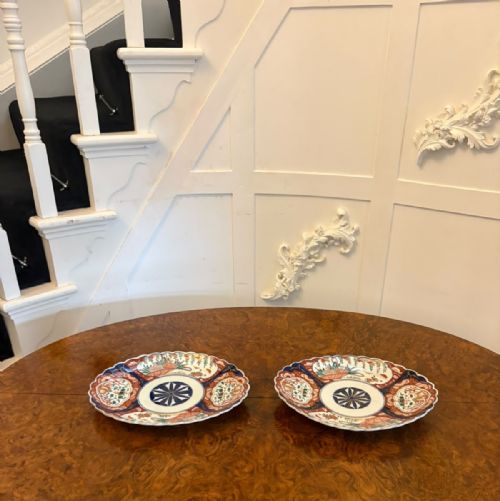
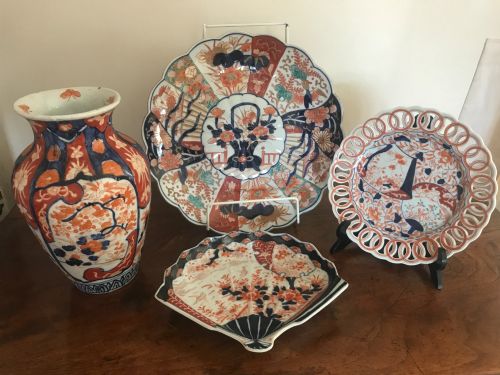
A red ceramic plate spans centuries of global kiln traditions, encompassing decorative dishes, chargers, and platters. When searching for a red ceramic plate, buyers most frequently encounter Japanese Imari wares from the Meiji period alongside 18th-century Chinese export porcelain and English earthenware.
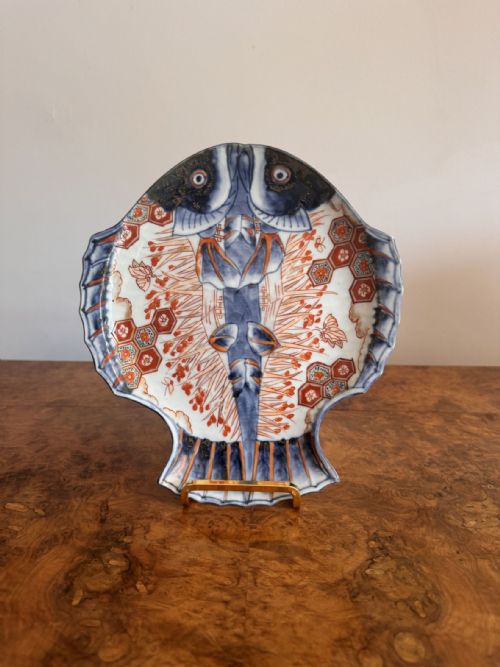
The selection ranges from fish-shaped dishes and scalloped chargers to octagonal plates and oval serving vessels. These items served both functional dining purposes and decorative display roles within historic interiors.
Origins stretch from Japanese Arita kilns to Staffordshire potteries and Bow porcelain works. Each piece reflects the specific aesthetic priorities of its period, whether the vibrant palettes of Meiji Japan or the classical restraint of Georgian England.
How they were made
Makers utilised porcelain and earthenware as the foundational bodies for these plates, applying glaze to seal the surface before firing. Ironstone china and bone-derived porcelain also appear among the English and Asian productions.
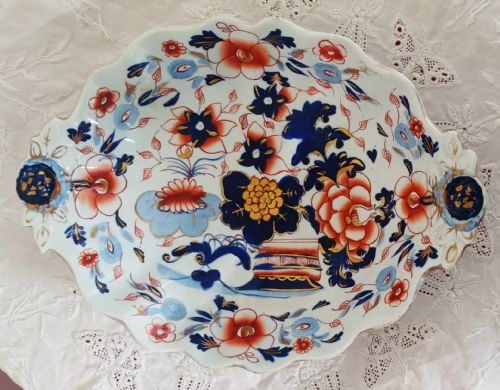
Decoration relied on hand-painted pigments, enamel work, and occasional gilding with gold leaf. Japanese Imari pieces combined underglaze blue with iron-red enamel and gold highlights, while English factories employed transfer printing and polychrome painting.
Listings feature periods spanning the eighteenth century through to the early twentieth century, including Georgian and Victorian eras.
What varies in quality
Quality reveals itself in the crispness of the hand-painted brushwork and the precision of the glaze application. Superior examples display balanced composition, rich iron-red tones, and intact gilding without heavy rubbing.
The complexity of the moulding, such as scalloped edges, hexagonal or octagonal forms, and shaped fish bodies, distinguishes finer output from standard utilitarian wares. Earlier 18th-century pieces often demonstrate greater delicacy in body thickness and potting technique.
Bow Porcelain·Wedgwood
The Red Ceramic Plate Glossary
- Imari
- A style of Japanese porcelain originating from Arita, traditionally characterised by a palette of underglaze blue, iron-red enamel, and gold. These pieces were heavily exported to Europe from the seventeenth century onwards.
- Charger
- A large decorative plate utilised historically for ceremonial dining or displayed upright on sideboards. They measure significantly larger than standard dining plates.
- Earthenware
- A porous pottery body fired at lower temperatures than porcelain, requiring a glaze to achieve impermeability. English regional potteries utilised this material extensively for bread platters and service wares.
- Enamel
- Opaque vitreous or ceramic pigments applied over fired glaze and fixed with a secondary, lower-temperature firing. This technique permitted vibrant reds and greens to sit raised above the white ceramic ground.
- Kakiemon
- An asymmetrical style of Japanese enamel decoration featuring fine pictorial designs of birds and flowers. Bow porcelain and other European factories frequently copied these palettes during the eighteenth century.
Red Ceramic Plate: Frequently Asked Questions
How were antique red ceramic plates used?
Historic plates served functional roles at the dining table for serving courses, bread, or side dishes. Larger chargers and platters doubled as decorative display pieces on walls and dressers.
Over time, many of these vessels transitioned entirely to ornamental roles due to their detailed hand-painted designs and fragile ceramic bodies.
How do I identify a Meiji period Imari plate?
Meiji period Imari plates typically date from the late nineteenth or early twentieth century and display dense red and blue floral or bird motifs. They frequently incorporate gilt highlights and moulded edges such as scallops or octagons.
The porcelain body feels dense, and the iron-red pigment often possesses a characteristic matte or slightly glossy texture distinct from European enamels.
Can I use these antique plates for daily dining?
Display and careful handling suit antique ceramics better than daily heavy use and modern dishwasher cycles. Historic glazes and hand-painted enamels can wear down or craze when exposed to frequent thermal shock and modern detergents.
Gentle hand washing preserves the integrity of the glaze and any delicate gold leaf or overglaze enamel work.