
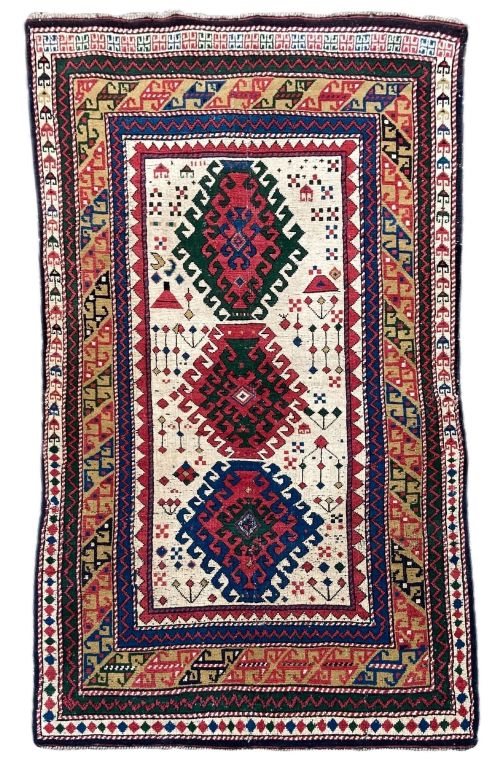
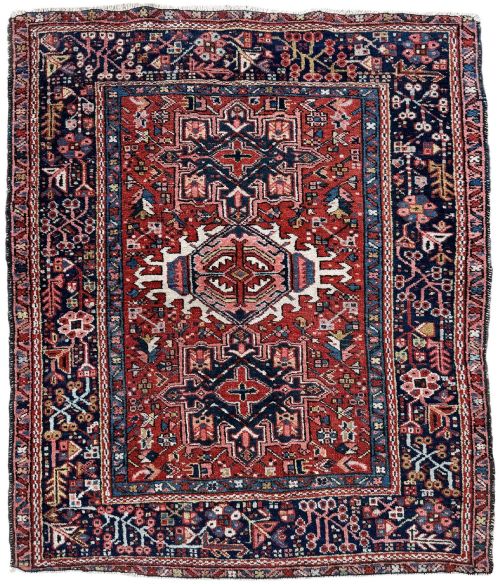
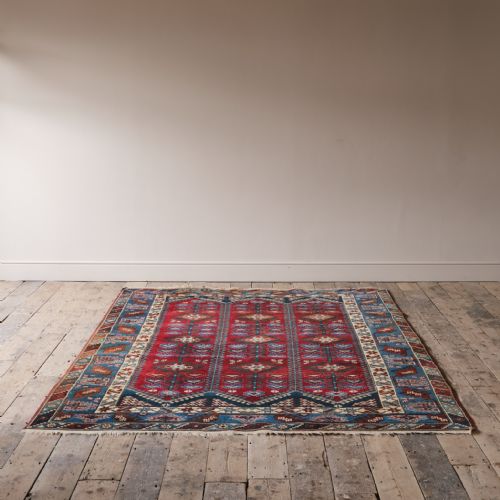
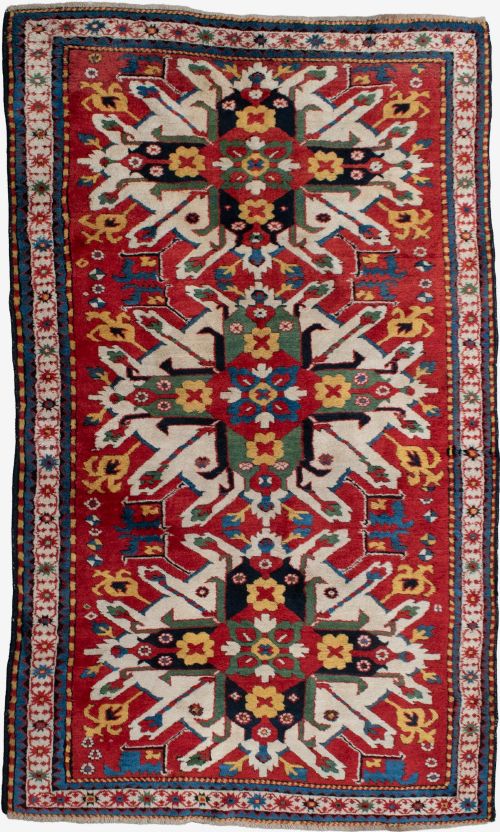
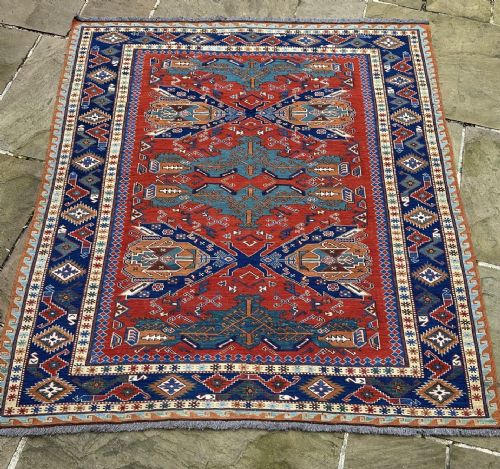
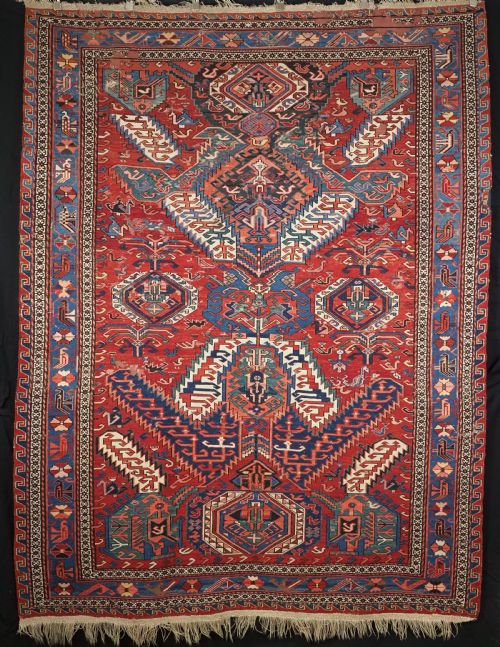
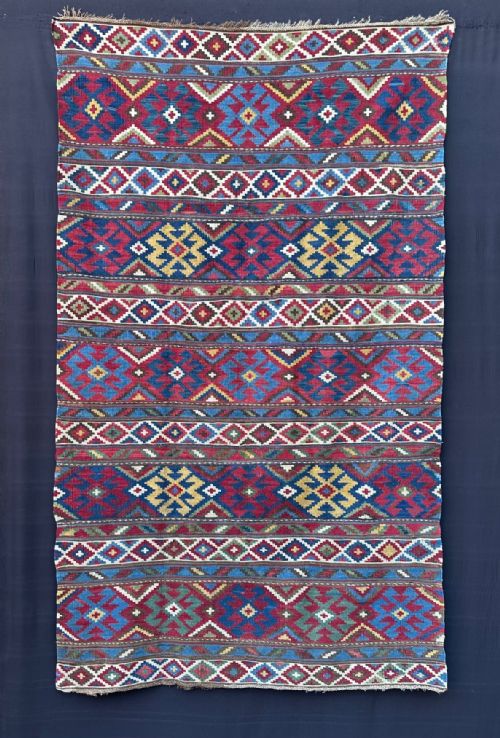
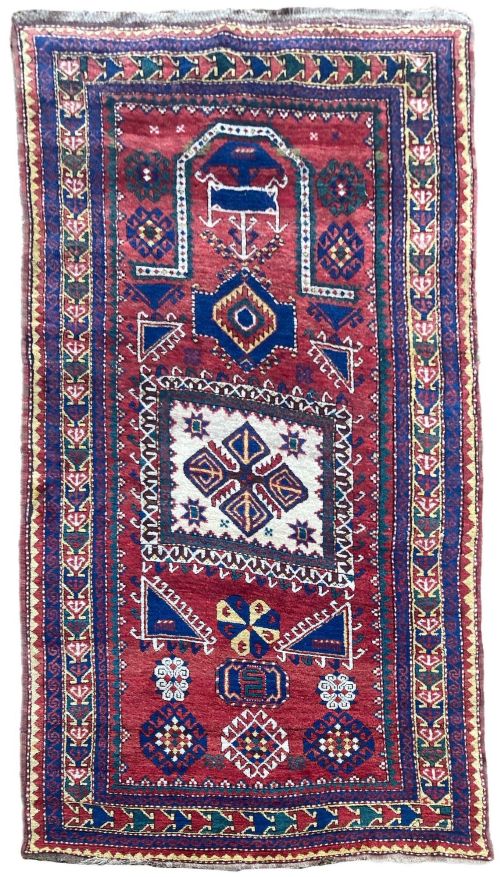
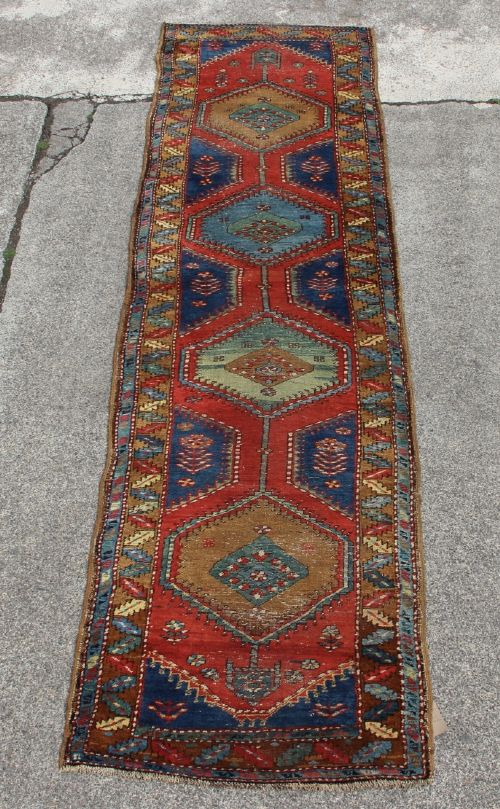

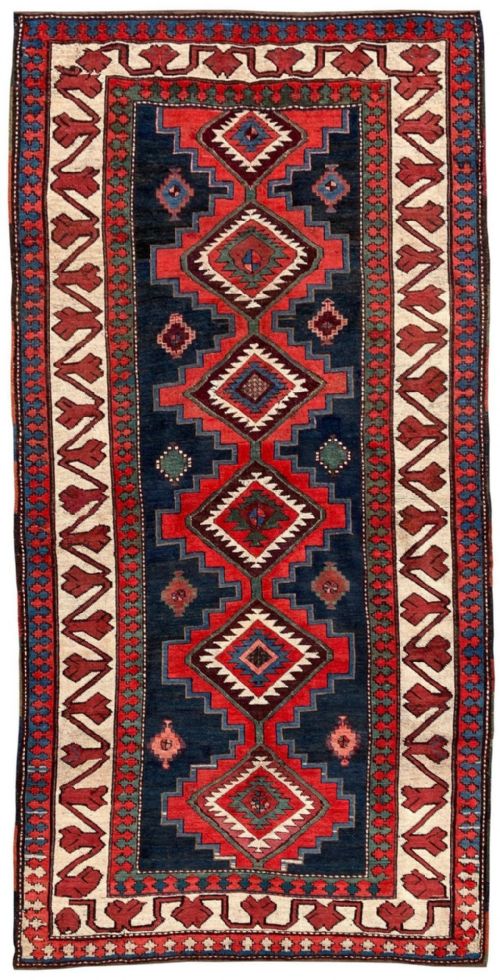
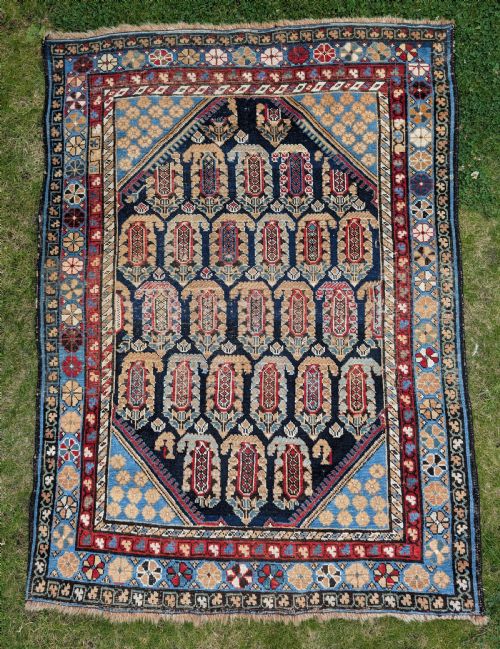
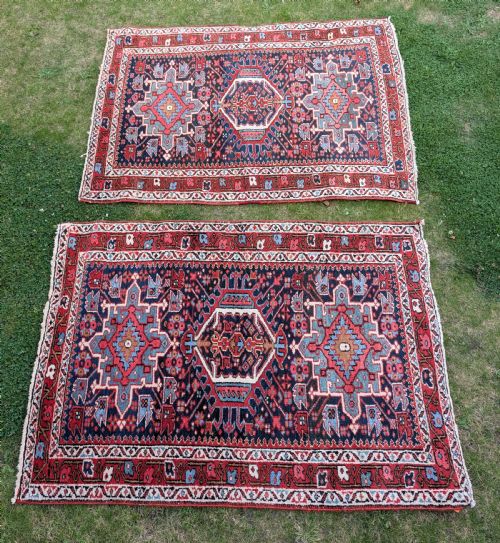
Red Caucasian Tribal Rug
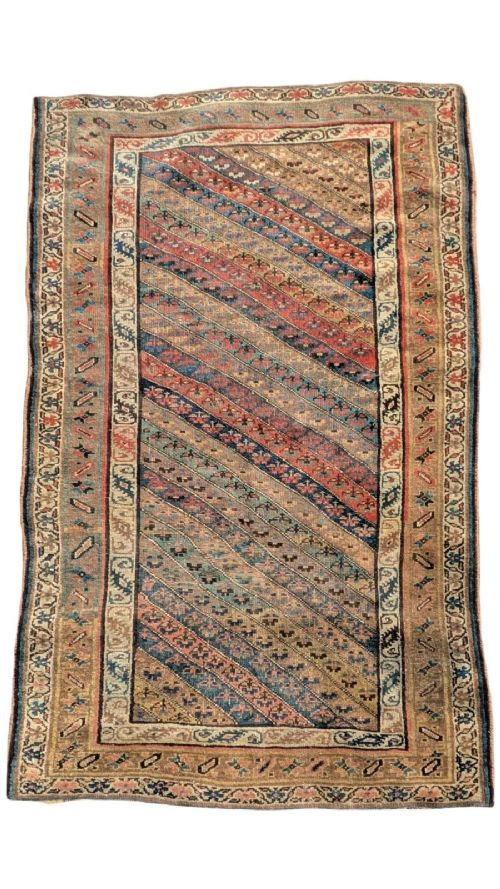
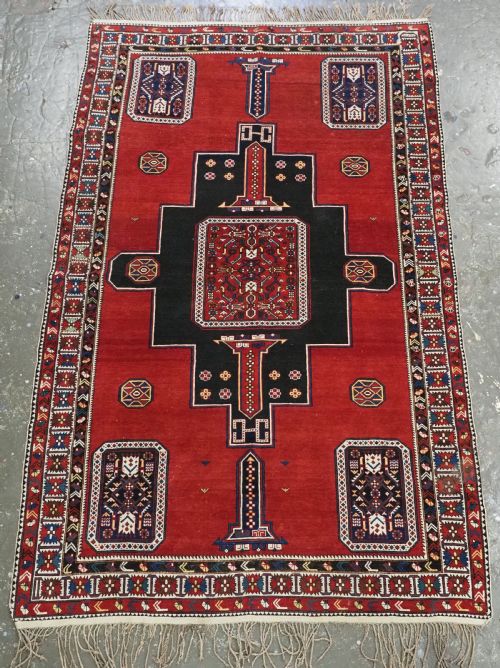
A red caucasian tribal rug brings geometric energy and rich historic dye work directly into a room.
Red Caucasian Tribal Rug
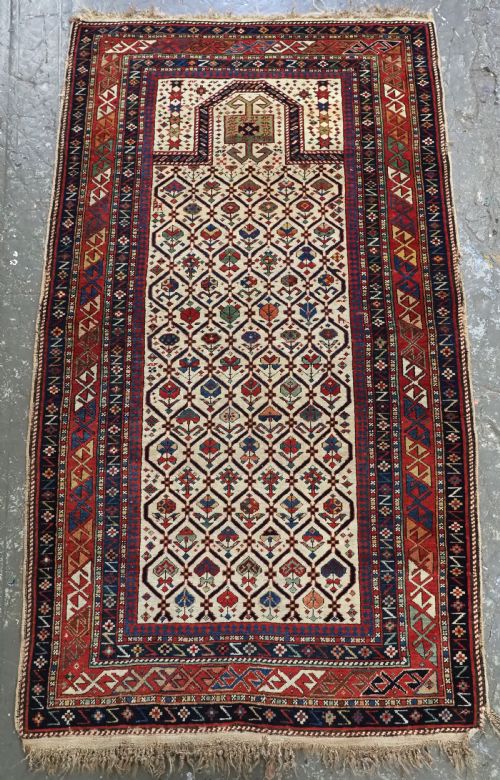
A red caucasian tribal rug encompasses hand-knotted village and nomadic weavings originating from the Caucasus region and related tribal territories. When exploring this selection, buyers encounter formats ranging from square prayer formats and small saddle bags to long hallway runners and substantial carpets.
The material record shows a concentration of pieces spanning the late nineteenth century into the early twentieth century, alongside examples attributed broadly to the nineteenth century. Regional names such as Kazak, Shirvan, Daghestan, Kuba, and Karabagh frequently appear across the listings.
Materials and construction
Makers utilised wool foundations and pile, occasionally supported by cotton elements, yielding durable floor coverings designed for practical daily use. Natural dyes provide the distinct colour palette found across these tribal textiles, interacting with hand-knotted pile and flatweave techniques.
The structural methods include specific regional weaving styles such as sumak work alongside standard knotting, producing varied surface textures. Individual workshops and nomadic groups applied traditional geometric and floral lattice motifs directly onto the wool foundation during construction.
Listings span periods from the mid-nineteenth century through the 1930s, featuring wool pile and natural dyes.
Assessing quality
Quality rests upon the crispness of the geometric drawing, the saturation of the natural dyes, and the density of the wool pile. Finer examples display precise execution in medallions and animal motifs, while maintaining structural integrity across the rug edges.
The depth and variation of natural colour tones distinguish superior examples from simpler village output. Balance in design layout and proportion within regional formats contributes significantly to the standing of an individual textile.
The Red Caucasian Tribal Rug Glossary
- Kazak
- A designated style of antique rug originating from the southwestern Caucasus, known for bold geometric medallions and strong primary colours.
- Prayer rug
- A small format textile featuring a mihrab or arch design, traditionally used for individual devotional practice.
- Runner
- A long, narrow carpet format suited for hallways and corridors, frequently produced in Caucasian and Persian tribal traditions.
- Sumak
- A flatweave technique employing coloured weft threads wrapped around the warp, creating a textured surface without a cut pile.
- Natural dyes
- Colourants derived from plants, insects, and minerals, producing organic hues that age with considerable character.
Red Caucasian Tribal Rug: Frequently Asked Questions
How do I identify a Kazak rug?
Kazak rugs display bold geometric medallions, rectilinear motifs, and saturated primary shades utilising wool construction. They originate from specific regional weaving centres in the Caucasus.
Look for distinctive hooked polygons, animal motifs, and generous proportions within traditional village formats dating from the nineteenth and early twentieth centuries.
Where were these rugs made?
These textiles originate primarily from the Caucasus region, encompassing areas associated with Shirvan, Daghestan, Kuba, and Karabagh production. Related pieces connect to Persian tribal groups.
Nomadic and village weavers produced these hand-knotted works using local wool and natural dyes within distinct geographic pockets.
How should I care for a tribal runner?
Protect the wool pile by placing a suitable underlay beneath the runner to prevent slippage and reduce friction during daily foot traffic. Regular gentle vacuuming without a rotating brush bar maintains the surface.
Keep the textile away from direct sunlight to preserve the natural dye colours and rotate the piece periodically to ensure even wear.
What is a prayer rug used for?
Prayer rugs feature a distinctive architectural arch or mihrab design that traditionally indicated the direction of prayer. Their portable size suited individual domestic use.
Today, collectors value these specific formats for their concentrated iconography, balanced geometric framing, and fine wool knotting.