





Red Brown Side Table
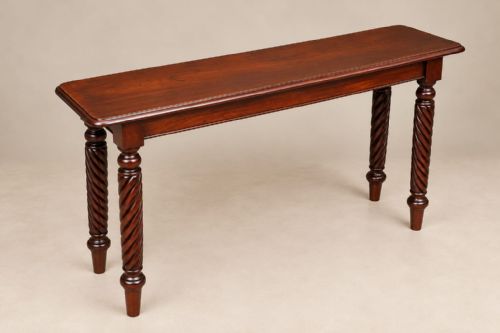
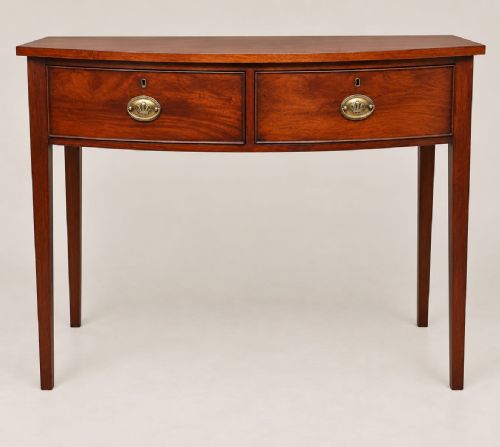
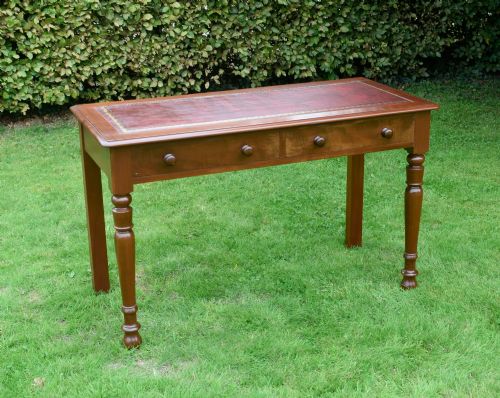
These red brown side table examples span Georgian, Victorian, and Edwardian periods, offering practical surfaces in rich timbers for everyday rooms.
Red Brown Side Table
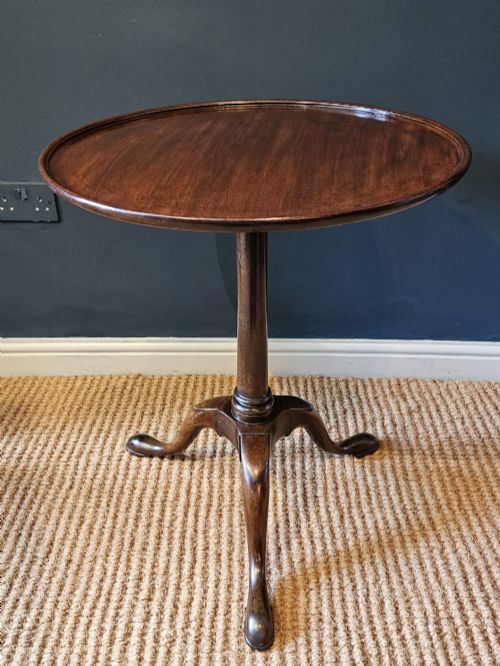
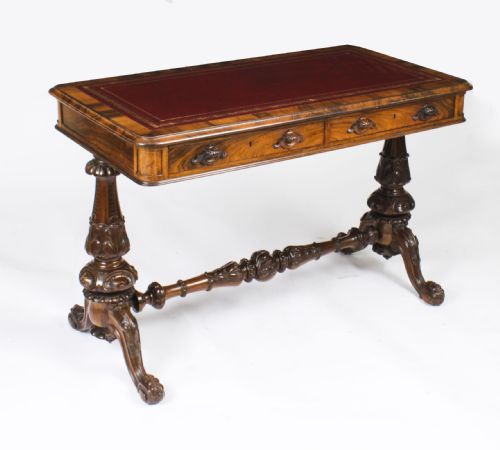
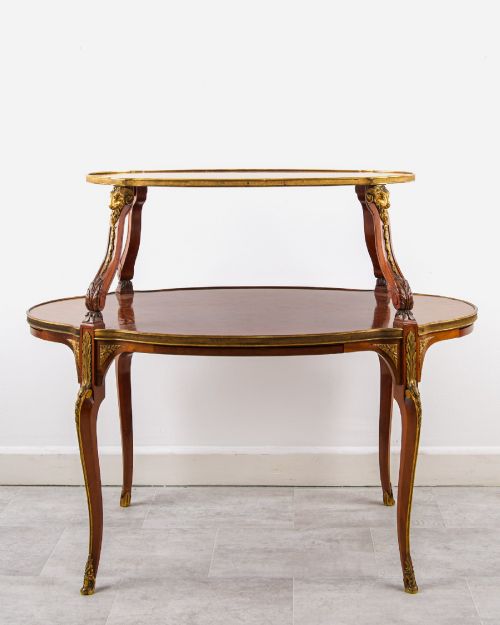
A red brown side table encompasses occasional pieces, lowboys, and writing tables built primarily in mahogany, walnut, and satinwood across the eighteenth, nineteenth, and early twentieth centuries. These furnishings range from simple single-drawer Georgian designs to serpentine étagères and inlaid Edwardian tables.
Originating across British, French, and Chinese workshops, these tables served diverse functions from writing and serving to general display. The overarching category bridges formal centre tables and compact occasional furniture designed for specific domestic corners.
Materials and construction methods
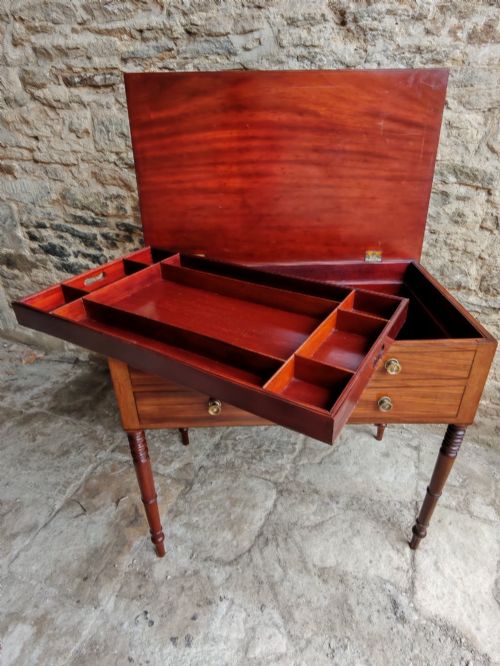
Cabinetmakers utilised solid timbers such as mahogany, oak, and walnut, frequently applying figured veneers to table tops and drawer fronts. Brass hardware, leather inserts, and ormolu mounts appear on refined writing tables and French étagères.
Joinery methods include traditional drawer dovetailing, turned pedestals, and tripod leg assemblies secured beneath snap-tops. Marquetry inlay and satinwood banding adorn later Edwardian examples, adding decorative contrast to the primary red-brown wood.
Red Brown Side Table Retail Price Guide 2026
Typical asking prices for red brown side table among the pieces listed under this phrase on Sellingantiques today, from the lower quarter to the upper quarter. They describe what is for sale here now, not the wider market.
Victorian gypsy tables brought whimsical fringed wool covers and tripod legs into modest nineteenth-century parlours.
Assessing quality in construction and timber
Quality rests upon the selection of timber figures, such as plum pudding mahogany or figured walnut, and the crispness of hand-cut details like marquetry and ormolu mounts. Superior pieces display thoughtful proportions and substantial secondary woods within drawer linings.
The integrity of structural joints, original brass handles, and undisturbed surface patination separate master-built workshop pieces from later utilitarian items. Fine tables maintain smooth drawer operations and stable tripod mechanisms without modern timber replacements.
Edwards and Roberts
The Red Brown Side Table Glossary
- Lowboy
- A small kneehole dressing table or side table typically fitted with drawers, originating in the early eighteenth century. These low pieces often rest on cabriole or straight legs.
- Étagère
- A set of open shelves or tiers used for displaying small objects or serving. Multi-tier versions often incorporate brass columns or ormolu mounts.
- Pembroke table
- A small rectangular table with hinged drop leaves on either side. It frequently includes one or more drawers and movable wooden support brackets.
- Snap top table
- A tilt-top table mechanism allowing the circular or shaped top to fold vertically when not in use. This clever design saved domestic space in period homes.
- Marquetry
- Decorative patterns formed by the insertion of contrasting veneers into a wood surface. Craftsmen utilised various stained and natural woods to create floral or geometric motifs.
Red Brown Side Table: Frequently Asked Questions
How do I date a red brown side table?
Examine the timber species, construction joints, and hardware style to determine the likely era of manufacture. Georgian pieces often display simpler linings and hand-cut dovetails, while Edwardian revivals incorporate machine precision and lighter satinwood banding.
Secondary woods inside drawers also offer clues, as oak and pine usage shifted across the eighteenth and nineteenth centuries. Comparing the patination and leg profiles against documented period examples helps confirm the age.
Where should I place an antique side table?
These compact tables fit easily into hallways, beside seating areas, or against empty wall spaces in living rooms. Their narrow depths and functional drawers make them practical for holding lamps, books, or correspondence.
Keep wooden surfaces away from direct heat sources and strong sunlight to protect the aged finish. Using coasters and gentle beeswax helps maintain the natural timber patina over years of daily use.
What is the difference between a side table and a centre table?
Side tables are generally designed to stand flush against a wall or in a corner, often featuring drawers finished only on the front. Centre tables are finished on all sides because they traditionally stood in the middle of a room.
Examining the backboards and drawer construction reveals whether a piece was meant for perimeter placement or central display. Both types utilise rich mahogany or walnut timbers but serve distinct architectural layouts.
How do I care for mahogany and walnut furniture?
Apply traditional beeswax polish sparingly and buff with a soft cloth to preserve the natural sheen of the wood. Avoid modern silicone sprays or excessive moisture, which can degrade historic finishes and veneers.
Maintain stable indoor humidity levels to prevent timber from splitting or warping over time. Regular gentle dusting keeps the intricate carvings and marquetry free from abrasive particles.