


Red Border Persian Rug
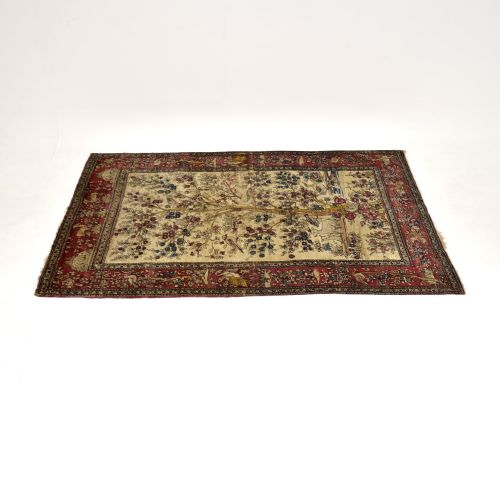
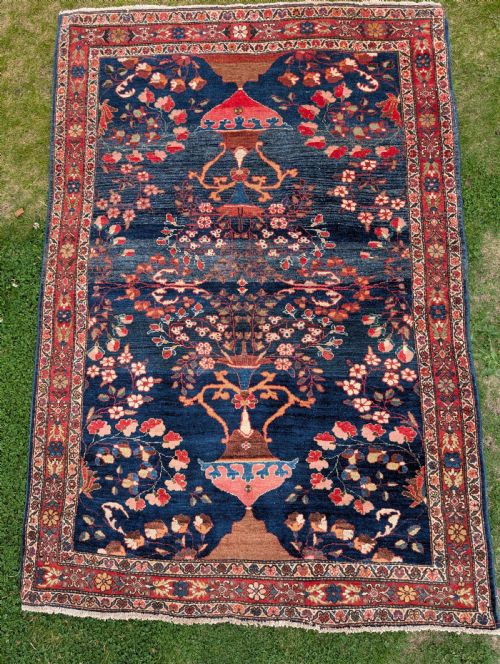
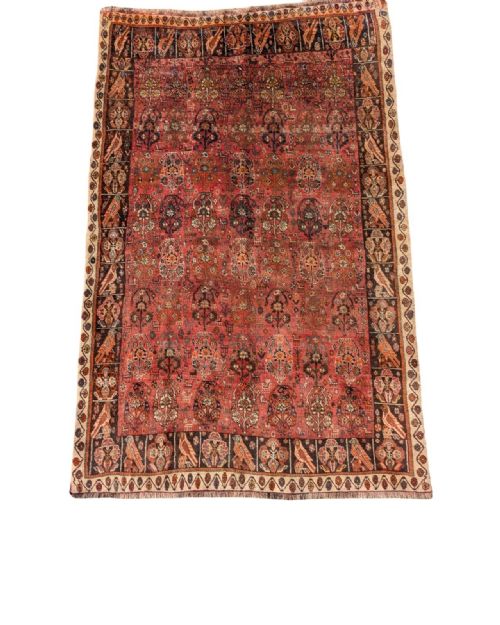
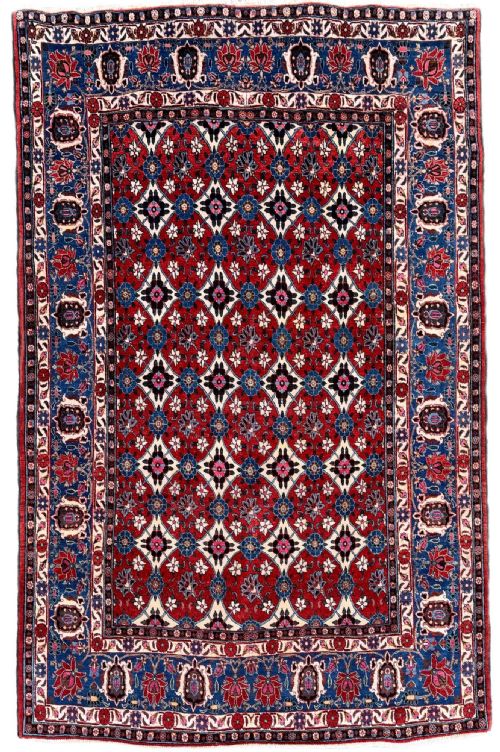
A red border persian rug grounds a room with traditional woven artistry spanning the nineteenth and early twentieth centuries.
Red Border Persian Rug
A red border persian rug encompasses hand-woven carpets and area rugs originating from Persian workshops, villages, and tribal groups. These textiles frequently emerge from traditional weaving centres such as Heriz, Kashan, Tabriz, and Isfahan, dating from the mid-nineteenth century through the early twentieth century.
Buyers encounter formats ranging from compact scatter rugs and runner rugs to massive country house carpets. The overarching design unifies diverse regional traditions through a pronounced red primary border that frames intricate central fields.
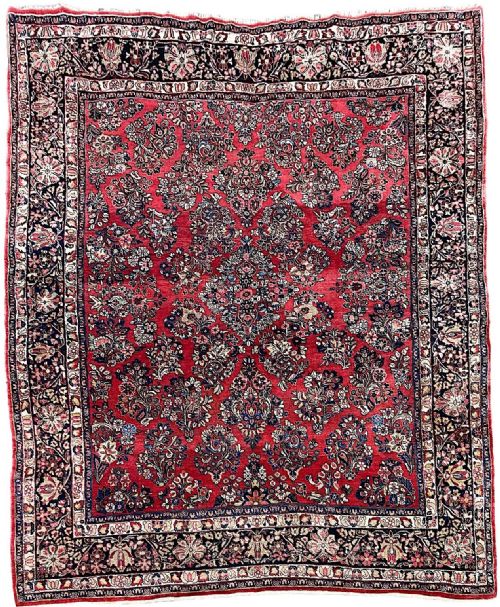
Regional variations display distinct structural traits, connecting nomadic village pieces like Kurdish runners and Khamseh tribal carpets to city-made masterpieces from Ziegler, Fereghan, and Sarouk. Each piece reflects the specific cultural geometry and palette of its origin.
Materials and Construction
Makers utilised natural materials, predominantly incorporating hand-spun wool and standard wool pile set upon cotton foundations, with occasional expressions in pure silk. These organic fibres accept traditional natural dyes that yield deep madder reds and rich secondary tones.
Weavers knotted the pile by hand onto warp and weft threads, creating dense structures designed to endure centuries of use. The integrity of the weave determines how sharply the distinctive red borders and central medallions retain their linear definition.
Red Border Persian Rug Retail Price Guide 2026
Typical asking prices for red border persian rug among the pieces listed under this phrase on Sellingantiques today, from the lower quarter to the upper quarter. They describe what is for sale here now, not the wider market.
Materials recorded across the inventory include standard wool, hand-spun wool, cotton, and silk.
Differences in Quality
Quality rests upon knot density, the precision of the weave, and the fineness of the spun wool or silk utilised across the pile. Finer examples display intricate curves and highly articulated motifs within both the central field and the framing red border.
The sophistication of the dye palette distinguishes standard production from superior pieces. Subtle tonal variations within the reds and blues indicate careful dye extraction and disciplined mordanting by the maker.
Ahmadi
The Red Border Persian Rug Glossary
- Warp
- The stationary vertical threads stretched upon a loom that form the structural skeleton of the rug. Fringe ends typically consist of these exposed threads.
- Weft
- The horizontal threads passed across the warp strands after each row of knots to bind the pile securely in place.
- Pile
- The raised, soft surface of the rug formed by the cut ends of knotted wool, cotton, or silk yarn. Height and density dictate the tactile feel underfoot.
- Medallion
- A symmetrical ornamental design centred in the middle of the rug field. It often mirrors motifs found within the surrounding corner spandrels and borders.
- Kilim
- A flat-woven carpet or rug produced without a pile by tightly interweaving warp and weft strands. These pieces offer a lighter, reversible structure.
Red Border Persian Rug: Frequently Asked Questions
How do I care for my rug?
Protect the textile by vacuuming gently without a rotating brush roll to prevent snagging the delicate wool pile. Professional cleaning by a specialist in antique oriental carpets maintains the integrity of the natural dyes.
Rotate the rug periodically to ensure even wear across traffic areas and exposure to sunlight. Placing a quality underlay beneath prevents slipping and cushions the foundation threads against hard floors.
What dates are these rugs from?
The available pieces originate primarily from the nineteenth and early twentieth centuries, spanning roughly from eighteen-fifty through nineteen-thirty. This era represents a period of traditional hand-knotting before widespread commercial chemical dyes altered palette standards.
Earlier nineteenth-century examples often exhibit deeper vegetable dye patination and looser tribal handling. Pieces from the nineteen-twenties and thirties frequently demonstrate finer city-workshop precision and structured room-size formats.
How do I identify regional designs?
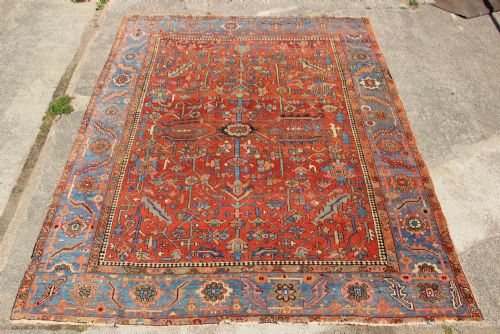
Regional styles announce themselves through distinct drawing styles, palette choices, and structural proportions. Heriz carpets typically display bold geometric medallions and heavy corner pieces anchored by strong red borders.
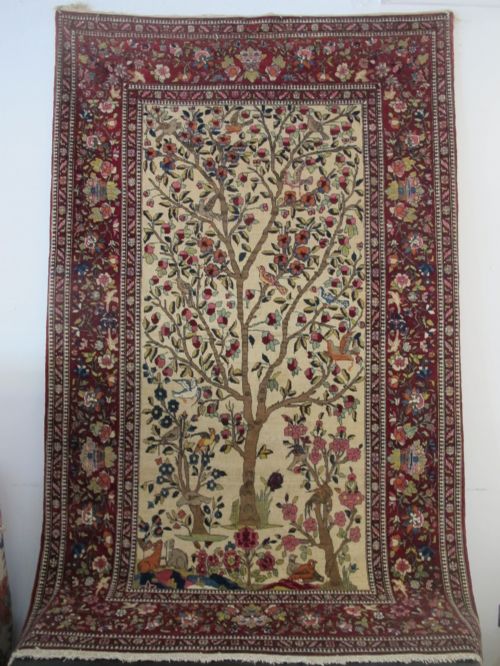
In contrast, Kashan and Isfahan productions favour curvilinear floral vines, delicate central medallions, and intricate palmettes. Tribal Baluch and Kurdish rugs utilise repeated latch-hook lattices, abrash colour shifts, and nomadic iconography.