




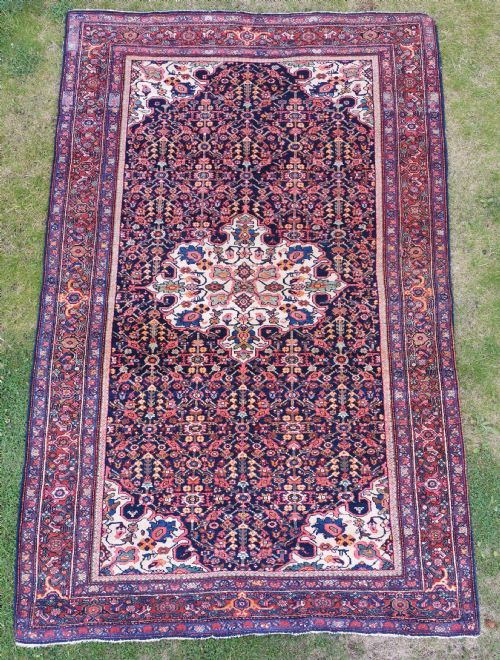
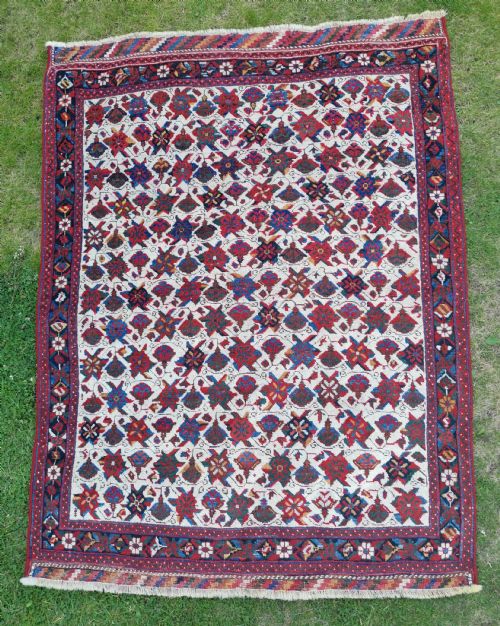
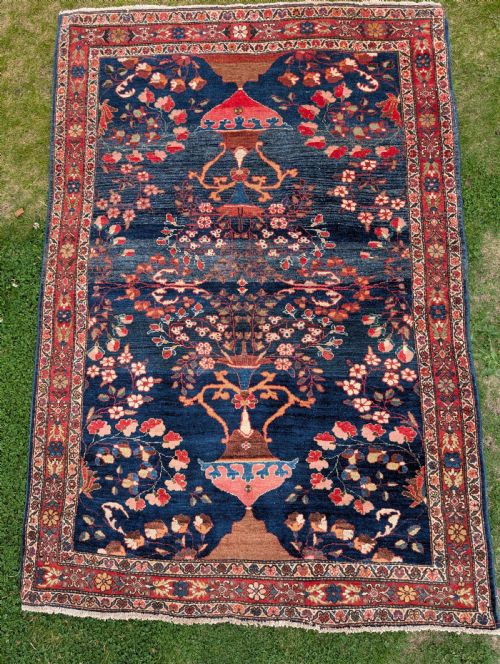
Red Blue Area Carpet
A red blue area carpet brings rich traditional colour and geometric warmth to a room, drawn from Persian and Caucasian weaving traditions.
Red Blue Area Carpet
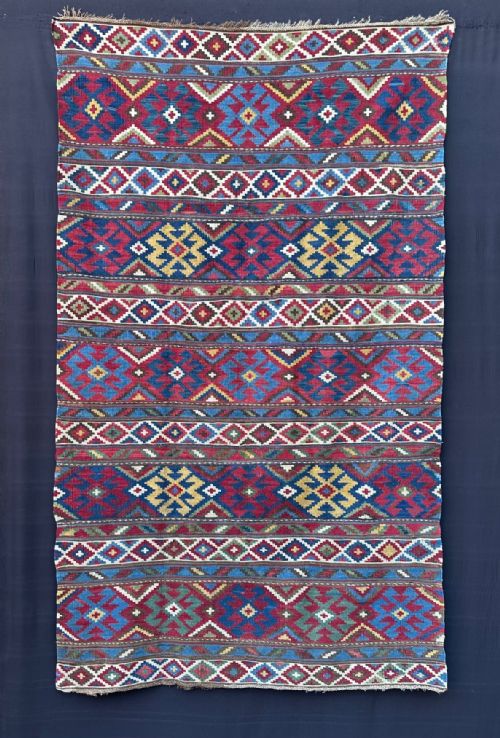
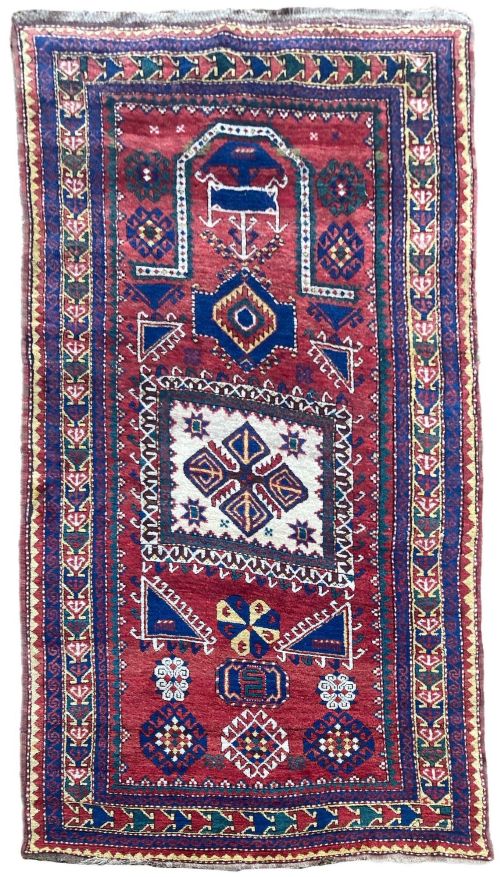
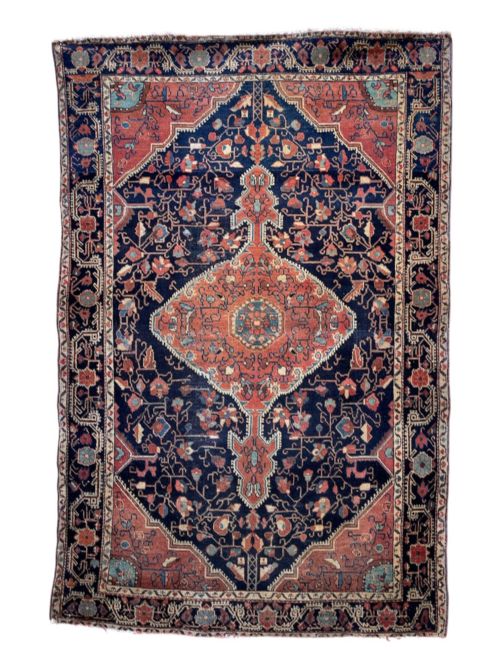
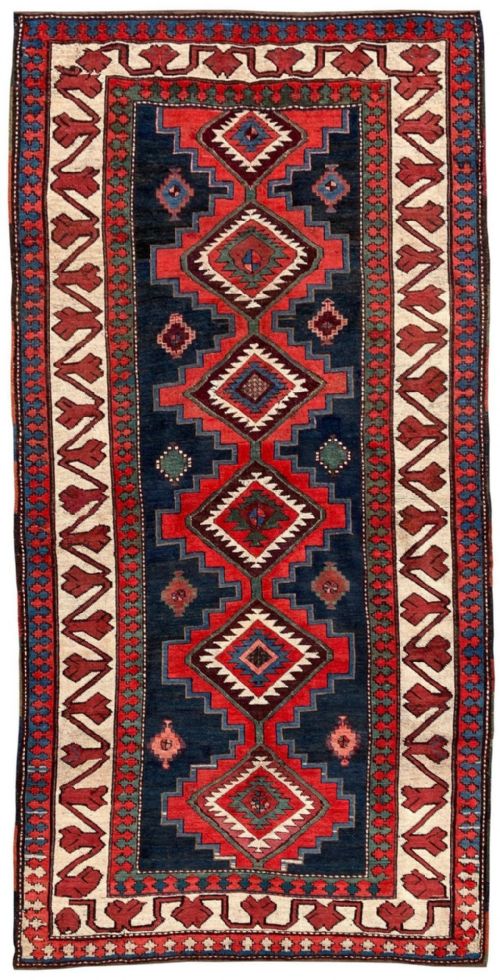
A red blue area carpet encompasses hand-woven floor coverings originating primarily from Persia and the Caucasus, spanning periods from the nineteenth century into the mid twentieth century. Buyers seeking this style will encounter various formats ranging from small prayer rugs and runners to large Heriz and Serapi carpets.
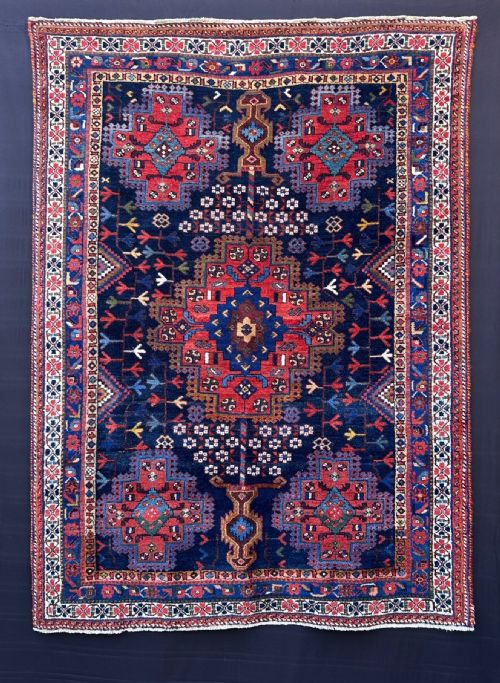
The aesthetic is rooted in traditional regional designs, featuring geometric medallions, tribal motifs, and intricate border patterns executed in striking combinations of red and blue hues. These pieces function as durable floor coverings that anchor domestic spaces with historical character and artisan craftsmanship.
Materials and construction methods
The construction relies on natural fibres, predominantly utilising wool, hand-spun wool, and cotton foundations, with occasional silk highlights woven into the pile. Weavers knotted these materials by hand onto sturdy warps to create dense, hardwearing surfaces designed for daily domestic use.
Dyes derived from natural sources provided the distinctive red and blue palettes found across Persian and Caucasian workshops. The combination of hand-spun wool and traditional knotting techniques accounts for the enduring structural integrity of these carpets.
Distinctions in quality and execution
Quality in these woven pieces depends upon the precision of the knotting, the consistency of the hand-spun wool, and the complexity of the regional design. Finer examples display greater intricacy in the geometric medallions and sharper definition within the border details.
The handling of the palette and the uniformity of the weave separate standard production items from exceptional tribal and village carpets. Superior pieces maintain structural balance across larger formats while retaining the individual character of their maker.
The Red Blue Area Carpet Glossary
- Medallion
- A central ornamental motif set in the middle of the carpet field. This design element frequently anchors the symmetrical composition of Persian and Caucasian weaves.
- Prayer rug
- A small format rug featuring a mihrab or niche design at one end. Historically utilised for individual daily prayer within Islamic traditions.
- Warp
- The vertical threads stretched tightly on the loom that form the structural foundation of the carpet. Wefts are then interwoven across these stationary threads.
- Pile
- The soft, vertical surface of the carpet created by the cut ends of knots tied to the warp. Hand-spun wool forms the primary pile material in these traditional pieces.
- Runner
- A long, narrow carpet format designed specifically for hallways, corridors, or alongside furniture. These pieces maintain the same regional decorative motifs as larger area carpets.
Red Blue Area Carpet: Frequently Asked Questions
How do I style a traditional carpet?
Place the piece centrally in a living space or dining area to let the geometric design and rich red and blue tones anchor the room's colour scheme. Pair the textile with neutral furnishings to allow the historical patterns to remain the focal point.
Ensure the rug size allows furniture legs to rest partially or fully on the border, creating a cohesive arrangement that balances the room's proportions.
What is the difference between Persian and Caucasian rugs?
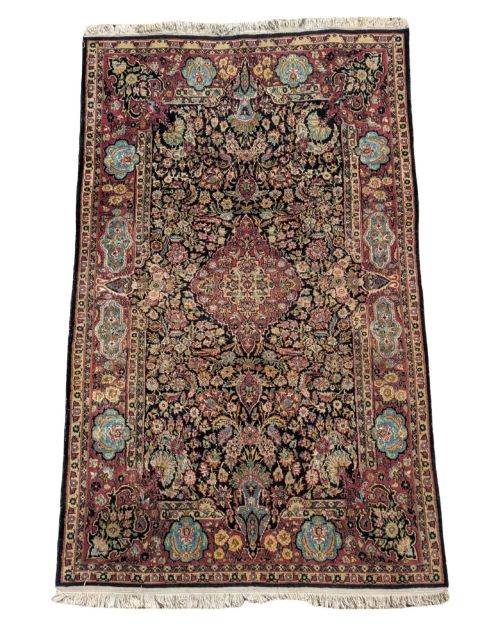
Persian carpets tend to feature intricate floral motifs, curvilinear lines, and sophisticated medallion layouts associated with established weaving centres and towns. Regional variations include Heriz, Bakhtiar, and Kashan styles.
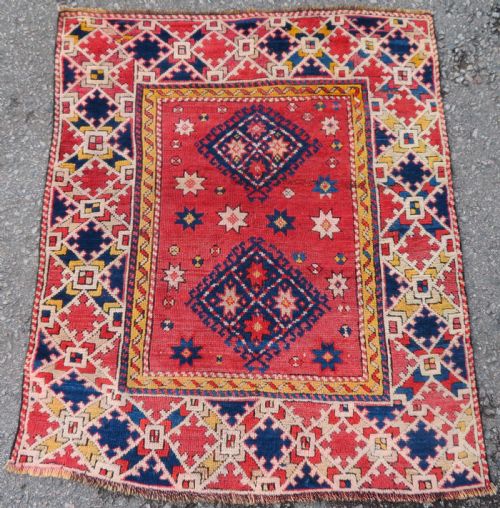
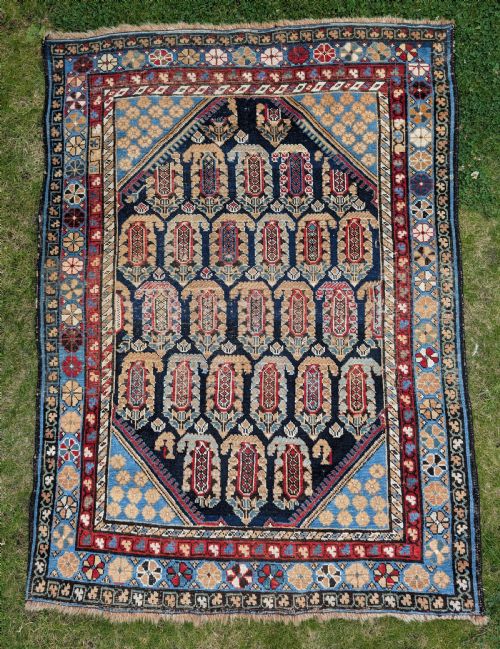
Caucasian examples lean towards bolder, highly geometric tribal patterns with starker colour contrasts. These pieces often originate from mountain regions such as Kazak and Shirvan.
How can I date an old woven carpet?
Examine the materials, edge finishes, and dye characteristics to establish a general period of origin. Hand-spun wool and natural dye palettes typically indicate production from the nineteenth or early twentieth century.
Structural irregularities and regional weaving techniques also provide clues, as does the wear pattern across the cotton or wool foundation threads.
Are these carpets suitable for heavy foot traffic?
Traditional hand-knotted wool construction provides natural resilience and durability, making many of these pieces well-equipped for everyday use. The dense pile absorbs pressure while maintaining its structural integrity over decades.
Placing a quality underlay beneath the carpet prevents sliding and reduces friction against the floorboards, helping to preserve the foundation over time.