


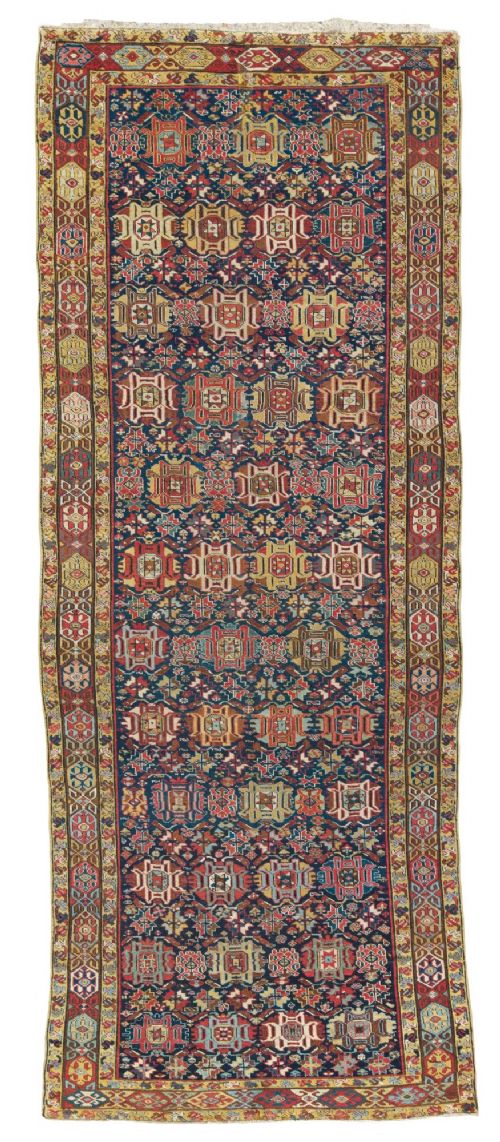
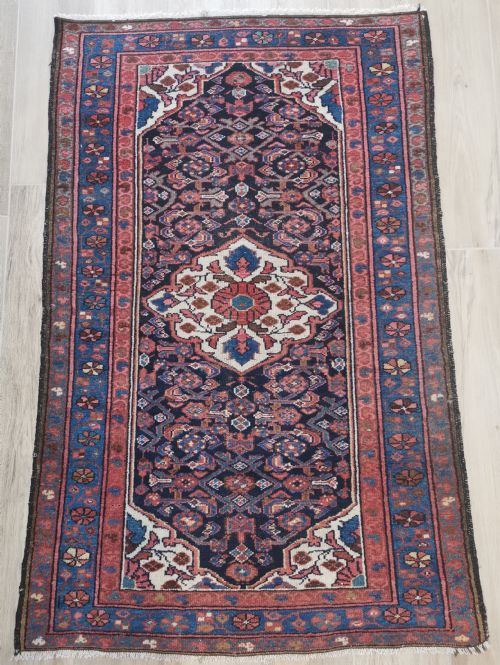
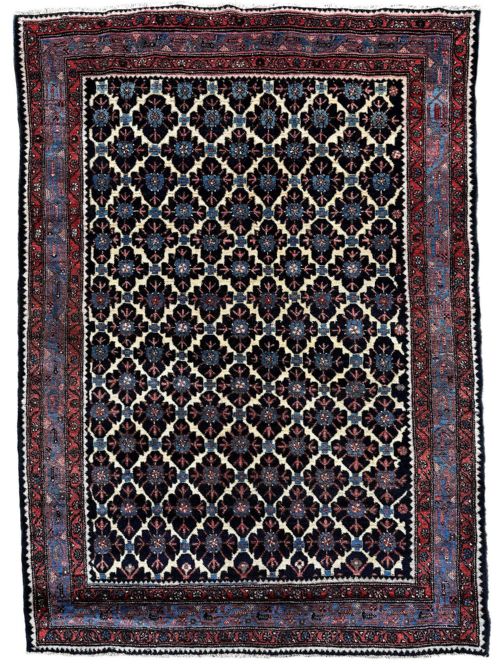
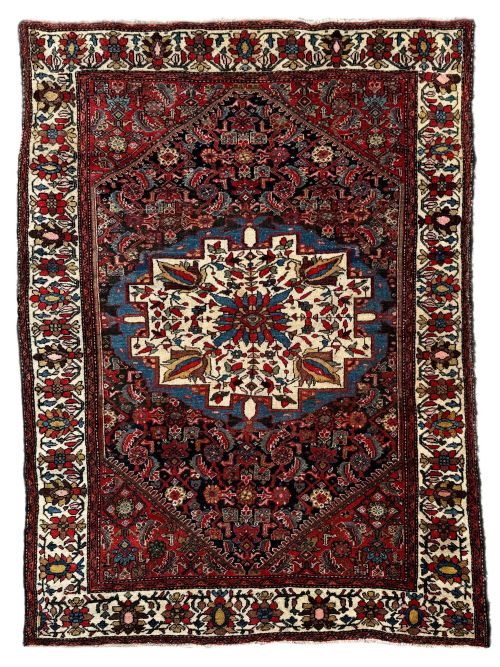
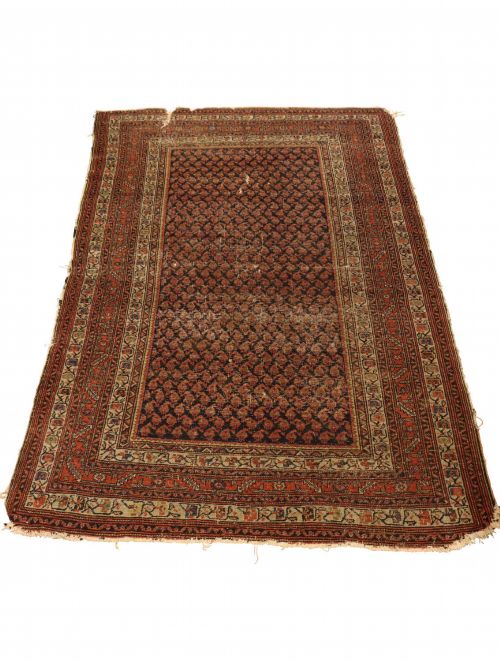
Red and Navy Runner
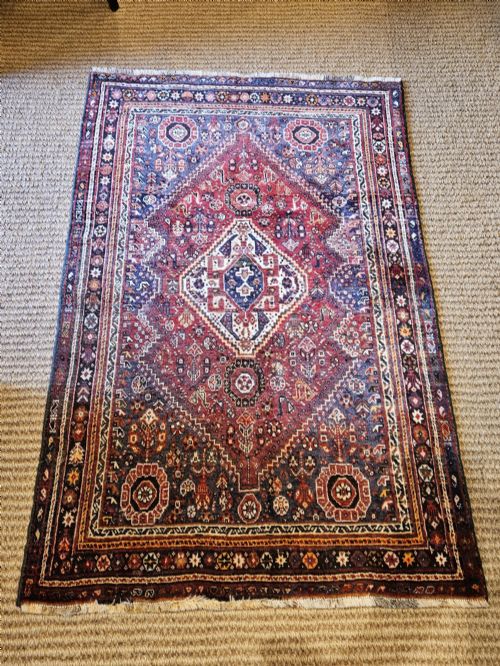
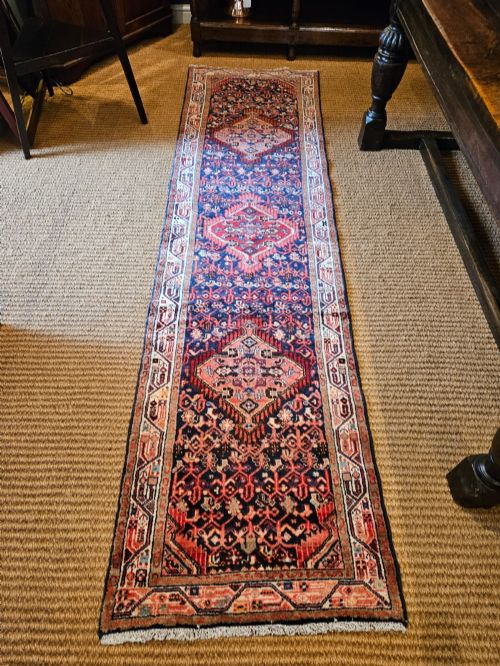
A red and navy runner brings warmth and structured geometry to a hallway, drawn from traditional Persian and tribal weaving traditions.
Red and Navy Runner
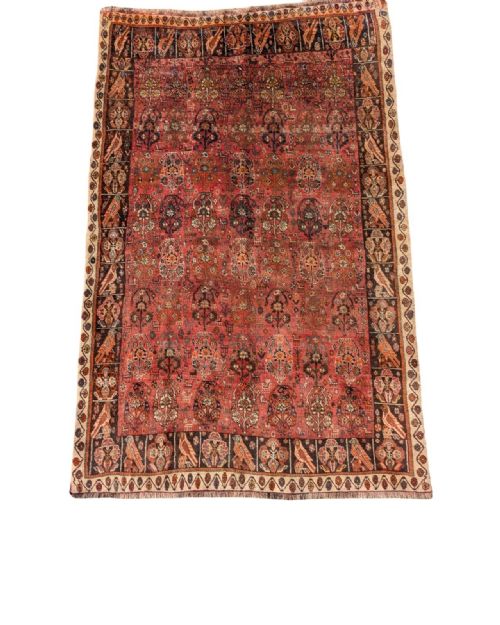
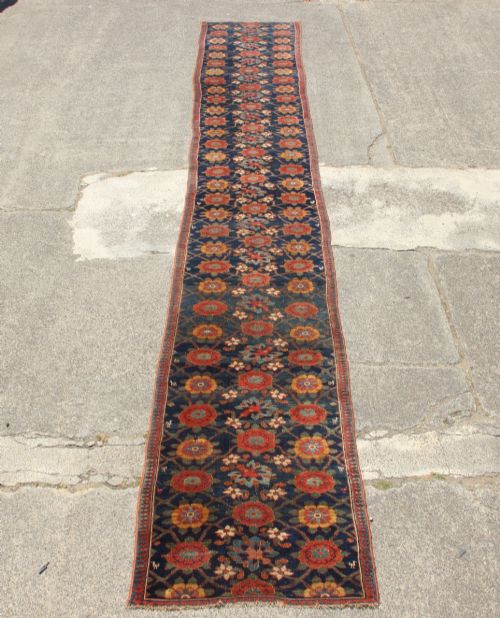
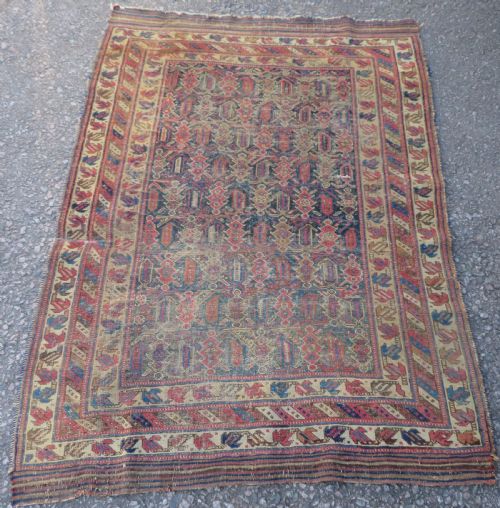
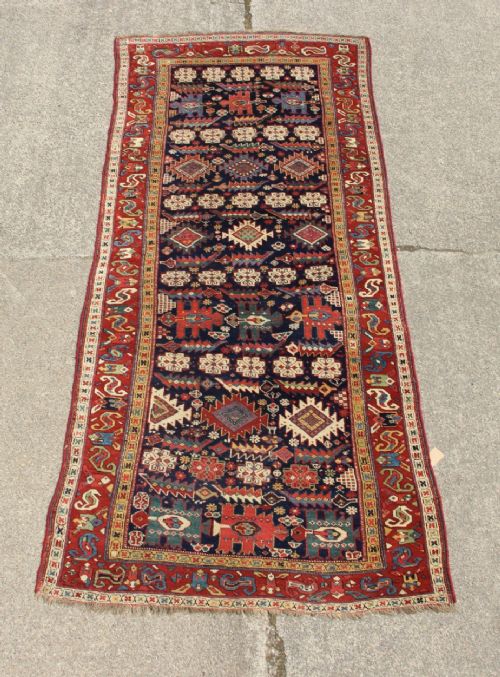
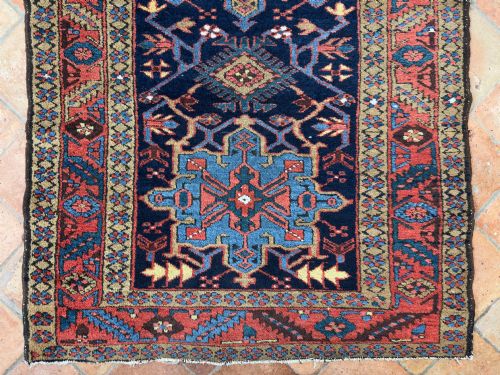
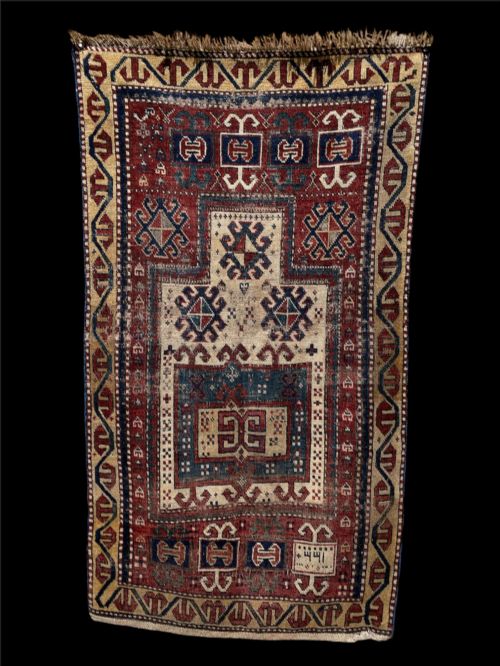
A red and navy runner typically takes the form of a long, narrow floor covering suited for corridors and passageways. These pieces originate from Persian and Caucasian village and tribal workshops, spanning periods from the late nineteenth century through to the early decades of the twentieth century.
Buyers encounter formats labelled variously as hallway runners, carpet runners, and long runners, often displaying tribal or traditional Persian designs. The common thread across these listings is the deployment of deep red and navy tones within hand-knotted structures.
Evaluating Quality
Quality rests upon knot density, the handling of wool materials, and the precision of the design execution. Tighter knots and well-prepared hand-spun wool contribute to resilience in high-traffic hallway settings.
The clarity of the motifs and the harmonious saturation of the red and navy colourways distinguish finer workshop and tribal pieces from simpler commercial outputs.
Some runners hide secret tribal geometry right under your slippers.
The Red and Navy Runner Glossary
- Runner
- A long, narrow carpet designed specifically for hallways, corridors, and stairs. These pieces guide movement through domestic spaces.
- Hand-Knotted
- A construction method where individual tufts of wool are tied by hand to the warp threads. This technique ensures durability and flexibility.
- Warp
- The vertical foundation threads stretched tightly on the loom before knotting begins. The fringe of a rug is typically formed from these extended threads.
- Weft
- The horizontal threads passed back and forth between warp threads to secure the rows of knots. They provide structural stability to the body of the runner.
- Boteh
- A stylised teardrop or almond-shaped motif incorporating a curved upper end. It appears frequently in traditional Persian textile designs.
Red and Navy Runner: Frequently Asked Questions
Where should I place a runner?
A runner is suited to narrow spaces such as hallways, corridors, and galley kitchens. They protect flooring while adding warmth and pattern to transitional areas.
Because they come in various lengths, measure your space carefully to ensure appropriate clearance at doors and thresholds.
How do I care for wool rugs?
Regular gentle vacuuming without a beater bar prevents dust accumulation within the wool pile. Address spills promptly by blotting rather than rubbing.
Professional cleaning suited for hand-knotted textiles is recommended every few years to preserve the integrity of the natural fibres.
What is tribal weaving?
Tribal weaving refers to pieces produced by nomadic or village communities rather than urban workshops. These designs often rely on memory and local tradition rather than drawn cartoons.
Such pieces frequently display geometric motifs, bold colour contrasts, and individual character in their execution.
How do I identify age?
Age is assessed through material analysis, dye characteristics, and structural wear patterns. Hand-spun wool and specific knotting techniques often point towards nineteenth or early twentieth-century production.
Minor irregularities in symmetry and width can also indicate traditional hand-production methods typical of older periods.