







Red and Blue Rug
A red and blue rug brings warmth and deep, grounding colour to a floor through centuries-old regional weaving traditions.
Red and Blue Rug
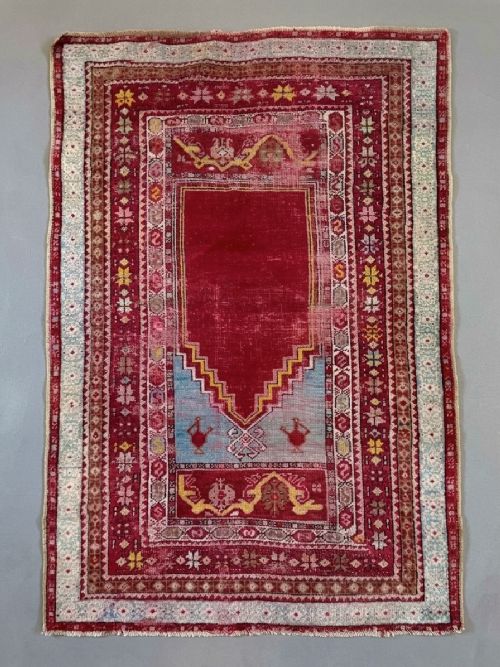
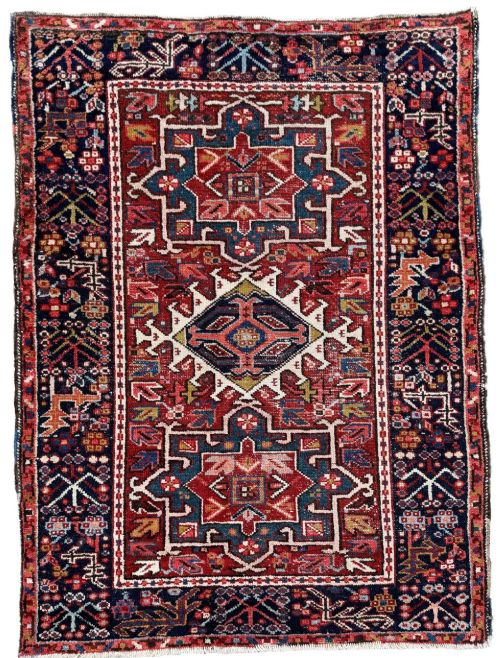
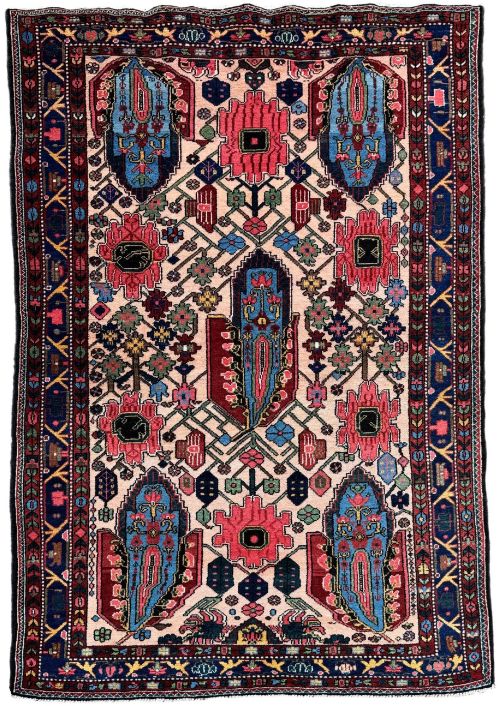
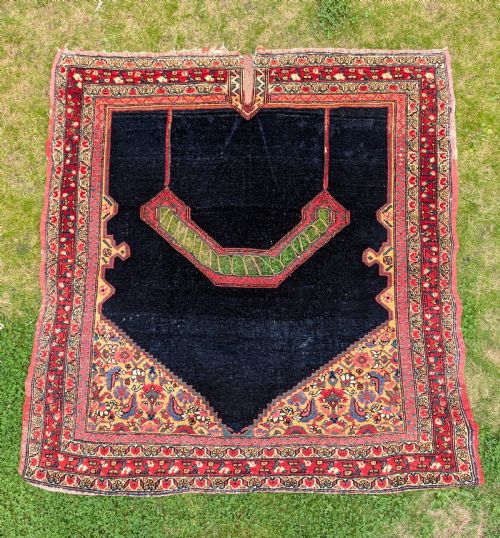
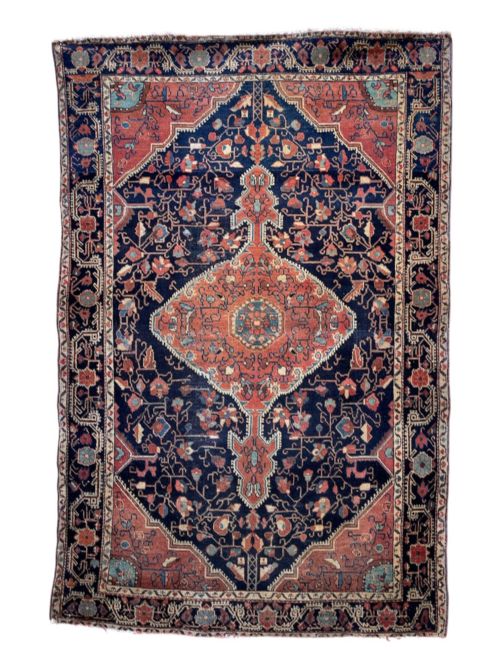
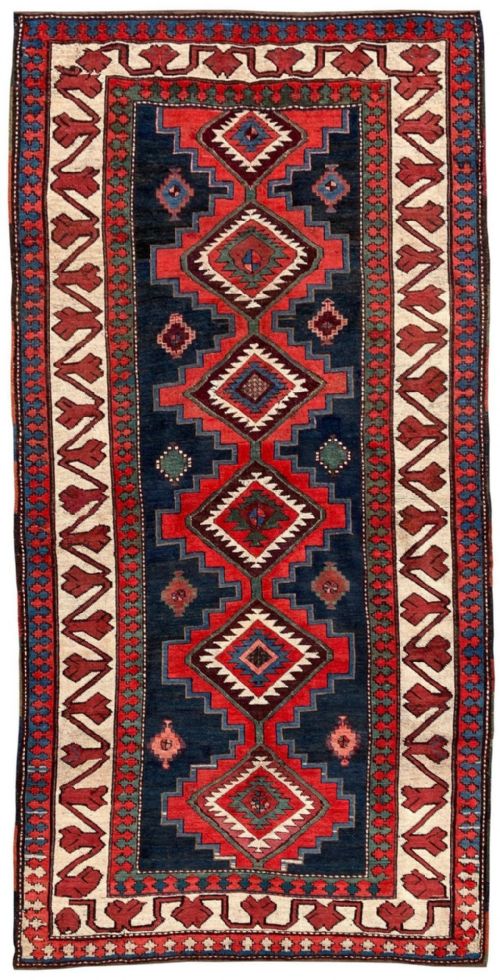
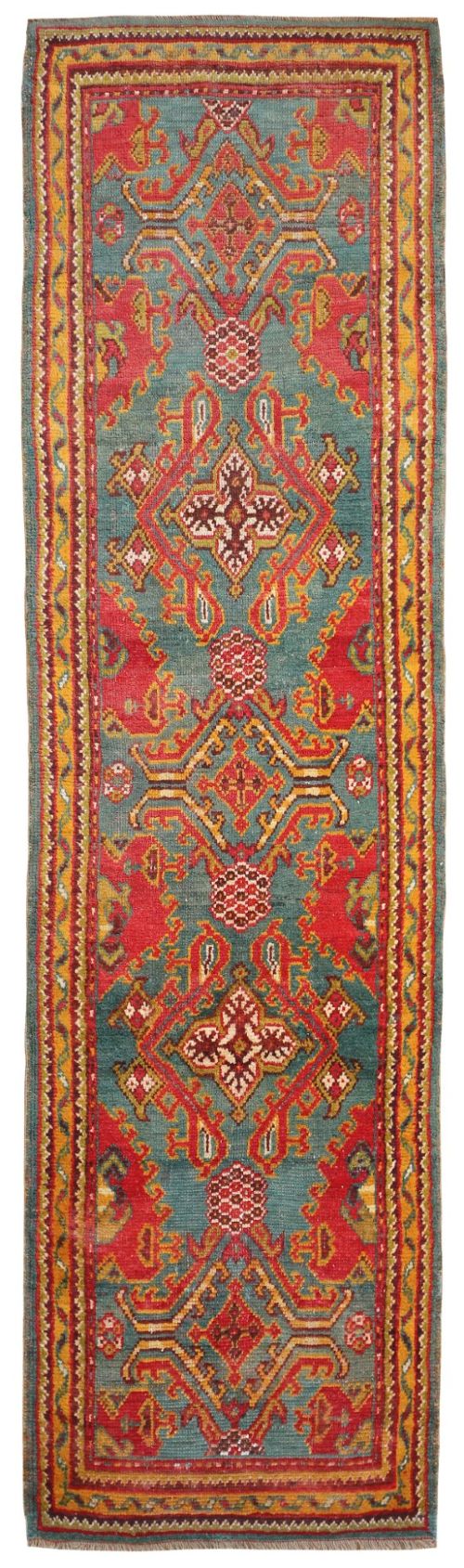
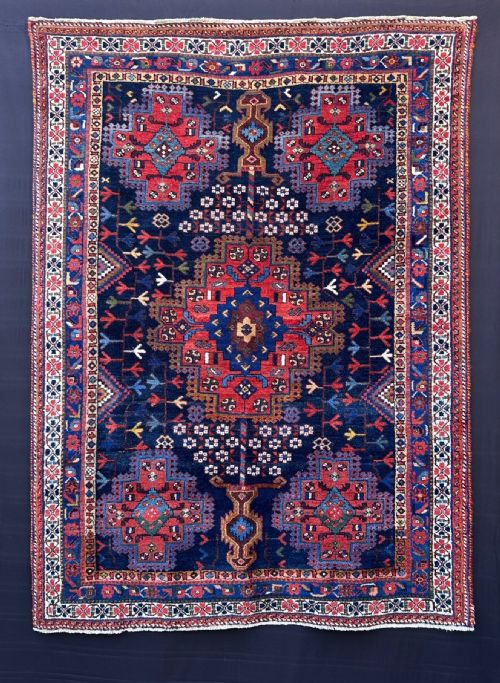
A red and blue rug search reveals hand-knotted tribal and village floor coverings originating from Persia, the Caucasus, and Anatolia. These pieces span from the nineteenth century into the mid-twentieth century, displaying varied regional geometry and botanical motifs. Buyers encounter formats ranging from small hearth-sized mats and prayer rugs to room-sized carpets and elongated runners.
Village workshops and nomadic weavers produced the majority of these textiles using traditional vertical looms. Common regional attributions include Heriz, Kazak, Bakhtiar, and Afshar, each carrying distinct local patterns. The palette relies on contrasting primary hues derived from natural dye traditions.
Materials and construction methods
Weavers constructed these textiles predominantly with wool pile on cotton or wool foundations, occasionally incorporating silk highlights for specific visual emphasis. Hand-spun wool yarns provide durability and absorb dyes with distinct tonal variation across the surface. Artisans tied individual knots by hand, securing the pile rows with dense weft compaction.
Nomadic and village groups utilised locally sheared fleece, processing and spinning the fibres manually before dyeing them. Loom structures varied from portable horizontal frames used by tribes to upright wooden frames set up in settled village workshops.
Red and Blue Rug Retail Price Guide 2026
Typical asking prices for red and blue rug among the pieces listed under this phrase on Sellingantiques today, from the lower quarter to the upper quarter. They describe what is for sale here now, not the wider market.
The listings span from the early nineteenth century through the 1960s, featuring wool, cotton, and silk materials.
Assessing craftsmanship and condition
Quality differences stem from knot density, precision of the geometric or floral layout, and the depth of the wool pile. Finer examples exhibit tighter foundation tension and greater clarity in the drawing of medallions and borders.
The integrity of the selvedges and the completeness of the original end finishes distinguish superior surviving specimens. Consistent dye saturation across the hand-spun wool fibres also marks the standard of the execution.
Khamseh Carpet·Heriz Carpet·Karaja Rug·Bakhtiar Rug·Kazak Rug·Afshar Rug·Kashan Rug
The Red and Blue Rug Glossary
- Medallion
- A central ornamental motif placed in the middle field of a carpet. This decorative element often dominates the geometric or floral composition of Persian and Caucasian weaving.
- Prayer rug
- A small textile featuring a mihrab or arch design at one end, traditionally used for individual prayer. These formats typically display specific regional iconography associated with Anatolian and Caucasian workshops.
- Runner
- An elongated narrow carpet format suited for hallways and corridors. Such pieces frequently employ repeating border patterns and lattice designs to span long distances.
- Selvedge
- The reinforced outer edge of a rug running parallel to the warp threads. Proper binding prevents the side cords from fraying and maintains the rectangular geometry.
- Warp
- The vertical foundation threads stretched lengthwise on the loom before knotting begins. Wefts are passed across these structural elements to lock the pile in place.
Red and Blue Rug: Frequently Asked Questions
How do I clean an antique rug?
Professional specialist cleaning is essential for maintaining antique wool and cotton textiles. Regular gentle vacuuming without a beater bar removes surface grit.
Water saturation and household detergents damage natural dyes and weaken hand-spun wool fibres. Consult a conservator for any deep washing or repair work.
Where were these textiles woven?
Weavers produced these pieces across Persia, the Caucasus, and Anatolia. Nomadic tribes and village workshops created distinct regional styles using locally available materials.
Towns such as Heriz, Jozan, and Ushak developed specific local patterns that help identify their geographic roots.
Are these rugs suitable for high-traffic areas?
Hand-knotted wool construction provides natural resilience against regular foot traffic. Placing a quality underlay beneath the textile prevents slipping and reduces fibre wear.
Runners and carpets from nineteenth and early twentieth-century traditions withstand everyday hallway and living space use when properly maintained.
How do I date an older rug?
Structural characteristics, dye variations, and regional weaving traits indicate the approximate production period. Hand-spun wool and specific tribal motifs often point toward nineteenth or early twentieth-century origins.
Shedding light on the age requires examining the knotting style, foundation materials, and wear patterns across the back of the piece.