


Recording Barometer Instrument
A recording barometer instrument tracks atmospheric pressure over time on a revolving drum, giving you a tangible piece of scientific history for your home.
Recording Barometer Instrument
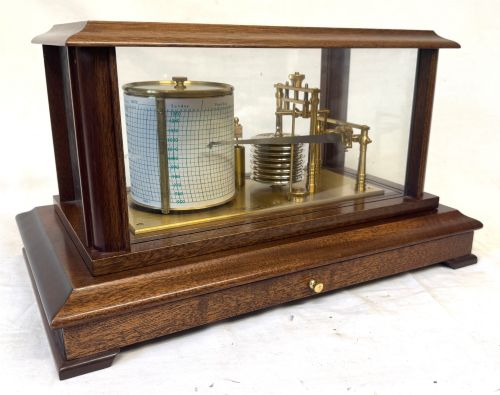
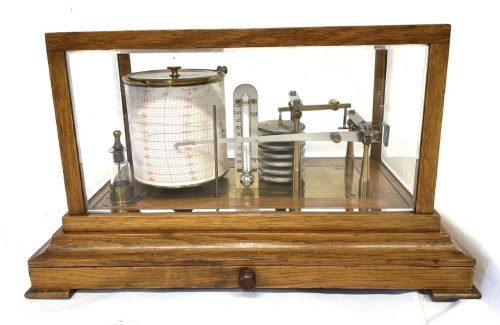
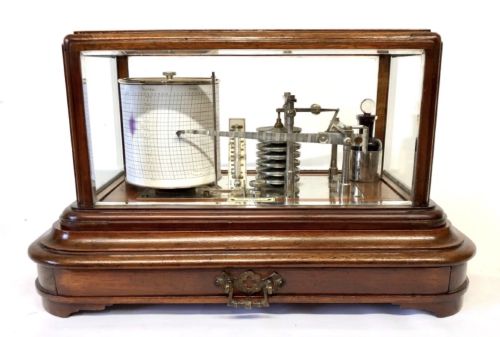
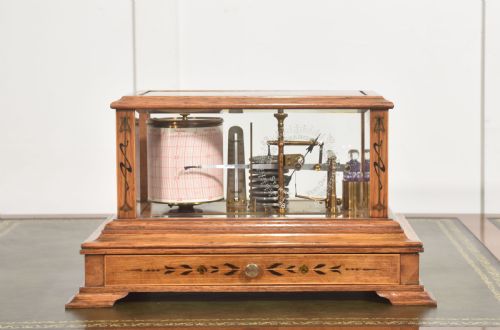
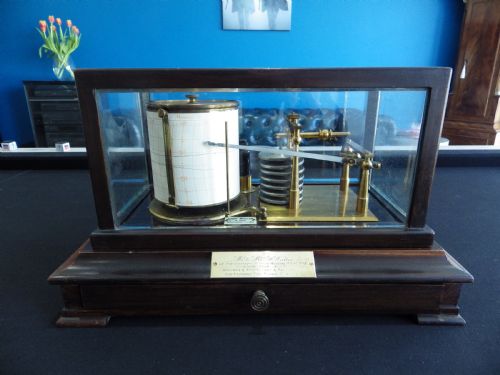
When you examine a recording barometer instrument, you are looking at a mechanical weather station designed to note pressure changes continuously onto paper charts. The most frequent versions you encounter on this page are mahogany or oak-cased barographs spanning the Victorian, Edwardian, and interwar periods.
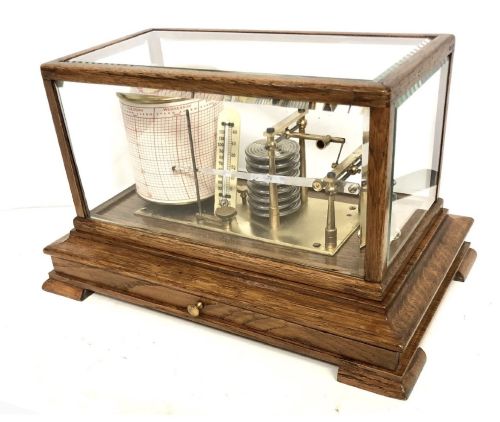
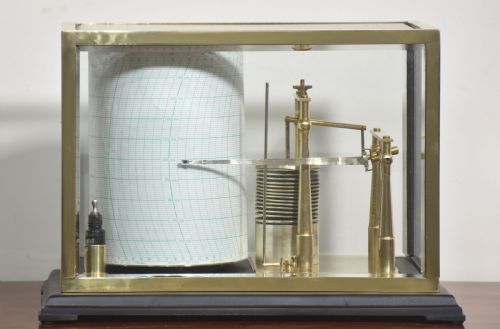
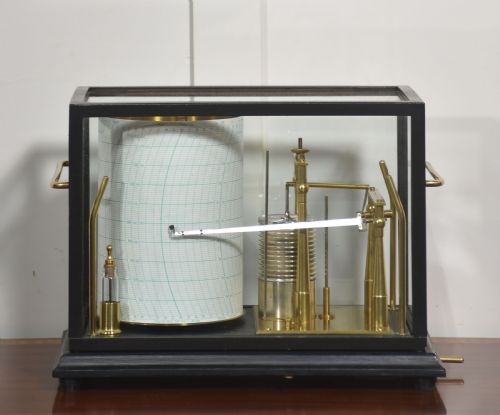
These scientific instruments often incorporate related functions such as an attached thermometer or an integrated barometer dial alongside the main drum mechanism. Makers housed them in timber cases with five glass panels to protect the delicate linkage while allowing a clear view of the arm tracing the line.
Materials and construction
Craftsmen built the enclosures primarily from solid mahogany, oak, and walnut, often applying bevelled glass to the top and sides of the five-glass cases. Brass components form the internal levers, bellows, and clockwork drums that drive the movement.
Makers integrated paper charts printed with weekly or daily grids to receive the ink trace from the recording arm. Some models include specialised decorative touches like Art Nouveau inlay set into the timber frame.
Recording Barometer Instrument Retail Price Guide 2026
Typical asking prices for recording barometer instrument among the pieces listed under this phrase on Sellingantiques today, from the lower quarter to the upper quarter. They describe what is for sale here now, not the wider market.
The selection includes specialised weather apparatus such as a tipping bucket recording rain gauge alongside standard barographs.
Quality variations
The distinction between standard and superior pieces rests on the precision of the mechanical movement and the reputation of the maker inscribed on the bedplate. Signed instruments by established scientific houses command attention for their finer tolerances and robust engineering.
Cabinetwork also dictates worth, where well-figured timber, tight mitres, and fitted chart drawers below the main mechanism indicate higher standards of manufacture. The presence of original paperwork and specific regional retailer signatures adds further substance.
Short and Mason·Negretti and Zambra·Jules Richard·R Fuess·Casella London
The Recording Barometer Instrument Glossary
- Barograph
- A recording barometer instrument that writes atmospheric pressure readings onto a revolving paper chart using an inked nib.
- Aneroid
- Containing no liquid, this describes the sealed metal vacuum boxes that expand and contract with air pressure changes.
- Chart drawer
- A shallow compartment built into the base of the timber case to store unused weekly or daily recording papers.
- Clockwork drum
- The cylindrical brass core containing a spring-driven movement that rotates the paper chart at a steady rate.
Recording Barometer Instrument: Frequently Asked Questions
How do I change the chart paper?
You lift the brass drum off its spindle, slide the old paper off the cylinder, and wrap a fresh chart around the metal surface, securing it by the designated clip.
After replacing the chart, you wind the clockwork mechanism carefully and ensure the inked nib rests lightly on the new paper grid.
Where should I place a barograph?
Position the instrument on a stable, level surface away from direct sunlight, radiators, and heavy foot traffic that could cause vibrations.
Stable placement ensures the aneroid bellows respond solely to genuine atmospheric pressure changes rather than external bumps or temperature extremes.
How do I read the paper trace?
The vertical axis on the paper chart shows pressure measurements in inches or millibars, while the horizontal lines represent the days of the week.
An upward slope of the ink line indicates rising pressure and improving weather, whereas a downward trend points towards unsettled conditions.
Did all barographs include thermometers?
Many models feature a mercury or spirit thermometer mounted on the brass bedplate alongside the main recording drum, though simpler variants omit this addition.
This extra gauge allowed observers to note temperature alongside barometric pressure on the same instrument housing.