

Queen Anne Table
A queen anne table brings classic cabriole legs and rich walnut timber into a room, offering both historic form and everyday utility.
Queen Anne Table
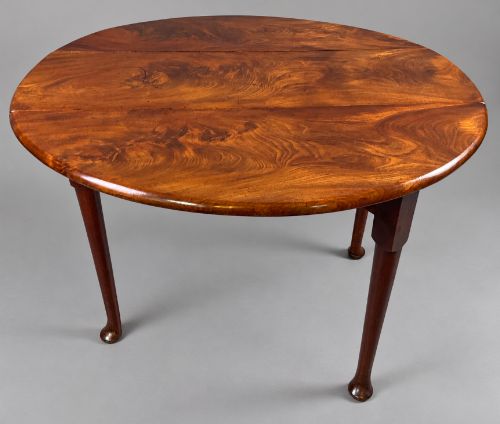
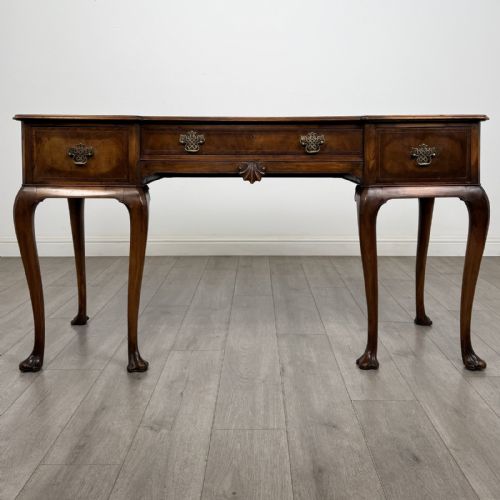
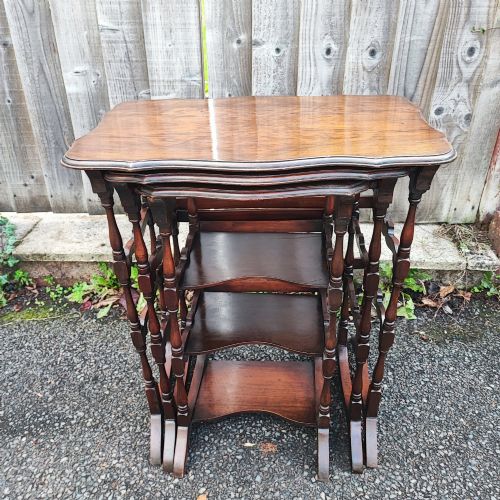
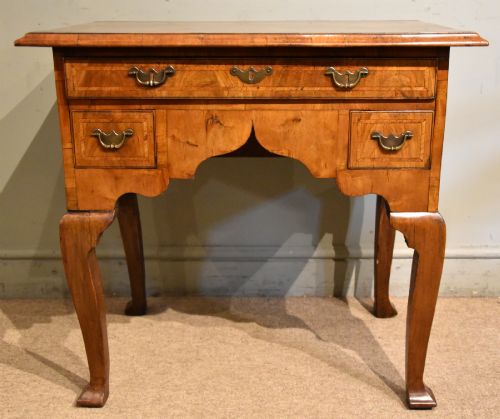
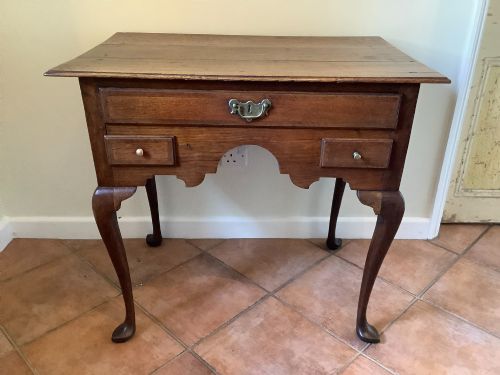
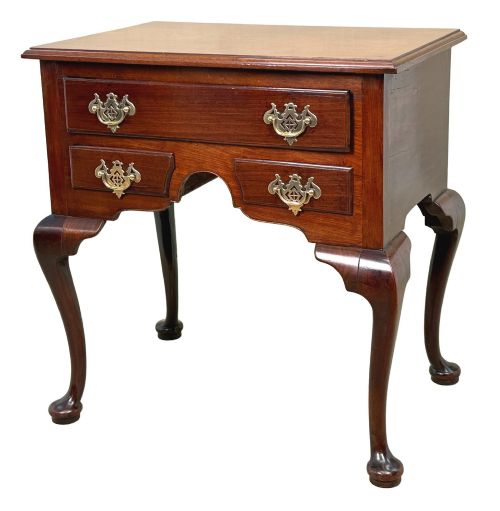
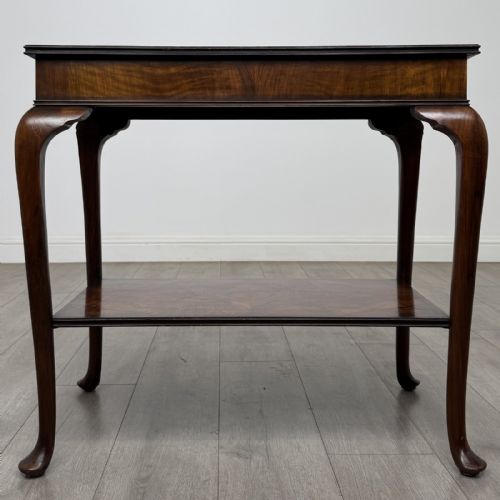
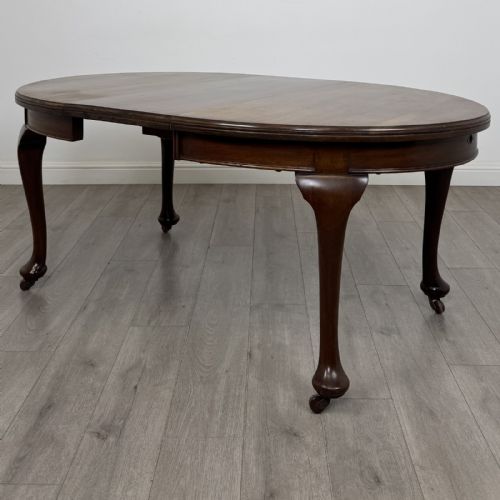
When you search for a queen anne table, you encounter a mix of genuine 18th-century pieces and later revivals from the Edwardian era and the 1920s. The selection spans side tables, lowboys, dining tables, writing desks, and coffee tables produced across several centuries.
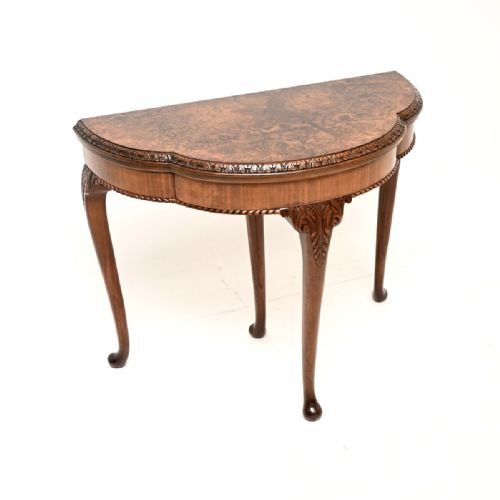
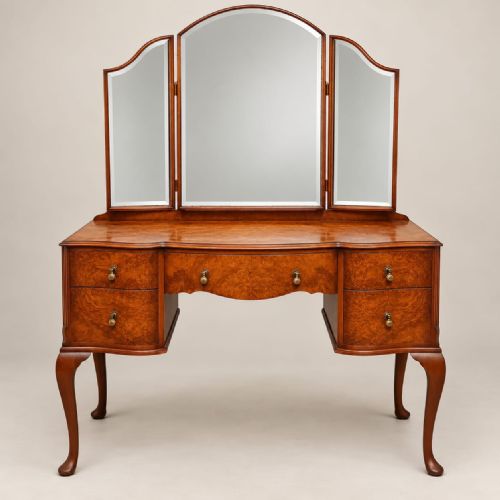
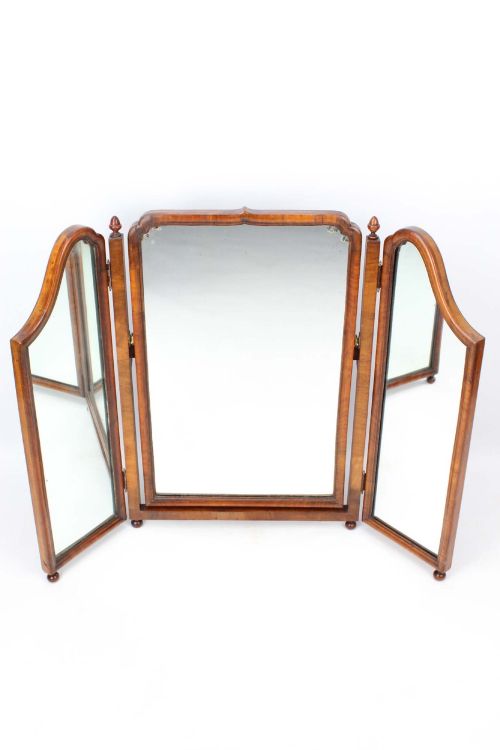
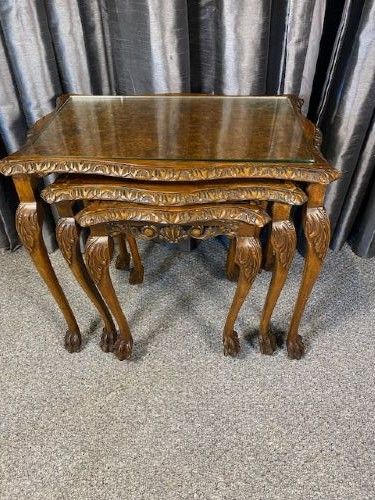
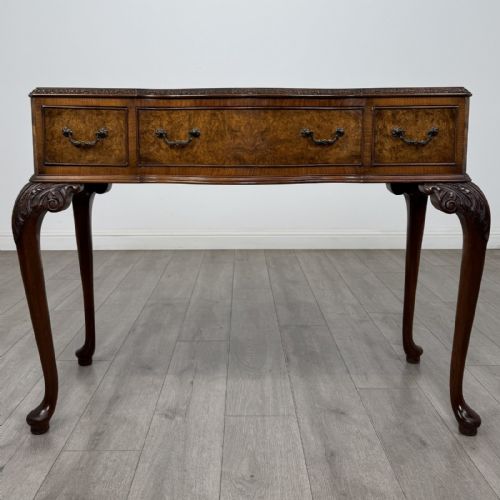
The version you are most likely to meet on this page is a 1920s revival piece made from burr walnut, often featuring the characteristic double curve of cabriole legs. These later interpretations capture the silhouette of the original period while serving modern domestic functions.
Earlier examples from the 18th century appear alongside Victorian and Edwardian adaptations, showing how the aesthetic evolved from British Baroque origins into lighter domestic forms. Oak and mahogany also appear among the walnut, broadening the range of timbers available.
How they were made
Makers utilised solid timbers alongside figured veneers, selecting burr walnut and oak to build the structural frames and decorative surfaces. Cabinetmakers shaped the wood by hand, applying traditional joinery methods suited to the demands of each form.
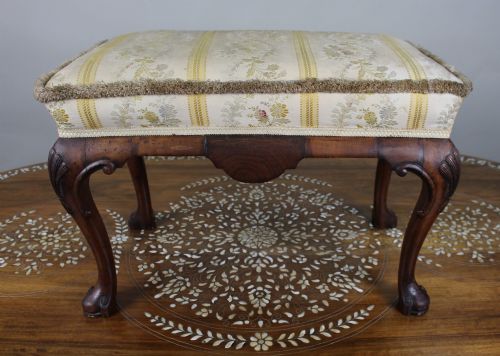
Cabriole legs are shaped with an outward curve at the knee and a tapering inward curve at the ankle, frequently terminating in pad or claw and foot designs. Carved details remain restrained, relying instead on the natural grain patterns of walnut and mahogany to provide visual depth.
Queen Anne Table Retail Price Guide 2026
Typical asking prices for queen anne table among the pieces listed under this phrase on Sellingantiques today, from the lower quarter to the upper quarter. They describe what is for sale here now, not the wider market.
A portrait of Lady Elizabeth Shirley sits near a marble table, recording how these surfaces appeared in elite homes.
What varies in quality
The grade of the timber sets the baseline, with highly figured burr walnut and dense early oak representing the more desirable end of the scale. Plain grain and later secondary timbers indicate simpler production.
Proportion and the execution of the cabriole leg define the visual success of the piece, as finely balanced curves create a sense of lightness that clumsy shaping destroys.
The Queen Anne Table Glossary
- Cabriole leg
- A furniture leg shaped with two curves, swelling outward at the knee and tapering inward toward the foot. This form derives from animal limbs and defines much of the furniture from this period.
- Lowboy
- A small oak or walnut table with drawers, resembling the lower section of a tallboy chest. It typically functions as a dressing table or side table.
- Burr walnut
- Wood taken from a walnut tree growth or burl, yielding intricate, swirling grain patterns. Cabinetmakers apply it as a veneer to give surfaces rich texture.
- Gateleg table
- A drop-leaf table supported by hinged legs that swing out like a gate to hold the leaves. This construction allows the table to expand or fold down.
- Serpentine
- A front edge shaped in a double curve, sweeping inward at the centre and outward at the sides. This technique demands precise woodworking skill.
Queen Anne Table: Frequently Asked Questions
What is a lowboy used for?
A lowboy functions primarily as a compact side table, dressing table, or writing desk. Its compact footprint and drawer configuration make it useful in hallways, bedrooms, or living spaces.
Historically placed in bedrooms for grooming, these tables adapt well to modern rooms as decorative accent surfaces or small desks.
Are these tables made of solid walnut?
Most walnut tables from the revival period utilise oak or pine as a secondary structural wood with decorative walnut veneers applied over the top. This technique displays the figured grain on flat surfaces while maintaining stability.
Earlier 18th-century pieces more frequently employ solid oak or walnut construction, reflecting the timber availability and workshop practices of the period.
How do I care for a walnut table?
Protect the surface from direct sunlight, excessive heat, and moisture to preserve the timber and veneer. Regular dusting with a dry, soft cloth maintains the finish without stripping the polish.
Applying a traditional beeswax periodically nourishes the wood and enhances the natural grain patterns found in walnut and oak.