



Queen Anne Style Commode
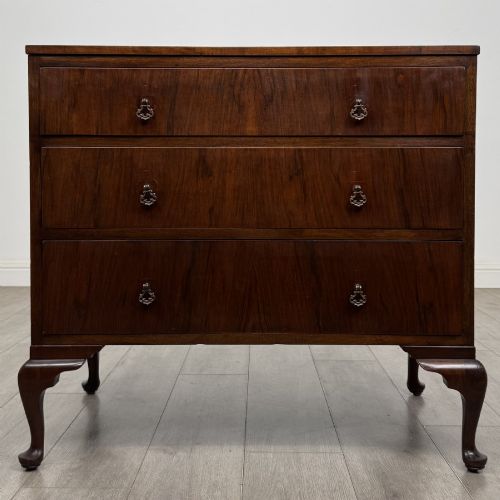
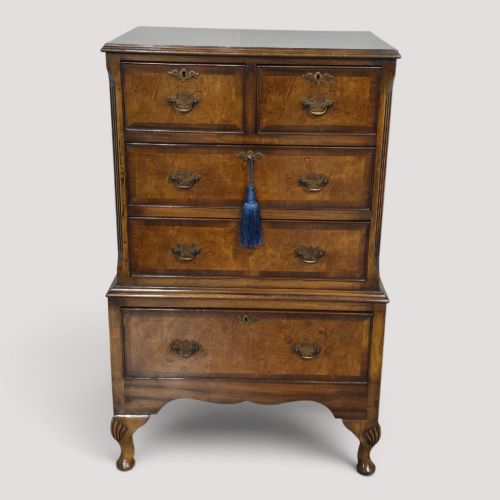
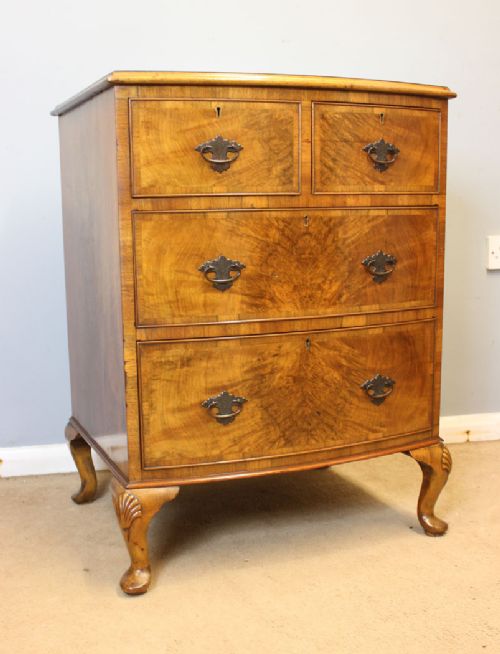
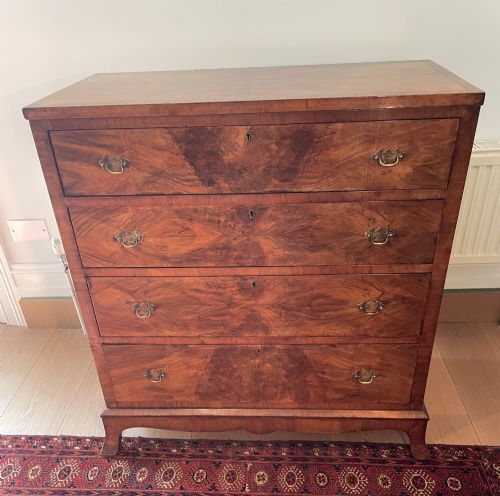
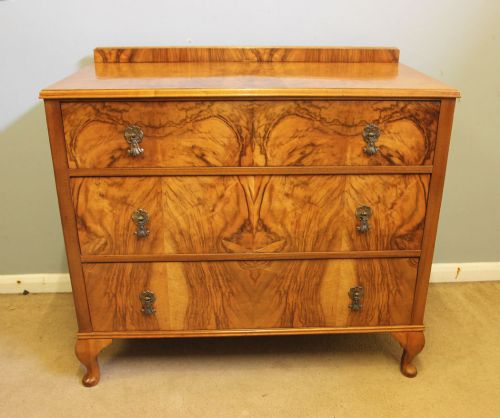
These pieces known as a queen anne style commode bring rich walnut timber and graceful cabriole legs directly into a traditional interior.
Queen Anne Style Commode
The objects span varied eras including the eighteenth century up through George V and later revival decades. Cabinet forms range from standard chests of four drawers to tall chests and side cabinets designed for domestic storage.
Materials and Construction
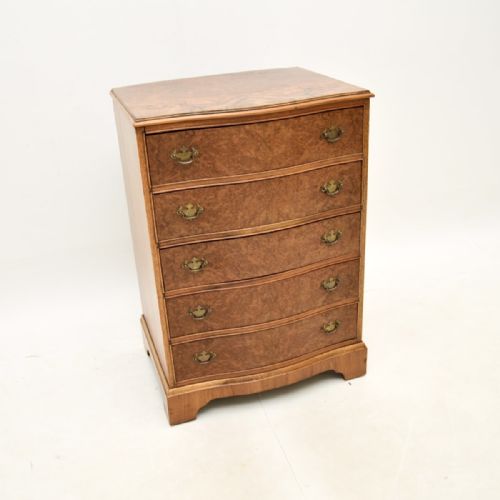
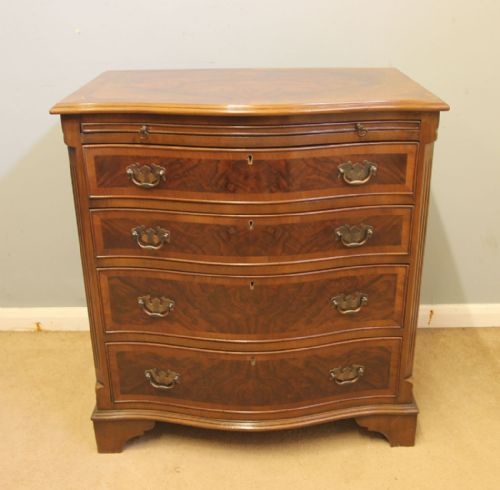
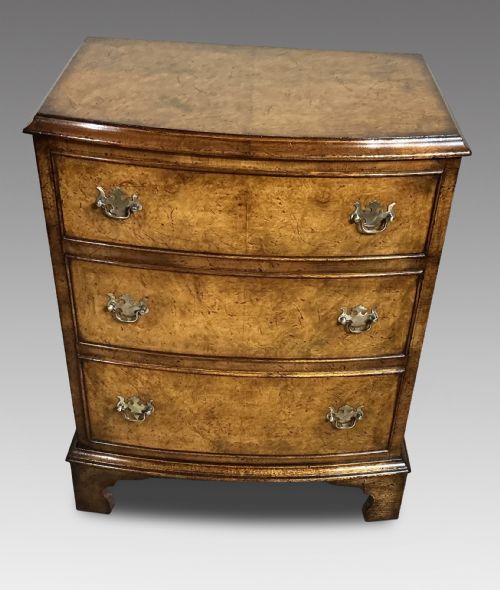
These pieces rely heavily on walnut, burr walnut, and figured walnut veneers applied over solid carcases of oak or mahogany. Brass hardware such as handles and escutcheons completes the construction details.
Cabinetmakers utilised skilled veneering techniques to display the natural grain patterns of the timber across drawer fronts and top surfaces. Structural support often rests on characteristic cabriole legs.
Queen Anne Style Commode Retail Price Guide 2026
Typical asking prices for queen anne style commode among the pieces listed under this phrase on Sellingantiques today, from the lower quarter to the upper quarter. They describe what is for sale here now, not the wider market.
Listings show these pieces span walnut, burr walnut, mahogany, and oak materials across multiple periods from the eighteenth century to the twentieth century.
Determining Quality
Quality separates pieces by the selection of the walnut timber veneer, where dramatic burr or figured patterns command greater visual presence. Finer examples display meticulous grain matching across multiple drawer fronts and balanced proportions.
The execution of the cabinetwork and the refinement of the leg shaping differentiate standard production from superior craftsmanship. The choice of secondary woods and the quality of the brass fittings also indicate the tier of the piece.
Whytock & Reid·Maple & Co
The Queen Anne Style Commode Glossary
- Cabriole leg
- A furniture leg that curves out and then tapers inward, mimicking an animal's leg in motion. This form is central to the aesthetic of these pieces.
- Burr walnut
- Timber taken from a growth on a walnut tree, yielding intricate and swirling grain patterns. It is frequently utilised for decorative veneer surfaces.
- Serpentine
- A furniture front shape curving outward at the ends and inward in the centre. This profile adds movement and complexity to the cabinet design.
- Block front
- A cabinet front divided vertically into three sections, with the outer sections projecting and the central section recessed. This treatment provides strong architectural relief.
Queen Anne Style Commode: Frequently Asked Questions
What distinguishes these chests?
These pieces are defined by their walnut construction and specific revival periods reaching from the nineteenth century into the twentieth century. They offer functional storage through varied drawer and cupboard formats.
Design elements like cabriole legs and decorative veneers connect these items directly to earlier historical aesthetics while serving modern domestic needs.
How were they used?
Historically, these cabinets served as primary storage furniture for clothing and personal items within domestic bedchambers and living spaces. Their surface tops also provided a display area for decorative objects.
Side cupboards and chests functioned as practical storage solutions across various rooms of the house.
How do I live with them?
Placing these walnut cabinets in a room requires balancing their rich timber tones with surrounding light and interior finishes. They function effectively as focal points in hallways, bedrooms, or reception spaces.
Regular care involves protecting the polished wood surfaces from excessive moisture and direct sunlight.
How to tell periods apart?
Distinguishing between eighteenth century originals and later nineteenth or twentieth century revivals depends on examining construction methods, timber preparation, and hardware fixings. Revival pieces often display machine-assisted elements alongside traditional hand-cut joints.
Evaluating the specific style indicators, such as George V characteristics or Georgian revival traits, helps narrow down the decade of manufacture.