



Antique Wooden Bureau Drawers
When you search for antique wooden bureau drawers, you find practical storage and writing furniture shaped by centuries of cabinet making.
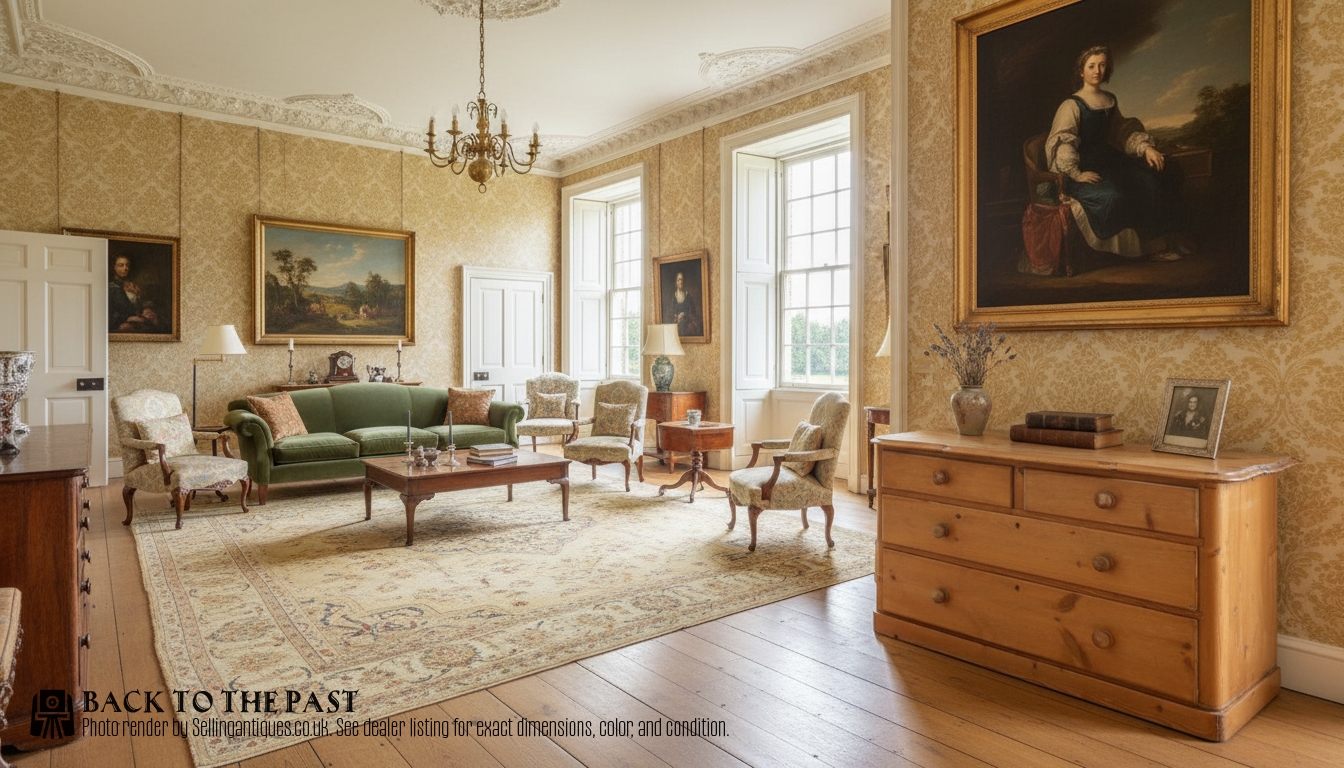
Antique Wooden Bureau Drawers
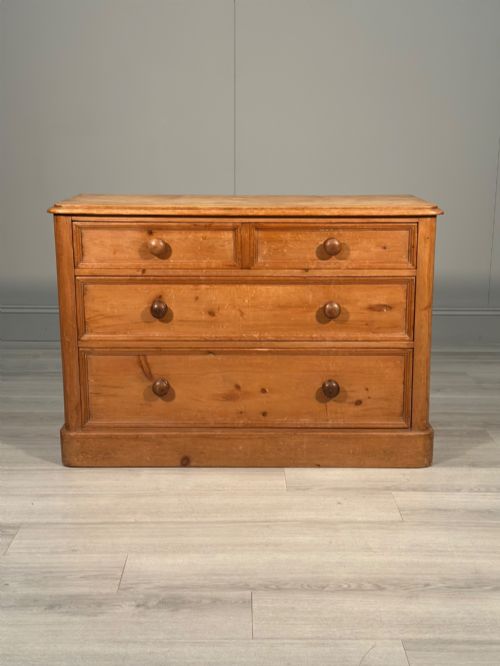
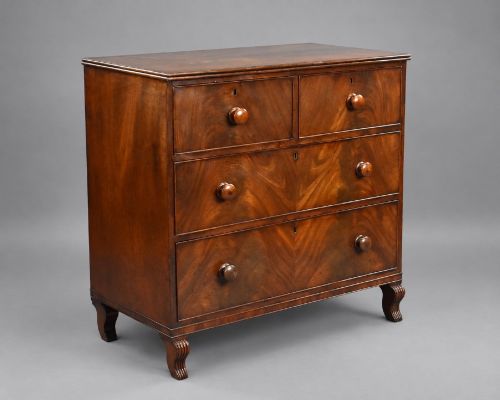
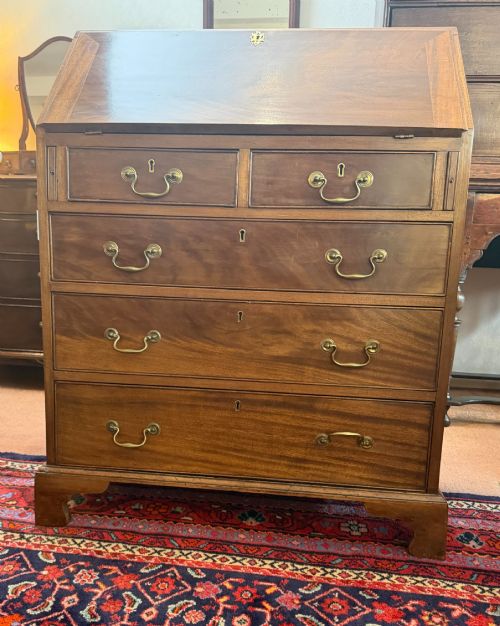
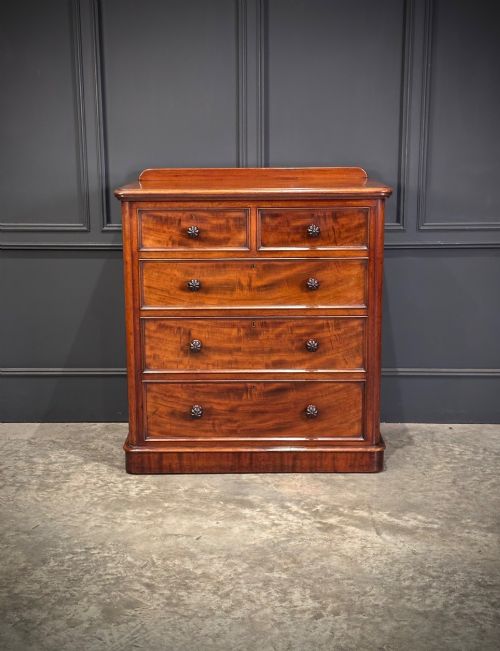
Antique wooden bureau drawers encompass chests of drawers, bureaux, bureau bookcases, and writing desks originating from periods such as the Georgian, Regency, and Victorian eras. These forms combine compartments for storage with surfaces or fall fronts designed for writing.
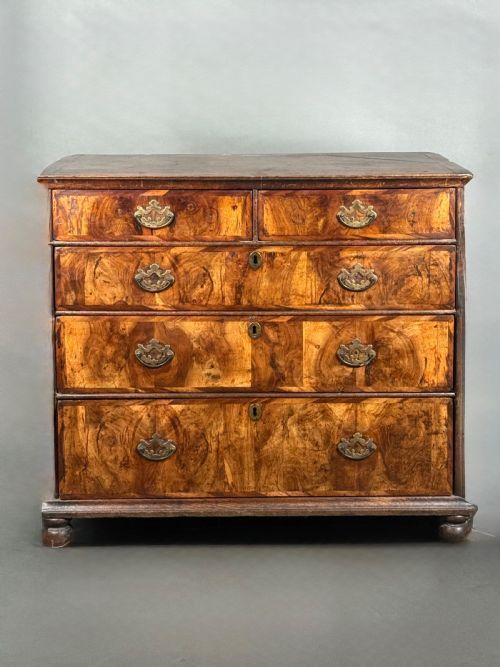
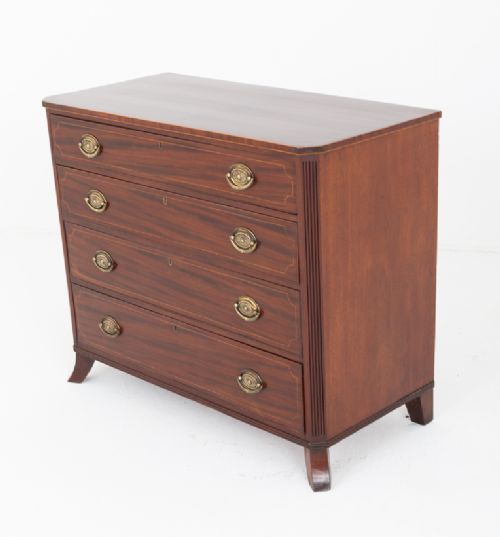
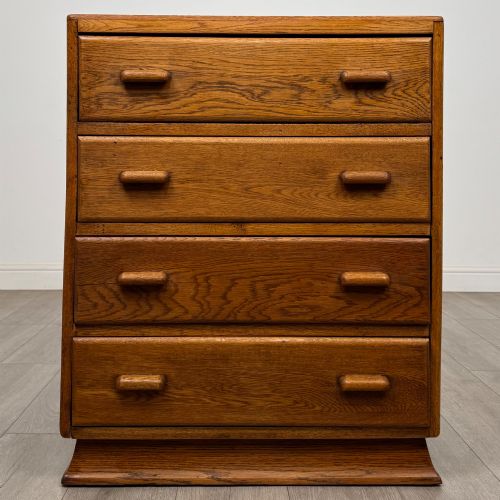
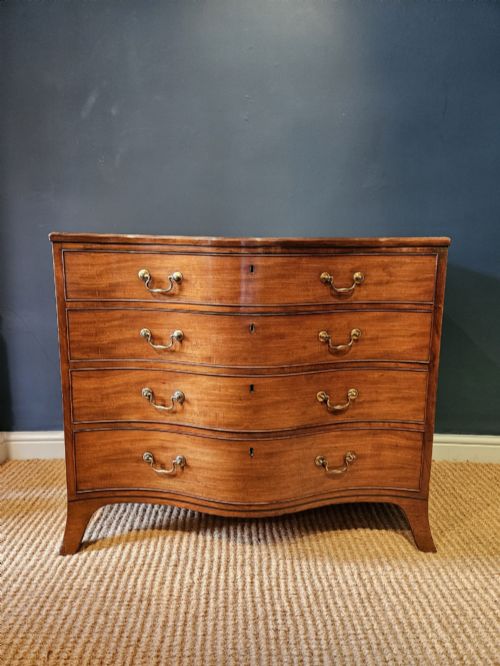
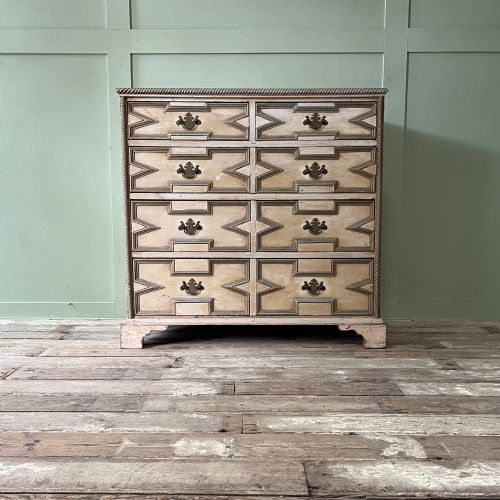
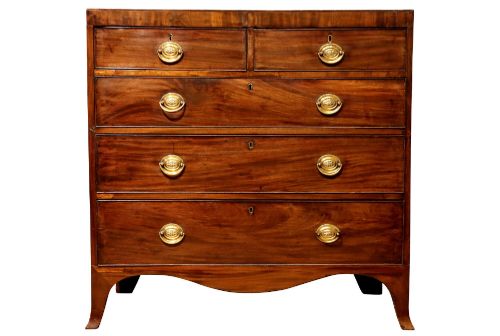
The pieces most frequently met on this page are mahogany and oak chests of drawers alongside walnut bureaux. They span diverse regional aesthetics from early eighteenth century geometric moulded designs to Edwardian painted pieces.
Each format serves a dual domestic purpose, dividing clothes storage and correspondence. The survival of these varied domestic objects demonstrates the enduring utility of traditional cabinet work.
How they were made
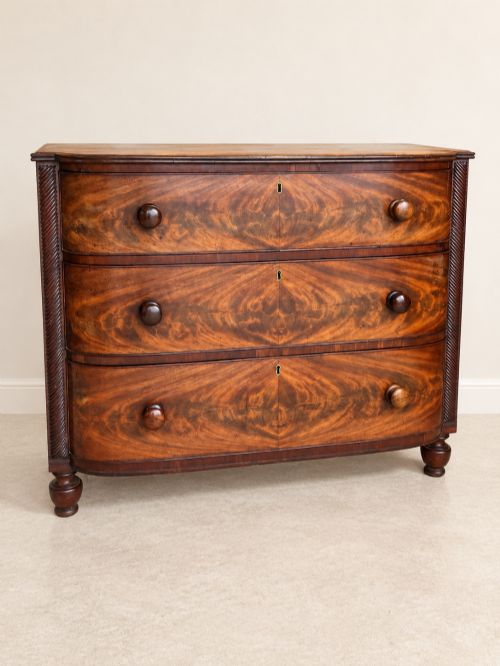
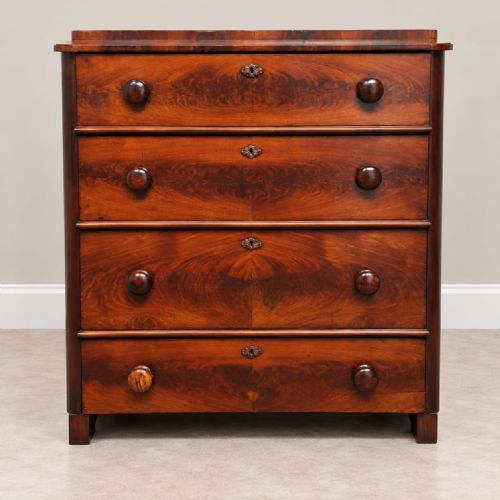
Cabinet makers built these pieces using solid timbers like mahogany, oak, walnut, and pine, often applying flame mahogany veneer or burr walnut to prominent surfaces. These woods provided both structural stability and rich grain patterns for the exterior facades.
Brass handles and escutcheons secured drawer fronts while adding metallic contrast to the timber. Construction techniques included dovetailed drawer joints and applied geometric mouldings which characterised earlier periods.
Some chests hide secret compartments behind dummy drawer fronts where homeowners tucked away their silver and sovereigns.
What varies in quality
Quality separates simple utilitarian storage from ambitious furniture through the selection of figured veneers and timber grades. Pieces utilising burr walnut or flame mahogany display careful grain matching across multiple drawer tiers.
Sir Clough Williams-Ellis·Heals of London·Harris Lebus of Tottenham
The Antique Wooden Bureau Drawers Glossary
- Bureau
- A desk featuring a sloping hinged fall front that opens to reveal internal compartments and pigeon holes. It often sits atop a base of graduating drawers.
- Serpentine front
- A furniture facade curved in a wave shape with a convex centre flanked by concave sides. This technique requires advanced woodworking skill.
- Brushing slide
- A pull-out shelf mounted above the top drawers of a chest, historically used for dusting clothes or as a temporary writing surface.
- Biederman
- A Central European style prioritising clean lines and utilitarian comfort over ornamentation during the nineteenth century. It relies heavily on native timber grains.
- Secretaire chest
- A chest of drawers containing a fitted top drawer that pulls down to form a writing desk. It conceals small drawers and pigeon holes inside.
Antique Wooden Bureau Drawers: Frequently Asked Questions
What is a bureau bookcase?
A bureau bookcase combines a writing bureau base with enclosed shelving above behind glass or wooden doors. This dual format provided both storage for books and a dedicated workspace.
Such pieces often occupied principal rooms in Georgian and Victorian homes as functional library furniture.
How do I use a bureau daily?
The sloping fall front opens downward to create a flat writing surface supported by automatic wooden slides or brackets. Inside, small compartments organise stationery and letters while the lower drawers hold household items.
Closing the fall front conceals the workspace instantly, keeping living areas tidy.
What is a Wellington chest?
A Wellington chest is a tall, narrow set of drawers secured by a hinged vertical locking bar on one side. This wooden flap fastens with a key to lock all drawers simultaneously.
Cabinet makers designed this format to maximise vertical storage space in bedrooms without occupying excessive floor area.
How do I date a mahogany chest?
Dating relies upon observing timber characteristics, handle styles, and construction methods like dovetailing. Georgian pieces often feature solid brass handles and bracket feet, while Victorian examples utilise heavier proportions and turned feet.
Comparing the drawer linings and secondary woods provides further evidence of the period.