



Queen Anne Oval Table
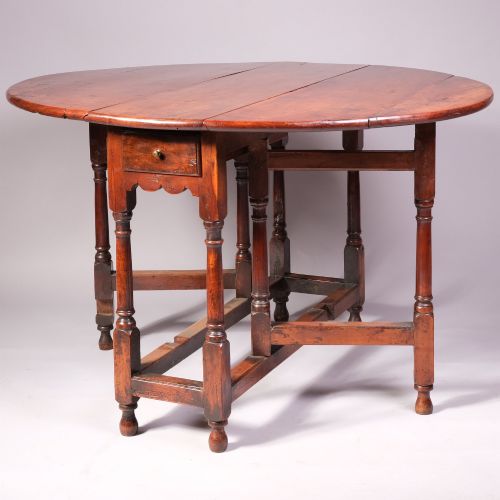
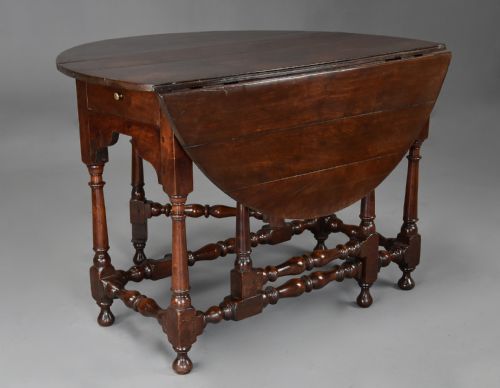
A queen anne oval table brings the warmth of walnut and oak into a room through gatelegs, drop leaves and side forms.
Queen Anne Oval Table
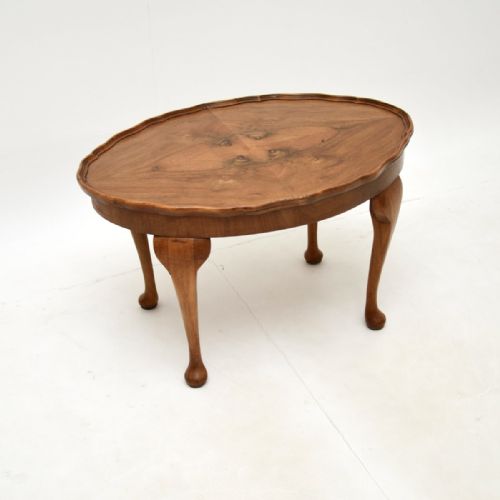
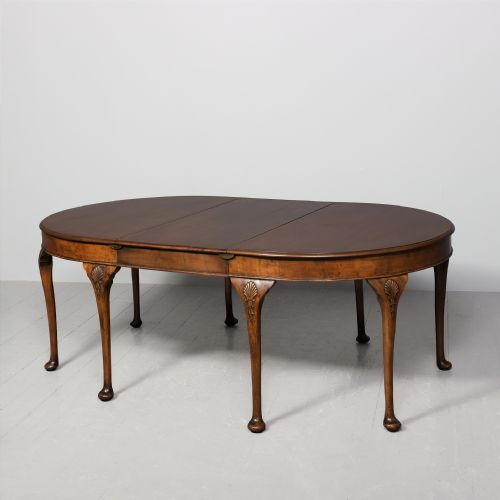
A queen anne oval table encompasses 18th century originals and later revivals spanning the Georgian era into the twentieth century. These pieces include gateleg dining tables, drop leaf designs, coffee tables and occasional side tables.
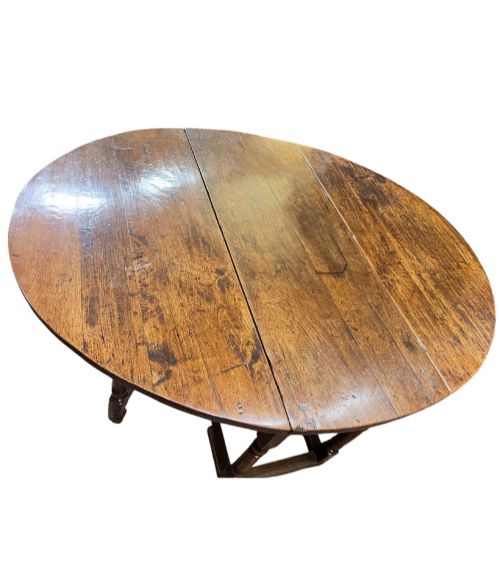
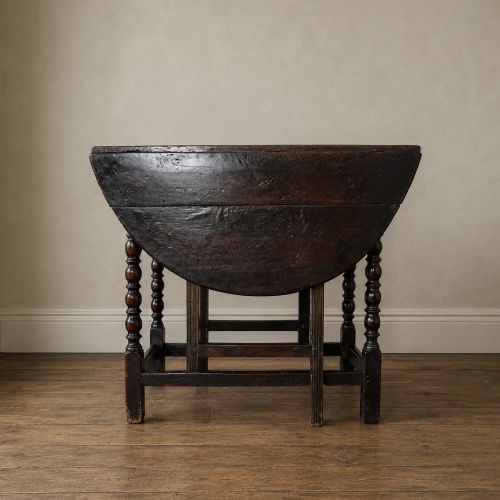
The version most commonly met on this page is the walnut or oak gateleg table, often featuring drop leaves supported by hinged legs. Alongside these, revival coffee tables from the early twentieth century appear frequently.
Origins stretch from early 18th century English workshops to Edwardian and later revival cabinets, utilising traditional timbers like burr walnut, figured walnut and solid oak.
How they were made
Cabinetmakers constructed these tables using solid timber and veneered surfaces, selecting walnut, burr walnut, mahogany and oak. Brass hardware and iron fixings occasionally support folding mechanisms and drop leaf actions.
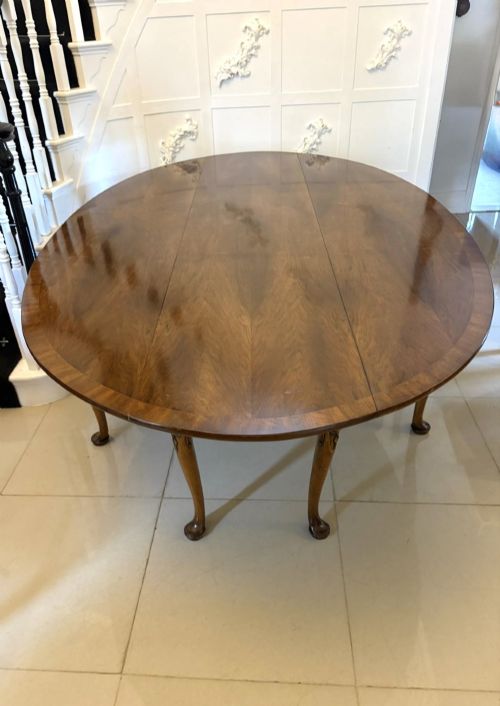
Gateleg and drop leaf designs rely on hinged leg frames that swing out to support extended leaves. Surfaces range from plain timber to figured burr walnut panels and raised pie crust edges.
Listings feature oak, walnut, mahogany and burr walnut across 18th century, Georgian and Edwardian periods.
What varies in quality
Quality rests in the selection of timber figure, such as highly figured burr walnut against plain grain, and the integrity of the frame construction. Early examples show patination developed through centuries of use.
Proportion and execution of revival styles separate standard production from superior cabinet work. The sharpness of turning on legs and the tightness of joints distinguish finer pieces.
Whytock and Reid of Edinburgh
The Queen Anne Oval Table Glossary
- Gateleg table
- A table with hinged leaves supported by legs that swing outward like gates. This form maximises surface area when open and folds compactly when closed.
- Burr walnut
- A veneer sliced from walnut tree growths that produces intricate swirling grain patterns. It was favoured for high-status cabinet work.
- Drop leaf
- A hinged flap attached to a fixed table top that raises to extend the surface. It is held in place by folding brackets or swinging legs.
- Pie crust
- A carved, raised edge detail shaped in undulating curves resembling pastry work. This decorative border appears on coffee and tea tables.
- Patina
- The surface sheen and mellowing of colour acquired by wood over long periods. It results from handling, waxing and ageing.
Queen Anne Oval Table: Frequently Asked Questions
What is a queen anne oval table?
A queen anne oval table is a domestic piece featuring an oval top, produced either in the early eighteenth century or during later revival periods. These tables use timber frames, notably walnut and oak, with formats ranging from large dining gatelegs to small coffee tables.
They combine curved lines with practical drop leaf or gateleg mechanisms designed to alter the footprint of a room. The category bridges original period antiques and twentieth-century interpretations.
How do I identify an 18th century table?
Eighteenth-century examples display timber patination, hand-cut joinery and signs of age across walnut, oak and yew wood surfaces. Construction methods rely on pegged joints and hand-turned framing rather than modern fasteners.
Later revivals from the twentieth century often feature cleaner internal fittings and different finishing techniques while copying earlier forms.
Where were these tables used?
These tables served dining rooms, parlours and living spaces as multi-purpose furniture. Drop leaf and gateleg variants allowed households to clear floor space when meals concluded.
Smaller side and coffee table versions function as occasional surfaces for drinks, lamps and books in modern domestic settings.
How do I care for a walnut surface?
Walnut and burr walnut surfaces require protection from direct sunlight, excessive heat and moisture. Regular dusting with a dry cloth and occasional application of appropriate wax maintain the finish.
Avoiding placement near heat sources prevents the timber veneers from drying and lifting over time.