
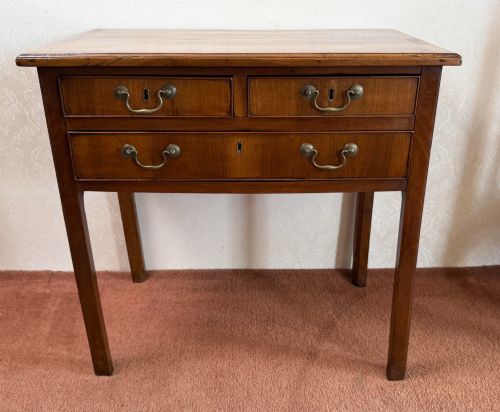
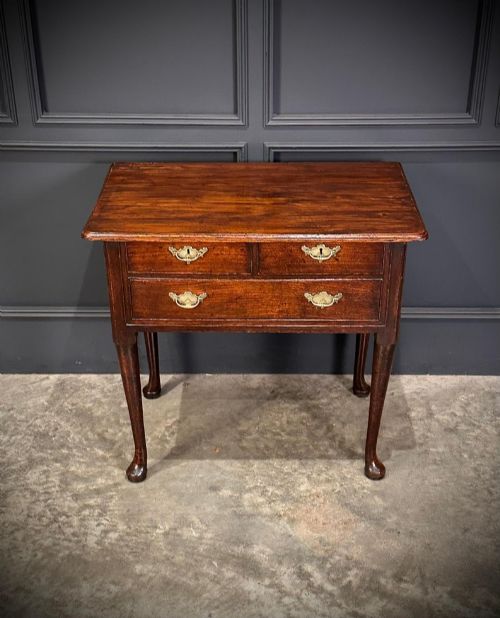
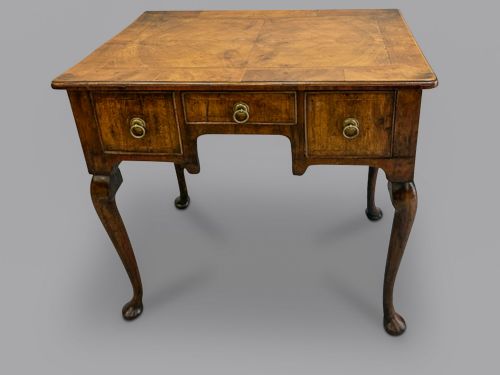
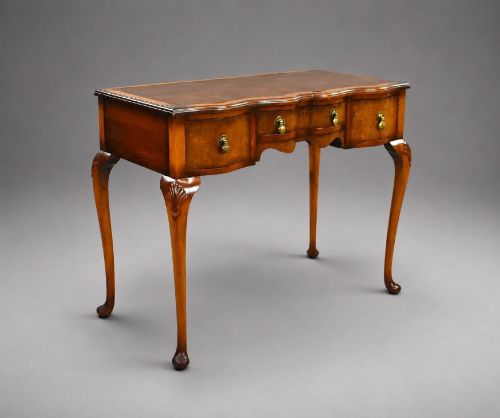


Queen Anne Lowboy Desk
A queen anne lowboy desk is a compact, low-standing table featuring drawers, highly sought after for its refined proportions and versatile utility.
Queen Anne Lowboy Desk
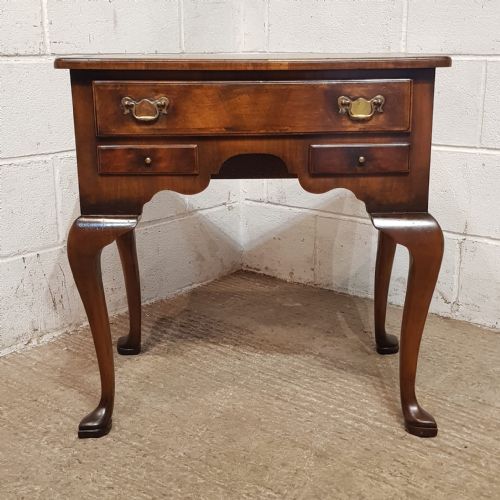
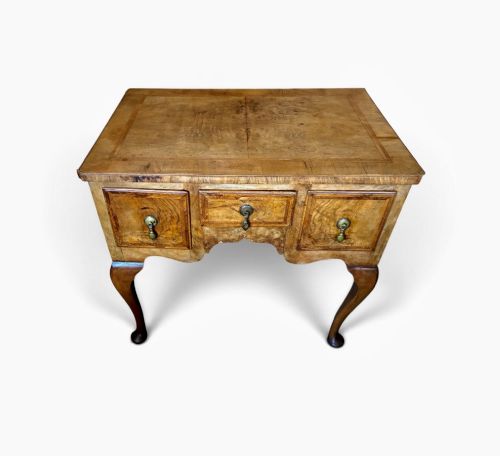
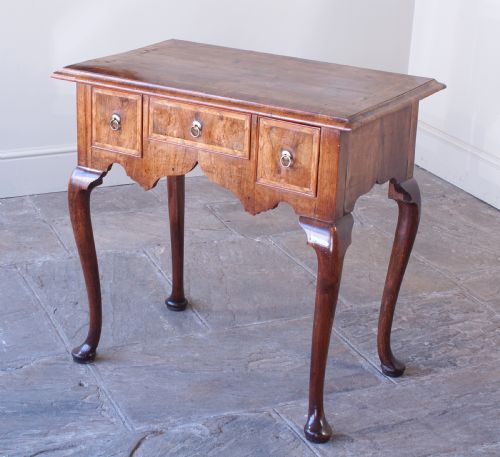
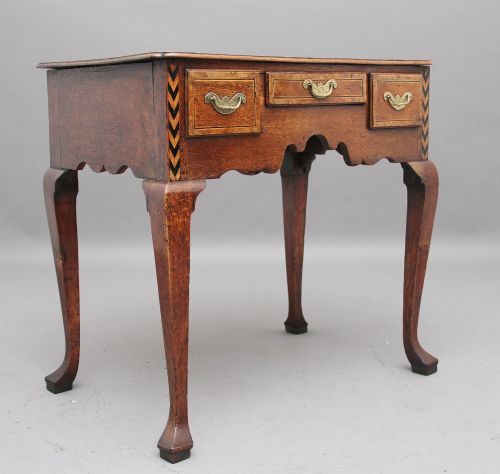
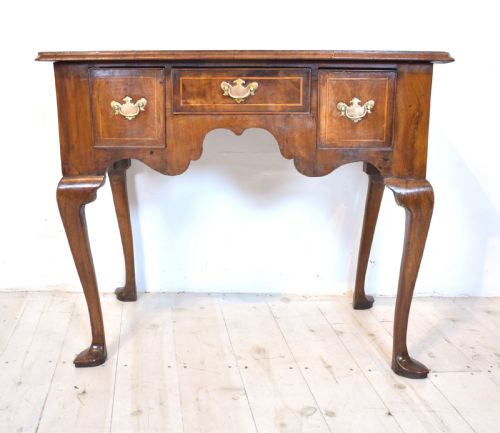
A queen anne lowboy desk is primarily a small table equipped with one to three drawers, historically used for grooming, dressing, or writing. The pieces seen here span genuine 18th-century examples alongside later revival interpretations from the 19th and early 20th centuries.
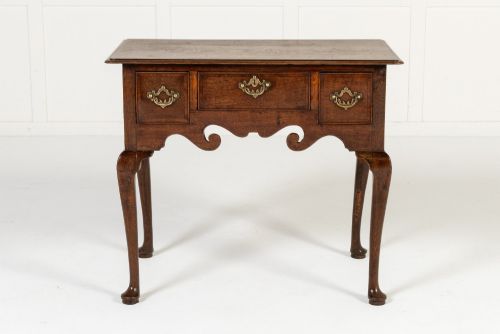
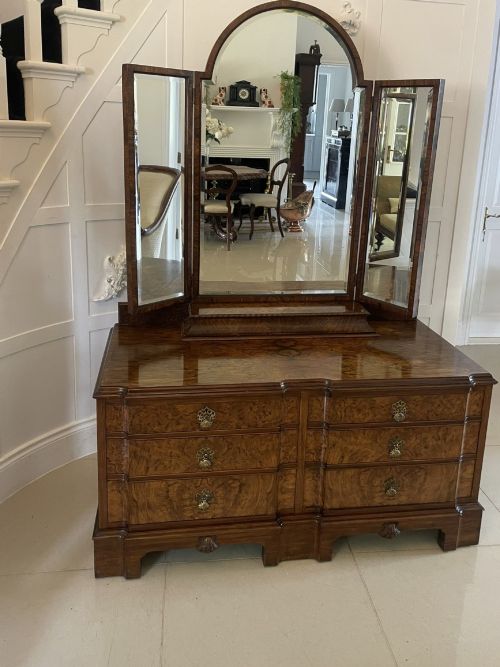
Buyers will encounter walnut, oak, and mahogany constructions shaped into side tables, dressing tables, and writing desks. The form typically exhibits characteristic cabriole legs and a modest overall height designed to sit comfortably beneath a mirror or window.
How they were made
Cabinet makers utilised native and imported timbers, employing solid oak and walnut for structural frames alongside figured burr walnut veneers for decorative surfaces. Marquetry inlay, brass drop handles, and escutcheons complete the traditional construction methods recorded in these lowboy desks.
The distinctive cabriole leg profile is shaped directly from the timber, often flowing seamlessly into pad feet or club feet. Joinery relies on traditional techniques such as dovetailing for drawer construction and mortise and tenon frames.
Listings feature queen anne lowboy desks spanning from the early 18th century through to 1930s revival interpretations in walnut, oak, and mahogany.
What varies in quality
Quality in a queen anne lowboy desk rests heavily on the choice of timber figure, particularly the richness of the burr walnut veneer or the depth of grain in the solid oak and mahogany. The crispness of carved details on the knees and apron separates master craftsmanship from simpler provincial work.
Proportion and timber preservation dictate the standing of a piece within the range. Examples retaining their original brass hardware, stable drawer linings, and untouched patination command greater appreciation than those altered by heavy restoration.
Shoolbred and Co·Maple's of London
The Queen Anne Lowboy Desk Glossary
- Lowboy
- A small pedestal-less dressing table or side table featuring one or more rows of drawers beneath the work surface. These low tables were standard bedroom or parlour furniture.
- Cabriole leg
- A furniture leg that bends outward in a convex curve and then tapers inward in a concave curve, ending in a foot. This characteristic form defines the silhouette of the style.
- Burr walnut
- A specialised timber veneer harvested from the burl growths of walnut trees, displaying highly swirled and mottled grain patterns. It was favoured for high-status cabinet work.
- Marquetry
- Decorative inlay work where thin pieces of various woods or materials are fitted into a veneer background to form geometric or pictorial designs. It appears on select mid-century surfaces.
- Pad foot
- A simple, rounded foot shape at the base of a cabriole leg where the timber spreads slightly outward before resting on the floor.
Queen Anne Lowboy Desk: Frequently Asked Questions
What is a lowboy used for?
Historically, a queen anne lowboy desk functioned as a dressing table, a writing desk, or a compact side table for holding small personal items.
Today, buyers frequently place them in hallways, living rooms, or bedrooms as decorative console tables that offer discreet drawer storage.
How do I date a walnut lowboy?
Dating relies on examining construction techniques, timber choice, and the profile of the cabriole legs and drawer linings. Eighteenth-century pieces display hand-cut dovetails and period timber patination, whereas revival pieces from the 1920s show 20th-century workshop methods.
Secondary woods inside the drawer construction often help distinguish between an original period piece and a later 19th or 20th-century revival interpretation.
Are all lowboys made of walnut?
While walnut and burr walnut veneer dominate the selection, many examples utilise solid oak or mahogany.
Timber choice often reflects the region of manufacture, with country-made pieces favouring local oak and elm while metropolitan workshops utilised imported mahogany and decorative walnut veneers.
What is the difference between a lowboy and a side table?
A lowboy is specifically a low table featuring one, two, or three drawers built directly into the frieze. General side tables may lack drawers entirely or stand at standard dining and writing heights.
The inclusion of a drawer arrangement combined with cabriole legs defines the classic lowboy silhouette.