





Queen Anne Dressing Glass
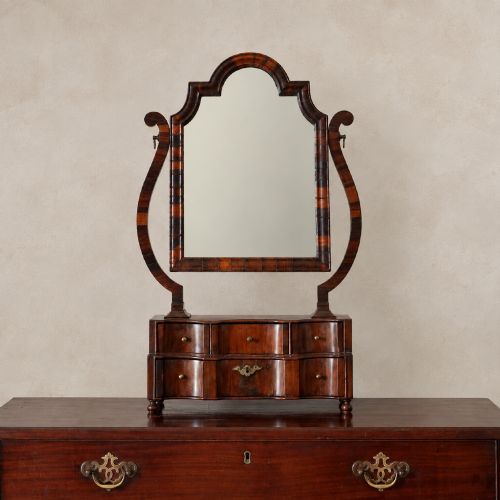
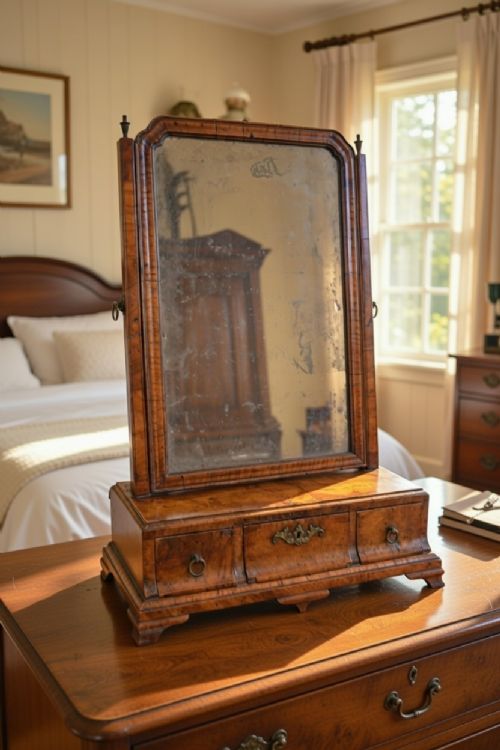
A queen anne dressing glass sits low on a surface to frame the morning routine with walnut and brass.
Queen Anne Dressing Glass
A queen anne dressing glass is a compact looking glass designed to sit upon a chest or table, providing a reflective surface for personal grooming. These pieces appear in the 18th century and later revival periods, bringing distinct historic character to a room.
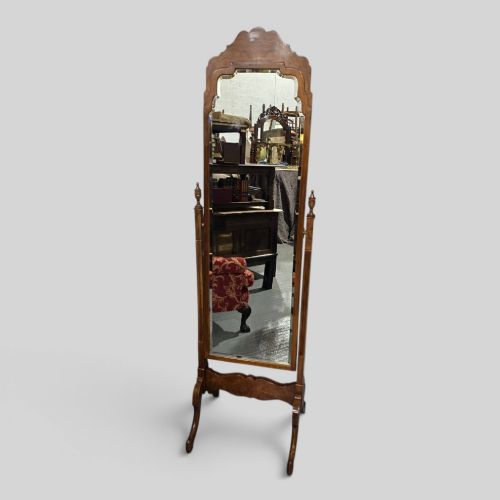
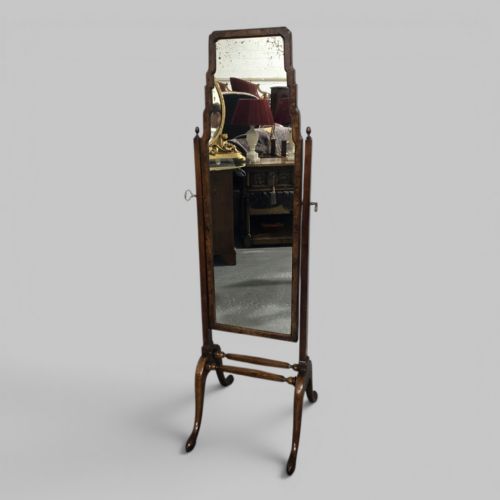
The primary forms on this page include toilet mirrors, dressing mirrors, and box mirrors, alongside larger cheval mirrors and even a miniature bureau base. Walnut and burr walnut dominate the selection, complemented by lacquer, laburnum, and brass hardware.
Most examples hail from the 18th century, though revival pieces from the Victorian era and the 1920s also emerge. Buyers encounter various stylistic influences here, spanning the classic Queen Anne idiom, early Georgian, Chinese export, and Baroque design.
How they were made
Cabinetmakers constructed these glasses using timber frames of walnut, burr walnut, and laburnum, often incorporating box bases and miniature drawers. Skilled joiners shaped the wood to form pivoting mirror plates supported by upright arms.
Makers applied decorative finishes including black lacquer and gilding to enhance the surface appearance. Brass hinges, brackets, and catches provide functional movement and contrast against the dark wood tones.
One extraordinary black lacquered toilet mirror hides a miniature bureau base for your tiny secrets.
What varies in quality
The refinement of the timber grain sets superior examples apart, particularly the rich figuring found in burr walnut and the intricacy of laburnum banding. Early 18th century craftsmanship displays distinct joinery details that differ from later revival interpretations.
The presence of original mirror glass and authentic brass hardware elevates a piece's integrity. Elaborate forms, such as those with black lacquered miniature bureau bases or Chinese export decoration, represent higher tiers of design ambition.
The Queen Anne Dressing Glass Glossary
- Dressing glass
- A portable mirror designed for tabletop use during grooming. These items rest upon a dedicated stand or box base.
- Toilet mirror
- An alternative term for a dressing glass, originating from the historic ritual of morning toilet. It shares the same tabletop format.
- Cheval mirror
- A full-length dressing glass supported by a standing frame that allows the entire plate to tilt. These taller formats stand directly on the floor.
- Box mirror
- A dressing glass where the supporting base incorporates a small storage compartment or drawers. The mirror frame pivots between upright arms attached to this box.
- Burr walnut
- A prized timber veneer showing swirling, knotty grain patterns harvested from walnut tree growths. It provides decorative richness on cabinet fronts and mirror frames.
Queen Anne Dressing Glass: Frequently Asked Questions
What is a queen anne dressing glass?
A queen anne dressing glass is a tabletop mirror designed for grooming and personal reflection. These pieces feature adjustable plates mounted within wooden frames.
They sit atop dressing tables, chests, or dedicated box bases, originating primarily in the 18th century with later revival iterations.
How were they used?
These mirrors served individuals during morning routines for arranging hair, adjusting attire, and applying cosmetics. Their adjustable frames allowed users to alter the angle of reflection.
Storage elements within the base held small personal items, jewellery, or grooming accessories.
Where do they go in a home?
A dressing glass fits well upon a chest of drawers, side table, or dedicated vanity in a bedroom. Their compact footprint requires minimal surface area.
They also function effectively on console tables in hallways or living spaces to reflect light and add historic character.
How do I spot an 18th century piece?
Identifying 18th century pieces involves examining the timber species, construction joinery, and the characteristics of the glass plate. Walnut and laburnum were prevalent during this foundational period.
Revival versions from the 1920s or Victorian era often show different tool marks, assembly methods, and secondary woods beneath the surface.