



Antique Bureau Top Mirror
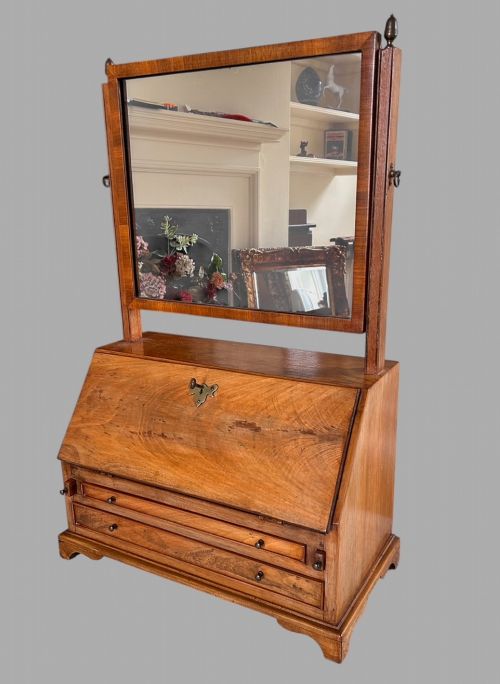
An antique bureau top mirror combines writing furniture with a pivoting glass, designed for practical grooming and correspondence in the eighteenth and nineteenth centuries.
Antique Bureau Top Mirror
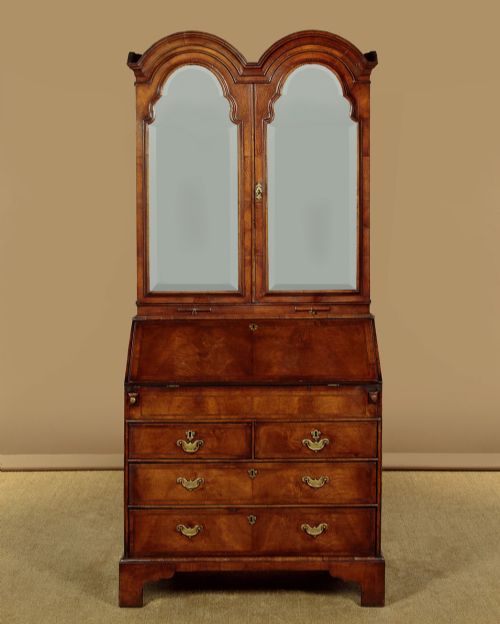
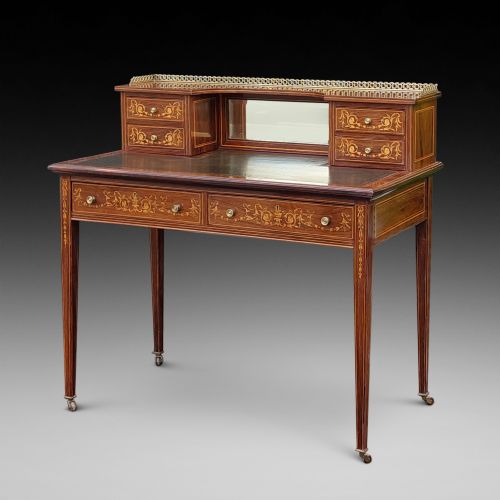
The antique bureau top mirror category encompasses small desks, writing cabinets, and dressing mirrors from Georgian, Victorian, and Edwardian periods. Buyers encountering this search phrase find walnut, mahogany, satinwood, and rosewood items that sit upon surfaces or integrate writing compartments with adjustable plates of glass.
Makers ranging from large cabinet makers to provincial joiners produced these items in styles spanning Queen Anne, George III, and Louis XVI tastes. The forms vary from simple pivoting tabletop frames to elaborate bureau bookcases incorporating fitted drawers and secret compartments.
How they were made
Cabinet makers constructed the primary carcasses from solid hardwoods such as walnut, mahogany, satinwood, and rosewood, often applying delicate wood veneers and string inlay. Brass hardware, including hinges, escutcheons, and tightening screws, secured the pivoting mirror plates to their upright standards.
Glass production of the period relied on silvering techniques behind flat panes, set within rebated wooden frames to protect the edges. Drawers utilised traditional dovetail joints, while interior compartments featured small secret mechanisms operated by sliding panels or hidden pins.
Antique Bureau Top Mirror Retail Price Guide 2026
Typical asking prices for bureau top mirror among the pieces listed under this phrase on Sellingantiques today, from the lower quarter to the upper quarter. They describe what is for sale here now, not the wider market.
Listings feature walnut, mahogany, satinwood, and rosewood materials across Georgian, Victorian, and Edwardian eras.
What varies in quality
The standard of timber selection and veneer matching defines the visual merit of each piece, with continuous grain patterns and figured walnut commanding greater appreciation. Finer examples display meticulous hand-cut dovetailing in the interior drawers and crisp, restrained string inlay rather than heavy machine-stamped decoration.
The integrity of the original mirror glass and the stability of the pivoting mechanism influence the overall authenticity. Pieces retaining their original brass screws, unblemished bevelled or flat mirror plates, and untouched polish demonstrate superior preservation.
Maple & Co·Jas Shoolbred
The Antique Bureau Top Mirror Glossary
- Bureau bookcase
- A writing cabinet featuring a fall-front desk section combined with enclosed shelving above. These large pieces of furniture provide both workspace and display storage.
- Bonheur du jour
- A light lady's writing desk featuring a small set of drawers and compartments on top. This French form translates directly as happiness of the day.
- Dovetail
- A traditional wood joint formed by interlocking wedge-shaped fingers. This method secures drawer corners and structural frames without relying on metal fasteners.
- Escutcheon
- A protective plate surrounding a keyhole. These brass or bone fittings prevent the wood from splitting around the lock.
- Stringing
- A thin inlay of contrasting wood used to outline drawer fronts and panels. Cabinet makers employed this technique to create geometric borders on fine furniture.
Antique Bureau Top Mirror: Frequently Asked Questions
How were these mirrors used?
Owners utilised these pieces in bedrooms or private sitting rooms for morning correspondence and personal dressing. The adjustable glass allowed the user to direct the reflection while seated at the attached writing surface.
The small drawers provided secure storage for inkwells, quills, stationery, and small valuables, keeping necessary writing implements close at hand.
How do I date an antique bureau mirror?
Dating relies upon examining the secondary timbers, construction methods, and prevailing style influences such as Queen Anne or George III tastes. Eighteenth-century examples frequently feature solid walnut construction and hand-cut dovetails, while Victorian pieces often incorporate elaborate inlay and mahogany veneers.
Original hardware, mirror glass characteristics, and the type of polish applied to the wood further assist in narrowing the period of manufacture.
Where should I place one at home?
These versatile items sit comfortably on top of antique sideboards, chests of drawers, or sturdy console tables in living rooms and studies. Their compact footprint makes them suitable for smaller spaces where a full-sized desk is impractical.
Positioning them away from direct sunlight protects the delicate wood veneers and historic finishes from fading over time.