

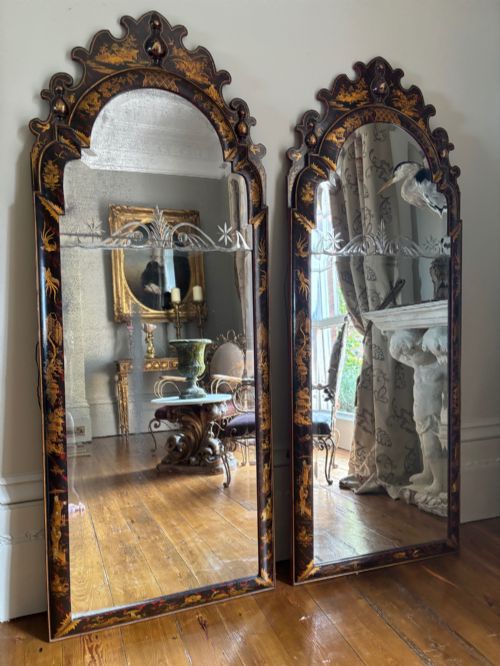


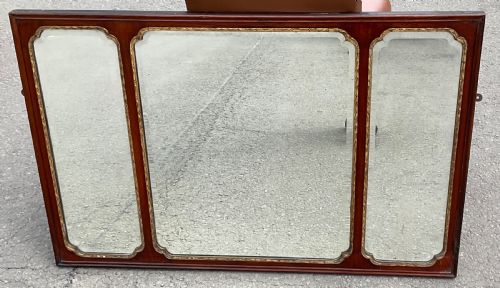

Edwardian Queen Anne Mirror
An edwardian queen anne mirror brings walnut warmth and graceful proportion to a room, offering the elegance collectors seek in revival pieces.
Edwardian Queen Anne Mirror
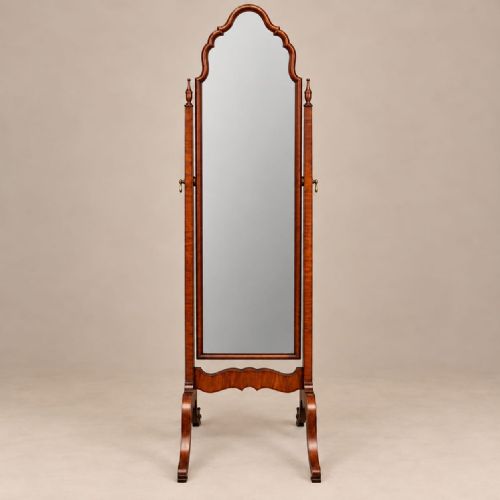
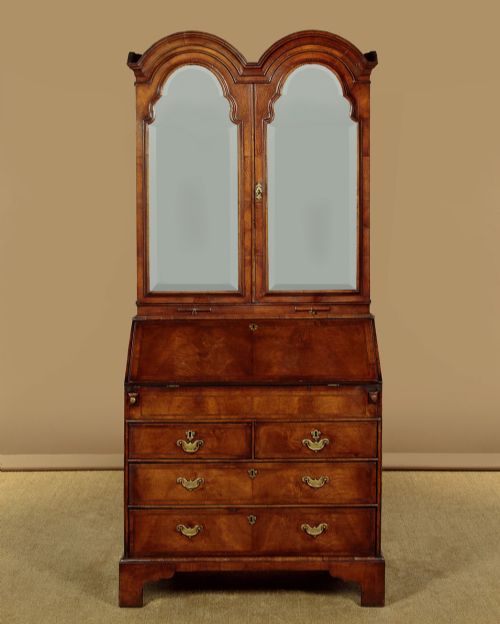
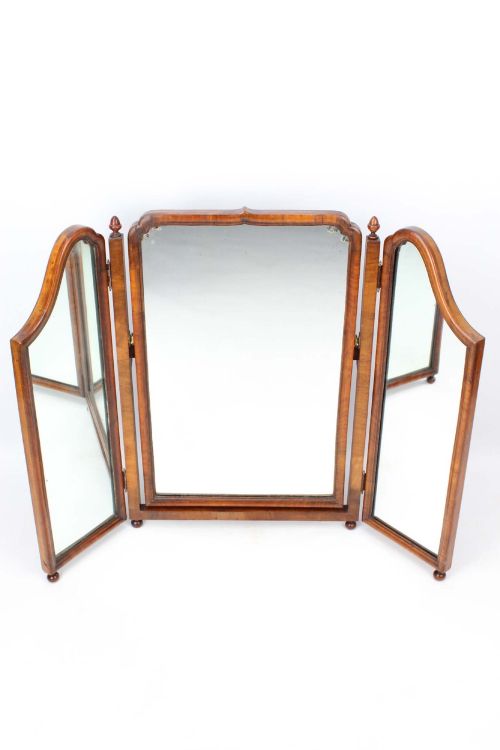
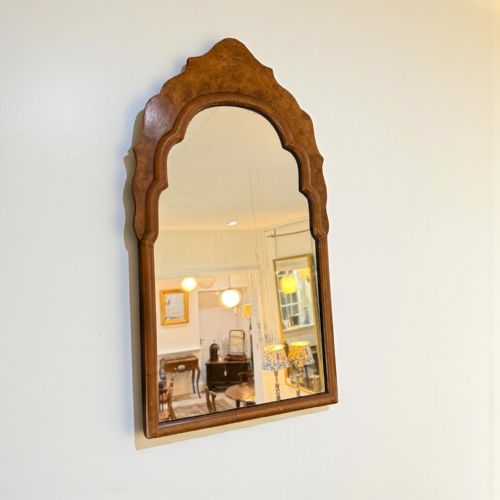
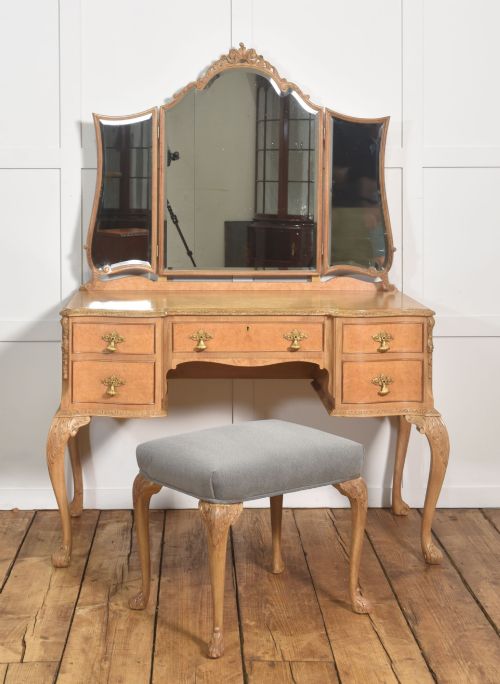
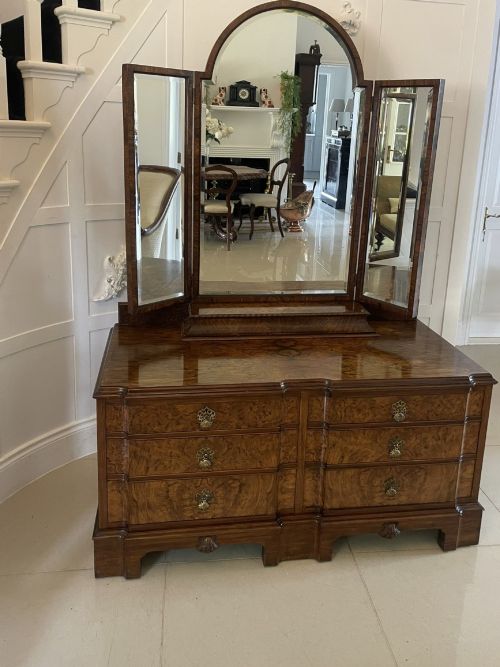
When you search for an edwardian queen anne mirror, you are looking at walnut and burr walnut frames that echo eighteenth-century proportions with revival craftsmanship. These pieces span wall mirrors, pier glasses, and dressing table mirrors that bring refined woodwork into contemporary spaces.
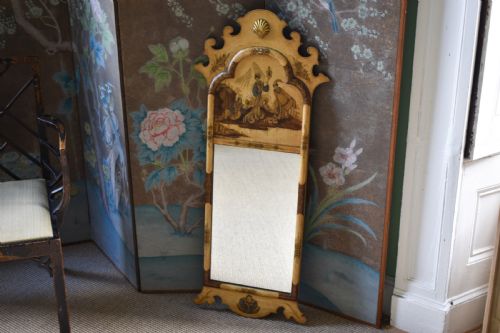
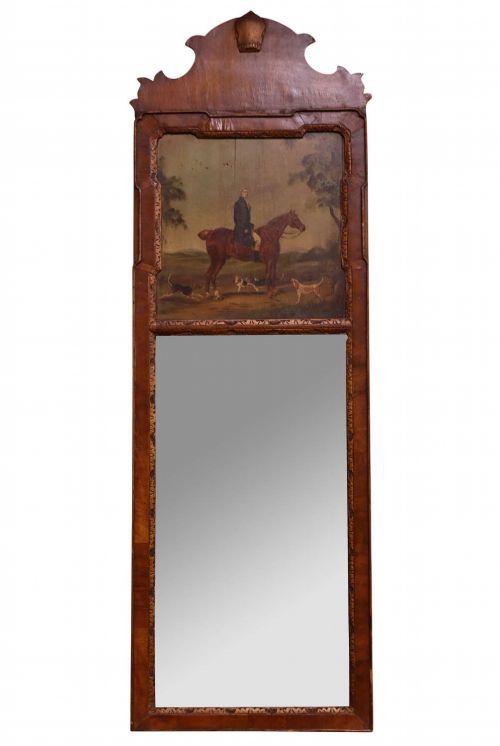
The versions most likely to meet you on this page include walnut and yew wood frames, often complemented by painted chinoiserie decoration or oil paintings set into the glass. They draw on nineteenth-century and early twentieth-century revivals, alongside occasional eighteenth-century examples.
Whether hung above a mantelpiece or placed upon a dressing table, these mirrors serve both functional and decorative roles. Their distinctive silhouettes define the style, combining arched tops with rich timber grains.
How they were made
The makers of these pieces relied on figured walnut, burr walnut, and yew wood veneers applied to solid carcases, often highlighting the natural grain with polished finishes. Brass fittings and hardware provided structural support and decorative accents.
Specialist techniques included hand-painted chinoiserie decoration and inset oil paintings featuring maritime or equestrian scenes. Gilding was also utilised on specific frames, adding metallic contrast to the timber.
Edwardian Queen Anne Mirror Retail Price Guide 2026
Typical asking prices for edwardian queen anne mirror among the pieces listed under this phrase on Sellingantiques today, from the lower quarter to the upper quarter. They describe what is for sale here now, not the wider market.
Some mirrors double as art galleries, hiding maritime scenes and equestrian oil paintings right inside the frame.
What varies in quality
The depth and selection of the timber veneer separate standard examples from finer pieces, particularly where burr walnut exhibits complex, natural patterning across the frame. Richness of tone and grain alignment demonstrate the care taken by the cabinetmaker.
Hand-painted chinoiserie details and integrated oil paintings introduce another layer of distinction. Finely executed brushwork and well-preserved decorative surfaces elevate an ordinary frame into a notable work of craftsmanship.
The Edwardian Queen Anne Mirror Glossary
- Pier glass
- A tall mirror designed to hang on the wall between windows, often positioned above a pier table. These tall formats make the most of available light.
- Chinoiserie
- European decorative art influenced by Chinese styles and motifs, typically featuring painted figures, pagodas, and landscapes. This technique is frequently seen on lacquered mirror frames.
- Burr walnut
- Wood taken from a walnut tree growth where the grain has grown in a deformed, swirling manner. It yields highly decorative veneer patterns highly prized by cabinetmakers.
- Overmantel mirror
- A wide mirror designed to be placed directly above a fireplace mantel. These large formats anchor the room's central hearth.
- Yew wood
- A dense, resilient timber with a warm reddish-brown hue and prominent growth rings. It offers a distinct alternative to standard walnut framing.
Edwardian Queen Anne Mirror: Frequently Asked Questions
Where should I hang a pier glass?
A pier glass is traditionally hung on a narrow wall space between windows or above a low piece of furniture. This placement bounces natural light across the room while filling vertical wall space.
Ensure the wall fixings can support the weight of the timber frame and glass safely. Positioning it at eye level makes the most of its decorative proportions.
Can I place these mirrors in a bathroom?
These antique and revival mirrors are sensitive to high humidity and fluctuating moisture levels. Bathrooms can cause the timber to warp and damage the silvering behind the glass.
It is best to keep them in dry living areas, hallways, or bedrooms where the environment remains stable. This protects both the wooden construction and any painted artwork on the frame.
How do I tell revival pieces apart from older ones?
Examining the construction methods, backboards, and glass bevels helps distinguish eighteenth-century originals from later nineteenth and twentieth-century revivals. Tool marks and screw types provide clear clues to the date of manufacture.
Many pieces on this market stem from revival periods that deliberately copied earlier Queen Anne forms. A close inspection of the timber grain and finish clarifies the exact era of production.