


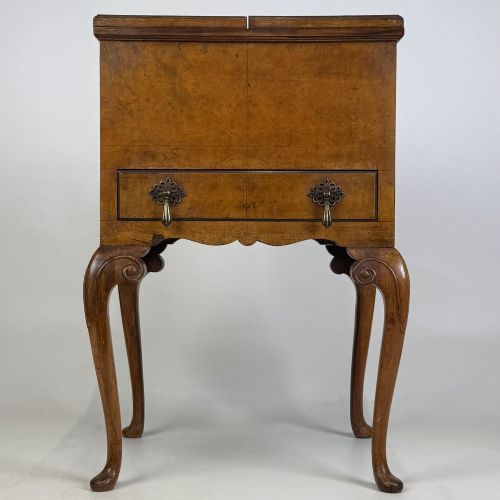
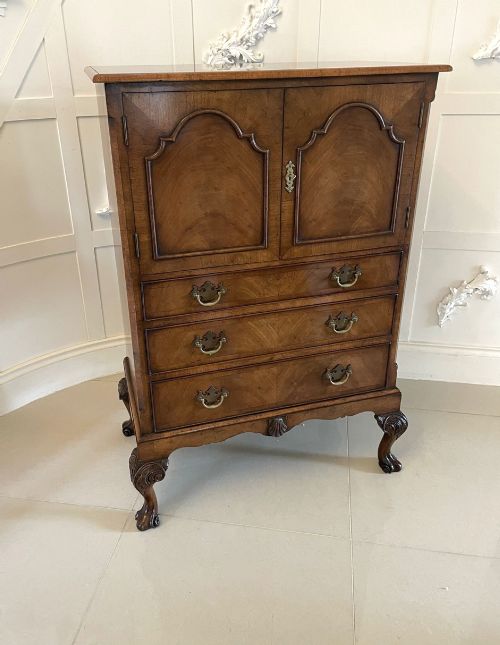
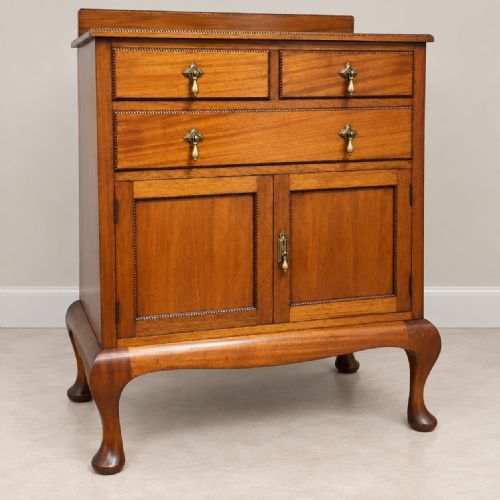
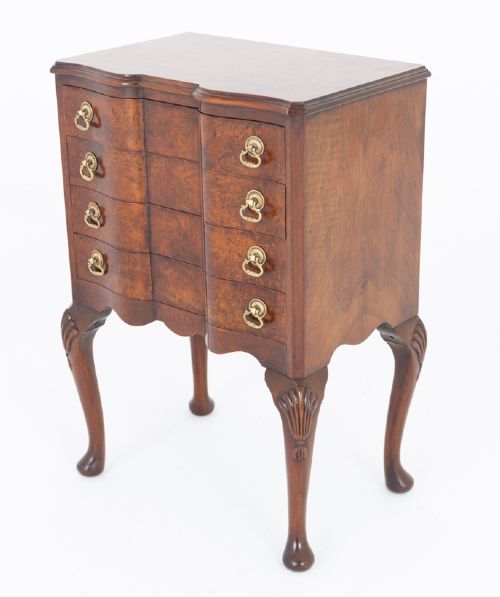
Queen Anne Cupboard
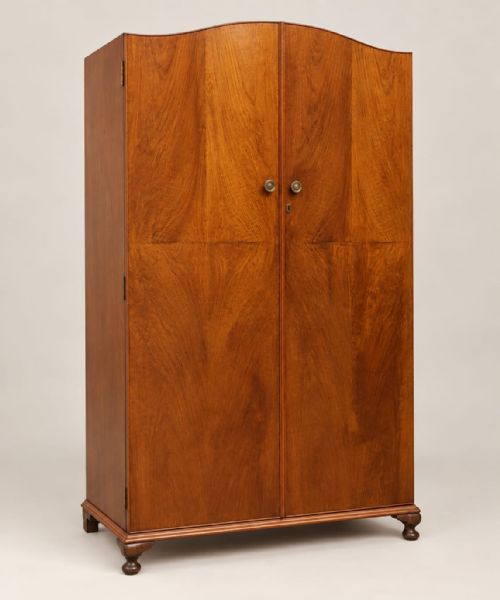
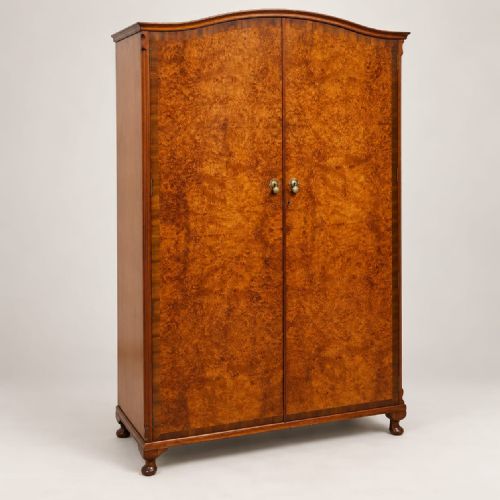
A queen anne cupboard offers elegant storage in walnut, oak, and mahogany, bringing classic proportions and figured grain to any room.
Queen Anne Cupboard
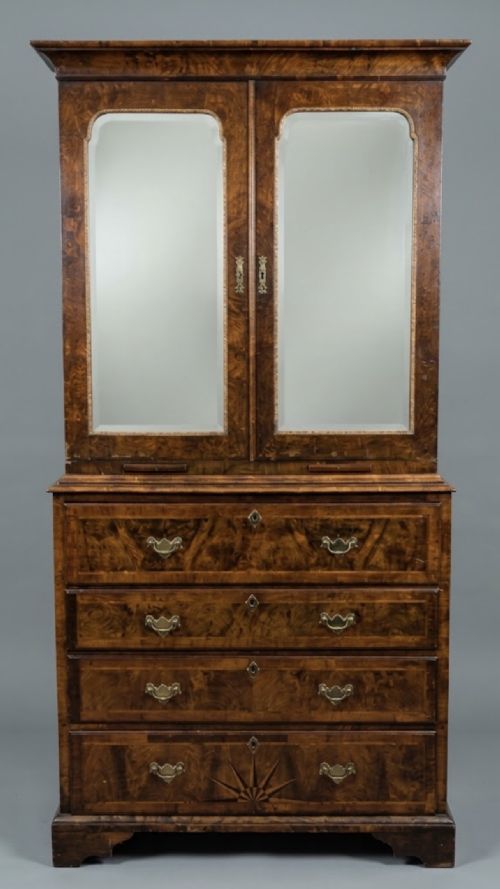
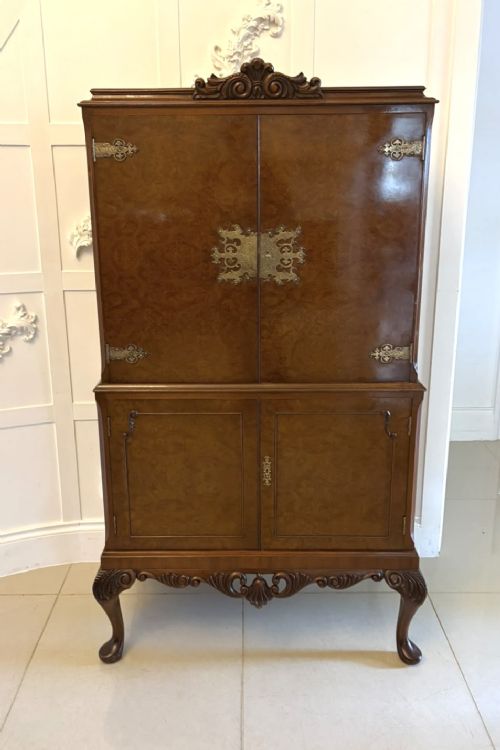
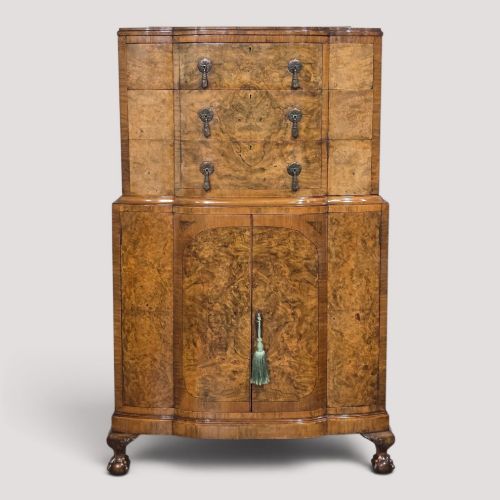
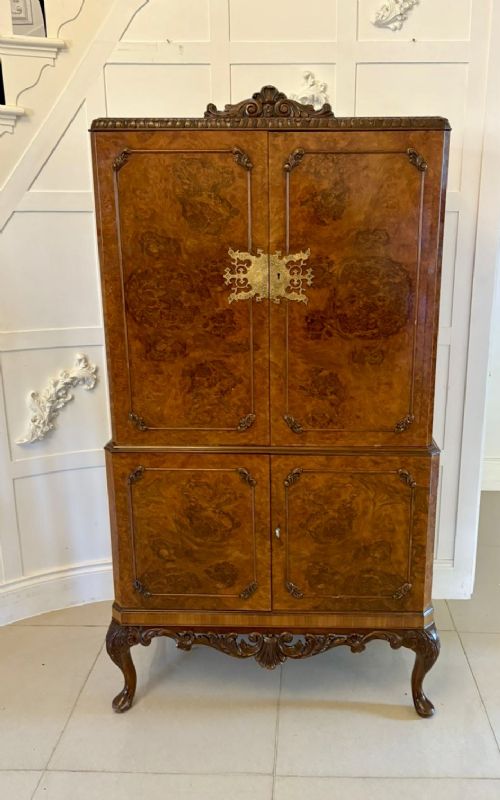
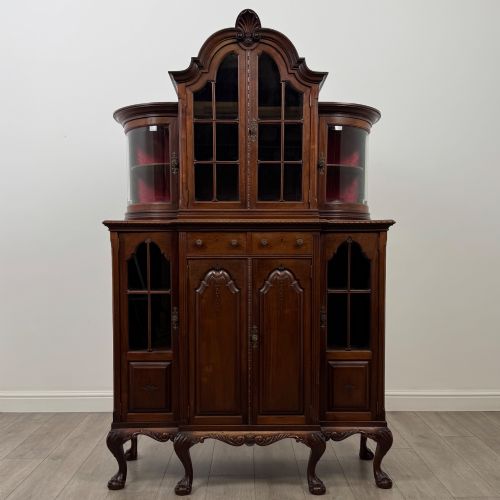
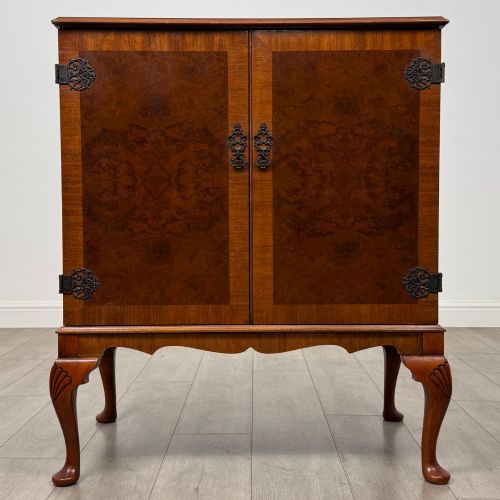
A queen anne cupboard encompasses a variety of storage forms, from corner cupboards and tallboys to cocktail cabinets and bedside chests. Buyers seeking a queen anne cupboard will find original 18th-century pieces alongside revival works from the Edwardian era and the 1920s.
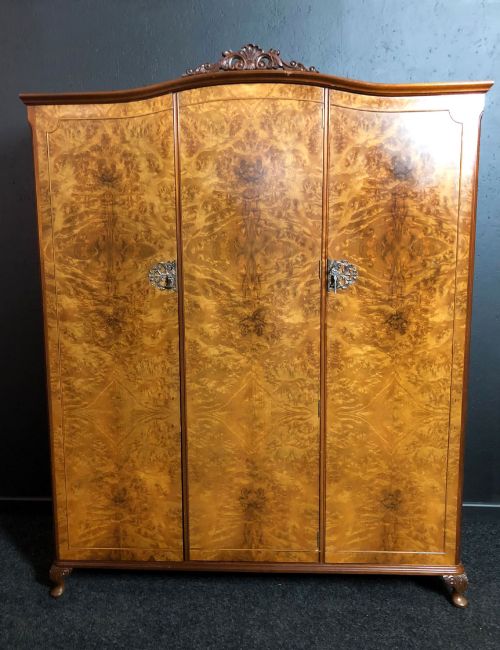
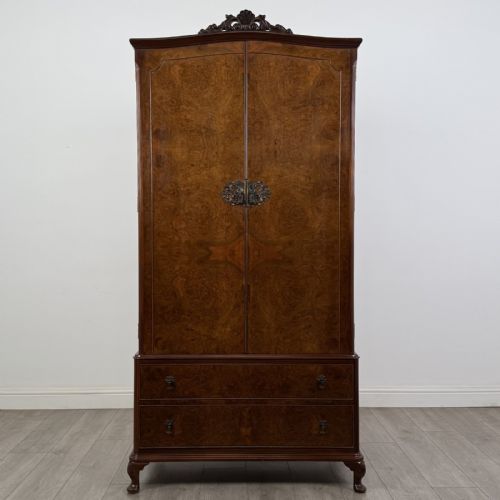
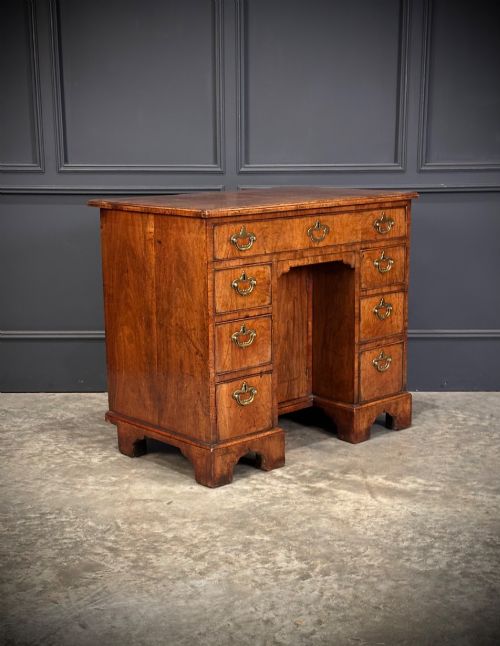
The selection ranges from wall-hanging corner cupboards and kneehole desks to fitted wardrobes and cabinets on stands. Walnut and burr walnut veneer dominate the forms, supplemented by oak and mahogany examples across multiple centuries.
How they were made
Cabinet makers utilised solid oak, mahogany, and walnut, frequently applying burr walnut veneer and figured grain to primary surfaces for visual depth. Brass hardware, glass panels, and mirror inserts complete the construction of many period and revival pieces.
Joinery techniques included dovetailed drawers and framed panels, while specialist surfaces featured japanning and marquetry. Stands and supports often incorporated distinct legs, silver gilt touches, and candle slides.
Queen Anne Cupboard Retail Price Guide 2026
Typical asking prices for queen anne cupboard among the pieces listed under this phrase on Sellingantiques today, from the lower quarter to the upper quarter. They describe what is for sale here now, not the wider market.
Early corner cupboards occasionally retain pull-out candle slides, reminding us of evening routines before the arrival of electric light.
What varies in quality
The choice of veneer defines the visual standard, with rich burr walnut and figured grain distinguishing finer examples from plain timber surfaces. Consistency in matching veneer patterns across doors and drawers indicates superior craftsmanship.
The integration of original details such as brass handles, mirror plates, and candle slides elevates a piece above later adaptations. Structural harmony between the upper cabinet and its base or stand separates master production from standard workshop output.
The Queen Anne Cupboard Glossary
- Burr walnut
- A veneer taken from the warted growths of walnut trees, prized for its swirling grain patterns. It creates highly decorative surfaces on cabinets and desks.
- Kneehole desk
- A writing table featuring a central recess for the legs, flanked by pedestals of small drawers. This form appeared frequently in walnut during the 18th century.
- Tallboy
- A vertical chest of drawers stacked one above another, sometimes sitting on a lower base or stand. It maximises storage while occupying a compact floor footprint.
- Candle slide
- A pull-out shelf positioned beneath a cupboard door to hold a candle for illumination. It represents a practical feature found on early wall-hanging units.
Queen Anne Cupboard: Frequently Asked Questions
How do I date a walnut cabinet?
Dating relies on examining construction methods, timber choice, and hardware. Early 18th-century pieces display solid timber framing and period handles, whereas 1920s revivals utilise modern internal fittings and machine-cut veneers.
Secondary woods inside drawers also provide clues to origin. Oak or pine linings point toward specific manufacturing decades.
Where should I place a corner cupboard?
Hanging and standing corner cupboards make efficient use of unused room angles in dining areas or hallways. They display collections behind glass or secure items within enclosed wooden doors.
Wall-mounted versions require secure fixing to wall studs due to the weight of solid timber and glass doors.
How do I care for burr walnut veneer?
Burr walnut veneer requires protection from direct sunlight and extreme humidity fluctuations to prevent cracking or lifting. Regular dusting with a soft, dry cloth maintains the polished surface without moisture damage.
Applying specialised wax occasionally nourishes the grain and preserves the depth of the finish.