
Queen Anne Commode
A queen anne commode brings warm timber tones and refined drawer storage into a room.
Queen Anne Commode
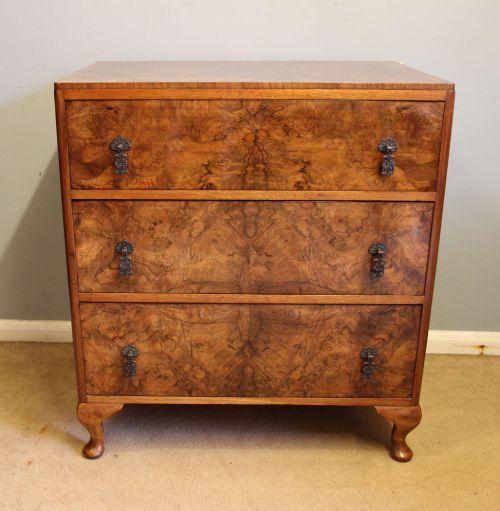
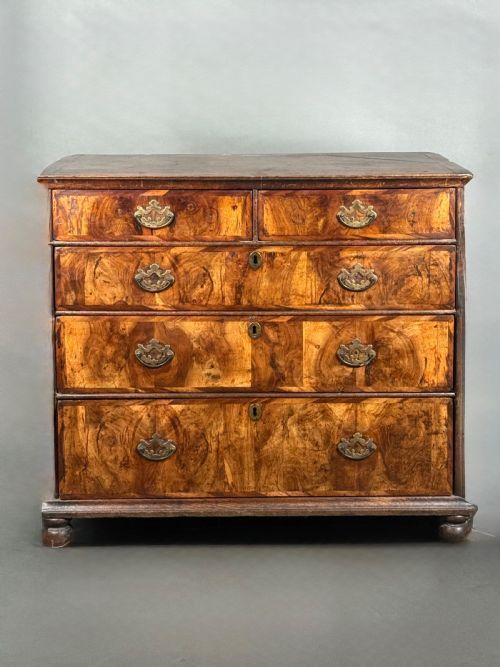
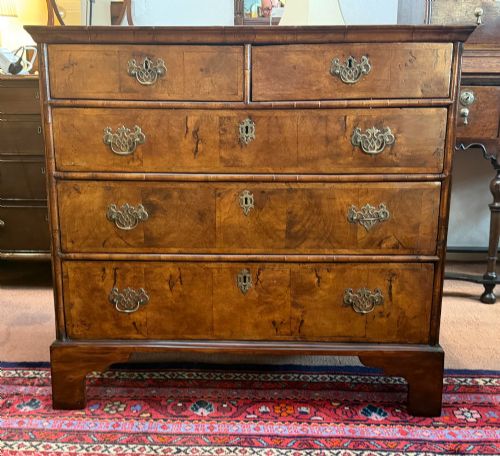
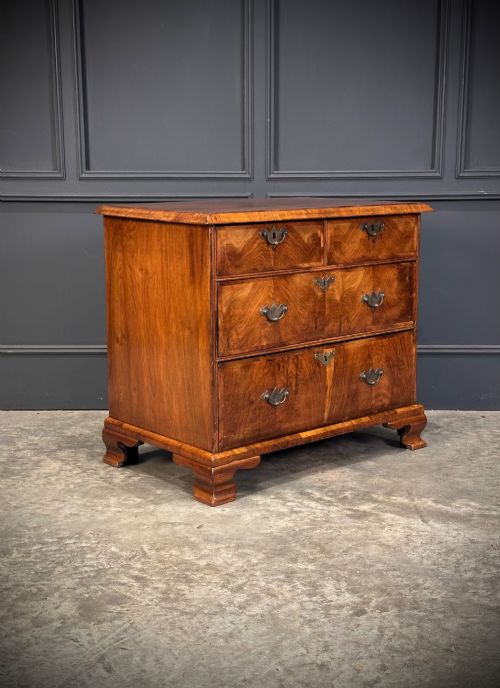
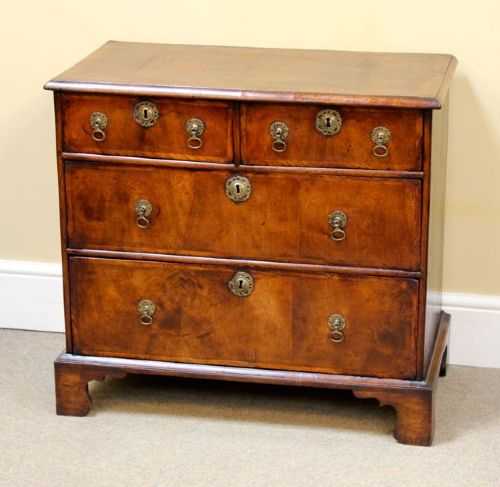
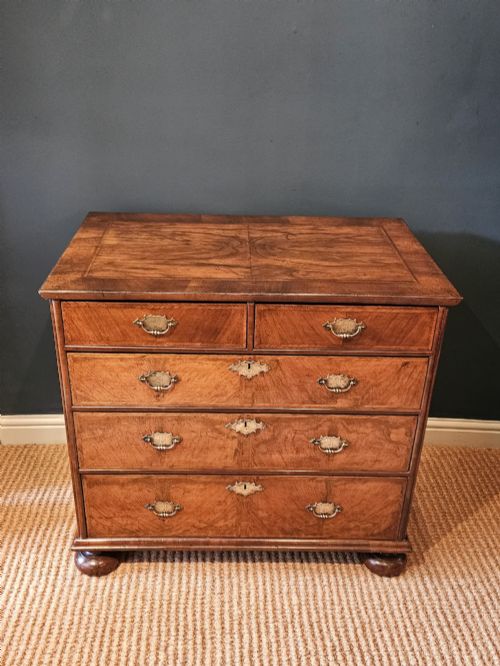
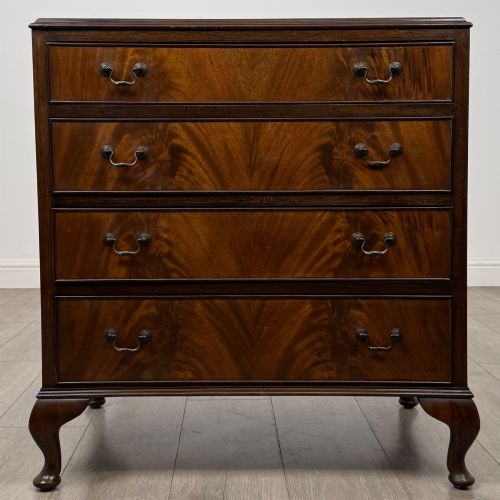
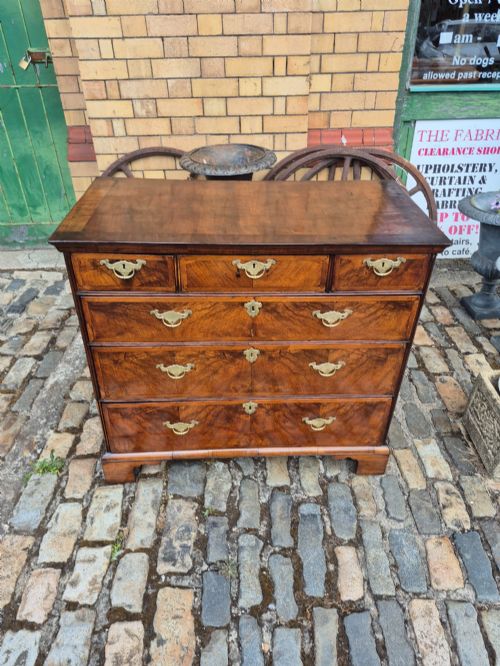
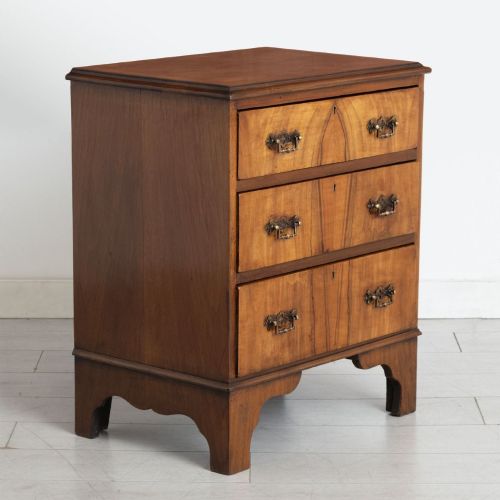
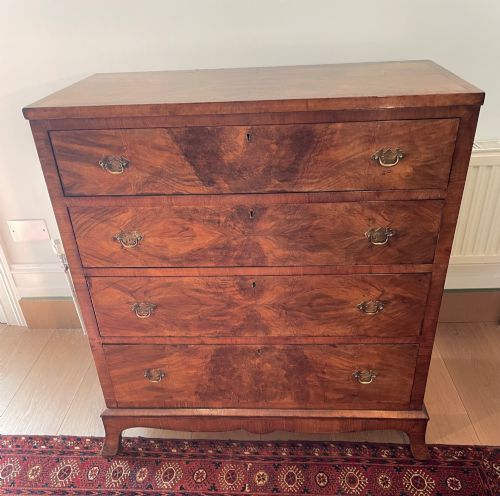
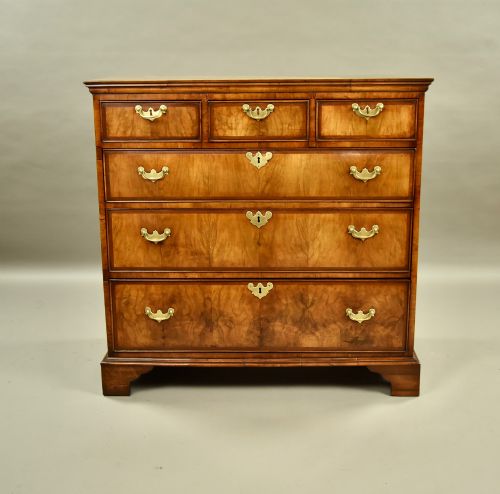
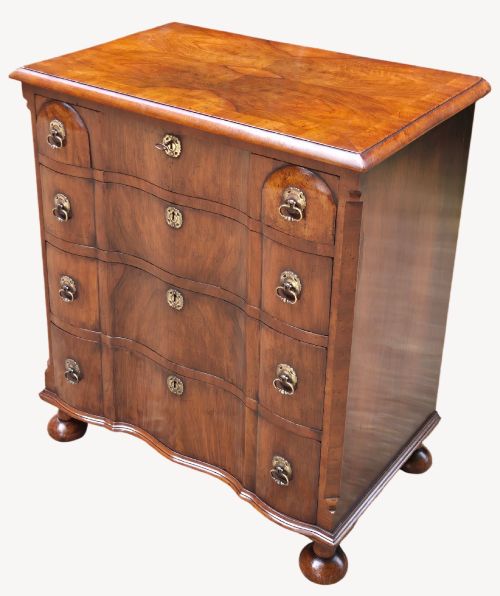
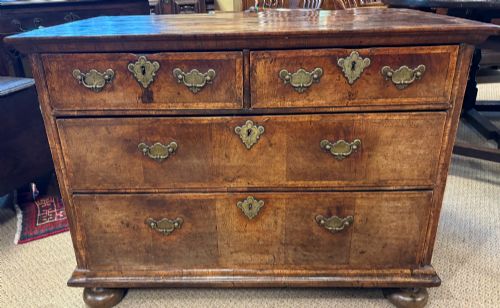
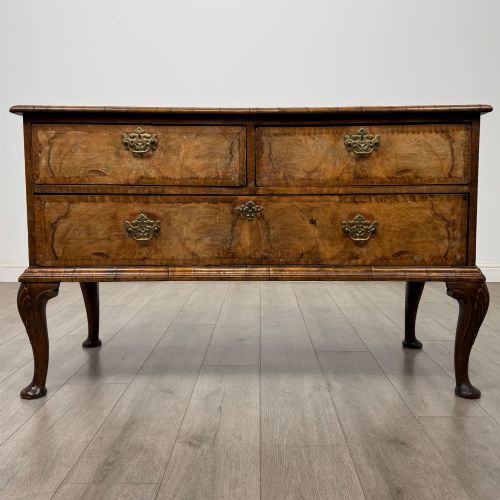
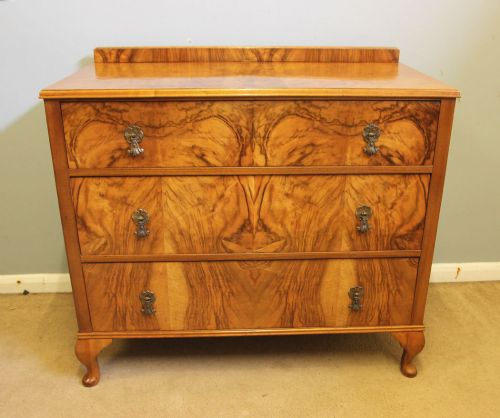
When searching for a queen anne commode, buyers encounter pieces primarily described as chests of drawers, alongside bedside cabinets and side cupboards. The selection spans authentic 18th-century examples from the seventeen-hundreds up to revival interpretations made during the 1920s and 1930s. Most items take the form of drawer units rather than traditional French commodes, reflecting period terminology.
The dominant aesthetic draws upon Queen Anne, George I, and Georgian styles, often rendered in revival forms from the Edwardian era onwards. Buyers find both compact small chests and larger configurations featuring four drawers. Originating mostly from British cabinet-making traditions, these forms prioritise domestic utility and understated elegance over excessive ornamentation.
Assessment of quality
The sophistication of the timber selection dictates the visual impact, with choice burr or figured walnut veneers commanding greater presence than plain grain. Crispness in decorative banding and inlay work reveals the hand of a more accomplished cabinet-maker. The subtlety of proportion, particularly in smaller chest formats, separates standard utility items from masterworks.
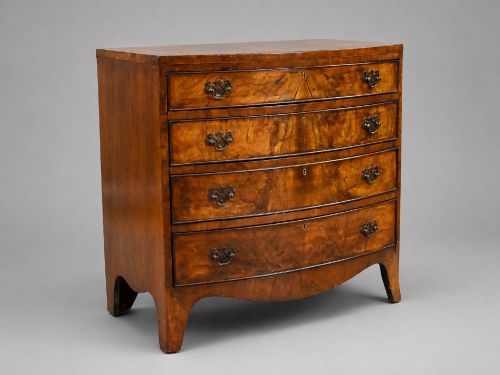
Structural integrity relies on the preservation of original veneers and the stability of secondary woods like oak and pine. Refined details such as sliding top panels or well-executed serpentine and bow front profiles elevate certain examples above straightforward rectangular chests. Original brass hardware and clean interior drawer construction further distinguish superior specimens.
Listings span from the 1700s through Edwardian revivals to 1930, uniting walnut, burr walnut, oak, and brass across chest and cabinet forms.
The Queen Anne Commode Glossary
- Burr walnut
- A figured wood harvested from the abnormal growth of a walnut tree, showing swirling knot patterns. Cabinet-makers sliced this wood into thin veneers for decorative drawer fronts.
- Herringbone banding
- A narrow inlay pattern made of small wood veneers laid in a V-shaped sequence. It frames the perimeter of drawer faces on period walnut furniture.
- Featherbanding
- A delicate banding technique using matched veneers cut diagonally to resemble bird feathers. This border work is characteristic of fine 18th-century case furniture.
- Serpentine
- A curved furniture front featuring a convex centre flanked by concave curves. This contour requires precise woodworking skill to execute smoothly across drawer fronts.
- Commode
- A term historically applied to various low chests of drawers or cabinets. In English furniture, it often describes low drawer units intended for bedroom or parlour use.
Queen Anne Commode: Frequently Asked Questions
What is a queen anne commode?
A queen anne commode typically refers to a low chest of drawers or cabinet produced during the early 18th century or in later revival styles. These pieces emphasise figured walnut timbers and subtle decorative banding.
While French commodes often feature enclosed cabinet doors, the English equivalents found in these listings are predominantly drawer-based storage units designed for domestic chambers.
How do I date a walnut chest?
Dating relies on examining construction methods, timber types, and secondary woods like oak and pine used in the interior linings. Early 18th-century pieces display hand-cut dovetails and distinct patination on the walnut surfaces.
Twentieth-century revival pieces from the 1920s or 1930s utilise machine tooling and modern adhesives while mimicking the earlier Queen Anne aesthetic.
Where were these pieces used?
These chests served primarily as domestic storage furniture in bedrooms, dressing rooms, and formal parlours. Their compact proportions made them versatile for holding linens, clothing, or personal valuables.
Today, buyers place them in living rooms, hallways, and bedrooms where their warm walnut tones complement both traditional and modern interiors.
Are all these pieces from the 18th century?
No, the selection includes both authentic 18th-century antiques and later 20th-century revival pieces made around 1910, 1920, and 1930. Makers during the Edwardian period and interwar years frequently reproduced the Queen Anne style.
Each listing specifies the particular period or approximate date to help buyers distinguish between original antique items and later interpretations.