


Queen Anne Chest Stand
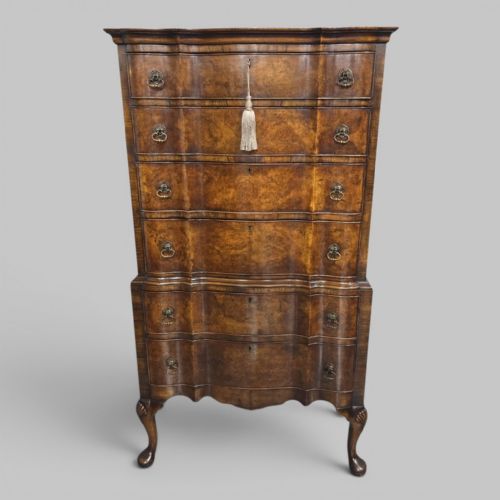
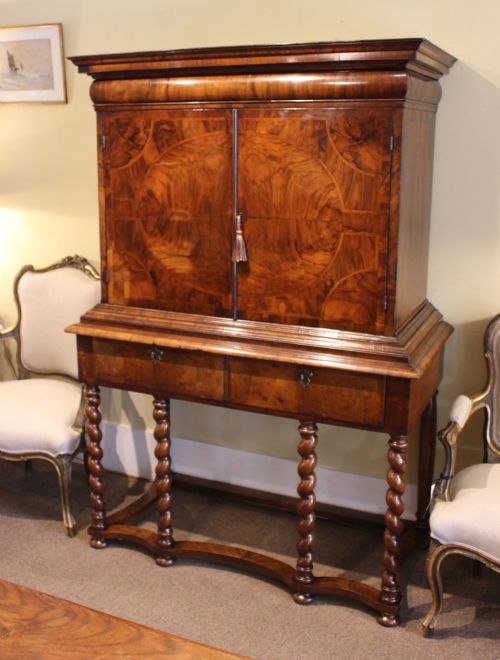
A queen anne chest stand combines an upper set of drawers with a supporting base, offering elevated storage and timeless proportion.
Understanding the queen anne chest stand
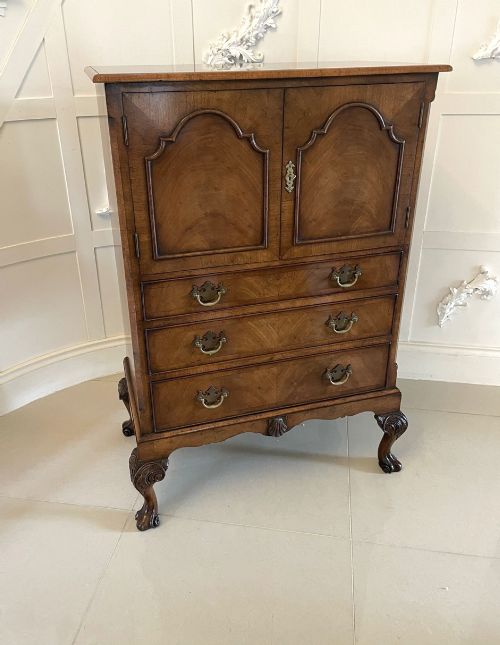
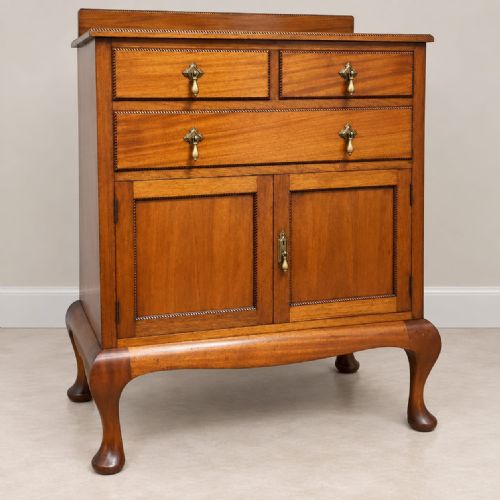
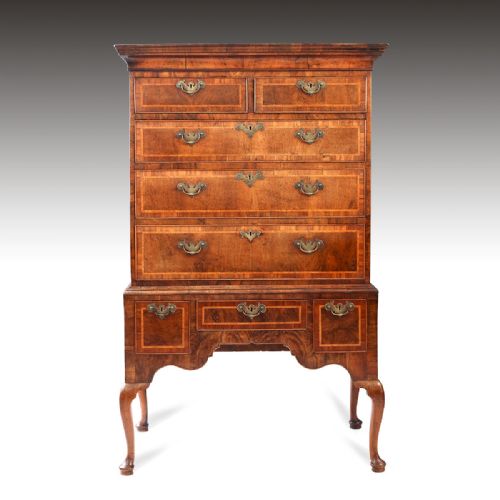
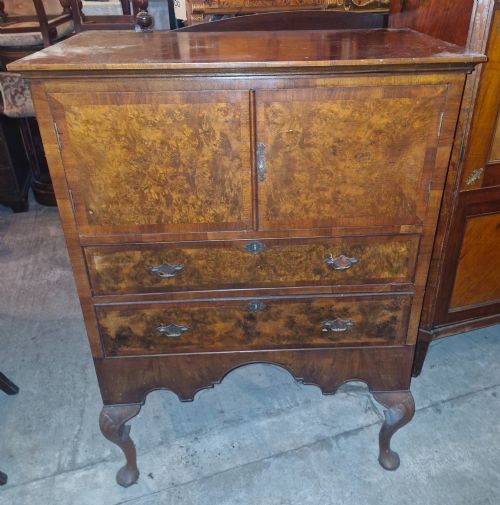
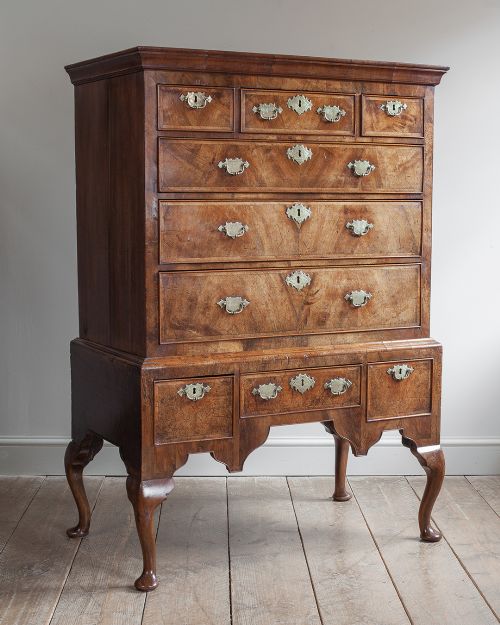
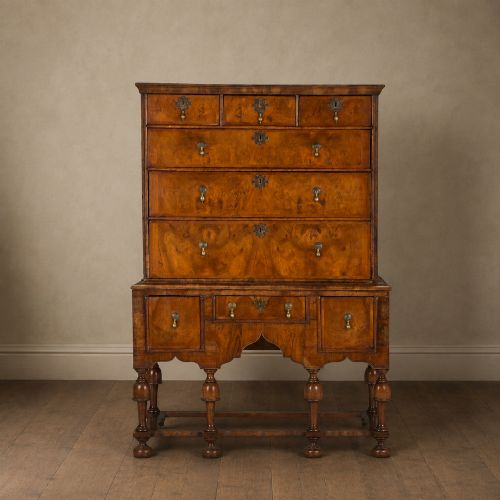
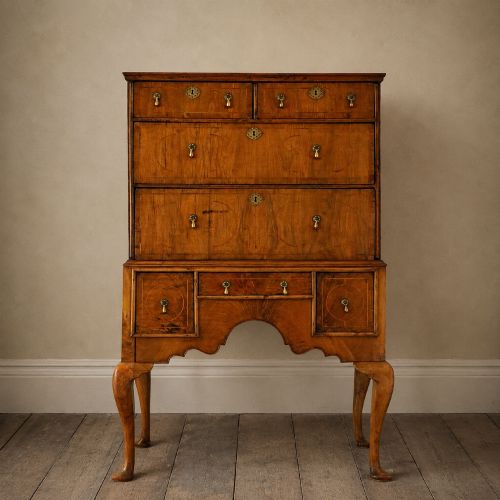
A queen anne chest stand consists of a compact drawer section raised upon a low frame or stand, designed to lift domestic storage off the floor. This form bridges the evolution from heavy cabinetry to lighter, more architectural furniture. Examples range from 18th Century originals to later revival pieces from the early 20th century.
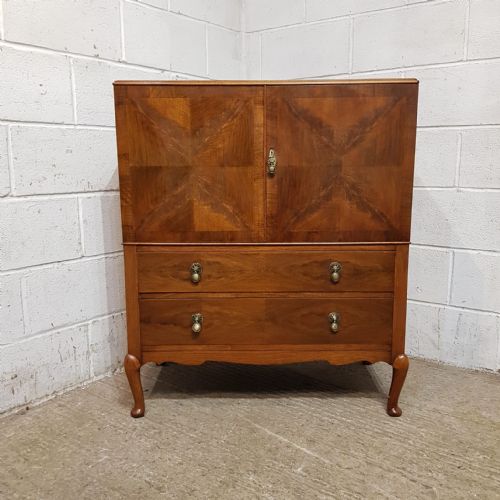
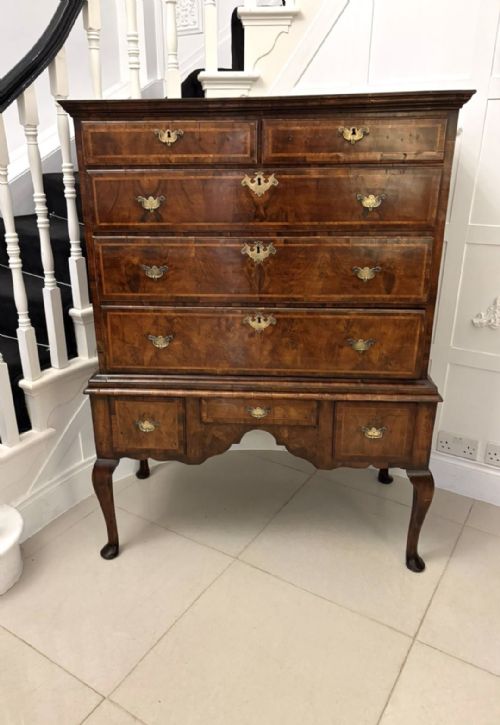
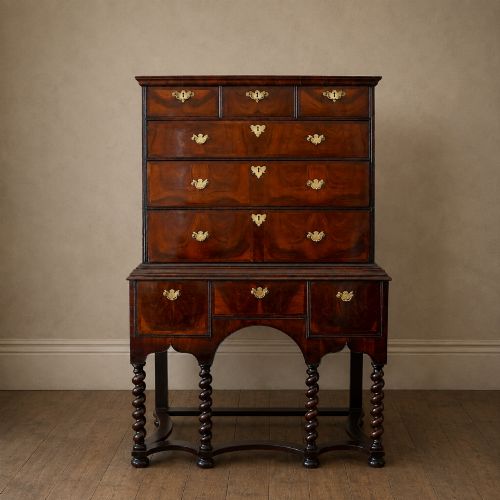
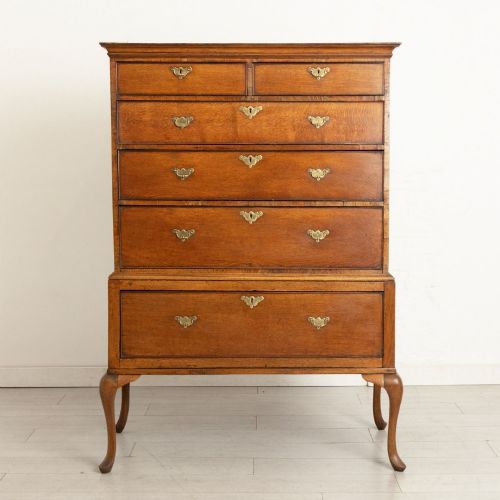
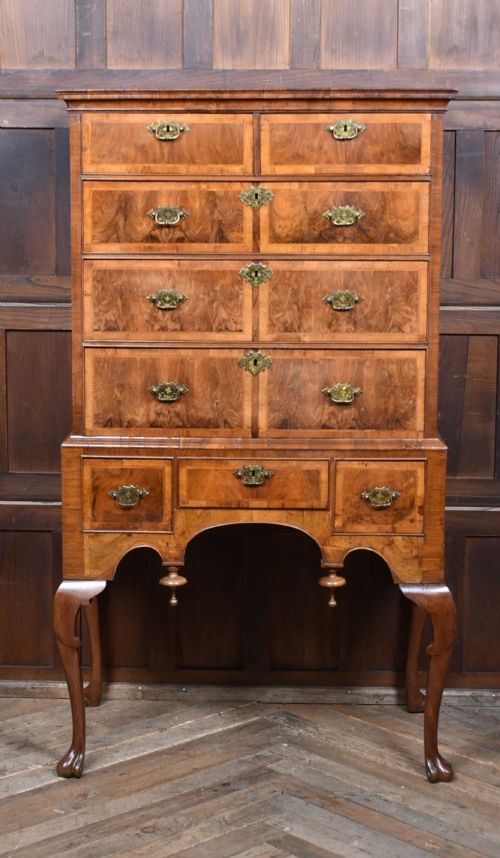
The layout typically pairs a two-part carcass featuring multiple drawers with a stand supported on legs. Surviving pieces demonstrate styles spanning the Queen Anne period, George I, George II, and later 1920 revivals. Walnut and oak dominate the construction, often enhanced by decorative surface treatments.
Buyers encounter both period examples dating near 1700 and later interpretations from the twentieth century. Forms include standard drawer configurations alongside variants featuring secretaire drawers or shaped fronts. Walnut versions frequently display figured grain patterns or contrasting veneers.

Materials and construction methods
Cabinetmakers built these pieces using primary timbers of walnut and oak, supplemented by boxwood and burr walnut for decorative effect. Brass hardware, including drop handles and escutcheons, provides functional contrast to the timber surfaces. Glass also appears in specific contexts within the surviving inventory.
Retail Price Guide 2026
Typical UK retail prices for queen anne chest stand, calculated from the Sellingantiques database of over a million retail prices indexed since 2003. This retail price guide relies exclusively on Sellingantiques data; no external sources or auction records are used, so the figures do not describe the wider market.
The inventory combines 18th-century originals with 1910 and 1920 revival pieces, utilising walnut, burr walnut, oak, brass, boxwood, and glass.
Factors that distinguish quality
The refinement of the timber selection dictates visual appeal, with figured burr walnut and carefully matched grain patterns commanding attention. Superior pieces exhibit precise execution in their crossbanding, inlay work, and veneer alignment across multiple drawer tiers.
Proportion and the integration between the upper chest and the supporting stand define structural success. Higher quality examples maintain balanced lines where the legs of the stand complement the weight of the drawers above.
The Queen Anne Chest Stand Glossary
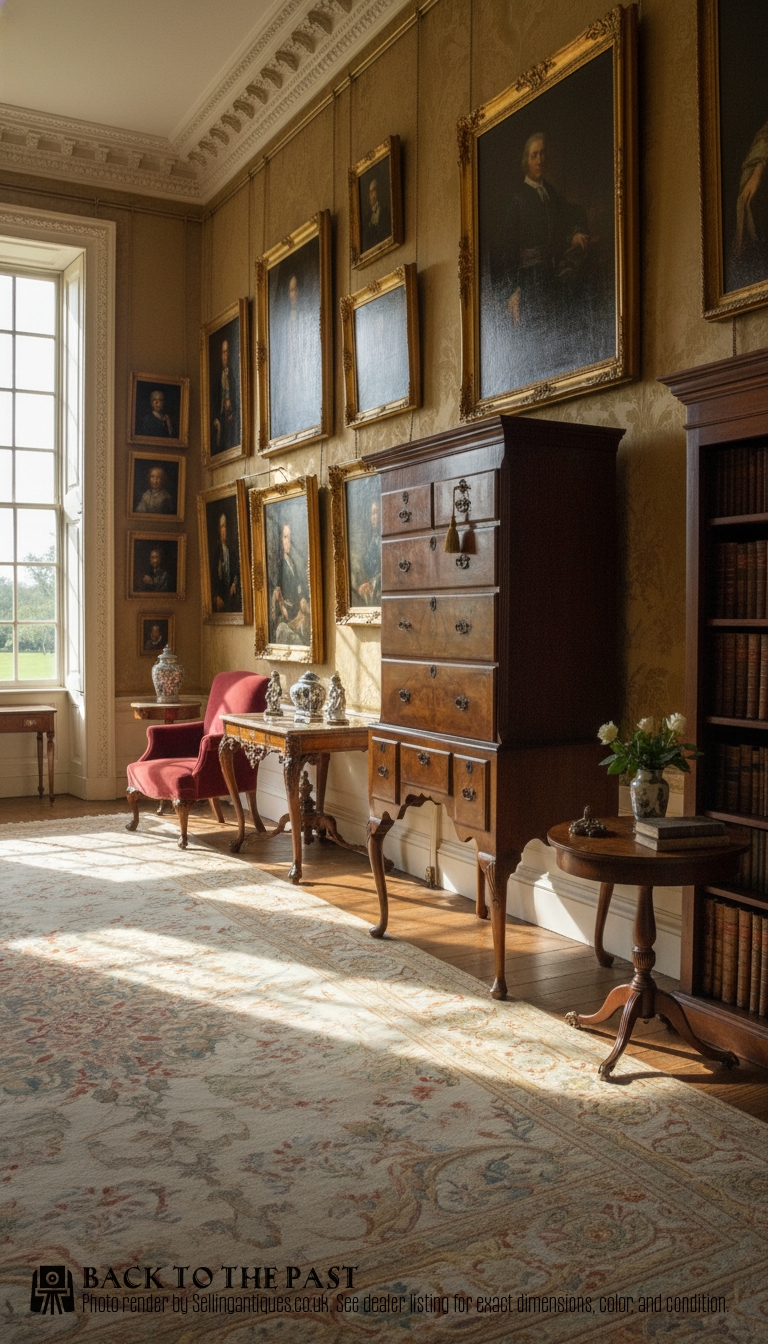
- Chest on Stand
- A two-part form comprising an upper chest of drawers mounted upon a low supporting frame with legs.
- Burr Walnut
- A decorative wood veneer harvested from the warted growths of walnut trees, prized for its swirling grain patterns.
- Oyster Veneer
- Small circular or oval slices cut from small branches and arranged to resemble oyster shells across a surface.
- Crossbanding
- A narrow strip of veneer laid around the border of a panel with the grain running perpendicular to the centre.
- Secretaire Drawer
- A drawer fitted with a drop-front that conceals a writing surface and small internal compartments.
Frequently Asked Questions
What is a queen anne chest stand?
A queen anne chest stand is a raised drawer unit supported by a distinct lower frame rather than resting directly on the floor. This form provides accessible storage while maintaining a lighter footprint than traditional tall chests.
The design reflects early 18th-century tastes for raised furniture, incorporating characteristic elements like cabriole-style supports and figured timber veneers.
How do I date a walnut chest on stand?
Dating relies on examining construction methods, timber choices, and secondary woods like oak alongside surface treatments such as oyster veneering or lacquer. Period pieces often show hand-cut dovetails and period brass hardware.
Revival pieces from the 1920s replicate these silhouettes using machine-cut elements and distinct finishing techniques that separate them from 18th-century originals.
Where were these pieces used in the home?
These units served primarily in bedchambers and private dressing rooms to store linens, clothing, and personal valuables off the cold floor. Their elevated stature protected contents from dampness.
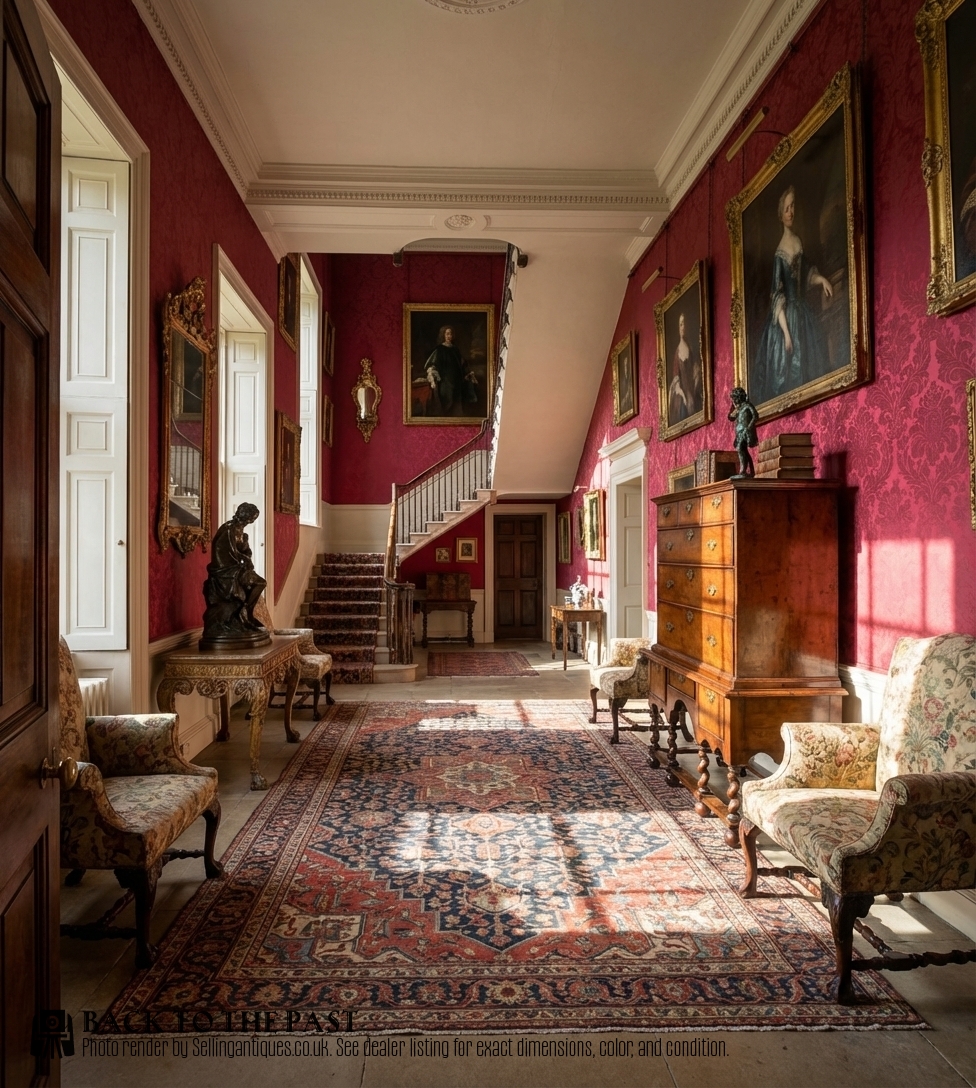
Today, they function effectively in hallways, living rooms, and bedrooms as focal storage pieces that showcase decorative wood grains.
Are all these chests made from solid walnut?
Most examples utilise walnut or burr walnut veneers applied over solid secondary timbers like oak rather than being constructed from solid walnut throughout. This technique allowed cabinetmakers to display expensive figured grain across wide surfaces while maintaining structural stability.
Boxwood stringing and contrasting inlay often frame these veneered panels to highlight the geometric layout of the drawers.