
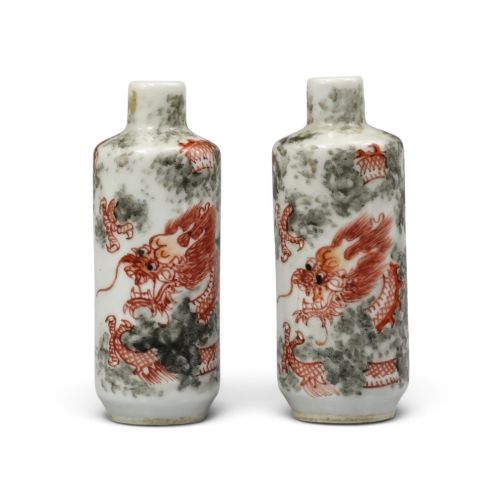


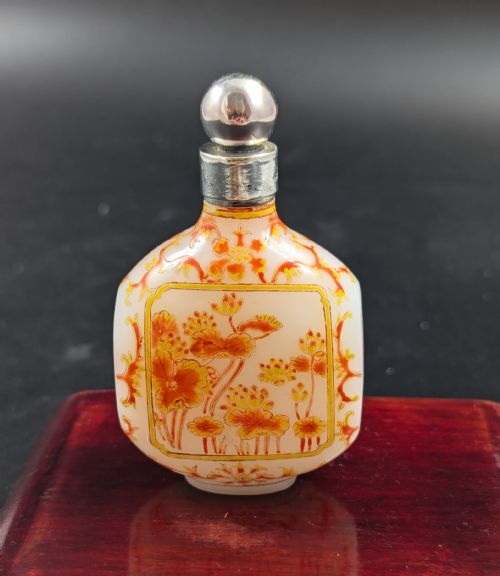


Qing Dynasty Snuff Bottle
A qing dynasty snuff bottle is a miniature vessel designed for powdered tobacco, prized for extraordinary carving and miniature painting.
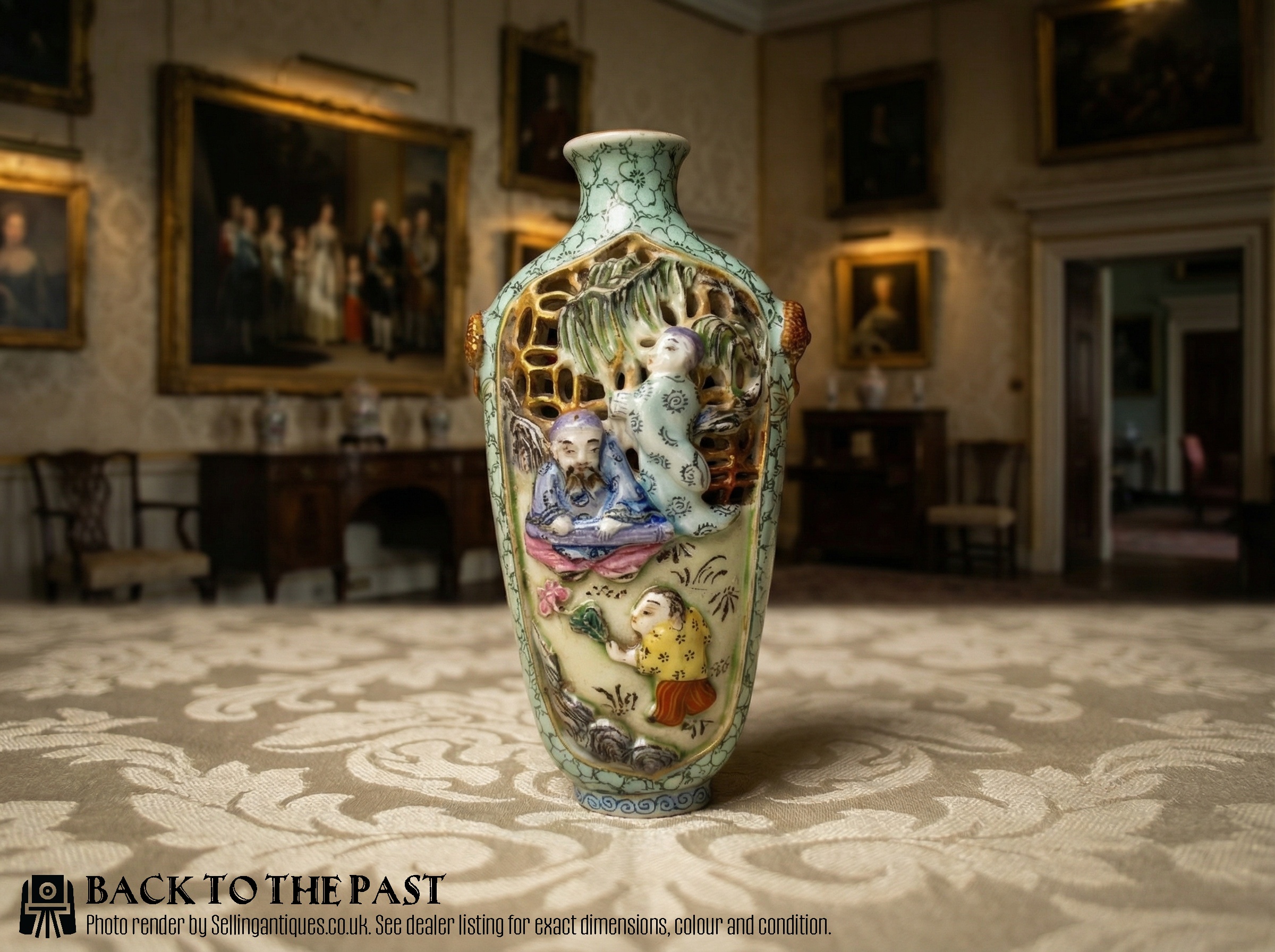
Qing Dynasty Snuff Bottle
A qing dynasty snuff bottle is a small container created to hold tobacco during the Qing period, appearing primarily as vessels with fitted stoppers. The examples seen here include porcelain, jade, glass, rock crystal, agate, and coral, often shaped as bottles or small canisters.
Buyers meet varied iterations ranging from blue and white porcelain and famille rose figures to carved hardstones and inside-painted glass. These small vessels date across the eighteenth and nineteenth centuries, reflecting the changing tastes of collectors and makers over successive reigns.
Forms extend beyond standard bottles to include matched pairs, double vessels, and lidded containers. Each piece demonstrates the miniature scale required for personal tobacco use while serving as a vehicle for intricate Chinese artistry.
Distinctions in craftsmanship
Quality rests upon the precision of the carving and the control shown in miniature painting. Superior pieces display crisp openwork, refined facial expressions on figural subjects, and perfectly balanced proportions between body and neck.
Material selection divides standard containers from exceptional cabinet pieces. High-grade items utilise unblemished spinach-green jade, translucent rock crystal, or flawless glass, whereas lesser examples show inclusions or heavier walls.
Qing Dynasty Snuff Bottle Retail Price Guide 2026
Typical asking prices for qing dynasty snuff bottle among the pieces listed under this phrase on Sellingantiques today, from the lower quarter to the upper quarter. They describe what is for sale here now, not the wider market.
Materials appearing across the inventory include porcelain, enamel, jade, turquoise, metal, hardstone, glaze, and cobalt oxide.
Guyue Xuan mark·Yong Shoutian
The Qing Dynasty Snuff Bottle Glossary
- Famille rose
- A palette of opaque enamel colours dominated by pink, introduced to Chinese ceramics during the Qing dynasty. This technique allowed for delicate shading on figural and floral designs.
- Inside-painted
- A method where an artist paints miniature scenes on the interior walls of a transparent or translucent glass bottle using a specialised bent brush. Reading the reversed imagery requires steady patience.
- Hardstone
- A generic term for semi-precious stones harder than ordinary marble, including jade, agate, and rock crystal. Artisans carved these dense minerals with abrasive wheels.
- Openwork
- A decorative technique where material is cut entirely through to create a raised pattern standing away from the background. This style appears on rock crystal and jade carvings.
- Guangxu
- A Qing dynasty reign spanning from the late nineteenth century, associated with specific porcelain and enamel productions. Pieces from this period often display distinct iron-red decoration.
Qing Dynasty Snuff Bottle: Frequently Asked Questions
What is a qing dynasty snuff bottle?
A qing dynasty snuff bottle is a small, portable container made to hold powdered tobacco during the Qing period in China. These vessels combined practical storage with miniaturised decorative arts.
Craftsmen produced them in numerous materials, including porcelain, glass, jade, and agate, often fitted with intricate stoppers and spoons for dispensing tobacco.
How were these bottles used?
Users carried these small vessels personally as status symbols and accessories, presenting them to guests during social gatherings. A small ivory or metal spoon attached to the stopper extracted the tobacco.
While intended for tobacco use, many functioned primarily as display pieces or collectibles due to their intricate interior paintings and delicate carved exteriors.
How do you display them at home?
Displaying these small pieces requires enclosed cabinet space or dedicated small shelves where their detailed carving and painting remain visible at close range. Proper lighting helps reveal the translucency of jade, glass, and rock crystal.
Due to their miniature scale, grouping them together allows viewers to appreciate variations in material and form without cluttering a room.
How do you date a snuff bottle?
Dating relies on stylistic markers, reign marks, material types, and manufacturing techniques recorded across the eighteenth and nineteenth centuries. Blue and white porcelain, crackle glazes, and inside-painted glass correspond to specific periods of production.
Comparison with documented pieces in historical archives helps establish the likely decade or imperial reign of manufacture.