


Qing Dynasty Porcelain Vessel
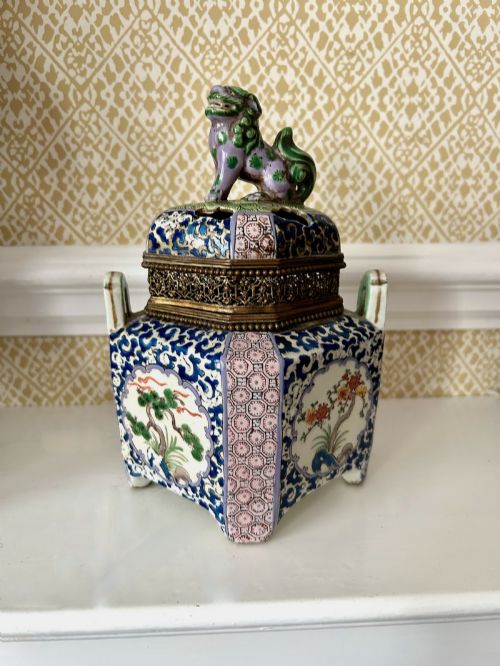
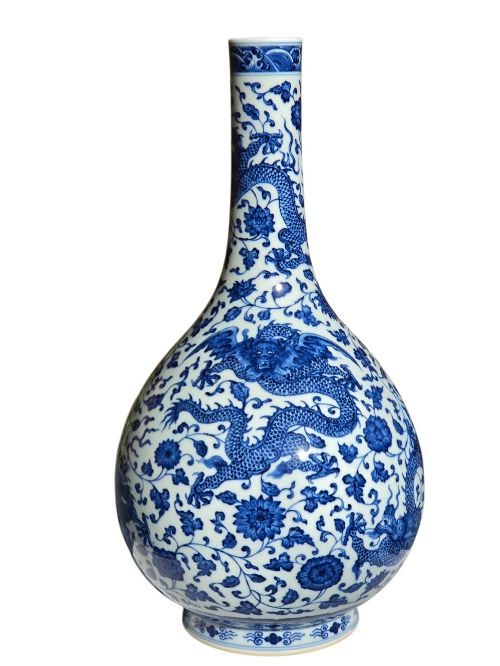
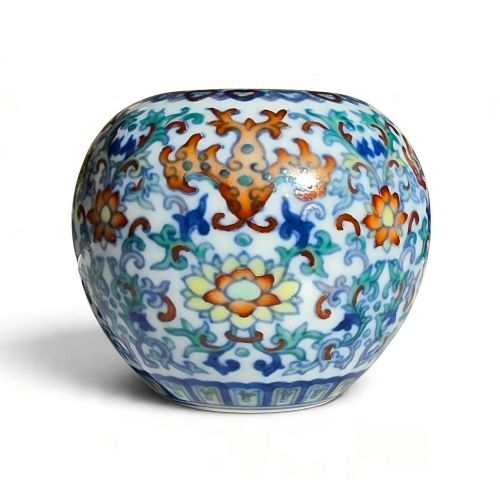
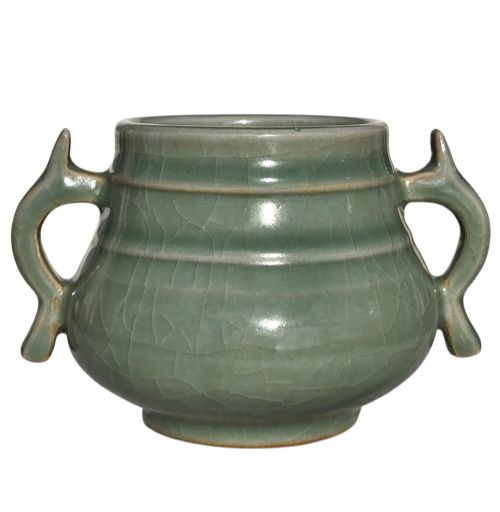
A qing dynasty porcelain vessel brings centuries of imperial craftsmanship into your home through delicate blue and white painting, rich monochrome glazes, and intricate famille rose decoration.
Qing Dynasty Porcelain Vessel
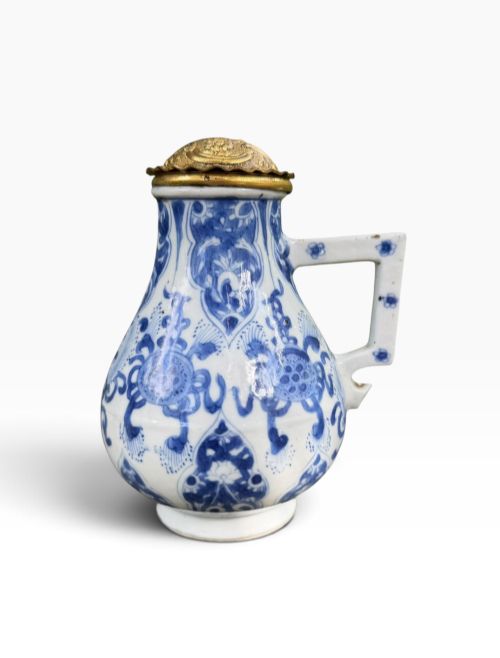
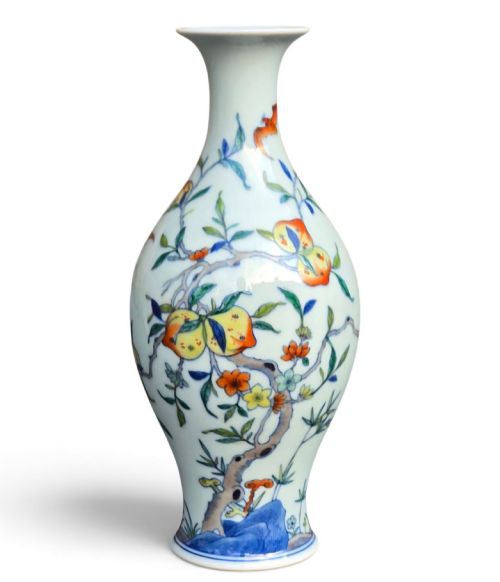
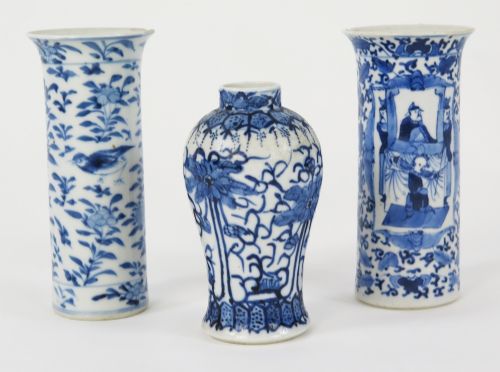
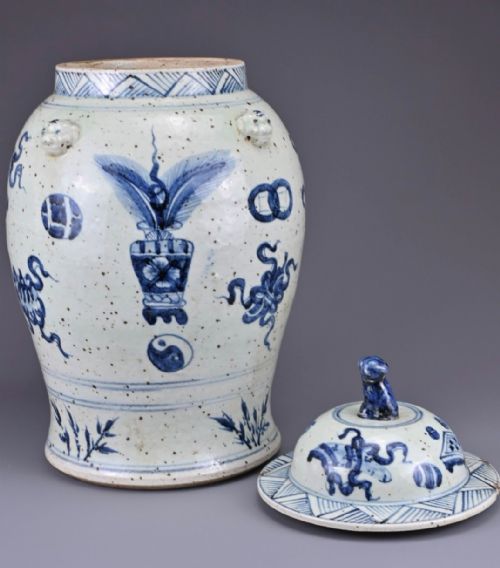
A qing dynasty porcelain vessel encompasses a wide array of utilitarian and decorative ceramic forms made during the Qing dynasty, ranging from scholar's brush pots and stem cups to large ginger jars and monumental vases. These pieces reflect the immense technical skill of Chinese kilns operating across the seventeenth, eighteenth, and nineteenth centuries.
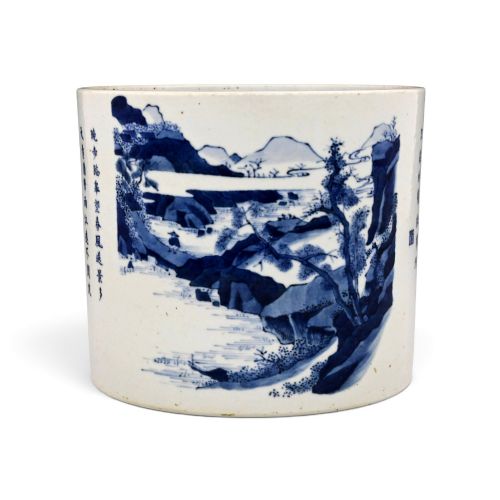
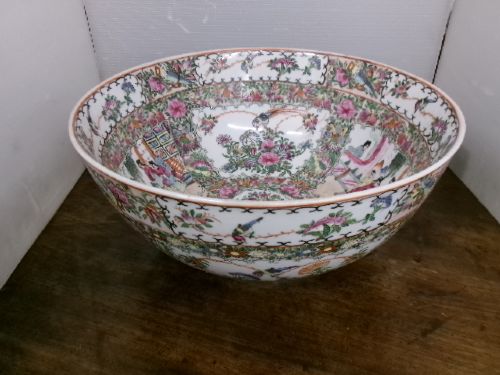
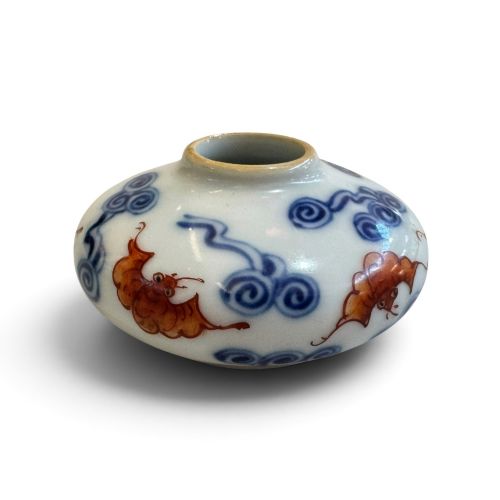
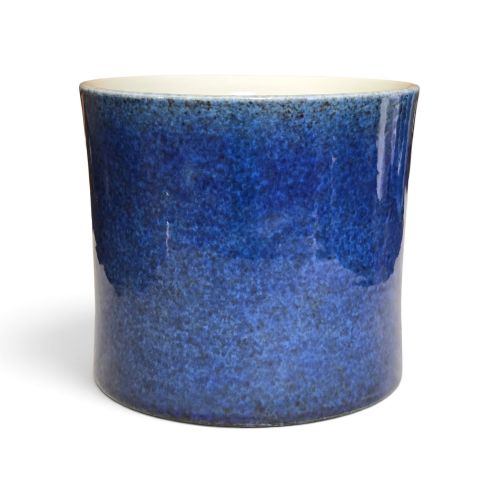
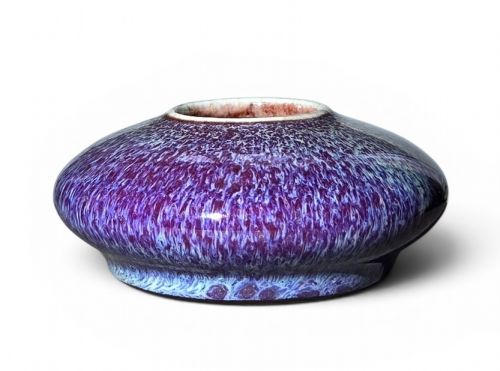
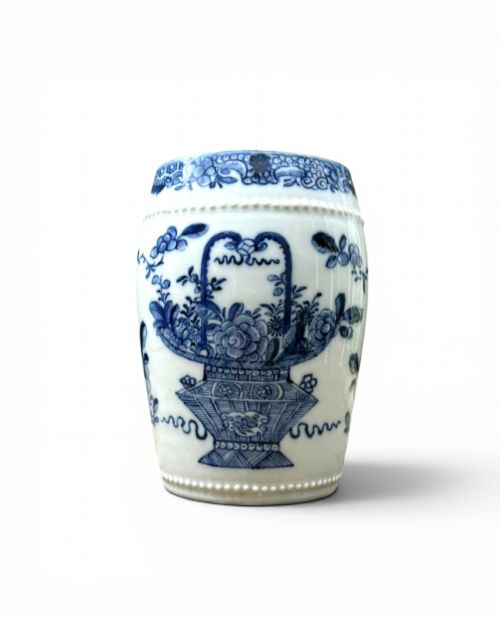
The objects available on this page most frequently take the form of blue and white scholarly vessels, famille rose jars, and monochrome glazed brush washers originating from the Kangxi, Qianlong, and Guangxu periods. Buyers will also encounter specialised items such as snuff bottles, teapots, and barrel-shaped mugs decorated with traditional motifs.
Originating from major ceramic centres in China, these vessels served scholarly, ritual, and domestic purposes within elite households before entering the global antique market. Their survival offers collectors tangible links to distinct imperial reigns and export trade networks.
Materials and Techniques
Potters shaped refined ceramic and porcelain bodies by hand or on the wheel before applying specialised mineral pigments such as cobalt underglaze, iron rust, and copper-derived flambé glazes. These mixtures were fired at high temperatures to achieve durable vitrified surfaces that resist wear over centuries.
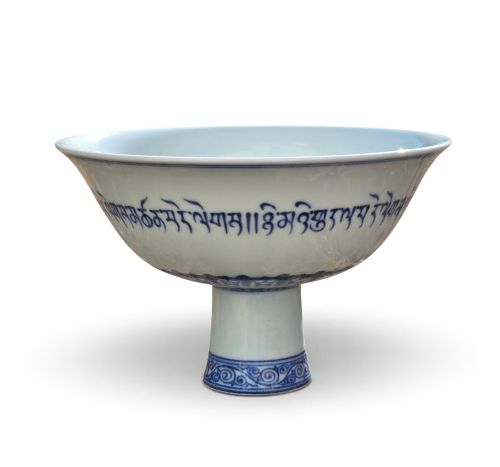
Overglaze decoration involved the careful application of enamel, gold leaf, and famille rose pigments onto previously fired porcelain, followed by a secondary low-temperature fixing fire. Artisans utilised precise brushwork to render detailed motifs including dragons, floral sprays, and Tibetan scripts.
Qing Dynasty Porcelain Vessel Retail Price Guide 2026
Typical asking prices for qing dynasty porcelain vessel among the pieces listed under this phrase on Sellingantiques today, from the lower quarter to the upper quarter. They describe what is for sale here now, not the wider market.
Materials recorded on this page include cobalt underglaze, gold leaf, famille rose enamels, and diverse monochrome glazes on ceramic bodies.
Variations in Quality
The standard of a vessel is determined by the refinement of its porcelain body, the evenness of its glaze application, and the clarity of its painted or carved details. Imperial-quality pieces display superior control over challenging reactive glazes like iron rust and flambé, whereas commercial export wares exhibit simpler, repetitive execution.
Purity of form and balance in proportion separate standard production pieces from exceptionally potted imperial commissions bearing specific reign marks. The precision of cobalt underglaze painting and the delicate execution of polychrome enamels directly reflect the training and skill of the workshop artisans.
The Qing Dynasty Porcelain Vessel Glossary
- Bitong
- A cylindrical brush holder used by scholars for organising calligraphy brushes on a desk. These vessels are frequently found in porcelain with blue and white or monochrome finishes.
- Doucai
- A decorative technique combining underglaze blue outlines with overglaze polychrome enamels. Artisans fill the blue sketched areas with vibrant colours during a second firing.
- Famille Rose
- A palette of opaque pink and pastel enamels introduced during the Qing dynasty. This style allowed artists to achieve subtle tonal gradations in floral and figural scenes.
- Meiping
- A tall, slender vase with a narrow neck and broad shoulders traditionally used for plum branches. The form requires precise throwing to maintain its elegant silhouette.
- Kangxi Period
- The reign spanning 1662 to 1722 known for vibrant cobalt blue pigments and brilliant monochrome glazes. Pieces from this era set high standards for subsequent ceramic production.
Qing Dynasty Porcelain Vessel: Frequently Asked Questions
How were these vessels used?
These vessels served diverse functions ranging from scholar's desk accessories like brush pots and washers to domestic storage jars and ritual altar censers. Many items also fulfilled decorative roles within elite Chinese interiors or were produced specifically for the international export trade.
Larger forms such as ginger jars and tall vases held flowers or dry goods, while smaller items like snuff bottles contained personal medicines or tobacco. Their varied utility reflects the integration of fine ceramics into daily imperial and scholarly life.
What do reign marks mean?
Reign marks identify the imperial dynasty and specific emperor's reign during which a piece was made or whose style it honoured. These marks typically appear as six-character or four-character script written in underglaze blue on the base of the vessel.
While original marks confirm imperial patronage or connection to a specific period, later kilns also copied earlier reign marks as a sign of respect to master potters. Evaluating the mark requires looking at the surrounding potting quality, glaze maturity, and pigment style.
How do I distinguish glaze types?
Glaze types vary from clear monochromatic coatings like Dehua blanc de Chine to reactive chemical finishes such as iron rust, tea dust, and flambé. Monochromes rely on mineral content and kiln temperature to achieve uniform colour, while underglaze cobalt creates deep blue patterns beneath a glassy surface.
Examining the texture under magnification reveals whether a finish is smooth, crackled, or speckled with metallic crystals. Each glaze formula reacts differently to the intense heat of the kiln, producing distinct visual depths.