



Qing Dynasty Porcelain Charger
A qing dynasty porcelain charger is a broad, low-sided display dish made for export or court use, valued for its scale and painted surface.
Qing Dynasty Porcelain Charger
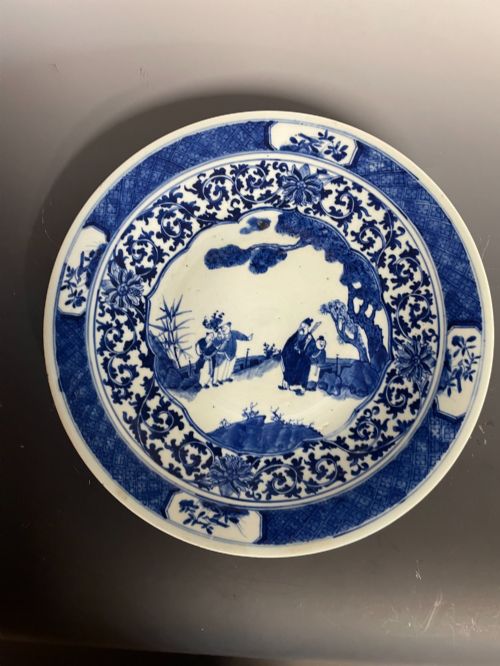
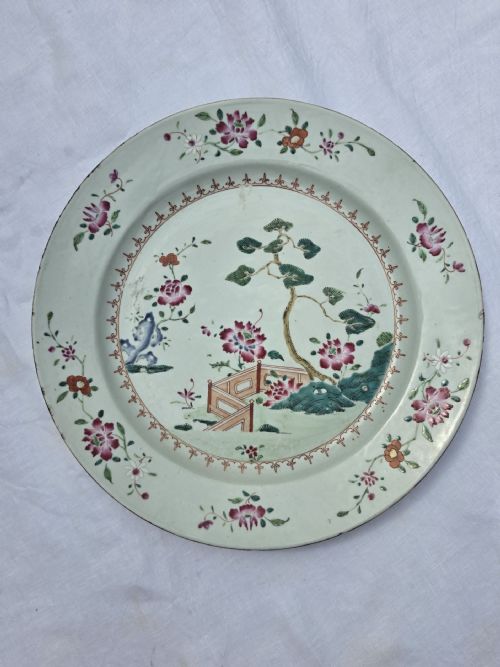
A qing dynasty porcelain charger is a broad, shallow ceramic dish created during the Qing period, appearing in forms such as large chargers, platters, and decorative plates. These pieces serve primarily as substantial display items rather than table service, owing to their generous diameter and broad central wells.
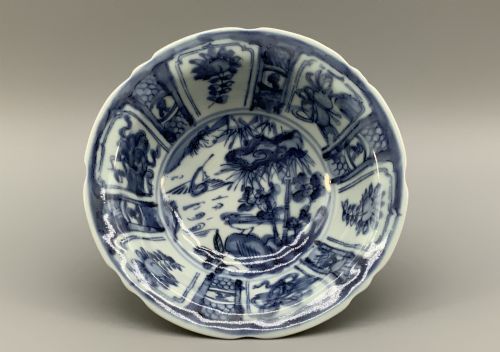
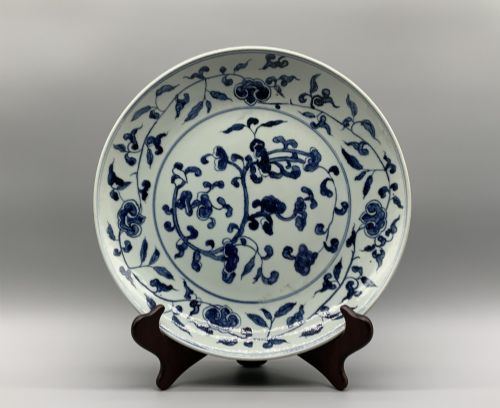
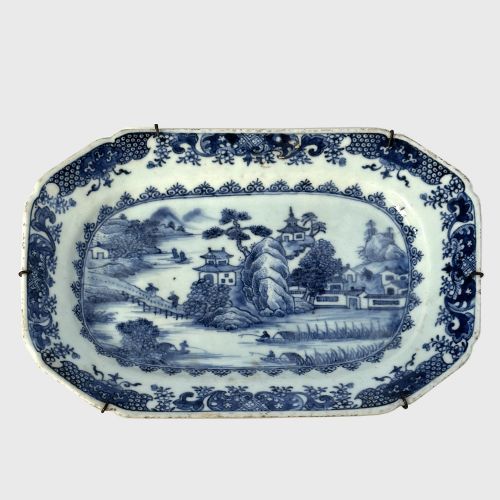
The versions met most frequently on this page span the eighteenth and nineteenth centuries, including Chinese Export styles, Kangxi period blue and white wares, and Qianlong famille rose designs. Buyers encounter both robust utilitarian shapes and finely painted imperial or export examples.
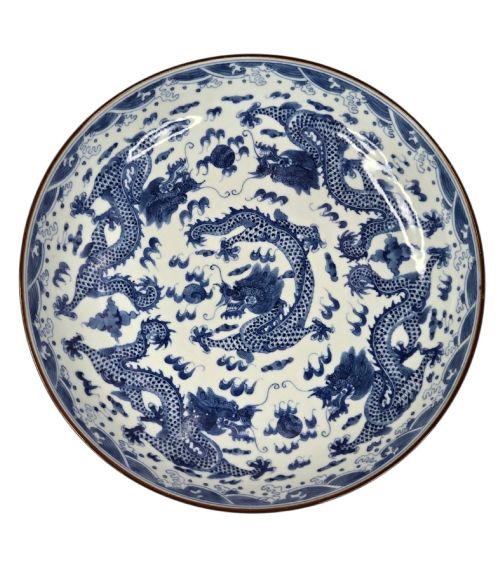
Makers and decorators utilised various motifs, from five-clawed dragons and court life scenes to floral arrangements and armorial crests. The physical presence of these chargers makes them focal points in traditional and modern interiors alike.
Evaluating quality and execution
The standard of a qing dynasty porcelain charger rests heavily on the crispness of the hand-painted brushwork and the complexity of the design. Superior examples display confident, fluid lines in scenes of court life or dragons, whereas lesser pieces show rushed or repetitive brush application.
Surface finish and glaze consistency separate fine works from ordinary production, particularly in the evenness of the enamel colours and the purity of the white porcelain ground. Pitting, warping, and inconsistent glaze pooling indicate less rigorous kiln control during firing.
The presence of period marks, such as six-character Kangxi or Guangxu marks, adds historical context, though execution quality remains the primary measure of a piece's artistic merit. The integration of gold leaf and iron-red details requires precise secondary firings that distinguish top-tier outputs.
Listings feature pieces spanning the eighteenth century, nineteenth century, and the Georgian period, utilising cobalt underglaze, enamel, and gold leaf.
The Qing Dynasty Porcelain Charger Glossary
- Charger
- A large, broad decorative plate or dish, typically exceeding thirty centimetres in diameter. These wide vessels were designed to dominate a sideboard or central table setting.
- Famille rose
- A palette of opaque overglaze enamel colours introduced in the eighteenth century, dominated by pink and rose tones. This technique allowed for nuanced shading and detailed floral or figural compositions.
- Cobalt underglaze
- A blue pigment applied to the unfired porcelain body before glazing and firing, producing deep indigo designs beneath a glossy transparent surface. It remains stable at high kiln temperatures.
- Chinese Export
- Porcelain manufactured in China specifically for western markets, combining traditional domestic forms with motifs requested by European and American buyers. These pieces frequently incorporate armorial crests or adapted Western shapes.
- Kangxi period
- The reign spanning the late seventeenth and early eighteenth centuries, celebrated for brilliant cobalt blue pigments and fine, resonant porcelain bodies. Wares from this era often feature delicate lobed rims and floral motifs.
- Hard-paste porcelain
- A dense, vitrified ceramic compound fired at high temperatures, composed of china clay and petuntse. This material is completely non-porous and rings when struck gently.
Qing Dynasty Porcelain Charger: Frequently Asked Questions
How were chargers used originally?
Historic chargers functioned primarily as grand serving platters for communal feasts or as decorative centrepieces on large sideboards and buffets. Their substantial diameter allowed them to display elaborate painted scenes rather than see heavy daily dining use.
Over time, households transitioned these large dishes entirely to display roles, mounting them on walls or placing them on stands to protect the painted enamels and delicate glazes from cutlery damage.
How do I distinguish eighteenth and nineteenth century pieces?
Eighteenth century chargers typically exhibit finer, thinner potting and more controlled cobalt underglaze or restrained famille rose palettes. The porcelain bodies tend to have a smoother, soapier feel to the touch.
Nineteenth century pieces often display heavier bodies, brighter and more densely packed enamel colours such as rose medallion, and busier borders. Mark styles and reign characters also help anchor pieces to specific imperial periods.
Can I hang a porcelain charger on the wall?
Hanging these chargers is common practice, provided you use a specialist, spring-loaded wall hanger with rubber or vinyl coated prongs that distribute pressure evenly across the rim. Avoid wire or adhesive mounts that risk stressing the ceramic body.
Ensure the wall fixing is anchored securely into a stud or uses heavy-duty wall plugs, as large porcelain chargers carry considerable weight and require stable support.
What does blue and white mean?
Blue and white refers to porcelain decorated using cobalt pigment beneath a transparent glaze, producing blue designs against a white ground. This technique reached high technical refinement during the Qing dynasty.
The style draws on centuries of ceramic tradition, utilising motifs such as dragons, landscapes, and floral arrangements that appear crisp and permanent under the glossy glaze layer.