



Qing Dynasty Flower Vase
These qing dynasty flower vase examples bring traditional Chinese forms and intricate painted details into a room.
Qing Dynasty Flower Vase
When searching for a qing dynasty flower vase, collectors encounter porcelain vessels alongside matching stands and alternative forms.
The selections span the eighteenth century through the late nineteenth century and into the early twentieth century.
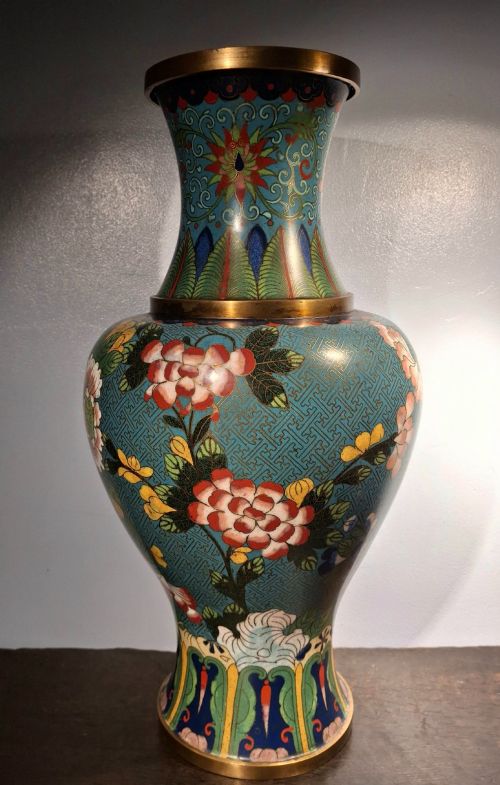
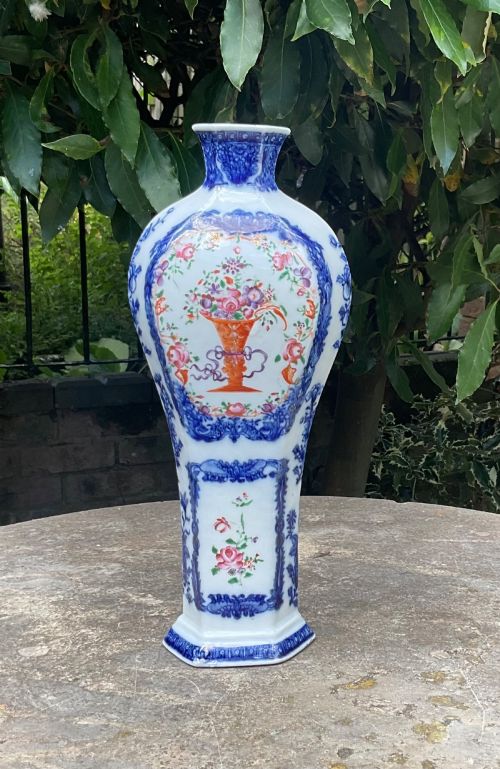
Vessels feature specific regional styles such as Canton porcelain and Chinese export work alongside bronze and cloisonne examples.
How qing dynasty flower vase items were made
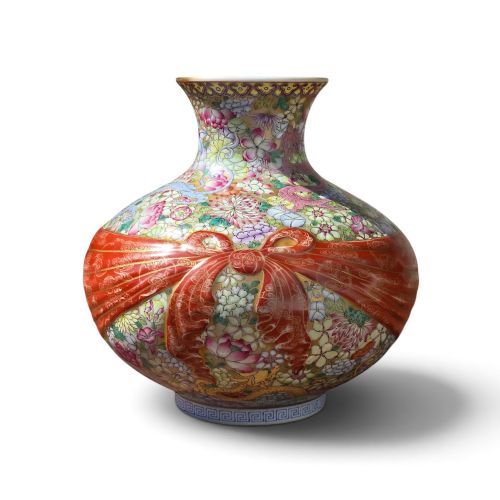
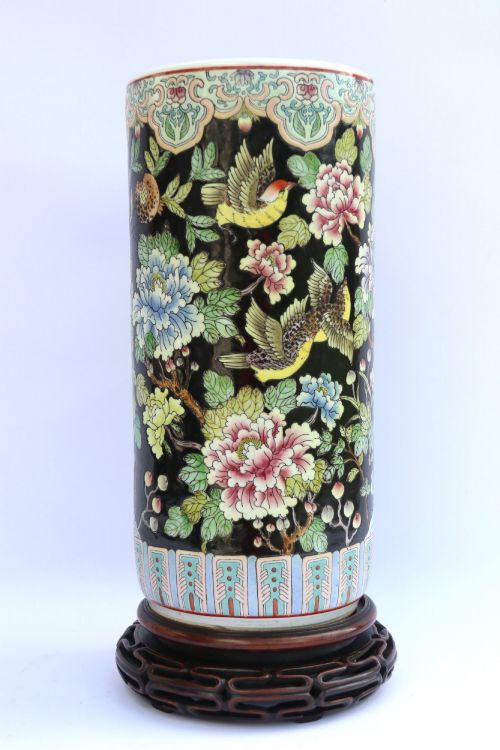
Porcelain bodies receive hand-painted enamel glaze decoration including famille rose, famille noire, and iron-red palettes.
Metal pieces utilise bronze and gilt metal combined with cloisonne enamel work.
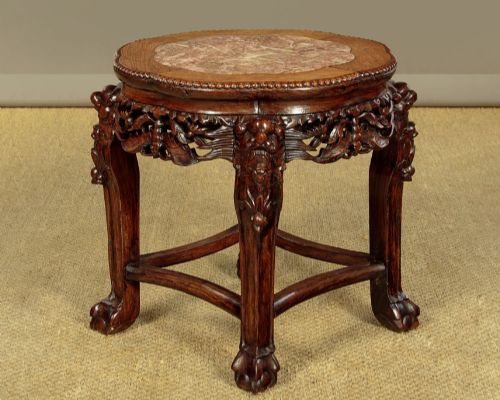
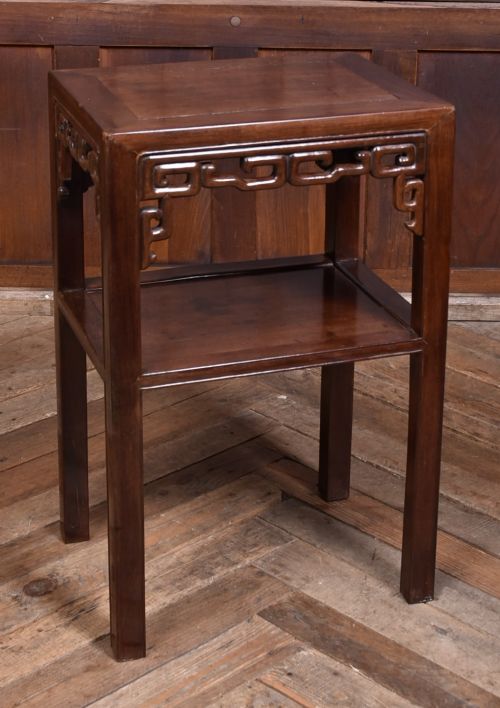
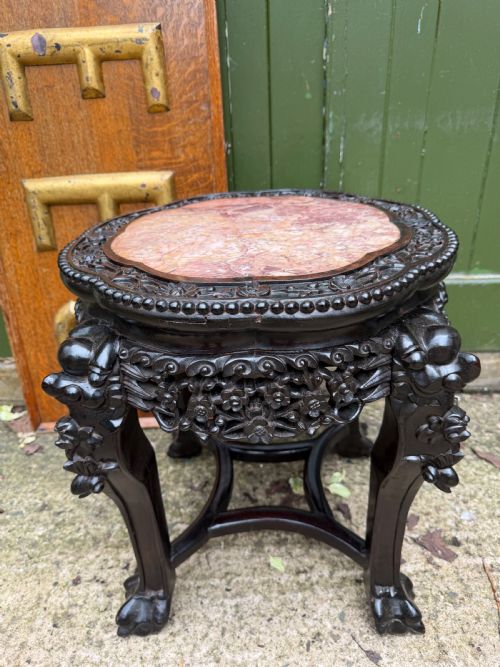
Stands and companion items employ carved hardwood such as hongmu, often incorporating inset marble tops.
Listings feature porcelain, bronze, and carved hardwood materials across eighteenth and nineteenth-century periods.
What varies in quality
The refinement of the hand-painted brushwork defines the artistic merit of each qing dynasty flower vase.
The complexity of the carved hardwood stands and the integration of original elements affect the overall composition.
The precision of reign marks and the complexity of decorative motifs such as millefleurs or dual dragons separate standard examples from finer ones.
The Qing Dynasty Flower Vase Glossary
- Famille Rose
- A major palette of Chinese ceramic glazes distinguished by opaque pink or rose enamel colours. It gained prominence during the Qing dynasty.
- Cloisonne
- An ancient metalwork technique where enamel is applied to compartments created by soldered wire strips. These pieces are fired to achieve a smooth decorative surface.
- Hongmu
- A dense, dark tropical hardwood traditionally used for fine Chinese furniture and plant stands. The term translates literally to red wood.
- Tulipiere
- A vessel designed specifically for displaying cut bulb flowers in individual spouts. Examples occasionally appear within Chinese export ceramics.
- Canton
- A major production centre for porcelain decorated in southern China for export. Pieces typically feature vibrant hand-painted floral and figural scenes.
Qing Dynasty Flower Vase: Frequently Asked Questions
How do I spot a real qing dynasty flower vase?
Examine the quality of the hand-painted enamel work and the integration of any original stands.
Check for stylistic consistency matching the eighteenth or nineteenth-century periods represented in the evidence.
What materials were used for these vases?
Potters and artisans utilised porcelain with enamel glaze, bronze, and gilt metal.
Associated stands are typically constructed from carved hongmu hardwood with inset marble panels.
How should I display a plant stand?
These carved hardwood stands accommodate jardiniere vessels, lamps, and decorative vases.
They function as low occasional tables or dedicated display furniture within a room.
Are marks important on these pieces?
Imperial marks such as Qianlong or Guangxu appear on specific ceramic and metal items.
These inscriptions help contextualise the period of production alongside stylistic evidence.