

Oriental Enamelled Urn
When searching for an oriental enamelled urn, collectors find decorative bronze, porcelain, and brass vessels from Japanese and Chinese workshops.
Oriental Enamelled Urn
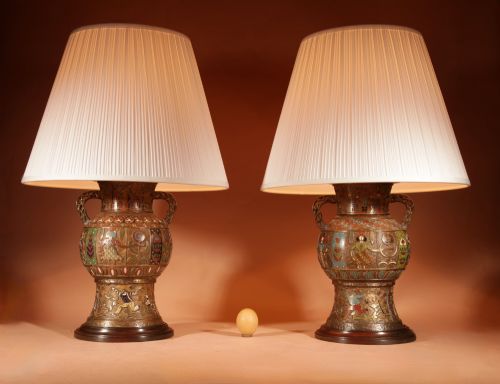
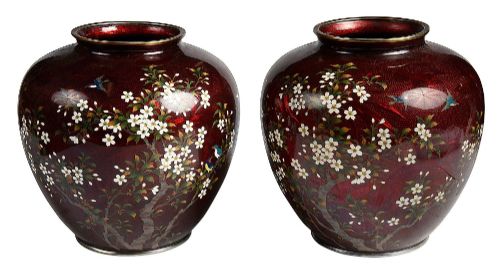
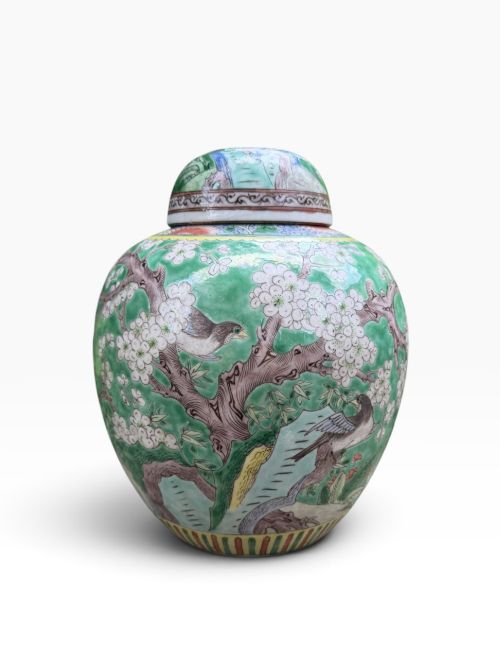
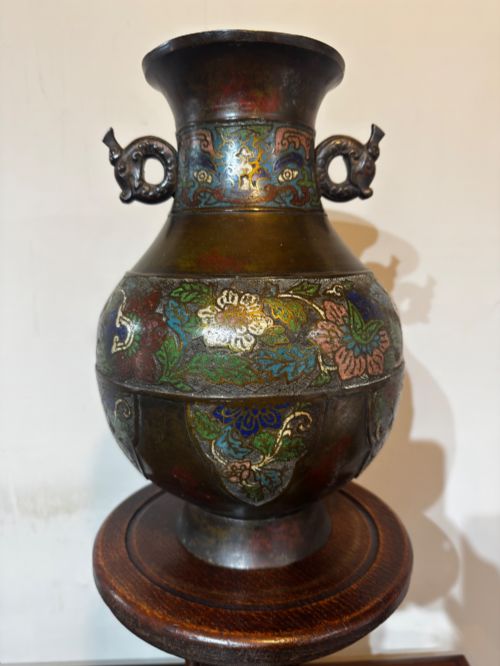
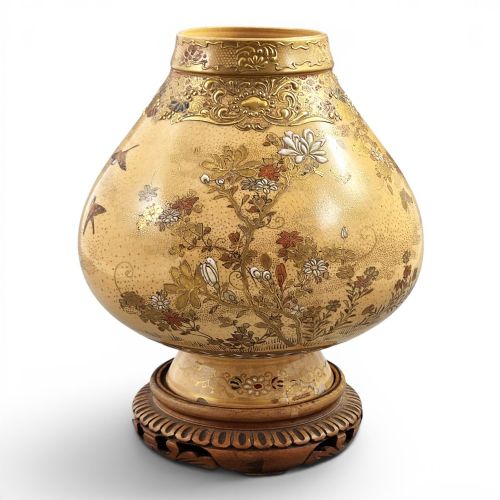
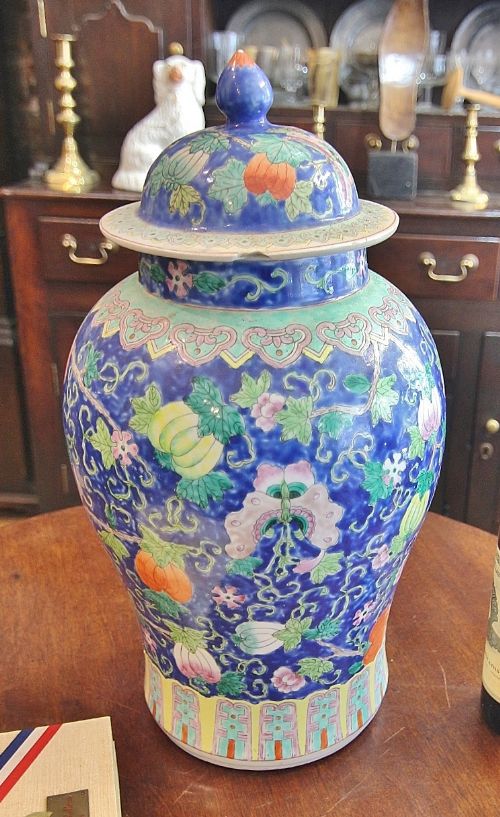
An oriental enamelled urn encompasses vessel forms such as vases, ginger jars, and censers spanning the nineteenth and early twentieth centuries. These pieces originate from Japanese Meiji and Chinese Qing contexts, frequently displaying intricate enamel work over bronze, brass, or porcelain bodies.
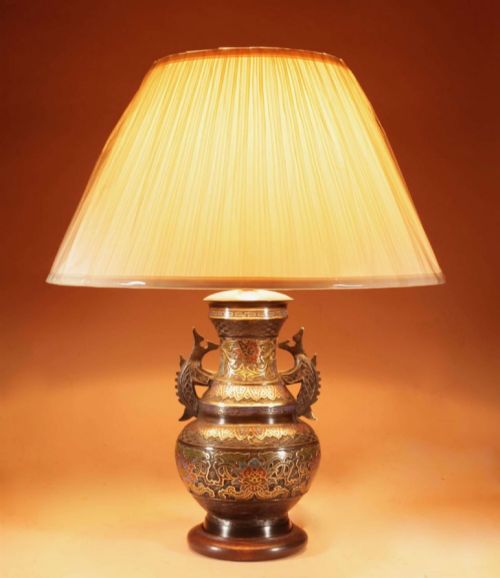
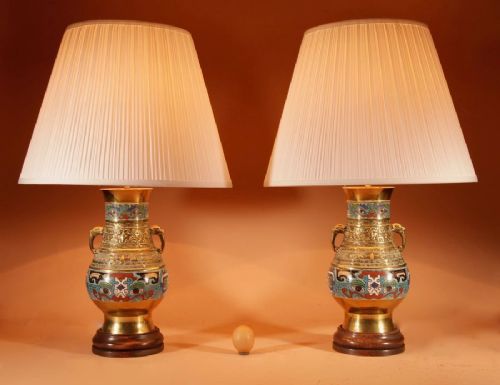
The inventory on this page highlights a strong presence of Japanese Satsuma earthenware and cloisonné alongside Chinese porcelain and champlevé bronze. Buyers encounter everything from monumental palace vases to smaller table lamps adapted from traditional vessel forms.
How They Were Made
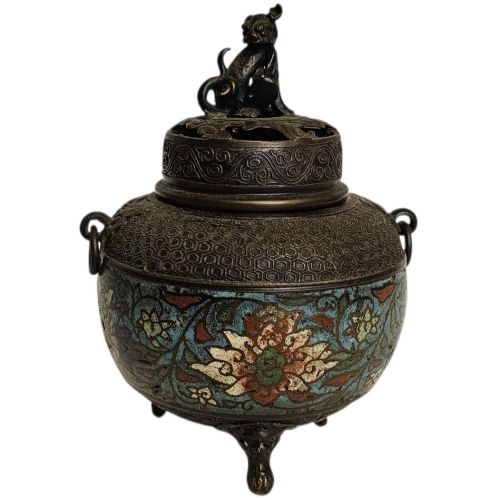
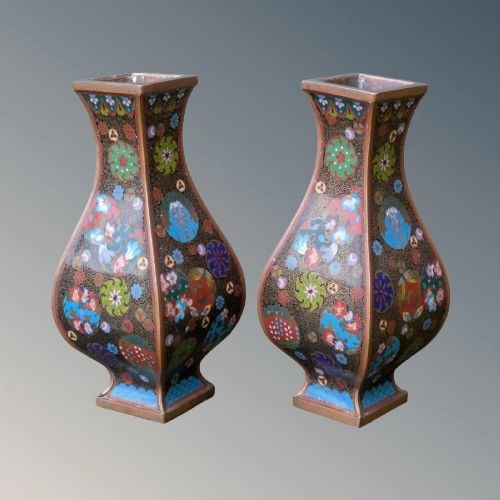
Cloisonné and champlevé techniques utilise metal wire or cast recesses soldered onto bronze, brass, or copper bases to create cells that hold vitreous enamel pastes before firing. Japanese and Chinese artisans applied gold leaf and detailed hand-painted pigments over these metallic foundations.
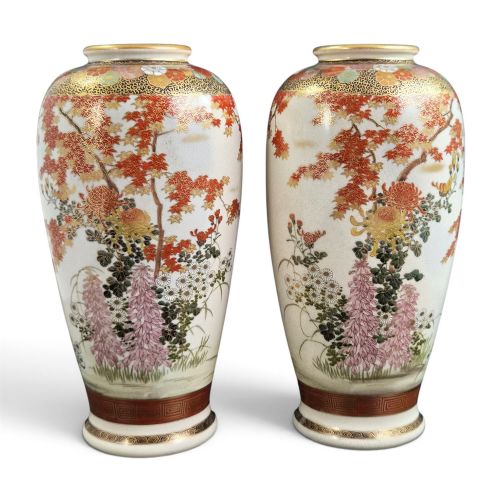
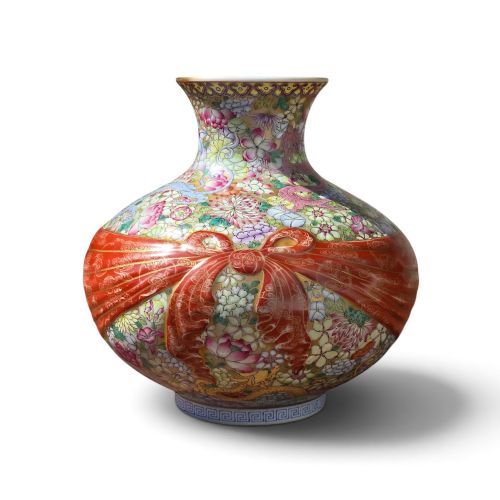
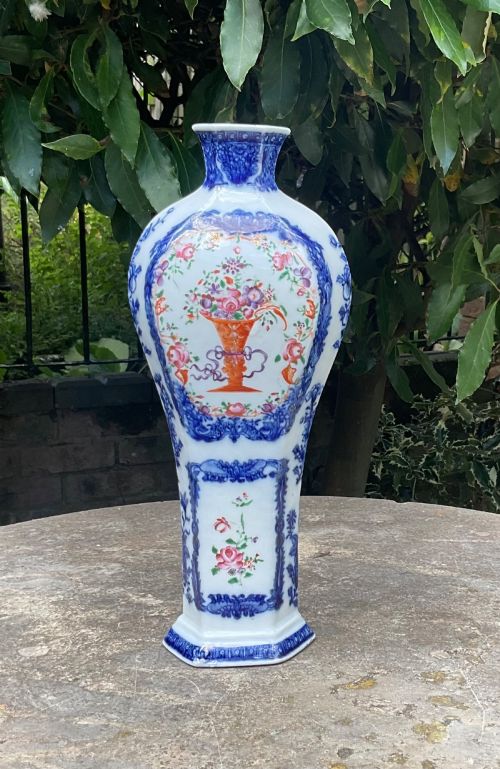
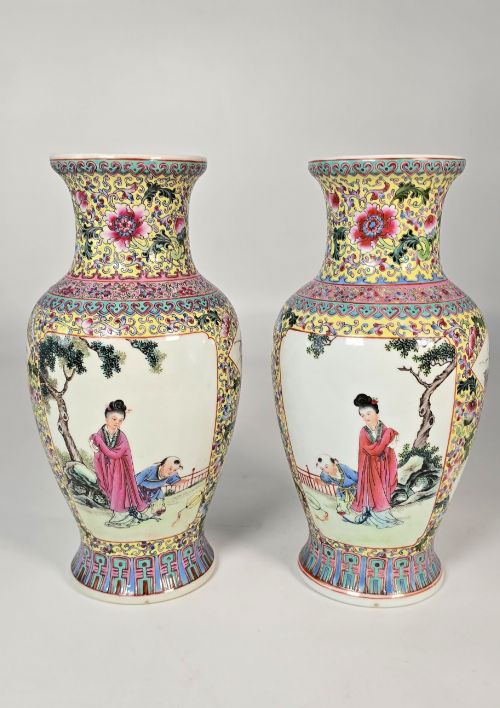
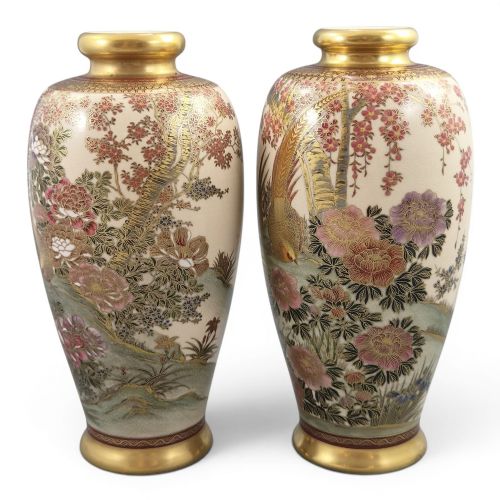
Satsuma wares employ earthenware bodies finished with cream-coloured cracked glazes, which painters then decorated using enamels and raised moriage gilt work. Chinese porcelain pieces rely on high-fired ceramic bases painted with famille rose pigments or monochrome grounds.
Fish, phoenixes, and dragons populate the metal cells and ceramic glazes, watching over centuries of quiet rooms.
What Varies in Quality
Quality rests upon the precision of the metalwork cells in cloisonné pieces and the delicacy of brushwork on Satsuma or famille rose porcelain surfaces. Finer items exhibit dense, controlled patterning and substantial metal or ceramic weight rather than hasty application.
Signatures from established workshops or identifiable makers elevate a piece, as do matched pairs and undamaged enamel grounds free from heavy surface loss.
Maruni Kobe·Manpei·Kinkōzan Workshop·Kinzan·Makuzu Kozan II·Seiko-en Chokei·Hakusan·Hododa·Nanzan
The Oriental Enamelled Urn Glossary
- Cloisonné
- Enamelling technique where flat metal wires are soldered to a metal base to form compartments filled with paste and fired. This method creates distinct cellular patterns across bronze and copper vessels.
- Champlevé
- Enamelling process where troughs or cells are carved directly into the surface of a bronze or brass body to receive coloured glass pastes. The remaining metal walls form the outlines of the design.
- Satsuma
- Japanese earthenware pottery featuring a crackle-glaze finish painted with polychrome enamels and raised gilt detailing. These wares often depict court figures, landscapes, or floral motifs.
- Moriage
- Japanese ceramic decoration technique using piped clay slips to build up raised surfaces before gilding and painting. This adds tangible texture to robes, flowers, and borders.
- Famille Rose
- Chinese porcelain palette dominated by opaque pink or rose enamel introduced during the Qing dynasty. The style includes delicate shades of green, yellow, and blue alongside iron-red.
Oriental Enamelled Urn: Frequently Asked Questions
How do I identify a Satsuma urn?
Satsuma pieces feature a distinctive ivory-coloured earthenware body covered in a fine network of crackled glaze. They are traditionally decorated with detailed hand-painted figures, flora, and heavy raised gold moriage work.
Many examples bear artist signatures or workshop marks on the base, helping to date them to the Meiji period or early twentieth century.
What is the difference between cloisonné and champlevé?
Cloisonné involves soldering thin metal wires onto a bronze or copper base to form raised compartments that hold coloured enamel pastes. The wire outlines remain visible on the finished surface.
Champlevé instead uses gouges or casting to recess the design directly into the thick bronze or brass body before filling the hollows with enamel.
How were these urns originally used?
Many large oriental urns served as decorative display pieces in nineteenth-century interiors, acting as focal points in reception rooms and galleries. Others functioned as temple water dispensers, incense burners, or storage ginger jars.
Some later examples were subsequently converted into table lamps during the Edwardian period or the early twentieth century.
How should I care for an enamelled metal urn?
Dust the surface gently with a soft, dry cloth to prevent accumulation within the enamel cells or recessed metalwork. Avoid using liquid cleaners, chemical polishes, or abrasive cloths that might damage fragile gilding or enamel.
Keep the vessel away from direct sunlight and damp environments to protect both the metallic body and the fired glass surfaces.