
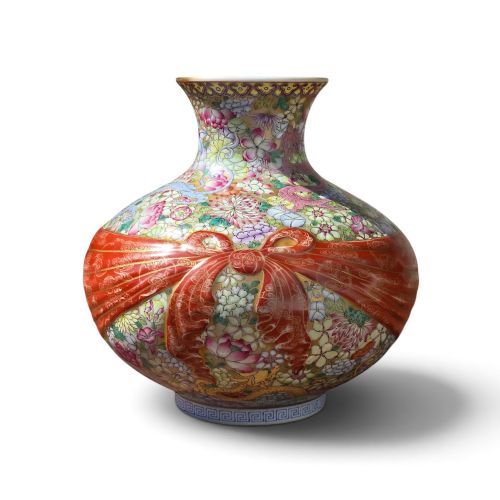


Chinese Glazed Pottery Vase
These Chinese glazed pottery vase examples bring historic ceramic art into modern interiors through enduring forms and rich glazes.
Chinese Glazed Pottery Vase
A Chinese glazed pottery vase combines centuries of ceramic tradition with diverse decorative styles spanning from early dynasties to the twentieth century. These vessels range from utilitarian jars to refined display pieces created across multiple historical eras.
Buyers on this page most frequently encounter nineteenth-century pieces alongside Republic Period and earlier examples. Forms vary from globular shapes and table lamps to traditional vases finished in distinctive monochrome and polychrome glazes.
Materials and construction
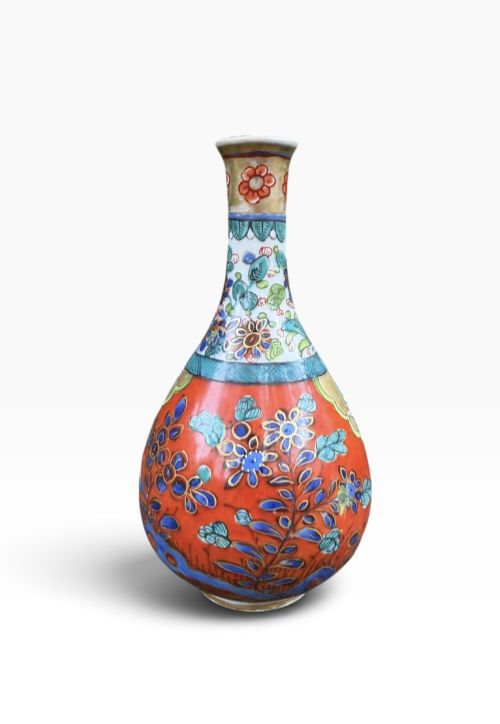
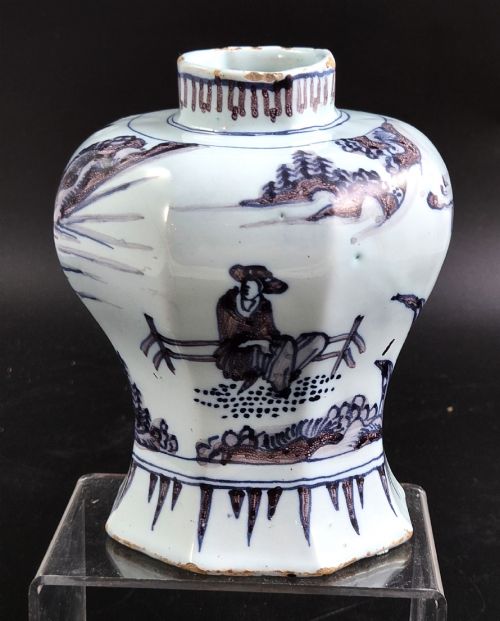
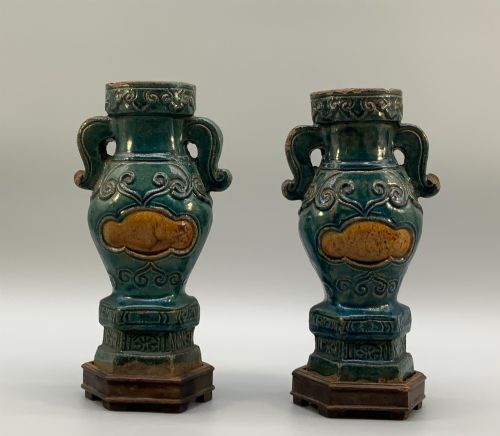
Potters utilised foundational materials including porcelain, stoneware, and earthenware shaped into distinct vessel forms. Artisans then applied specialised mineral coatings such as cobalt glaze, lead glaze, tea dust, and turquoise and amber pigments.
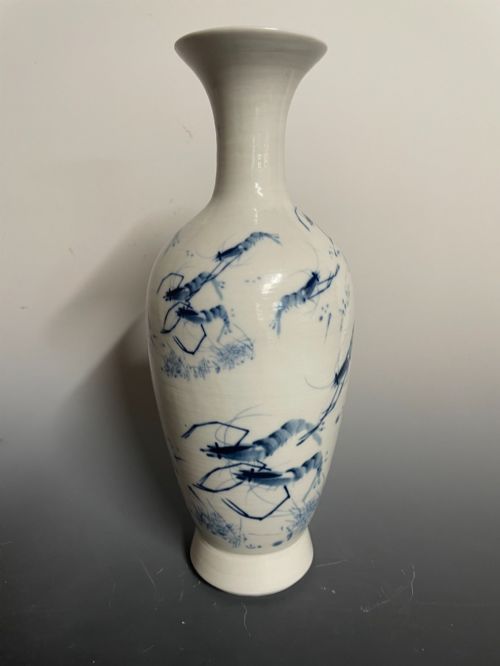
Firing techniques determined the final surface character, producing everything from smooth crackelware finishes to vibrant famille rose enamels and iron-red details. Some vessels incorporate secondary elements of wood, brass, or fabric fittings.
Listings feature periods ranging from the Song dynasty and Ming dynasty through the Qing dynasty and Republic Period.
Assessing quality
Quality rests upon the precision of the throw, the depth and control of the glaze, and the clarity of painted or moulded details. Finer pieces display harmonious proportions and sophisticated surface reactions that reveal the potter's mastery.
Signatures, reign marks, and period-specific decorative motifs further distinguish exceptional examples from standard production. The preservation of the original glaze surface remains a central consideration for discerning collectors.
Gao Hengsheng
The Chinese Glazed Pottery Vase Glossary
- Celadon
- A pale green jade-like glaze originating in historic Chinese kilns. This subtle finish highlights carved or moulded surface patterns beneath.
- Crackelware
- Pottery featuring a deliberate network of fine cracks in the glaze layer. The technique arose from differing thermal contraction rates between the body and the surface coating.
- Famille rose
- A prominent palette of opaque pink and rose enamels introduced during the Qing dynasty. Artists used these pigments to render detailed figurative and botanical scenes.
- Flambe
- A streaky, mottled high-temperature glaze featuring dramatic colour transitions. Copper fluxes typically create these unpredictable pools of red, purple, and blue.
- Ming dynasty
- A historic imperial period spanning multiple centuries known for vigorous forms and cobalt blue painting. Ceramics from this era hold significant historical weight.
Chinese Glazed Pottery Vase: Frequently Asked Questions
How do I identify a Ming dynasty piece?
Examination of the clay body, weight, and characteristic cobalt or monochrome glazes helps determine early origins. Stylistic traits align with historical production standards of the time.
Consulting reference books on Chinese ceramics provides further comparative details for verification.
What is tea dust glaze?
Tea dust glaze is a crystalline iron-rich surface treatment producing a matte, speckled greenish-brown texture. It gained particular favour during the Qing dynasty.
The mottled appearance resembles powdered green tea leaves scattered across the vessel.
How should I clean my vase?
Dusting gently with a soft, dry cloth is usually sufficient for routine maintenance. Avoid harsh chemical cleaners or abrasive pads that might damage historic glaze surfaces.
Water immersion should be avoided, especially for pieces with converted lamp fittings or porous earthenware bodies.
Are these vases waterproof?
Many older ceramic vessels, particularly earthenware or porous bodies, may allow moisture to seep through over time. Using a small glass insert protects the interior if holding fresh flowers.
Stoneware and porcelain variants are generally more impervious to water.