

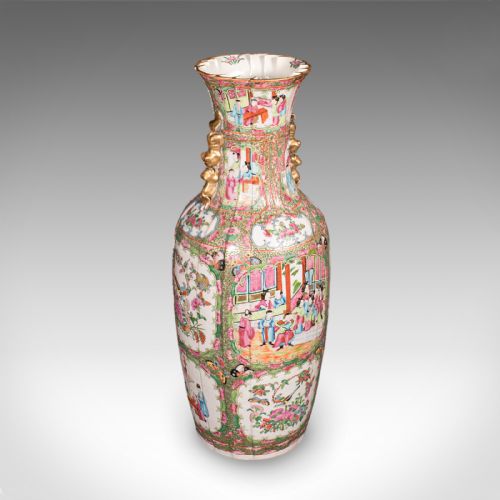


Qing Dynasty Enamel Vessel
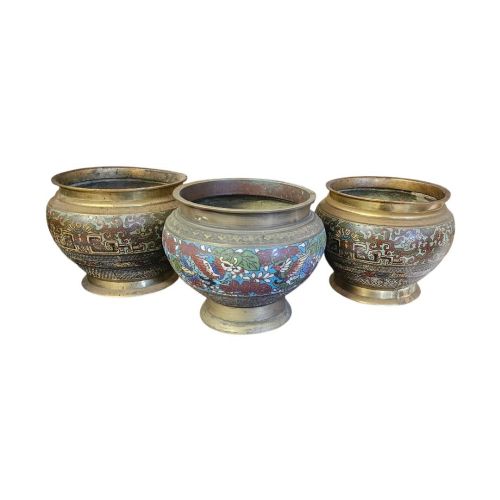
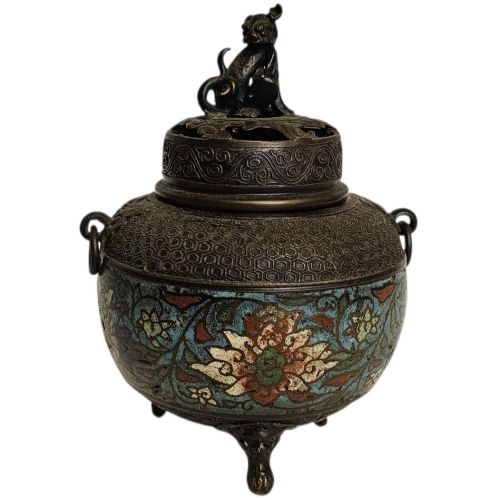
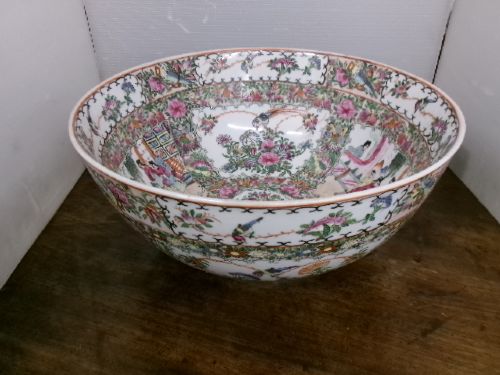
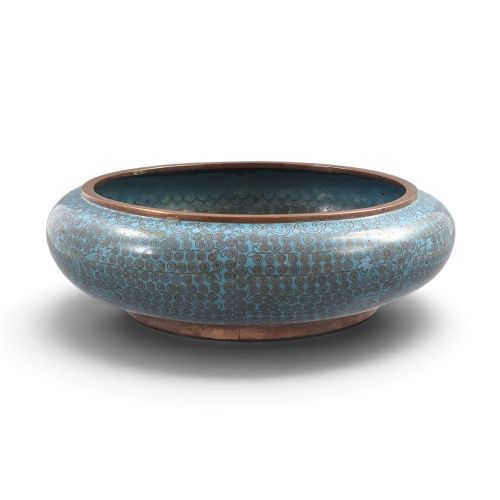
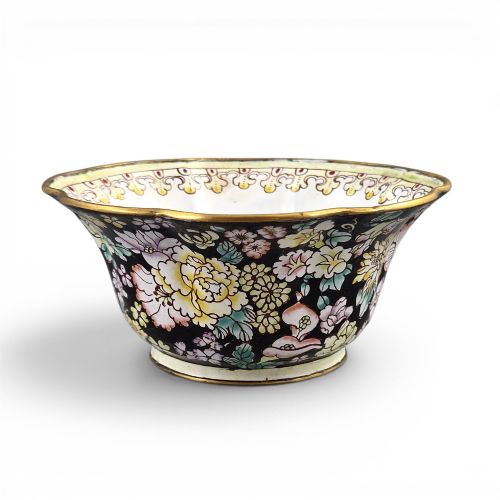
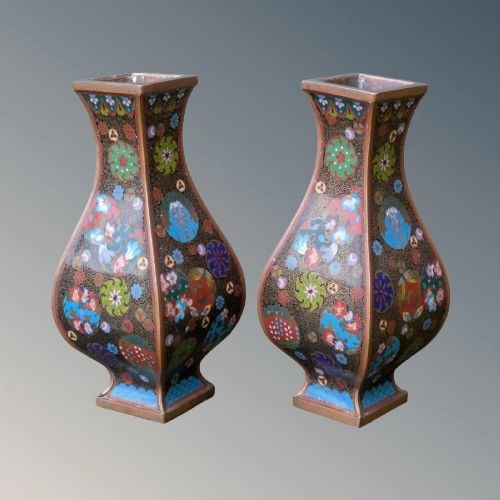
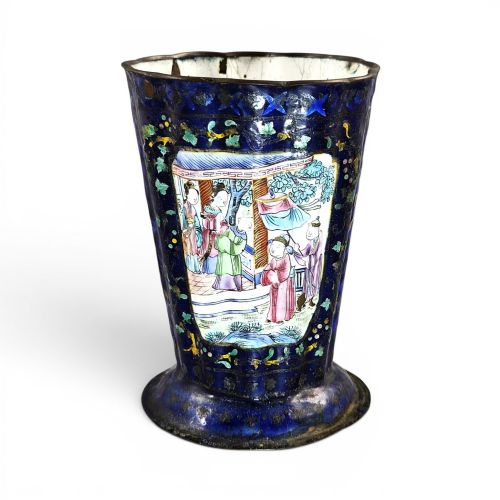
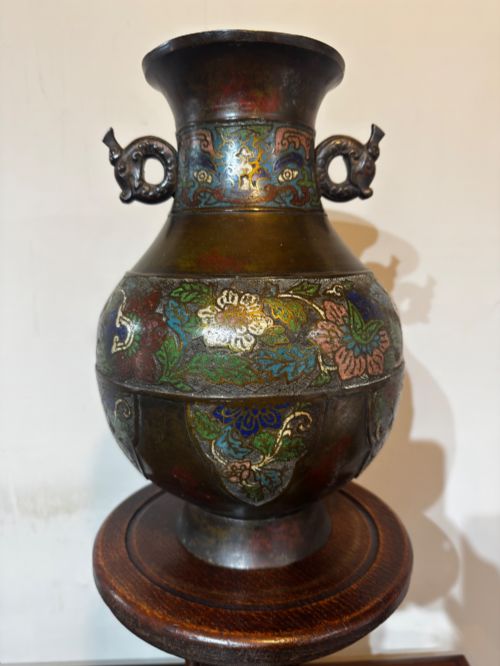
These pieces are a qing dynasty enamel vessel, bringing intricate metalwork and porcelain into rooms through traditional forms.
Qing Dynasty Enamel Vessel
A buyer seeking a qing dynasty enamel vessel encounters a variety of objects including vases, jardinieres, bowls, snuff bottles, and censers. The selection spans the eighteenth and nineteenth centuries, reflecting both native imperial taste and export production. Most examples date from the nineteenth century, ranging from late Qing output to pieces carrying earlier reign marks.
Forms follow traditional utilitarian and ritual shapes adapted for decorative display, such as archaistic wine vessels and lidded koros. Common origins include Beijing and Canton, with materials crossing between ceramic bodies and metal foundations. The range encompasses scholars' desk items alongside large centrepiece jars and jardinières.
Materials and construction
Makers utilised bronze, copper, and porcelain as the primary foundations for these items, applying surface decoration through enamelling techniques. Cloisonné work involves soldered metal wires forming cells to hold coloured enamel pastes, while champlevé employs carved troughs in the metal body. Painted enamels on copper and porcelain provide smooth polychrome surfaces, often enhanced with gilt bronze or gold leaf details.
Firing and polishing complete the process, fusing the glass pastes to the metal or ceramic substrate before gilding mounts or rims. Works like doucai and famille rose employ precise ceramic painting and glazing methods developed over generations. The integration of jade rims and bronze stands demonstrates multi-material assembly.
Listings feature items spanning the eighteenth to the twentieth centuries, utilising bronze, copper, porcelain, and gold leaf.
Distinctions in execution
Quality rests upon the precision of the wirework or brushwork and the depth of the enamel palette. Superior examples display crisp detail in motifs such as dragons, flowers, and birds, with an absence of pitting in the fired glass surfaces. The weight of the bronze or the refinement of the porcelain body also indicates the tier of production.
The sophistication of the design, whether archaistic or naturalistic, separates standard export goods from pieces created for court use. Hand-painted precision in famille rose or doucai palettes marks the upper end of the range, alongside complex multi-part bronze and cloisonné assemblies.
The Qing Dynasty Enamel Vessel Glossary
- Cloisonne Enamel
- A metalworking technique where thin wire partitions are soldered to a base to create compartments filled with enamel paste.
- Champleve
- A method where troughs or cells are carved directly into the surface of a bronze or copper object to receive enamel.
- Famille Rose
- A ceramic palette dominated by opaque pink or rose enamel, introduced during the Qing dynasty for detailed pictorial scenes.
- Censer
- A vessel designed for burning incense, frequently cast in bronze and supported on tripod feet.
- Jardiniere
- A large decorative pot or bowl used to hold plants, often constructed from bronze with cloisonne decoration.
- Jue Cup
- An archaistic three-legged wine vessel shape derived from ancient ritual bronzes.
Qing Dynasty Enamel Vessel: Frequently Asked Questions
What is a qing dynasty enamel vessel?
These items are decorative and ritual objects made in China during the Qing period, featuring glass enamel applied to metal or porcelain.
They take forms such as vases, bowls, censers, and brush washers, utilising techniques like cloisonné and champlevé.
How were these vessels used?
Original functions included burning incense, holding plants, serving wine in ritual contexts, and equipping the desks of scholars.
Today, they serve primarily as decorative centrepieces and display objects in interiors.
How do I identify the period?
Dating relies on stylistic markers, reign marks, and the specific material composition associated with eighteenth and nineteenth-century production.
Pieces often reflect the aesthetic shifts of the Guangxu or Qianlong periods.
What materials are common?
The primary structures are formed from bronze, copper, or porcelain, decorated with coloured vitreous enamels.
Additional elements frequently include gilt bronze mounts, gold leaf highlights, and jade rims.