


Qing Dynasty Enamel Vase
A qing dynasty enamel vase brings centuries of imperial colour and intricate hand-painted detail into a room.
Qing Dynasty Enamel Vase
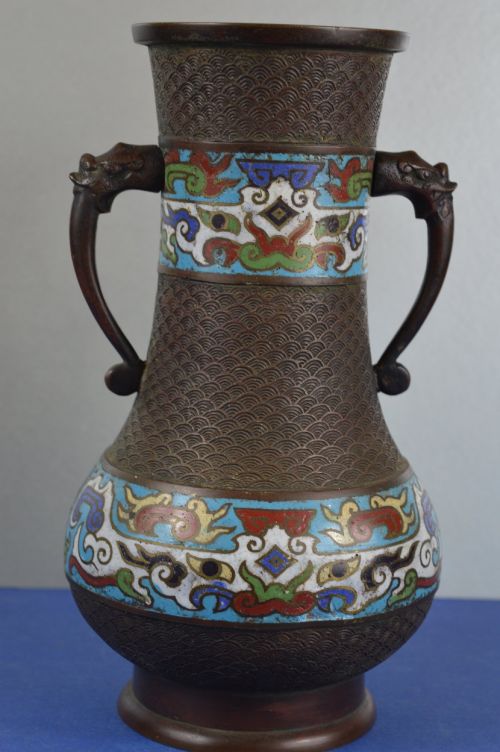
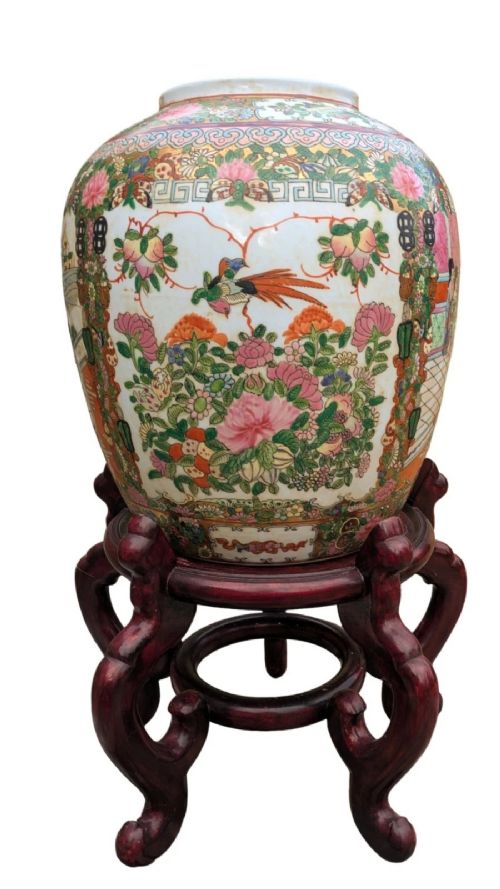
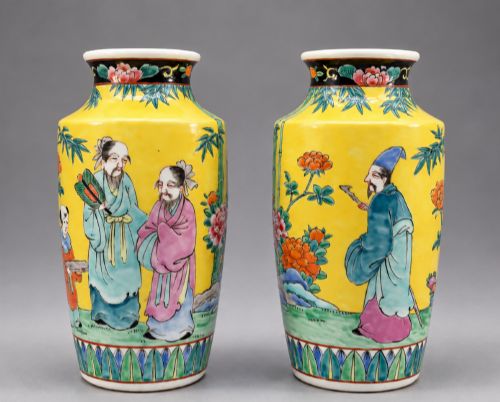
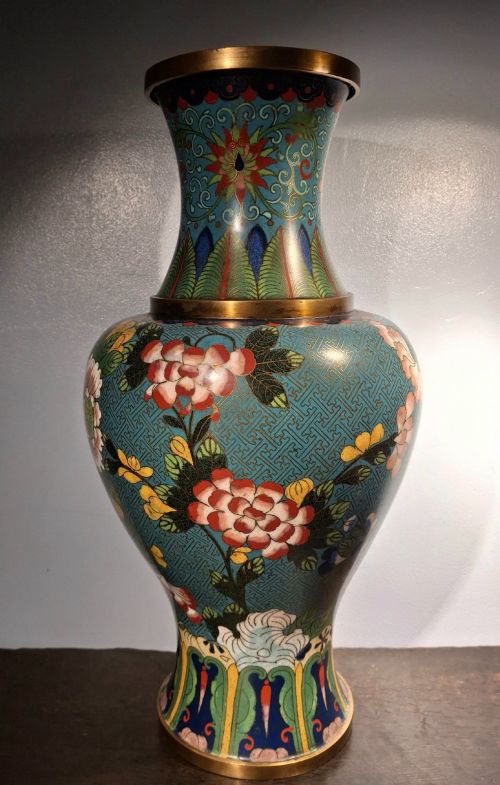
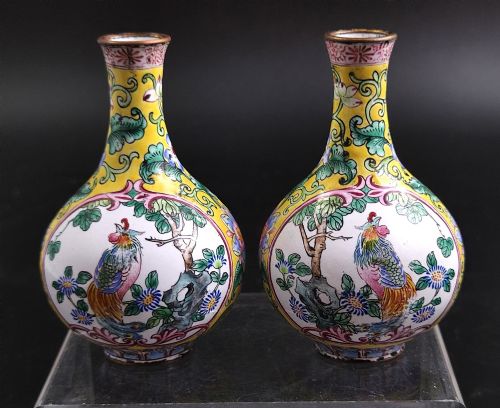
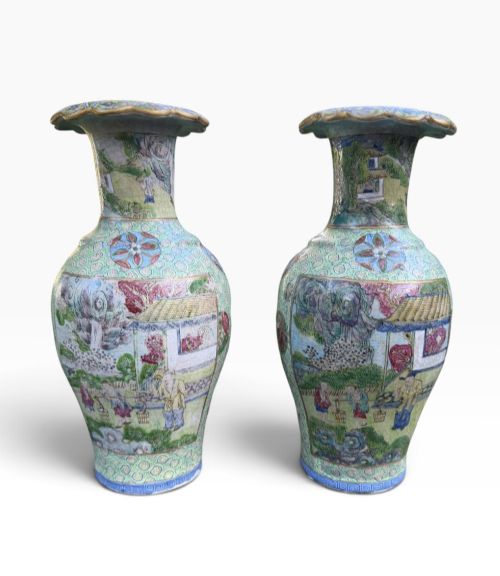
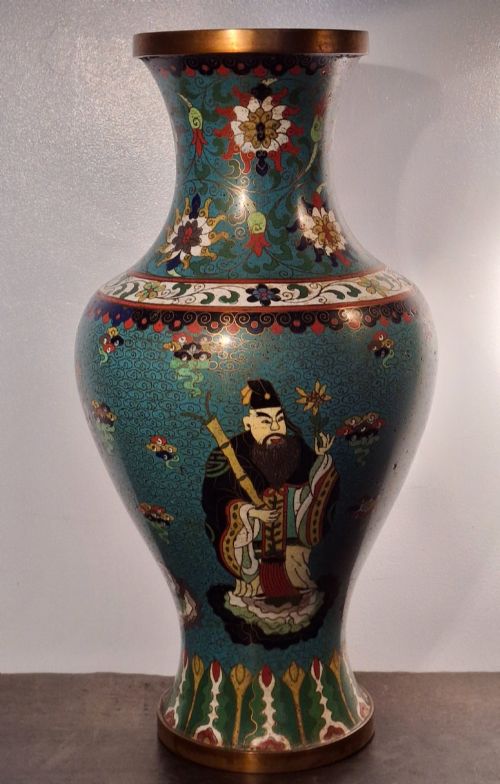
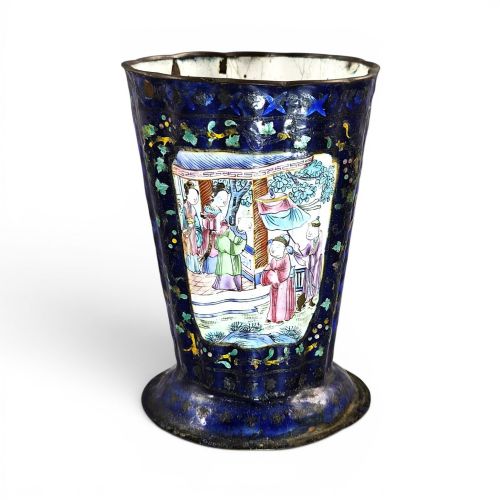
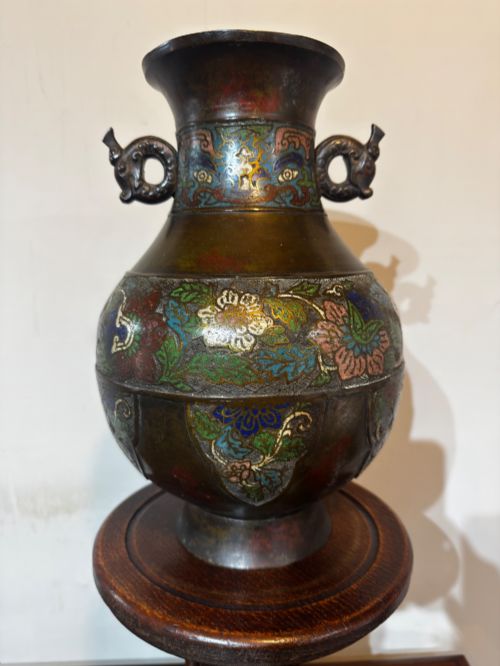
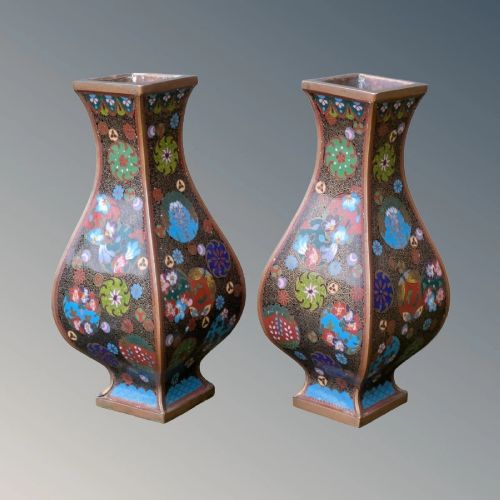
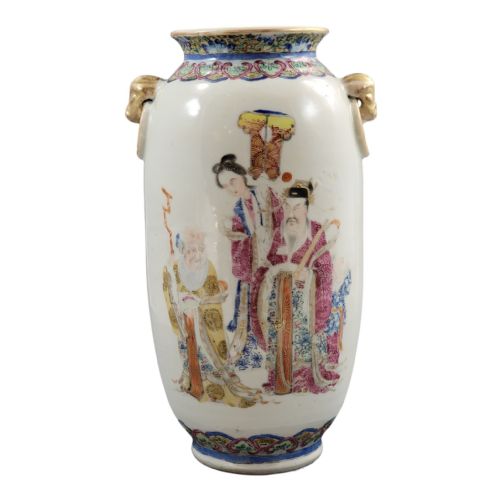
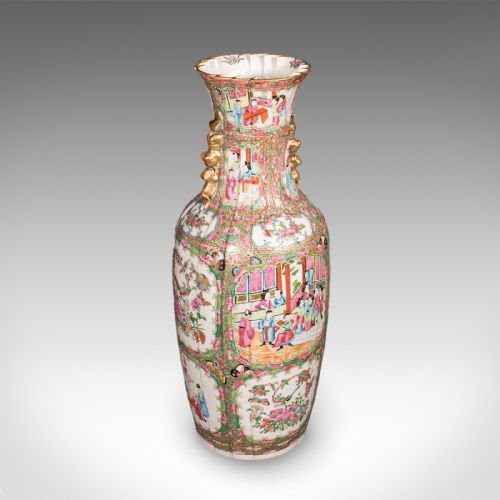
A qing dynasty enamel vase is a ceramic or metal vessel decorated with pigmented glazes, often taking the form of baluster jars, moon flasks, or floor vases. Most examples encountered here belong to the nineteenth century, including Canton and Cloisonne work.
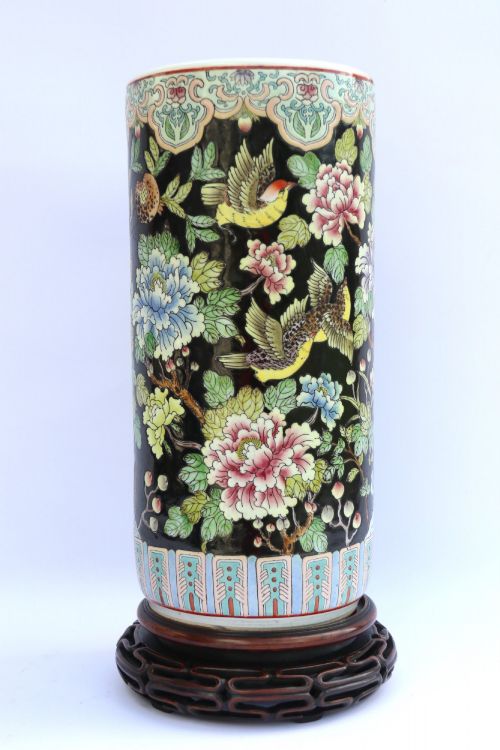
Makers shaped these vessels for display and utility, frequently pairing porcelain or copper bodies with hand-painted scenes of figures, birds, and flowers. Buyers select them for their vibrant palettes and historical presence.
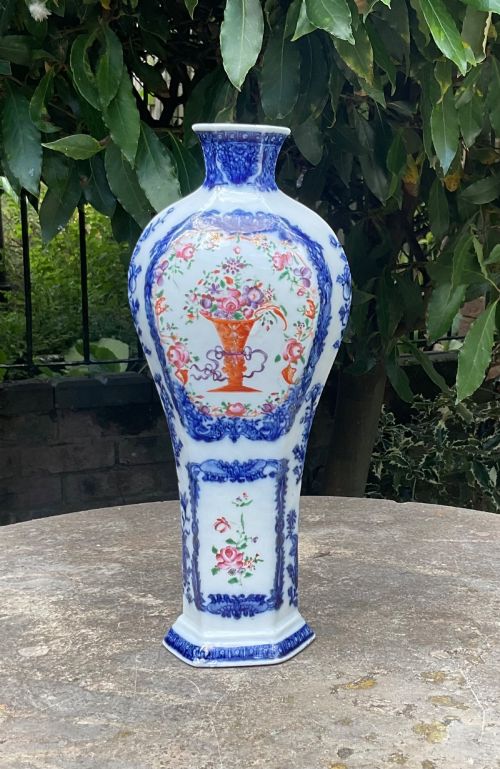
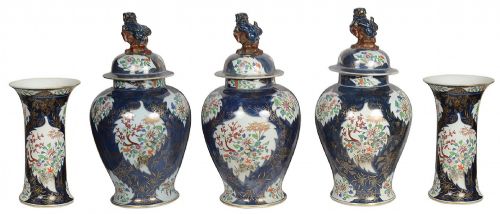
The category encompasses both porcelain painted with famille rose or famille verte enamels and metal vessels decorated using cloisonne or champleve techniques. Many survive alongside original covers or mounted as lamps.
How they were made
Craftsmen applied enamel pigments onto porcelain bodies or metal surfaces made from copper and bronze. Gold leaf and gilt bronze mounts frequently complemented the fired colours.
Techniques such as cloisonne involved soldering thin wire onto metal vessels to create compartments for enamel paste, which was then fired and polished.
Qing Dynasty Enamel Vase Retail Price Guide 2026
Typical asking prices for qing dynasty enamel vase among the pieces listed under this phrase on Sellingantiques today, from the lower quarter to the upper quarter. They describe what is for sale here now, not the wider market.
Listings span the eighteenth and nineteenth centuries, featuring porcelain, copper, and bronze bodies decorated with Canton and cloisonne techniques.
What varies in quality
Quality rests on the precision of the hand-painted brushwork and the complexity of the enamel palette, where finely rendered figures and balanced compositions distinguish superior pieces from simpler trade wares.
The crispness of metalwork and the integration of gilt bronze mounts or hardwood stands further separate high-ranking examples.
The Qing Dynasty Enamel Vase Glossary
- Famille Rose
- A palette of opaque pink enamel introduced during the Qing dynasty. It allowed artisans to create soft tonal gradations in floral and figural scenes.
- Cloisonne
- An enamel technique where metal wires form raised cells on a bronze or copper base. Artisans fill these compartments with coloured paste before firing.
- Canton
- A style of Chinese export porcelain and enamelwork produced for Western markets. It is noted for crowded panels of figures, birds, and butterflies.
- Baluster
- A vase form characterised by a bulbous lower body that tapers towards a narrow neck and flared rim. This silhouette provides a stable base for detailed surface decoration.
Qing Dynasty Enamel Vase: Frequently Asked Questions
How do I date a qing dynasty enamel vase?
Dating relies on stylistic markers, reign marks, and material combinations recorded across the nineteenth and eighteenth centuries. Examining the palette and baseline wear helps confirm the period.
Changes in export demand also influenced manufacturing methods over successive decades.
Were these vases used for flowers?
Many vessels served as ornamental display pieces in imperial courts and wealthy households rather than utilitarian flower holders. Larger floor vases and covered jars functioned primarily as architectural focal points.
Some later examples were adapted into table lamps with gilt mountings.
How should I clean my enamel vase?
Dust surfaces gently with a soft, dry cloth to protect fragile enamel and gilt details. Avoid liquid cleaners or chemical polishes that can damage the glaze or metal wirework.
Professional conservation advice is recommended for pieces with structural fragility.
What is the difference between famille rose and famille verte?
Famille rose relies on an opaque pink enamel derived from colloidal gold, appearing around the eighteenth century. Famille verte uses a predominant palette of transparent green enamels developed earlier in the Qing dynasty.
Both families feature complex hand-painted motifs.