






Qing Dynasty Ceramics Statue
A qing dynasty ceramics statue brings centuries of kiln mastery into a room, offering sculpted figures from the Qing Dynasty in porcelain, pottery, and earthenware.
Qing Dynasty Ceramics Statue
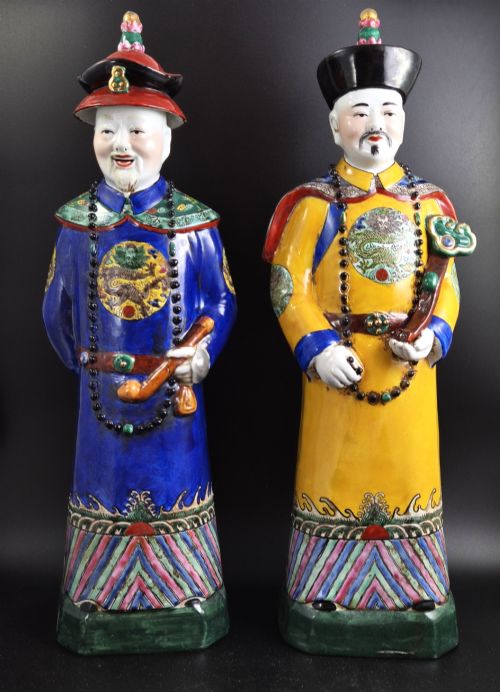
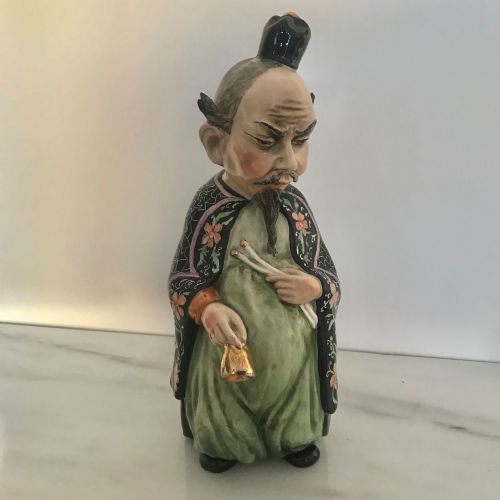
A qing dynasty ceramics statue encompasses decorative figures, figurines, and vase forms produced across the 18th and 19th centuries, including pieces from the Qianlong period and late Qing dynasty. Buyers meet deities, immortals, robed figures, boys, and animals such as cockerels, dogs, goats, and tigers in these listings.
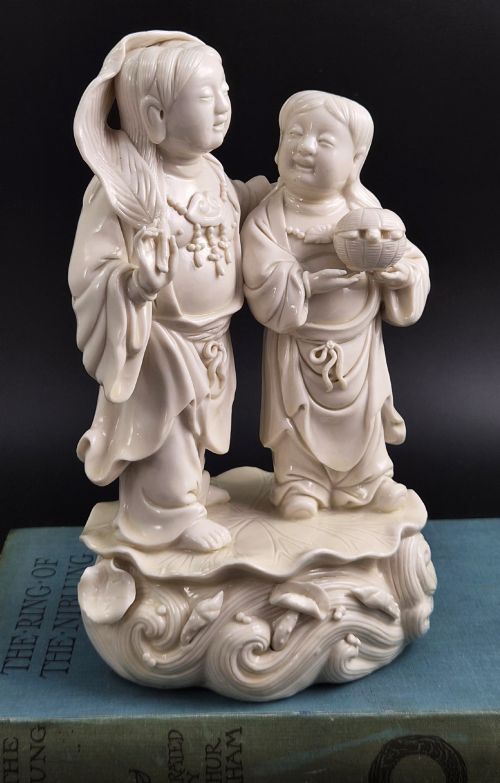
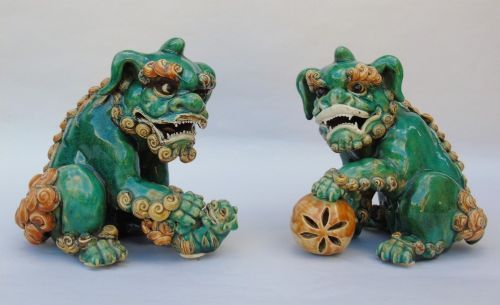
The objects take diverse forms, spanning blanc-de-chine figure groups, famille rose immortals, Shiwan pottery tiger and lion figures, and turquoise glazed porcelain creatures. Figures range from smaller incense holders to large matched pairs.
Originating largely from Chinese kilns like Fujian and Shiwan, these sculptures capture imperial aesthetics and traditional folklore through hand-modelled ceramic bodies.
How they were made
Potters shaped these statues from porcelain, stoneware, and earthenware, applying glazes such as pale green, turquoise, yellow, and sancai to the clay body.
Makers utilised hand enamel decoration, overglaze enamel, and gilding to add intricate colour and detail to figures like the famille rose immortals and painted cockerels.
Qing Dynasty Ceramics Statue Retail Price Guide 2026
Typical asking prices for qing dynasty ceramics statue among the pieces listed under this phrase on Sellingantiques today, from the lower quarter to the upper quarter. They describe what is for sale here now, not the wider market.
Listings feature 18th-century Qianlong period porcelain alongside 19th-century Shiwan pottery and Qing dynasty porcelain figures.
What varies in quality
The finesse of the modelling separates standard production from superior sculptural work, particularly in the rendering of facial expressions, robes, and anatomical details on animals like foo dogs and horses.
The precision and vibrancy of the overglaze enamels, famille rose palette, and applied gilding dictate the visual impact of the piece.
The consistency and depth of the monochrome or sancai glazes, alongside the purity of the porcelain or the texture of the Shiwan pottery, define the standing of individual statues.
The Qing Dynasty Ceramics Statue Glossary
- Qing Dynasty
- The final imperial dynasty of China, lasting from 1644 until 1912. This era produced diverse ceramic figures and vessels.
- Famille Rose
- A palette of opaque overglaze enamels introduced in the Qing dynasty. Pink enamel forms a defining characteristic of this style.
- Blanc-de-Chine
- White porcelain made in Fujian province during the Qing dynasty. This ceramic type often depicts religious figures and immortals.
- Shiwan Ware
- Pottery produced in Shiwan near Guangzhou known for expressive animal and human figures. Thick, coloured glazes are typical of this tradition.
- Sancai
- A three-colour glaze tradition used on pottery. Green, amber, and cream tones commonly appear in these ceramic works.
Qing Dynasty Ceramics Statue: Frequently Asked Questions
How are these statues displayed?
These ceramic figures sit on mantelpieces, sideboards, or dedicated display tables where their colour and form can be appreciated.
Pairs look balanced when placed together, while single figures function well as focal points in a room.
What subjects do these figures represent?
Many statues depict figures from Chinese folklore and religion, including immortals, ascetics, and laughing boys.
Animal subjects such as cockerels, goats, tigers, and Buddhistic lion dogs also appear frequently.
How do I care for antique ceramic figures?
Dust the surfaces gently with a soft brush to keep the glaze and enamel work clean.
Avoid using liquid cleaners or abrasive cloths that might damage the overglaze decoration.
How can I tell the period of a statue?
Examine the style of the modelling, the type of clay body, and the characteristics of the glaze or enamel.
Differences in the Famille Rose palette and Shiwan pottery finishes help distinguish 18th-century pieces from later 19th-century examples.