

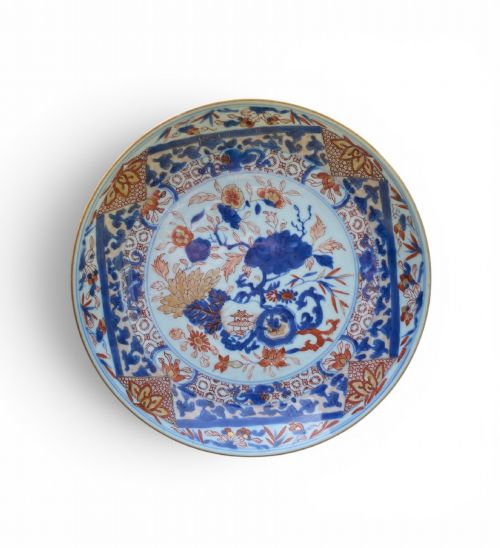


Qing Dynasty Ceramic Plate
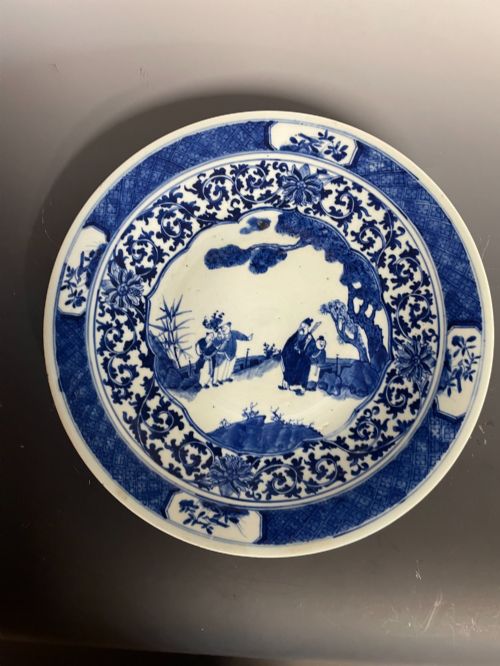
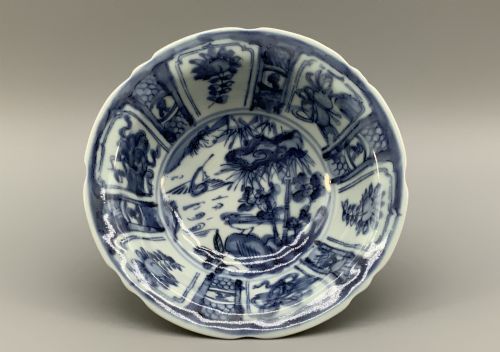
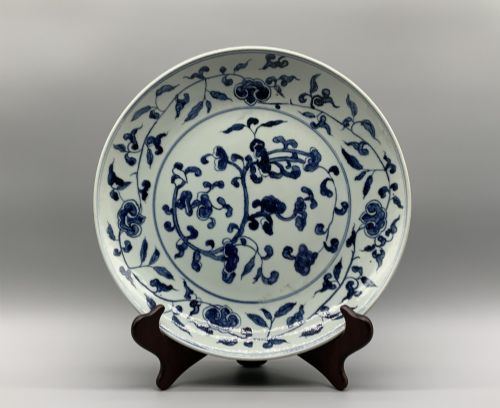
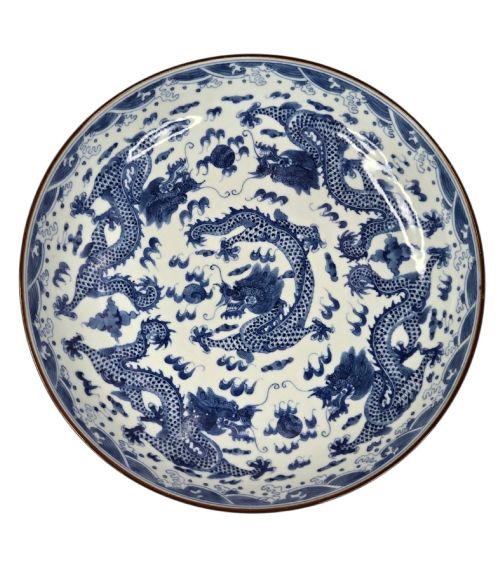
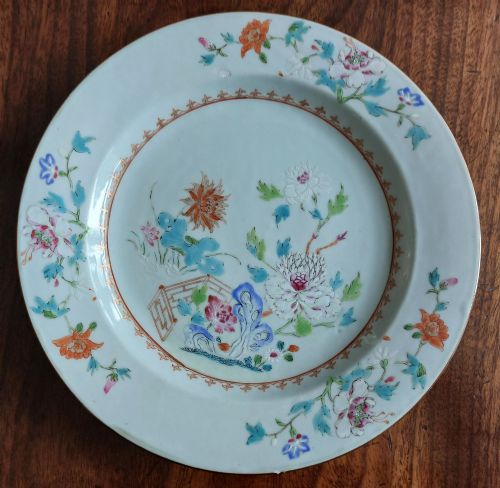
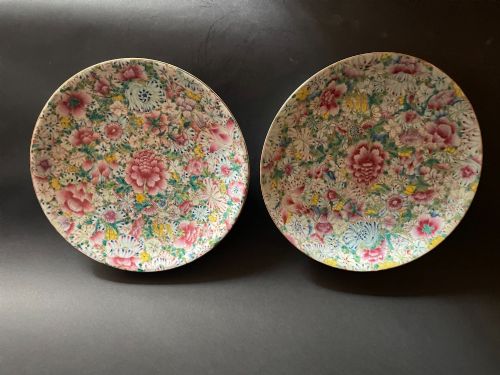
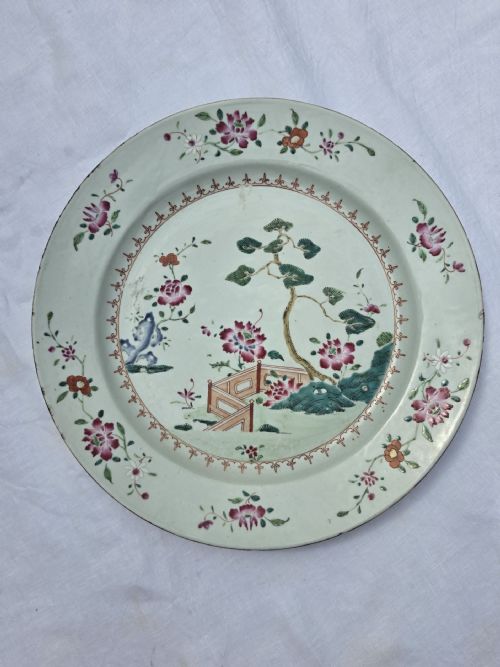
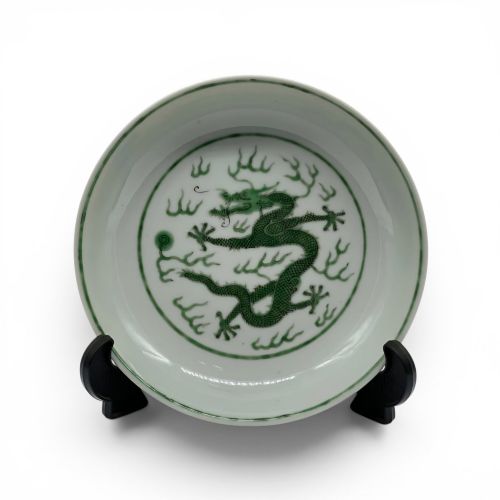
A qing dynasty ceramic plate brings centuries of imperial kiln mastery into your home through vibrant enamels and intricate cobalt blue painting.
Qing Dynasty Ceramic Plate
A qing dynasty ceramic plate encompasses a wide variety of utilitarian and decorative vessels made during the Manchu rule, ranging from robust chargers to delicate soup plates. You will encounter forms decorated with cobalt blue underglaze, polychrome famille rose enamels, and celadon glazes spanning multiple centuries.
The selections available here lean heavily toward eighteenth-century export wares alongside nineteenth-century canton and imperial-style productions. These pieces reflect both domestic court tastes and goods commissioned for international trade, showing diverse motifs from dragons to floral arrangements.
Materials and construction
Potters utilised hard-paste porcelain combined with cobalt underglaze to achieve deep, enduring blue pigments beneath clear glass-like surfaces. Artisans applied secondary enamel colours over the fired glaze, often adding gold leaf highlights for ceremonial or export presentation.
Moulding and hand-painting techniques dictated the final profile of each dish, whether creating lobed rims, barbed edges, or octagonal soup plates. Firing in large wood or coal-burning kilns required precise temperature control to yield the characteristic resonance and translucency of the ceramic body.
Listings feature eighteenth-century and nineteenth-century pieces utilising porcelain, enamel, gold leaf, and cobalt underglaze.
Differentiating quality
The refinement of the brushwork and the precision of the iron-red or famille rose pigment application distinguish finer examples from standard production pieces. Superior items display controlled gradients in the cobalt underglaze and crisp execution of imperial marks without smudging or pooling.
The purity of the porcelain paste and the absence of firing warping contribute significantly to the standing of a dish. Greater attention to the finishing of the foot ring and the translucency of the body indicate superior workshop standards.
Bluett and Sons
The Qing Dynasty Ceramic Plate Glossary
- Famille rose
- A palette of opaque pink and red enamel colours introduced during the eighteenth century. This decorative scheme allowed for subtle shading and complex pictorial scenes.
- Cobalt underglaze
- A blue pigment applied to the raw clay body before glazing and firing at high temperatures. This technique locks the cobalt permanently beneath the glossy surface.
- Charger
- A large decorative plate or platter intended primarily for display rather than standard dining use. These substantial pieces often showcase the most ambitious painting.
- Celadon
- A transparent jade-green glaze laid over a pale grey-white porcelain body. The subtle coloration mimics the appearance of carved jade stones.
Qing Dynasty Ceramic Plate: Frequently Asked Questions
How are these plates dated?
Dating relies upon stylistic markers, reign marks, and the specific characteristics of the porcelain body and glaze composition. Comparing floral motifs, enamel palettes, and border designs against established historical periods helps narrow the timeframe.
Kiln technology and trade patterns also provide contextual clues for export wares versus domestic imperial productions. Expert examination of foot rings and wear patterns further assists in confirming the era of manufacture.
Can I use them for dining?
While these ceramics were originally functional tableware or display chargers, antique pieces are generally preserved for decorative presentation. Hand washing in lukewarm water without harsh detergents protects the delicate overglaze enamels and gold leaf highlights.
Storing or displaying them securely prevents accidental chipping of the porcelain body or glaze surface. Modern use should be approached with caution to preserve the historic integrity of the enamel work.
What is export porcelain?
Export porcelain refers to wares manufactured specifically for international markets in Europe and the Americas through maritime trade companies. These items often combined traditional Chinese shapes and techniques with Western heraldry or customized patterns.
Such commissions demonstrate the cross-cultural exchange active during the eighteenth and nineteenth centuries. The resulting designs offer a fascinating glimpse into global commerce of the period.
What do imperial marks mean?
Imperial marks indicate the reigning emperor during whose era the ceramic was produced, usually written in standard seal script. These marks serve as a tribute to the ruling sovereign and appear on high-status court wares.
Discerning genuine period marks from later apocryphal inscriptions requires careful study of the calligraphy and pigment chemistry. Such marks elevate the historical interest of the dish significantly.