









Oriental Porcelain Display Charger
An oriental porcelain display charger brings bold hand-painted colour and intricate design to a wall or cabinet.
Oriental Porcelain Display Charger
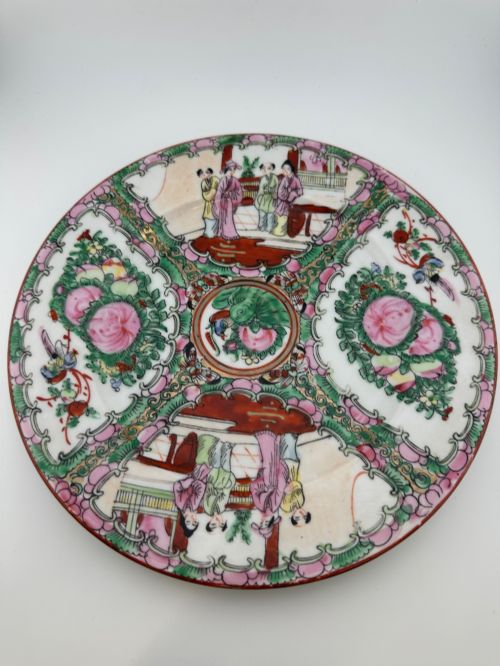
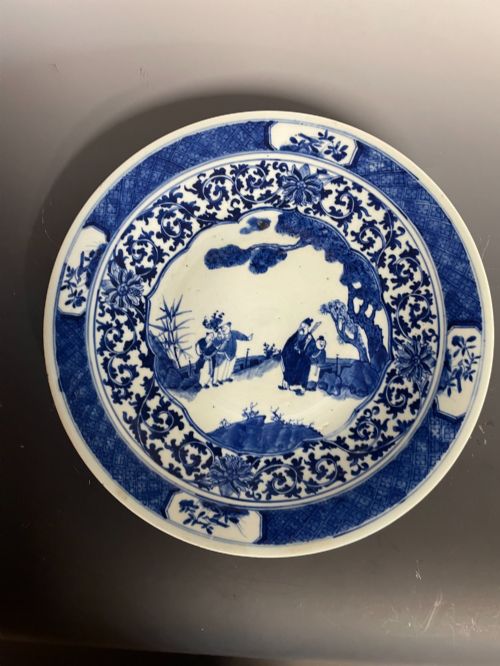
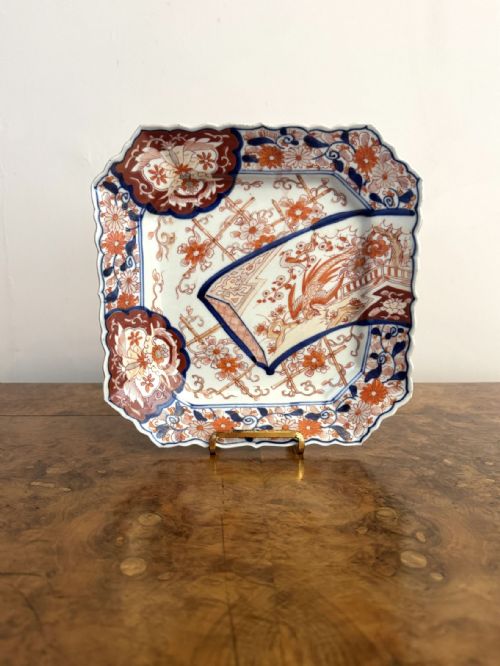
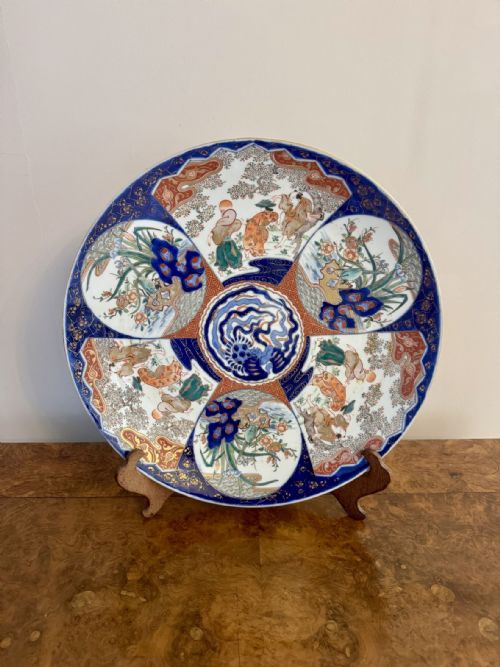
An oriental porcelain display charger is a large decorative plate or dish intended for prominent placement in a room. When you search for this phrase, you encounter substantial ceramic vessels originating from Chinese and Japanese kilns.
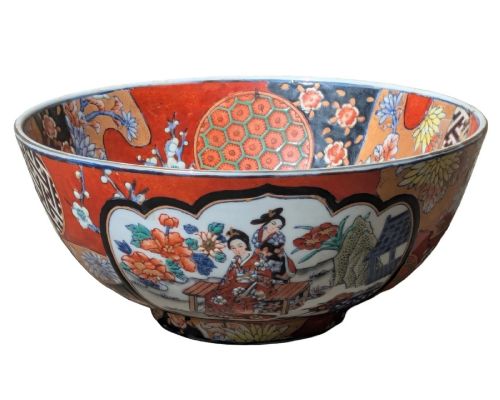
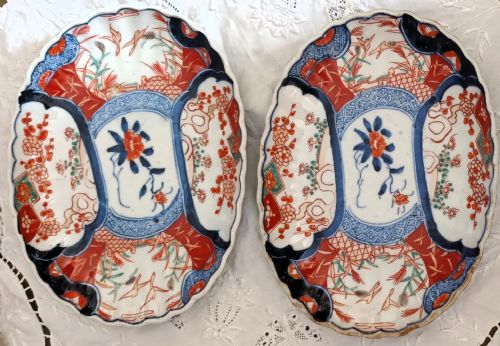
The versions most frequently met on this page span the nineteenth and early twentieth centuries, particularly the Meiji and Qing periods. Forms range from traditional circular chargers to scalloped, square, and hexagonal plates, alongside deep decorative bowls.
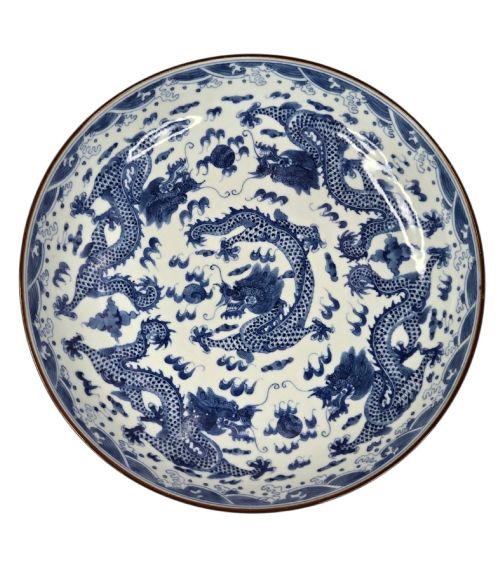
These pieces showcase diverse stylistic traditions including Japanese Imari, Satsuma, Arita, and Chinese blue and white porcelain. Makers utilised varied geometries and painterly motifs, depicting subjects such as five-clawed dragons, exotic birds, floral arrangements, and the Seven Lucky Gods.
How They Were Made
Potters shaped ceramic clay into broad plates and chargers before applying underglaze cobalt pigments or detailed enamel colours by hand. Artisans frequently integrated gilding, gold leaf, and rich surface glazes to accent the painted scenes.
Firing techniques in Chinese and Japanese kilns bonded these mineral pigments to the ceramic body at high temperatures. The resulting porcelain surfaces combined durable vitrified clay with vibrant, layered decorative schemes.
Periods represented on the site span from the 18th century through the early 20th century, including the Meiji, Taisho, and Qing eras.
What Varies in Quality
The refinement of the hand-painted brushwork distinguishes exceptional examples from standard production pieces. Fine execution appears in the precision of floral lines, the detailing on figures, and the careful application of gold leaf and enamel.
The clarity of the cobalt underglaze and the richness of the accompanying glaze dictate visual depth across the surface. Heavier ceramic body weight and sophisticated geometric shaping, such as scalloped or hexagonal edges, further separate the top tier of chargers.
Koshida
The Oriental Porcelain Display Charger Glossary
- Imari
- A style of Japanese porcelain featuring a distinct palette of cobalt blue, iron red, and gold, typically produced in Arita. This tradition dominates the decorative plates and chargers found in nineteenth-century production.
- Meiji Period
- The era in Japanese history spanning from 1868 to 1912, characterised by prolific export ceramics and detailed hand-painted works. Pieces from this time often exhibit complex bird and floral motifs.
- Cobalt Underglaze
- A blue pigment applied to ceramic bodies before glazing and firing, capable of withstanding extreme kiln temperatures. It provides the deep blue foundational lines beneath clear glazes.
- Charger
- A large decorative plate traditionally used for ceremonial display rather than dining. These substantial ceramic pieces form the primary focal point of this collection.
Oriental Porcelain Display Charger: Frequently Asked Questions
How were oriental porcelain chargers used?
These large ceramic vessels served primarily as decorative display items in homes rather than functional tableware for dining.
Their substantial size and intricate hand-painted designs made them suitable for placement on sideboards, tables, or walls.
How do I hang a display charger?
Display chargers require sturdy wall mountings equipped with protective coated springs or adjustable wire brackets that grip the rim safely.
Standard plate hangers distribute the weight evenly across the ceramic body without causing damage to the edges or glaze.
How do I tell Meiji period pieces apart?
Meiji period chargers often exhibit dense hand-painted polychrome enamels, gilding, and specific Japanese motifs like birds or deities.
They reflect the output of Japanese kilns operating between the late nineteenth and early twentieth centuries.
What is the difference between Imari and Arita?
Arita is the Japanese town where the porcelain clay bodies were actually mined, shaped, and fired in the province of Hizen.
Imari refers specifically to the port from which these distinct blue, red, and gold wares were shipped to Western markets.