


Qing Dynasty Carved Figure
When you seek a qing dynasty carved figure, you look for tangible pieces of history that capture centuries of artisan skill in wood and stone.
Qing Dynasty Carved Figure
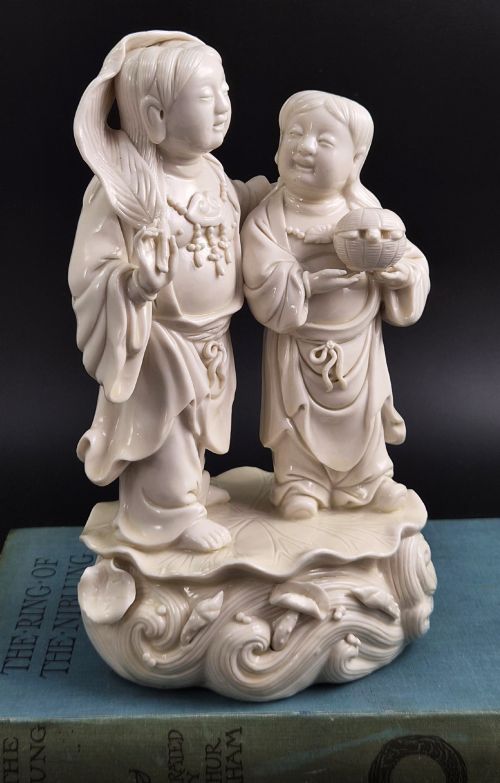
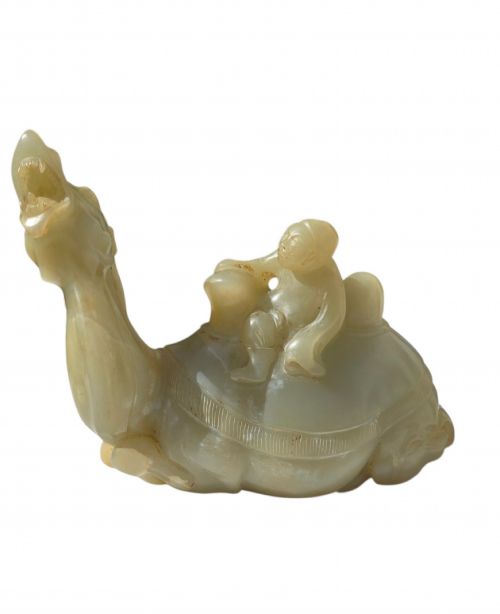
A qing dynasty carved figure encompasses traditional sculptures and statuary representing deities, immortals, scholars, and animals created during the Qing period. Buyers find works originating from the eighteenth and nineteenth centuries, alongside pieces spanning into the early twentieth century.
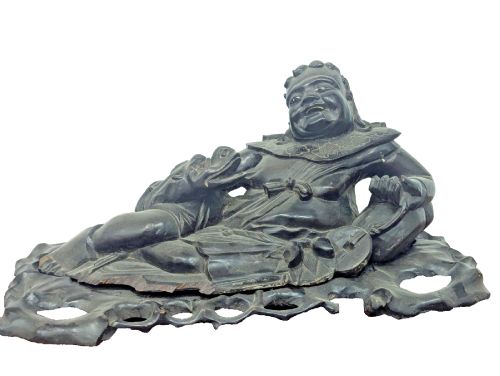
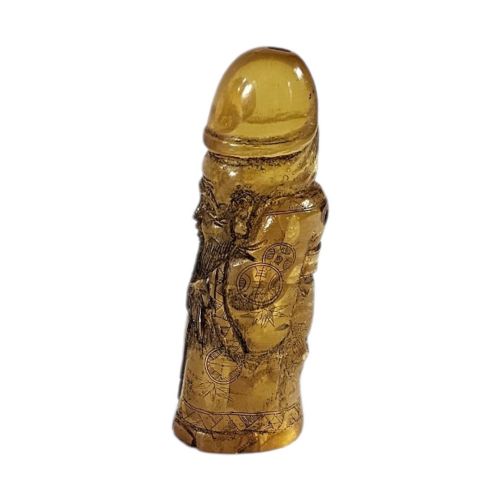
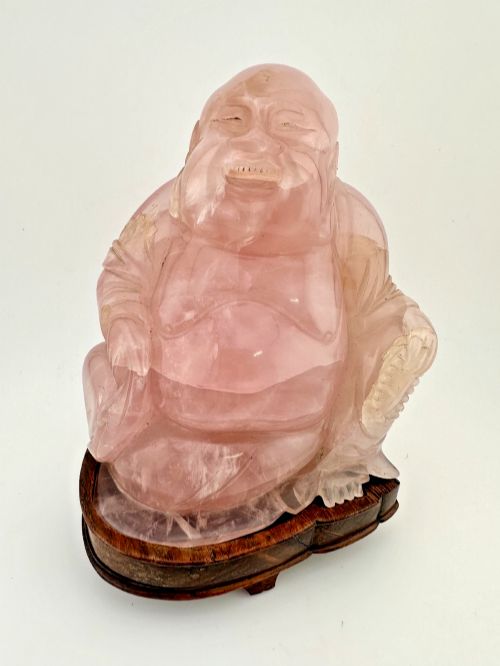
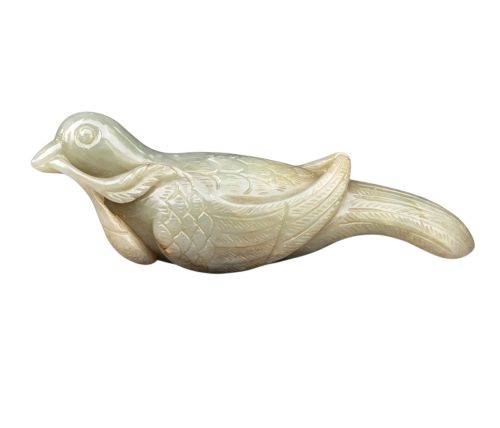
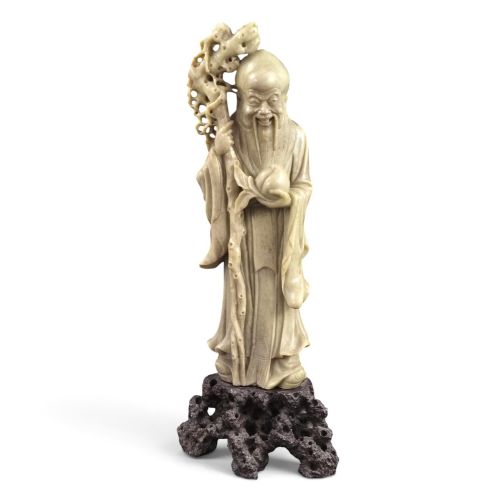
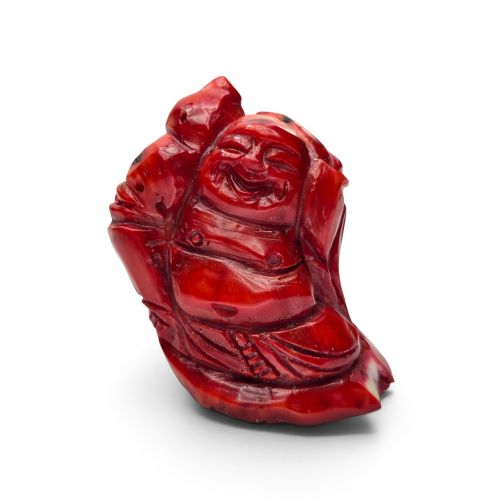
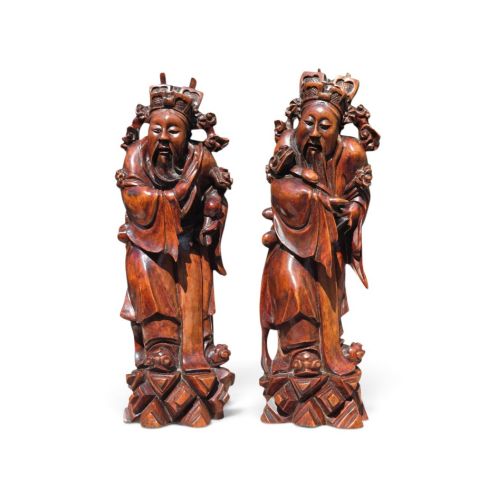
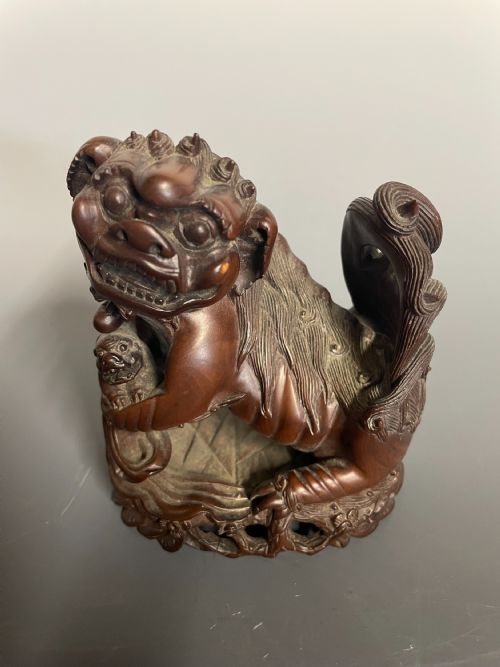
The selections on this page feature religious and secular subjects, including depictions of Budai, Shoulao, Daoist immortals, and temple guardians. Forms range from miniature pendants and snuff bottles to monumental temple figures and matched pairs.
Most examples meet the eye as hardwood, root wood, or stone carvings such as soapstone, jade, and serpentine. Artisans also produced pieces utilising lacquer, gold leaf, and polychrome paint over wood.
How they were made
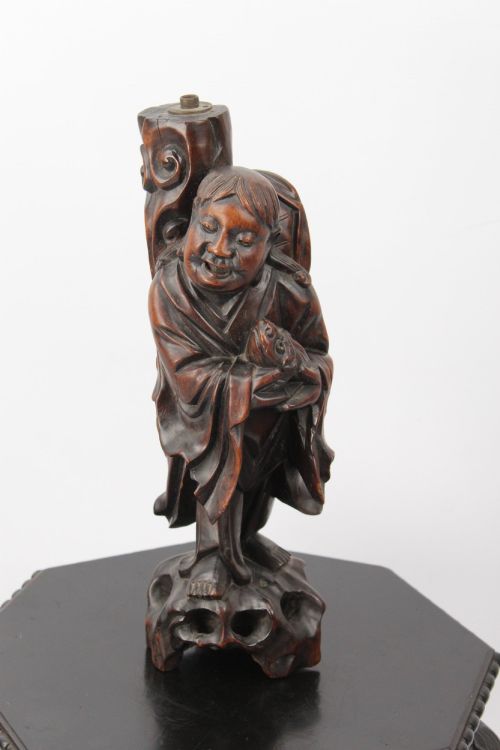
Carvers shaped dense materials like boxwood, hardwood, and root wood using hand chisels to follow the natural contours of the grain. Root wood sculptures left portions of the organic form intact to accentuate figures of scholars and animals.
Stone workers employed abrasive cutting and grinding techniques on jadeite, soapstone, bowenite serpentine, and amber. These mineral carvings often utilised the natural colour variations of the stone to define robes and focal elements.
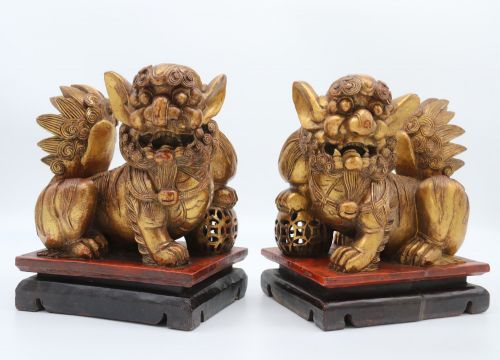
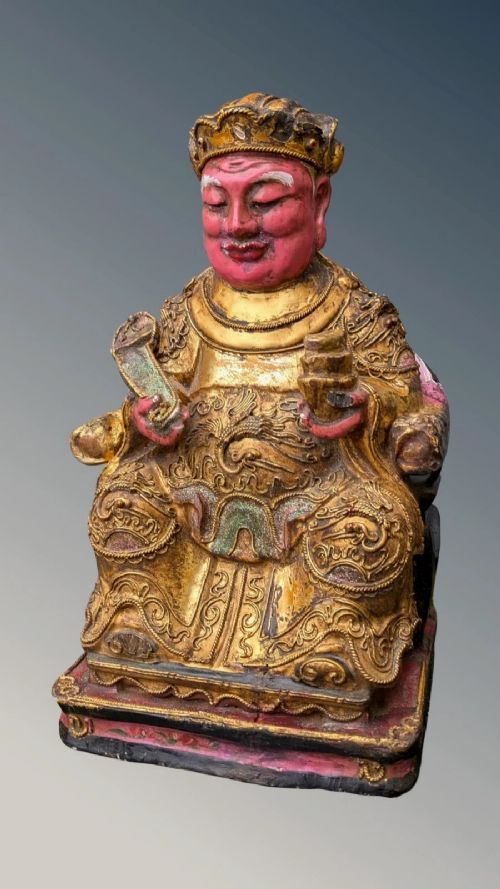
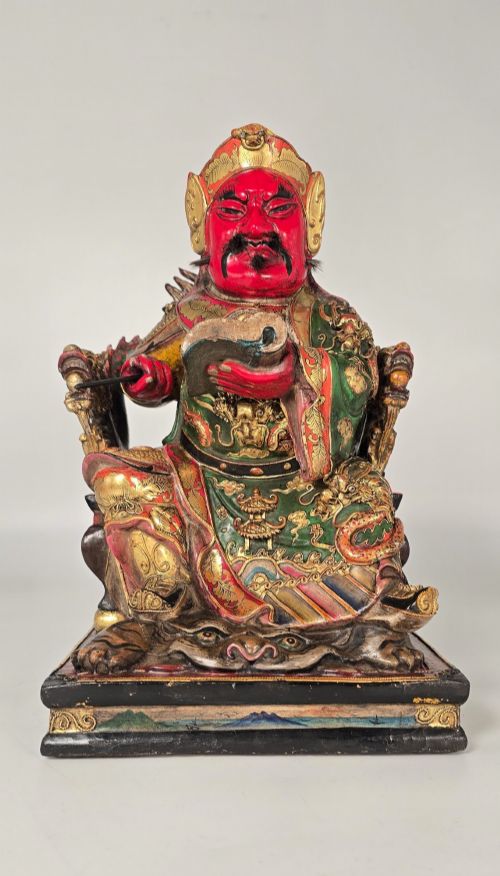
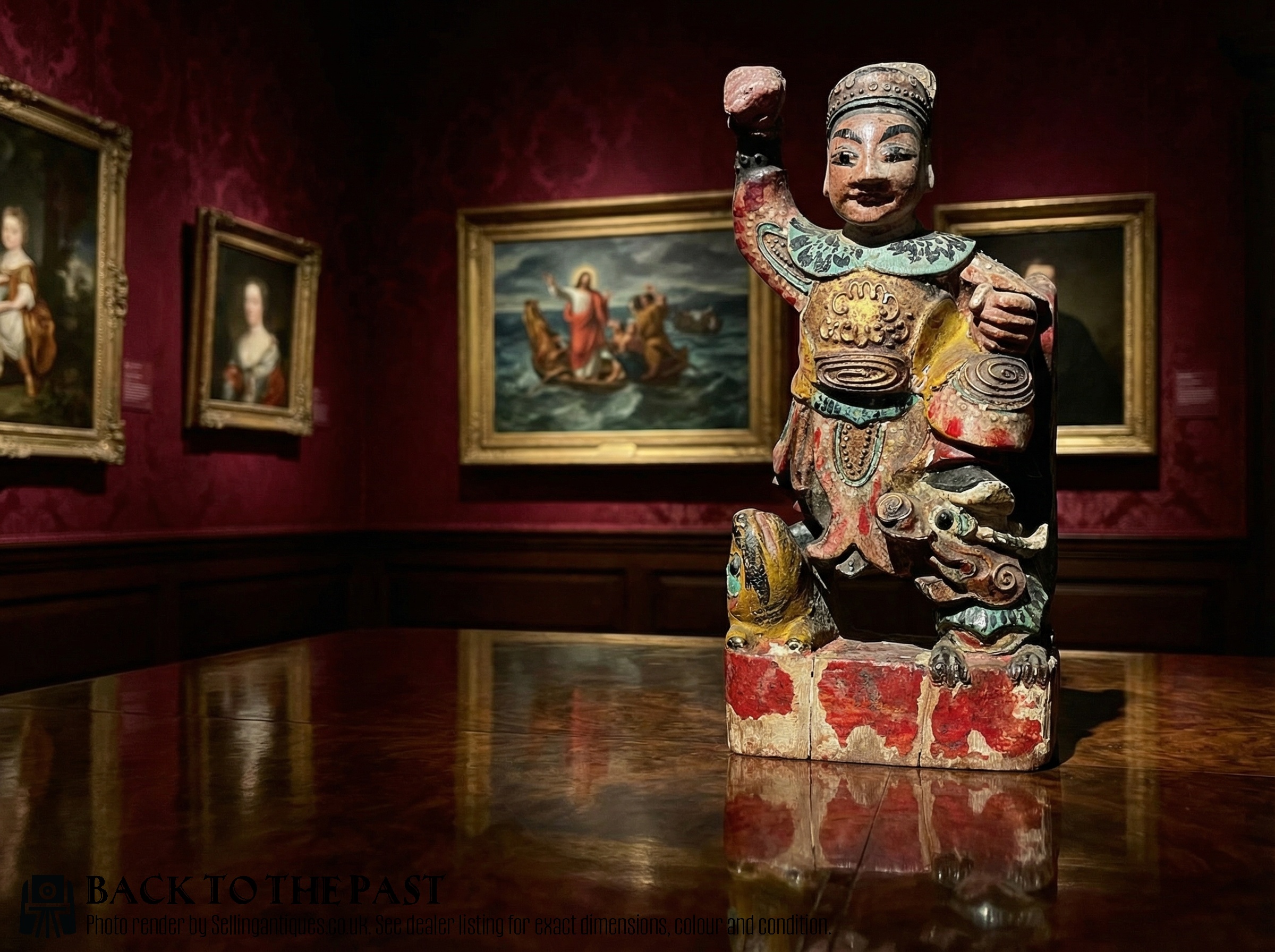
Wood surfaces frequently received layers of lacquer, gold leaf, and polychrome pigments. Artisans applied these finishes to temple figures, Buddhist lions, and official statues to achieve rich surface decoration.
Qing Dynasty Carved Figure Retail Price Guide 2026
Typical asking prices for qing dynasty carved figure among the pieces listed under this phrase on Sellingantiques today, from the lower quarter to the upper quarter. They describe what is for sale here now, not the wider market.
Several carvings preserve small expressions on temple guardians that suggest the carver thoroughly enjoyed fashioning mythical teeth.
What varies in quality
The depth and fluidity of the carving separate standard workshop pieces from superior works. Finer examples display meticulous attention to facial expressions, drapery folds, and the intricate details of accompanying attributes or mythical creatures.
Material selection dictates much of the standing of a carving. Monumental scale, flawless stone translucency, or the preservation of original gilding and polychrome pigment elevate specific figures above simpler domestic ornaments.
The Qing Dynasty Carved Figure Glossary
- Shoulao
- The Daoist god of longevity, frequently depicted with an elongated forehead, a staff, and a peach.
- Budai
- A representation of the Laughing Buddha, shown as a stout, jovial monk carrying a cloth sack.
- Foo Dog
- A traditional guardian lion depicted in pairs to protect doorways and sacred spaces.
- Root wood
- A material sourced from the gnarled underground growth of trees, shaped into organic scholar pieces and animals.
- Polychrome
- A multi-coloured painted surface finish applied to wooden temple sculptures and figures.
Qing Dynasty Carved Figure: Frequently Asked Questions
What subjects do these figures represent?
The sculptures depict a range of traditional subjects, including Daoist immortals, Buddhist deities, scholars, and temple guardians. Animals such as elephants, water buffaloes, and mythical beasts also appear frequently.
Many figures carry symbolic items or sit upon dedicated wooden stands. These representations reflect the religious and cultural traditions of the period.
How are wooden and stone carvings displayed?
Larger sculptures and temple figures occupy focal points within a room on tabletops or dedicated display surfaces. Many hardwood pieces include fitted wooden stands designed specifically for the base of the carving.
Smaller objects like snuff bottles, pendants, and scholar's table pieces sit comfortably on desks or within display cabinets. Their scale allows for close handling and detailed inspection.
How do I identify the materials used?
Hardwoods and root wood display distinct grain patterns and weight, with root wood retaining organic, twisting formations. Stone pieces utilise materials such as soapstone, jadeite, and serpentine, which feel cool to the touch and exhibit natural mineral inclusions.
Painted and gilded surfaces often show craquelure and wear consistent with age. Lacquer work presents a hard, smooth finish that may cover a wooden core.
What periods do these carvings cover?
The listings encompass works created throughout the Qing dynasty, extending from the eighteenth century into the nineteenth century. Some pieces date to the late Qing period and the transition into the Republic era.
Specific entries connect to identifiable historical spans like the Qianlong or Jiaqing eras. Others bridge the late Ming and early Qing periods.