


Qing Dynasty Bamboo Carving
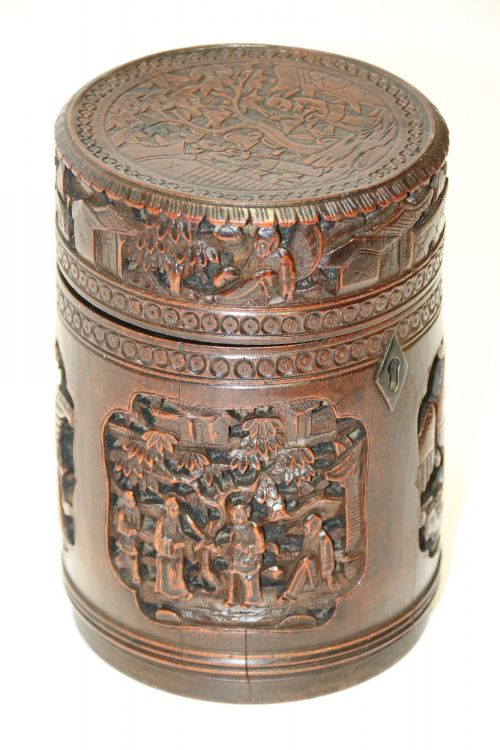
A qing dynasty bamboo carving brings organic texture and scholarly refinement into a room through masterful natural material manipulation.
Qing Dynasty Bamboo Carving
A qing dynasty bamboo carving encompasses functional objects and scholar items fashioned from natural cane, including brush pots, tea caddies, head rests, and pipes. These pieces originate from periods spanning the eighteenth century through the early twentieth century, reflecting traditional scholarly pursuits.
What varies in quality
The depth and undercut precision of the carving separate standard workshop pieces from superior examples created for scholarly studios. Crisp detailing in figures and foliage indicates a master carver rather than a commercial output.
Patina and material selection dictate the upper tier of the range, where rich colouration and well-preserved bamboo grain enhance the visual weight of the object. Heavy, stable sections with minimal drying splits demonstrate superior original timber selection.
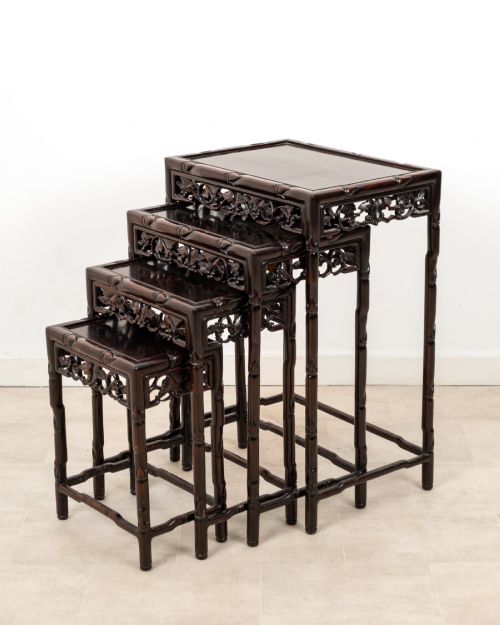
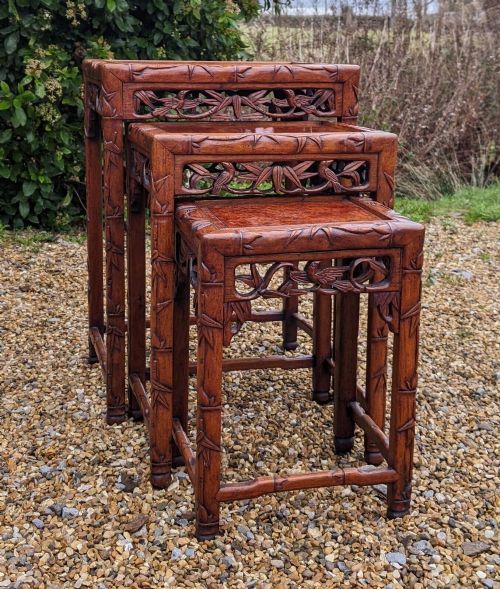
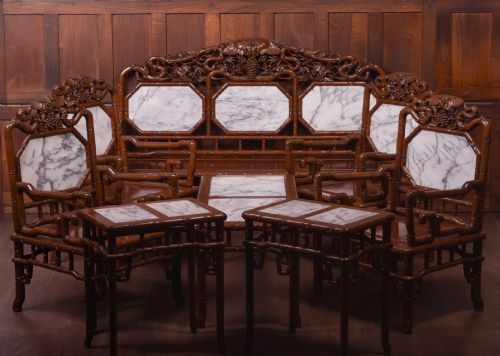
Listings feature bamboo items alongside nineteenth-century hardwood furniture including hongmu plant stands and nesting tables.
The Qing Dynasty Bamboo Carving Glossary
- Brush pot
- A cylindrical vessel traditionally used by scholars to hold writing brushes on a desk. These cylindrical holders often feature deep relief carvings encircling the entire body.
- Hongmu
- A dense, heavy Chinese hardwood prized for its dark red-brown colour and durability in fine furniture. Craftsmen utilised this timber for stands, cabinets, and nesting tables.
- Patina
- The surface sheen and softening of colour developed through age and handling. A deep patina indicates long-term use and natural polishing of the wood fibres.
- Tea caddy
- A small lidded container designed for storing loose tea leaves. These portable boxes frequently display intricate surface carving and fitted covers.
Qing Dynasty Bamboo Carving: Frequently Asked Questions
How were bamboo brush pots used?
Scholars placed these cylindrical containers on desks to organise writing brushes and ink tools within traditional studies.
They stood as functional art objects that reflected the refined taste and philosophical interests of their owners.
How do I care for antique bamboo?
Keep pieces away from direct sunlight and sudden temperature shifts to prevent the natural bamboo material from drying and splitting.
Dust gently with a soft dry cloth and avoid applying modern chemical polishes to protect the historic surface.
What distinguishes hongmu from other woods?
Hongmu is a dense, heavy Chinese hardwood known for its deep red or dark brown colouration and exceptional structural strength.
Cabinetmakers chose this timber for high-status items like plant stands, altar tables, and nesting table sets.
How can I identify a scholar's studio piece?
These items typically include brush pots, wrist rests, and small carved containers designed specifically for the desk of a traditional scholar.
The iconography often references nature, poetry, or philosophical pursuits rather than domestic decoration.