



Qing Blue White Urns
Qing blue white urns combine cobalt pigment and porcelain to bring centuries of traditional Chinese craftsmanship directly into your home.
Qing Blue White Urns
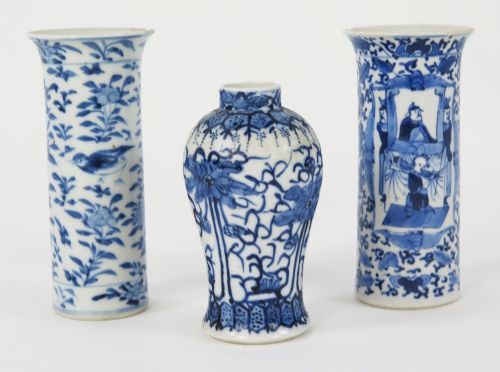
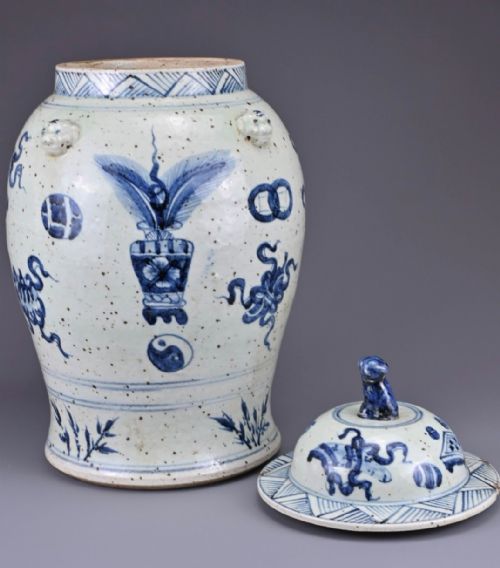
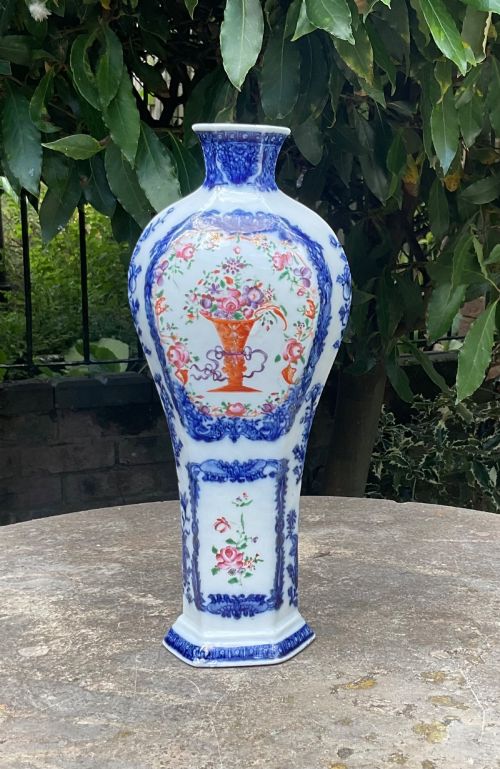
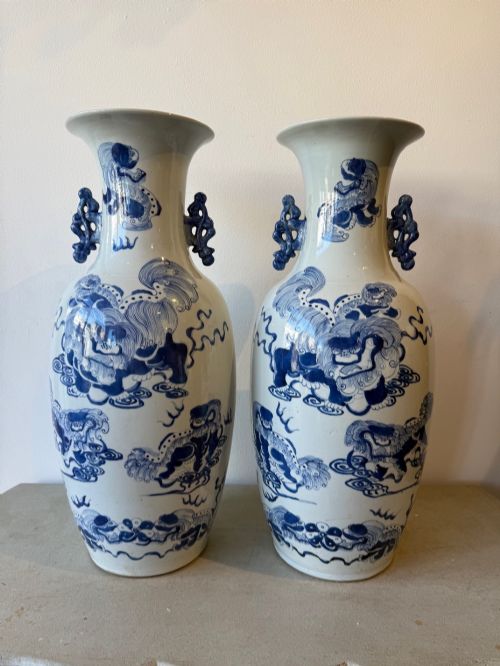
Qing blue white urns encompass porcelain vases, ginger jars, and decorative vessels originating from various periods including the seventeenth, eighteenth, and nineteenth centuries. These pieces reflect enduring design traditions, spanning from traditional Chinese export styles to later adaptations with Kangxi period design influences.
Buyers will most frequently encounter nineteenth-century pieces alongside works referencing earlier Qing Dynasty aesthetics. Forms range from monumental bottle vases with flaring necks to ovid jars and covers, offering diverse decorative presence for domestic spaces.
How they were made
These vessels rely fundamentally on ceramic and porcelain bodies finished with cobalt glaze and cobalt pigment. Artisans applied cobalt blue decoration directly onto the clay before glazing and firing at high temperatures.
Additional hardware such as brass occasionally accompanies pieces converted into table lamps, while wooden elements provide stability and display support. Certain examples also incorporate crackle ware glazes to achieve specific surface textures.
Qing Blue White Urns Retail Price Guide 2026
Typical asking prices for qing blue white urns among the pieces listed under this phrase on Sellingantiques today, from the lower quarter to the upper quarter. They describe what is for sale here now, not the wider market.
Some nineteenth-century vessels spent a second life holding bright lampshades instead of spices.
What varies in quality
Quality differences emerge in the clarity and depth of the cobalt pigment against the porcelain ground. Finer examples display controlled brushwork and rich tonal variation within the blue decoration.
The precision of the form and the crispness of the ceramic body also distinguish higher-grade vessels. Furthermore, adherence to classical Qing Dynasty design principles influences the overall character of each piece.
The Qing Blue White Urns Glossary
- Porcelain
- A hard, white, translucent ceramic fired at high temperatures using specific clays. It forms the primary structural body for traditional Chinese vessels.
- Cobalt Pigment
- The metallic colorant used under the glaze to produce the distinctive blue decoration. It reacts to firing by yielding deep blue tones.
- Ovid Jars
- Enclosed ceramic vessels characterised by an egg-like, rounded profile. These jars often feature matching removable covers.
- Crackle Ware
- Pottery featuring a network of fine decorative cracks intentionally formed in the glaze layer. This technique adds distinct surface texture.
Qing Blue White Urns: Frequently Asked Questions
How do I date these?
Dating relies on examining the porcelain body, the characteristics of the cobalt glaze, and stylistic references to periods like the Kangxi or Qianlong reigns.
Changes in potting techniques and decorative motifs across the seventeenth, eighteenth, and nineteenth centuries also help establish approximate periods.
Can I use them as lamps?
Many large vases and ginger jars have been adapted into table lamps with added brass or wooden mountings. These conversions allow them to function safely in modern lighting schemes.
Such modifications integrate traditional ceramic forms with practical household utility.
What is a ginger jar?
Ginger jars are broad-shouldered ceramic vessels originally designed for storage and transport of spices. Over time, they became purely decorative items valued for their balanced proportions.
They frequently appear in pairs accompanied by fitted porcelain covers.
How should I clean them?
Dust porcelain surfaces gently with a soft, dry cloth to remove everyday accumulation. Avoid harsh chemical cleaners or abrasive materials that might damage the glaze.
Careful handling preserves the integrity of both the ceramic body and the cobalt decoration.