


Putto Bronze Lamp
A putto bronze lamp brings classical figural sculpture into functional lighting, combining cast metal figures with wired or oil formats.
Putto Bronze Lamp
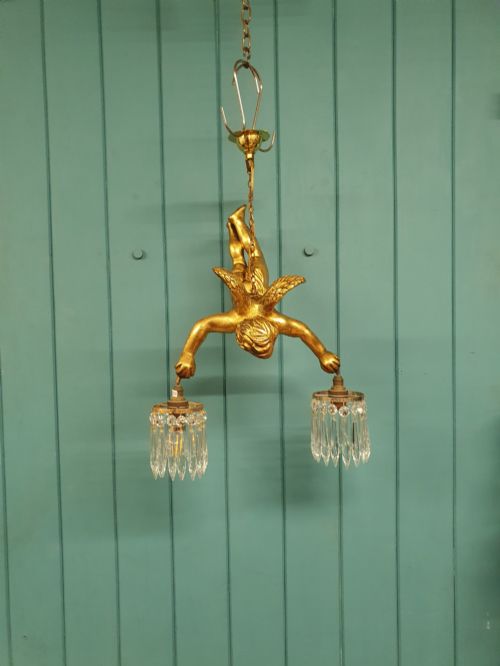
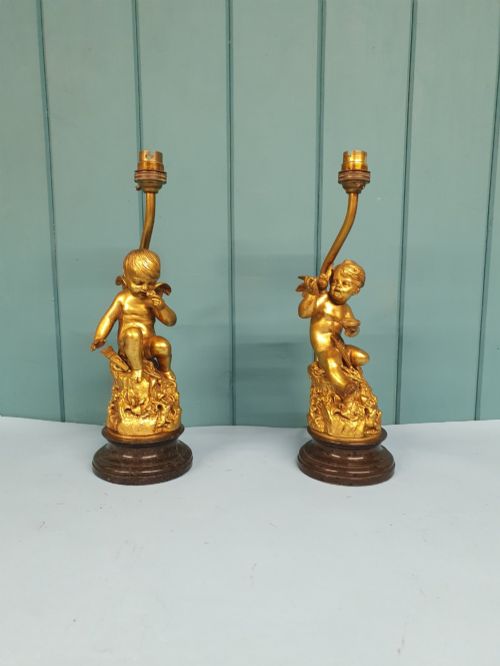
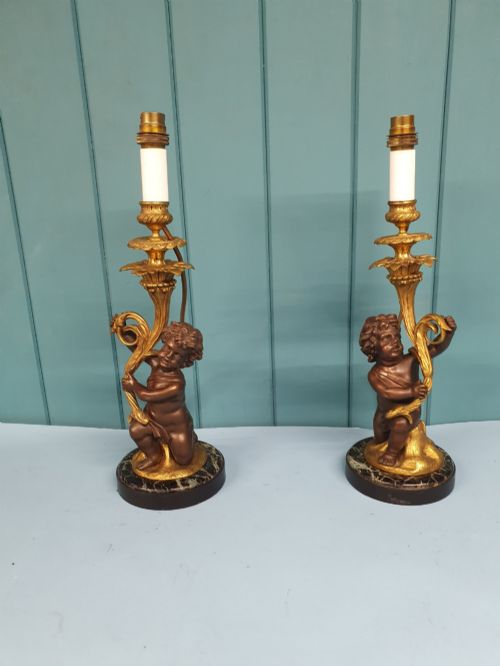
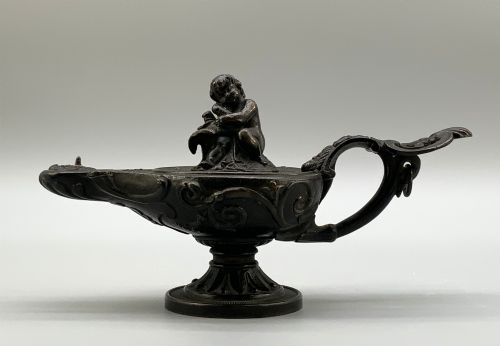
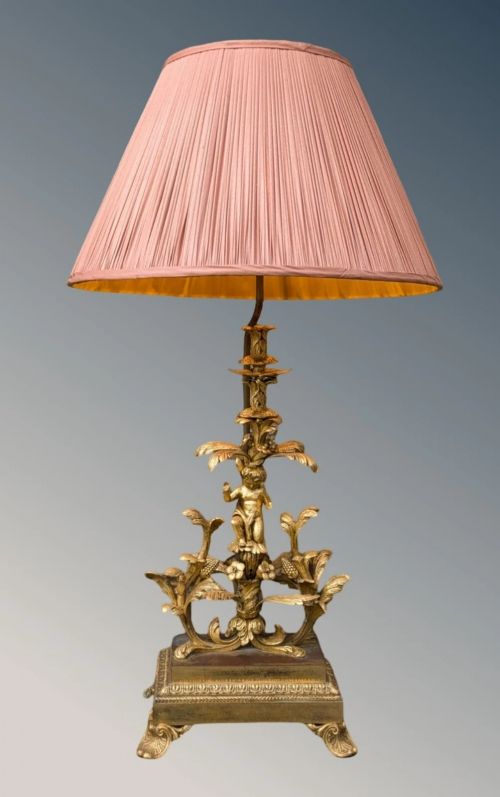
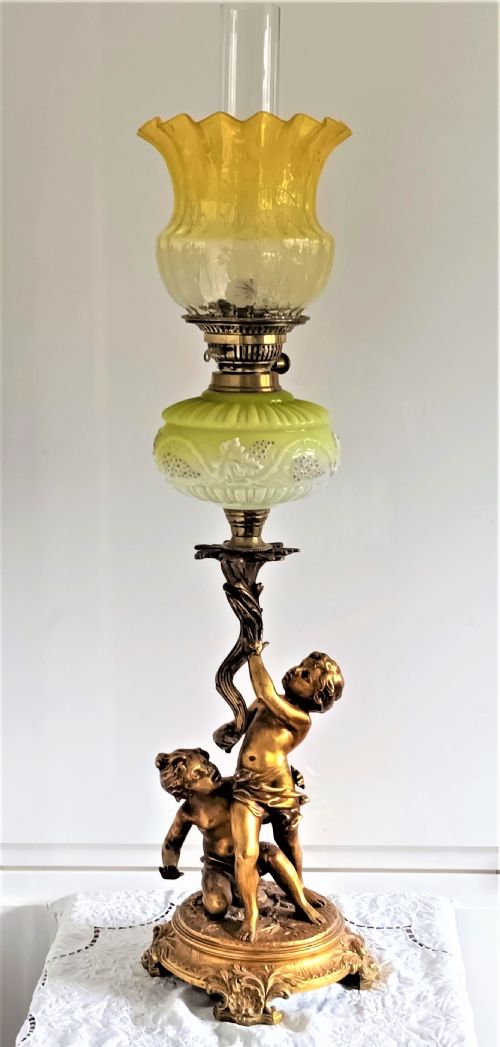
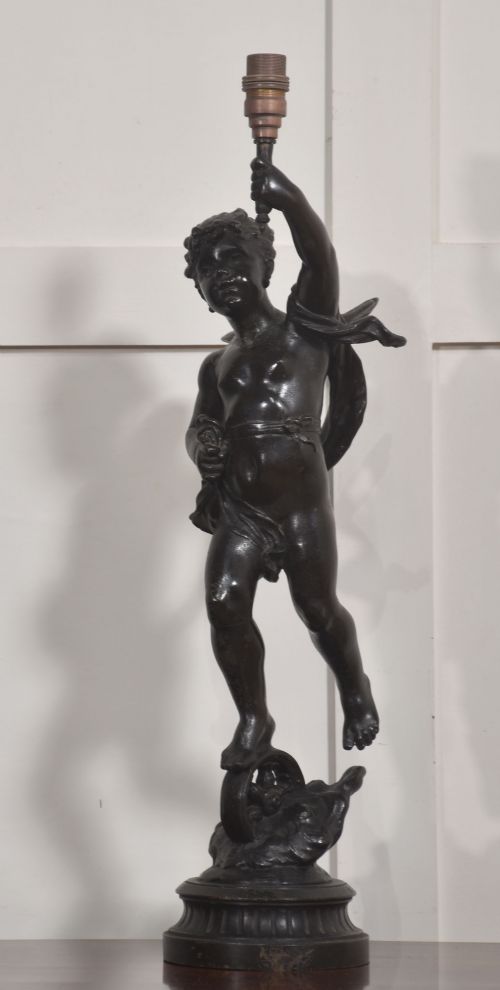
A putto bronze lamp centres on cast figural representations of cherubs, putti, or winged infants integrated into lighting fixtures. These pieces typically take the form of table lamps, oil lamps, wall sconces, or torchère stands originating predominantly from the nineteenth and early twentieth centuries.
Makers working within French Rococo Revival, Neoclassical, and Victorian styles frequently utilised these winged figures holding torches, dolphins, or holding up light fittings. The most commonly encountered examples pair cast metal figures with marble or brass bases.
Buyers select these items to introduce decorative nineteenth-century sculpture into domestic interiors while retaining practical illumination through converted oil fittings or period electrical wiring.
Materials and construction methods
Foundries produced these figural pieces using bronze, gilt bronze, or ormolu, alongside patinated metals and alternative alloys such as spelter. Cast components were often chased by hand to sharpen details in the hair, wings, and drapery before assembly.
Bases incorporated contrasting materials including white or coloured marble and turned brass, whilst lighting components frequently integrated cut glass crystals, fabric shades, or painted metal elements such as tôle peinte.
Some winged putti found on these lamps double as enthusiastic dolphin handlers, proving that cherubs enjoy marine sports.
Factors of craftsmanship and distinction
The choice of secondary materials marks distinct tiers of production, where solid cast bronze combined with heavy marble bases commands greater consideration than lighter spelter alternatives mounted on simpler bases.
The Putto Bronze Lamp Glossary
- Putto
- A plump, naked male child figure frequently found in classical art and decorative objects. These figures often appear with wings in nineteenth-century lighting.
- Ormolu
- Ground metallic bronze applied to metal objects through a mercury amalgamation process, or simply cast bronze finished with a high gold-coloured gilt surface. This finish provides a bright metallic sheen on decorative bases and figures.
- Spelter
- A zinc alloy used as a less costly substitute for bronze in nineteenth-century decorative metalwork. It frequently accepts patination or paint finishes to resemble heavier bronze castings.
- Torchère
- A tall ornamental stand or lamp modelled to resemble a torch. In lighting, these pieces support light fittings or burners held aloft by figural columns.
- Tôle peinte
- Painted sheet metal used for decorative components and lamp elements. This material appears in coloured finishes on specific nineteenth-century lighting fixtures.
Putto Bronze Lamp: Frequently Asked Questions
How do I clean a bronze lamp?
Dust surfaces gently using a soft, dry cloth to protect the underlying patination or gilding. Avoid chemical cleaners and commercial metal polishes that can strip delicate surface treatments from the metal.
For gilded or patinated bronze, professional conservation care is recommended if deeper cleaning becomes necessary. Harsh rubbing can permanently alter the original finish applied during the nineteenth century.
Are these lamps safe to use?
Many period pieces require rewiring by a qualified electrician to meet current safety standards. Vintage wiring and original plugs found on these lamps should be inspected before connecting them to mains power.
Converted oil lamps and older table lights often accommodate modern lamp cords safely when fitted with appropriate internal components. Consulting an electrician ensures the antique base suffers no damage during the rewiring process.
What is the difference between bronze and spelter?
Bronze is an alloy of copper and tin that yields a heavy, durable sculpture with deep patination potential. Spelter is a softer zinc-based alloy that feels lighter and appears less dense when inspected closely.
Figural lamps cast in spelter often show simpler surface finishing compared to fine bronze works. Examining the underside or weight helps distinguish between the two metal types.
Can I replace the lampshade?
Replacement shades should complement the proportions of the figural base and the historical style of the piece. Fabric or glass shades matching the period character of the lamp maintain its decorative balance.
Ensuring the shade fitting matches the original bulb holder or harp is essential for secure installation. Proper sizing prevents the lamp from appearing top-heavy.