

Provincial Wooden Chair
A provincial wooden chair brings vernacular craft and regional timber into domestic spaces, offering sturdy utility shaped by local rural traditions.
Provincial Wooden Chair
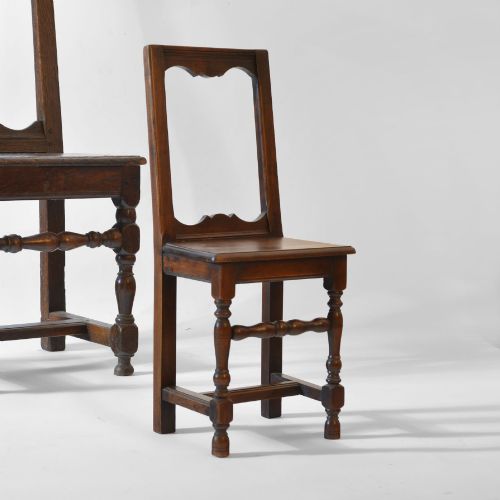
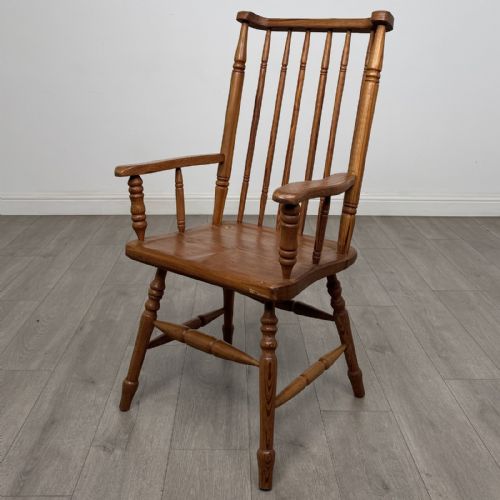
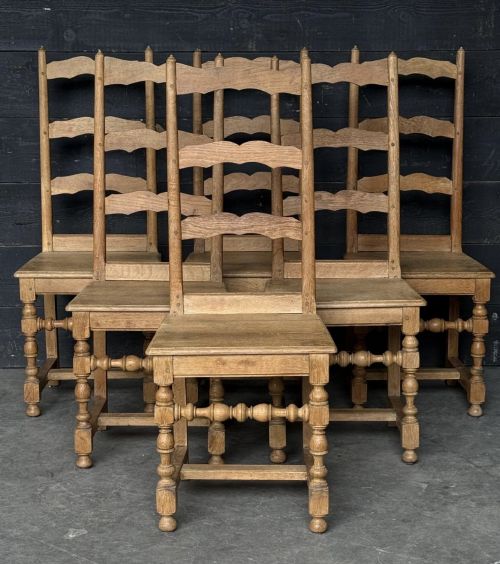
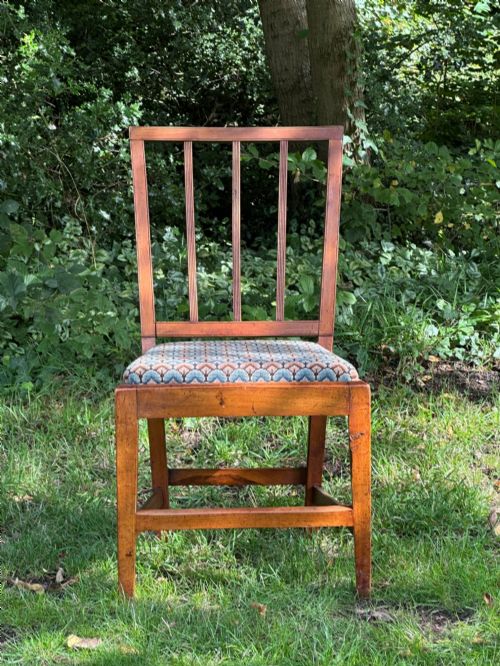
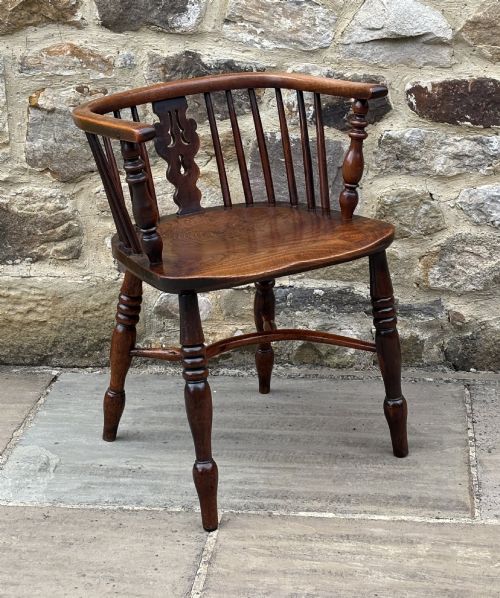
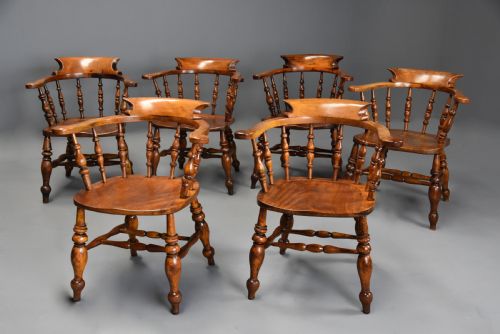
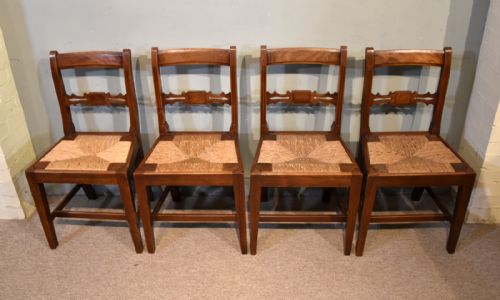
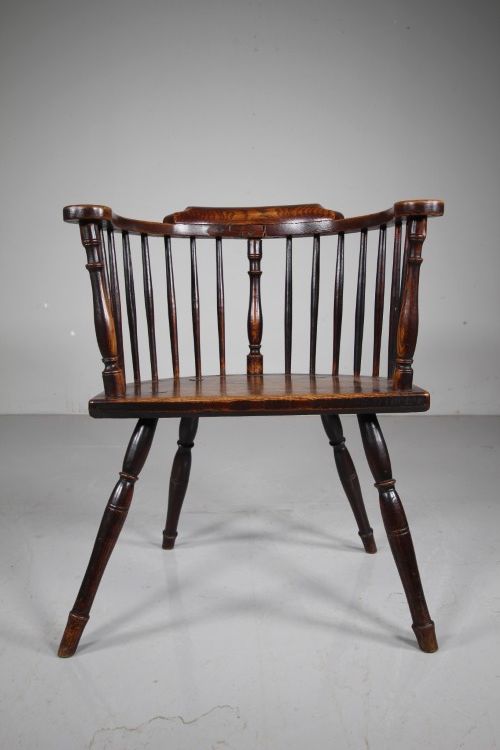
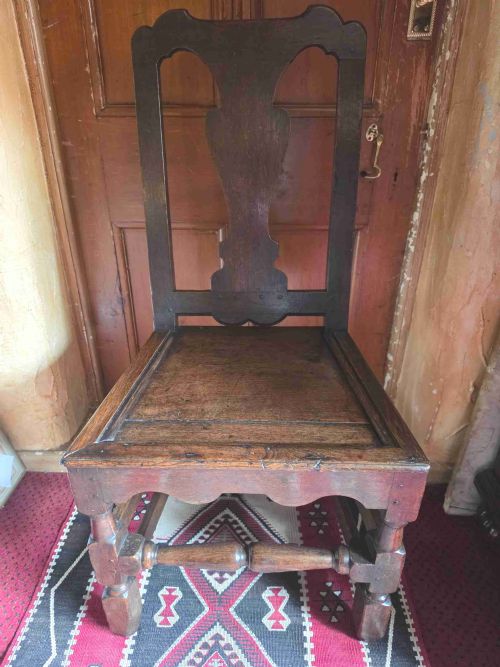
A provincial wooden chair represents the domestic seating produced in regional workshops across Britain, France, and Sweden during the eighteenth and nineteenth centuries. These forms include Windsor armchairs, ladderbacks, and rush-seated side chairs designed for practical household use rather than formal urban reception rooms. Buyers encounter frequent examples fashioned from native hardwoods such as elm, ash, and beech, often displaying simple turnings or comb backs.
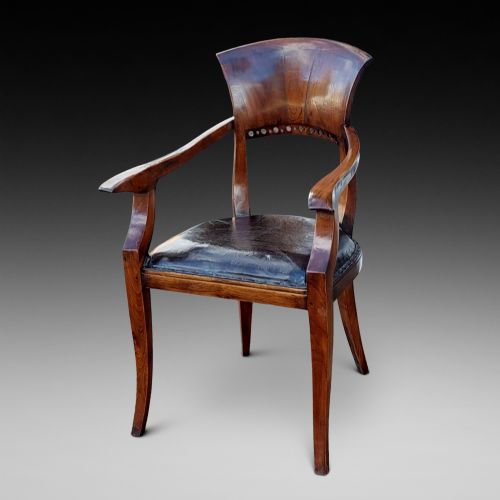
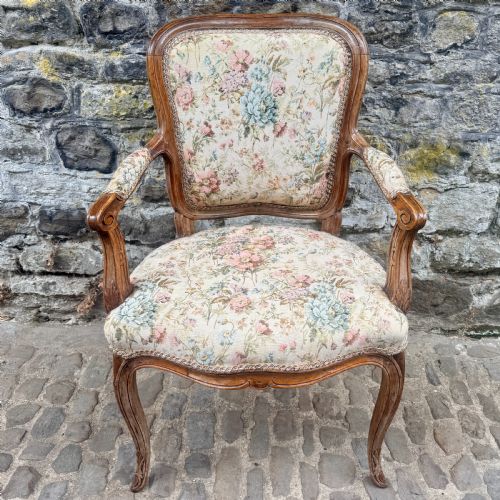
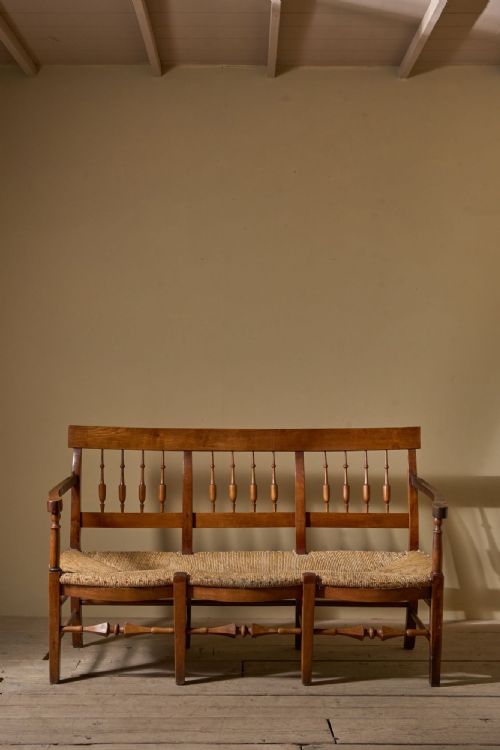
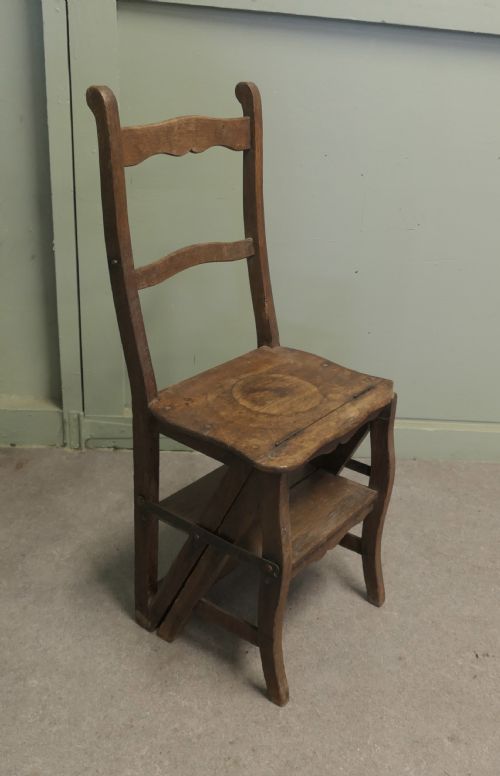
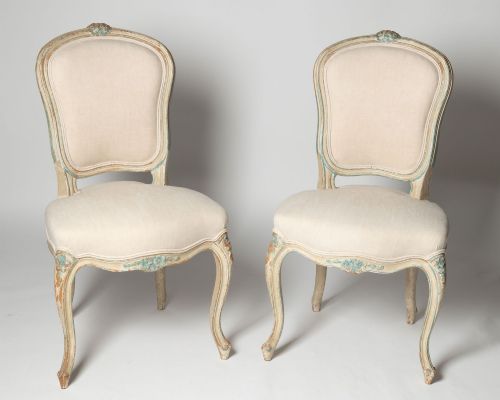
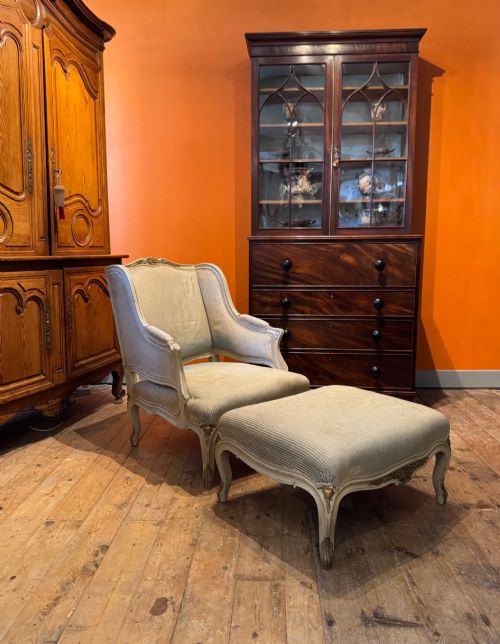
The selection spans periods from the seventeenth century through to early twentieth-century interpretations of French provincial and Georgian country styles. Dining chairs, armchairs, and occasional hall benches appear alongside metamorphic library steps and low children's seating. Most pieces reflect the specific vernacular traditions of their district of origin, whether an English Windsor from Nottinghamshire or a walnut armchair from provincial France.
Materials and construction methods
Construction relies upon the combination of native timbers selected for strength and flexibility, utilising elm for solid seats, ash or beech for spindles and legs, and yew for figured grain. Craftsmen joined components using traditional pegged mortise and tenon joints or through-wedged spindles driven straight into the seat slab. Turned elements were shaped on pole lathes by local turners supplying regional chair bodgers.
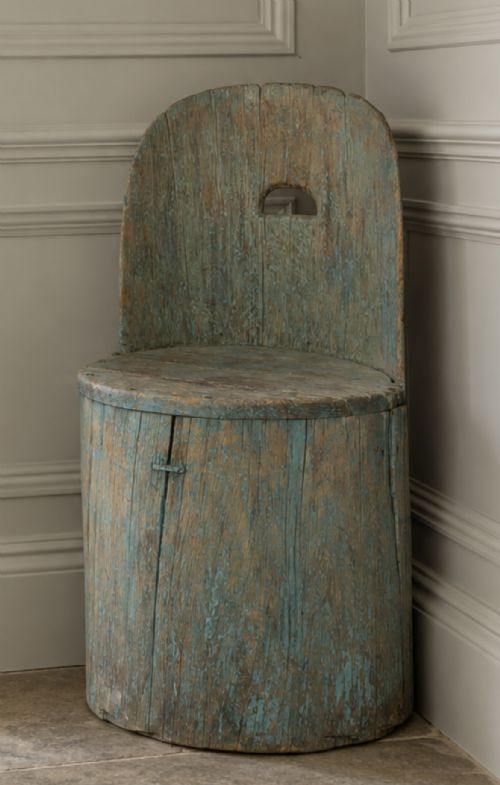
Surface treatments range from waxed natural grain to original paint finishes, milk paint, or applied layers of historical colour. Rush seating was woven directly onto frames using marsh reeds or split cane, while cane panels were hand-woven into shaped beech or oak frameworks.
Provincial Wooden Chair Retail Price Guide 2026
Typical asking prices for provincial wooden chair among the pieces listed under this phrase on Sellingantiques today, from the lower quarter to the upper quarter. They describe what is for sale here now, not the wider market.
One curious offering includes a child's potty chair, proving that even toddlers in the Georgian era required proper regional seating.
Distinctions in quality
Quality rests upon the integrity of the original construction and the balance of the proportions, distinguishing skilled rural joinery from hurried utility output. Superior examples retain their original timber surfaces, untouched patination, and tightly fitted joints without excessive modern stabilization.
The sophistication of the turning work, the comfort of the saddle-shaped wooden seat, and the preservation of original painted or rush surfaces define the higher tier of these regional items.
The Provincial Wooden Chair Glossary
- Windsor
- A traditional wooden chair featuring a solid carved seat into which the legs and back spindles are independently tenoned. This form evolved through various regional English patterns including comb-back and splat-back variants.
- Rush
- A marsh plant material twisted into cords and hand-woven to form durable flexible seating bases. It is commonly found on traditional country dining and hall chairs.
- Splat
- The vertical central strip of wood set into the back of a chair for structural support and decorative effect. In country chairs, this is frequently plain or pierced.
- Ladderback
- A chair style characterised by horizontal arched slats running across the back frame. These were widely produced in ash and fruitwood across English and continental provinces.
- Stretcher
- A horizontal wooden rod connecting the legs of a chair to provide structural rigidity. Provincial makers often arranged these in H-form or crinoline patterns.
Provincial Wooden Chair: Frequently Asked Questions
How do I date a country chair?
Dating relies upon observing tool marks, timber shrinkage, and the evolution of structural joints from pegged mortises to later machine-cut methods. Regional design shifts also provide chronological clues.
Examination of the wear patterns on the seat and footings further helps confirm the age and history of the piece.
Are these chairs comfortable for daily use?
Many provincial chairs feature ergonomically scooped wooden seats designed for long hours of manual labour or dining. Their sturdy construction suits contemporary seating needs.
Cushions can be added to hard wooden seats or rush bases to increase comfort during extended periods.
How should I care for antique timber?
Maintenance requires keeping wooden surfaces away from direct heat sources and sudden humidity changes to prevent timber splitting. Regular dusting with a soft dry cloth preserves the finish.
Occasional application of traditional beeswax feeds the dry wood without building up heavy synthetic residues.
What is a Windsor chair?
A Windsor chair is a distinct seating form built around a thick wooden seat slab that receives the legs from below and the back components from above. This method creates an exceptionally rigid structure.
They appear in various regional configurations including low backs, smokers bows, and high-backed library versions.