





Provincial Pier Mirror
A provincial pier mirror brings a tall vertical presence and aged reflective glass to a room, offering both light and understated country elegance.
Provincial Pier Mirror
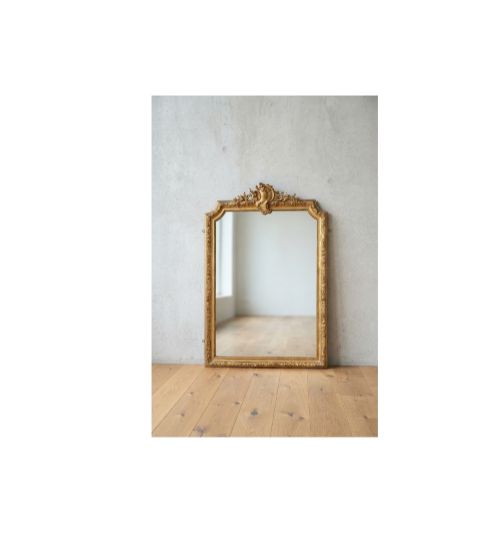
When searching for a provincial pier mirror, buyers encounter tall vertical wall fixtures originating from nineteenth-century France. These pieces are designed to fit the narrow wall space between windows, bringing light deeper into a room.
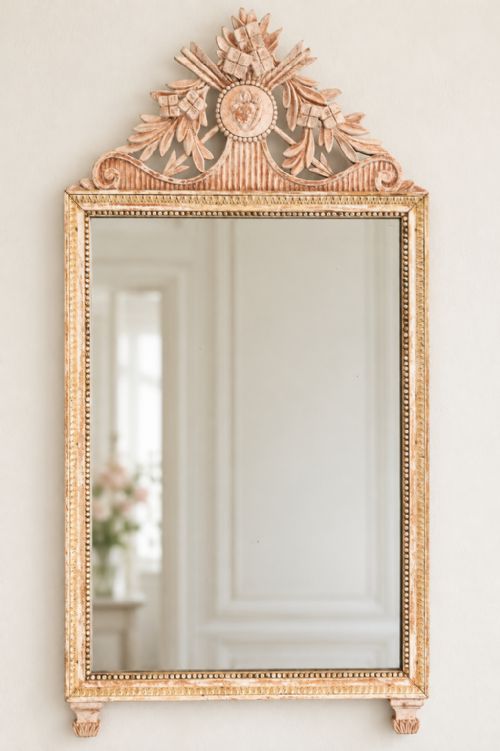
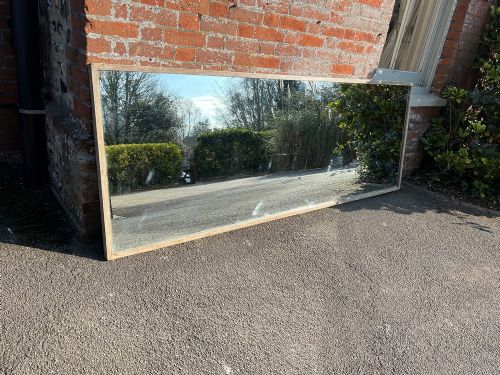
The selections recorded here span the Victorian era, specifically the decades between eighteen-sixty and eighteen-eighty, alongside broader nineteenth-century dating. Forms include trumeau mirrors, column-framed designs, bistro mirrors, and shaped-top wall mirrors.
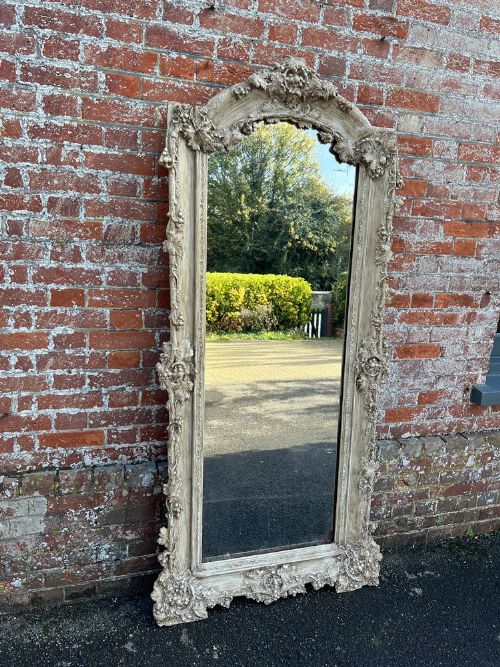
Most examples lean towards French provincial, French chateau, and Louis XV revival styles. Buyers frequently meet painted wood and carved wood constructions within this grouping.
How they were made
Maker construction relies on carved wood and gesso frameworks, often finished with paint or gilt layers. Artisans shaped these materials into tall proportions suited for wall placement between architectural openings.
Reflective surfaces utilise mercury glass, which provides a characteristic mottled and deep reflection distinct from modern mirror plates. Frames feature carved architectural details such as columns, arched tops, and shaped crests.
Provincial Pier Mirror Retail Price Guide 2026
Typical asking prices for provincial pier mirror among the pieces listed under this phrase on Sellingantiques today, from the lower quarter to the upper quarter. They describe what is for sale here now, not the wider market.
Some of these tall French mirrors spent decades reflecting bistro patrons before finding their way onto walls of quiet homes.
What varies in quality
Quality differences lie in the depth and execution of the wood carving and the preservation of the original painted or gilt surface. Pieces with crisp, hand-carved details and undisturbed aged paint sit firmly at the top of the range.
The character of the glass plate also dictates worth, as original mercury glass with authentic oxidation holds greater appeal than later replacement mirror plates.
The Provincial Pier Mirror Glossary
- Trumeau mirror
- A decorative wall mirror incorporating a painted panel or artwork above the glass plate. These tall pieces originated in eighteenth-century French interior design.
- Mercury glass
- A double-walled blown glass filled with a silvering mixture through a small hole. This historic technique creates a dark, speckled reflection.
- Gesso
- A plaster-like mixture applied to wood frames to create a smooth surface for painting or gilding. Carved details often receive this preparation before finishing.
- Pier glass
- A large mirror designed to hang on the narrow pier of wall between two windows. They reflect natural light back into the interior.
Provincial Pier Mirror: Frequently Asked Questions
Where should a pier mirror hang?
These tall vertical mirrors suit narrow wall spaces, traditionally positioned between windows to amplify daylight. They also function effectively above low furniture pieces in hallways or reception rooms.
Ensure the wall construction supports the weight of a heavy carved wood and glass frame before installation.
How do I date these mirrors?
Dating relies on stylistic markers, construction methods, and the characteristics of the glass and framing materials. Nineteenth-century examples often display French regional revival styles executed in carved wood and gesso.
Examining the backboards, fixings, and joinery helps confirm the period of manufacture.
What is mercury glass?
Mercury glass is an early form of silvered glass that creates a characteristic mottled, dark reflection without using actual mercury. It gives antique mirrors their deep, atmospheric appearance.
Original plates often show pleasing foxing and age spots accumulated over the decades.