



Provincial Oak Chairs
Provincial oak chairs are honest regional seating built from solid timber to last generations, bringing tactile warmth and rustic character to any room.
Provincial Oak Chairs
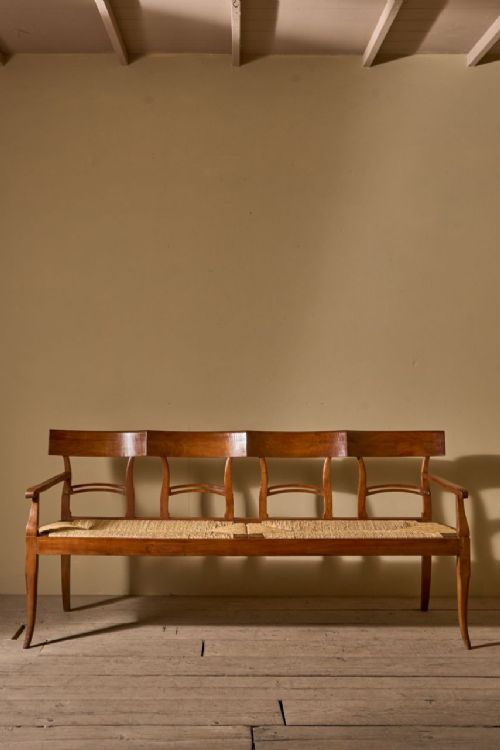
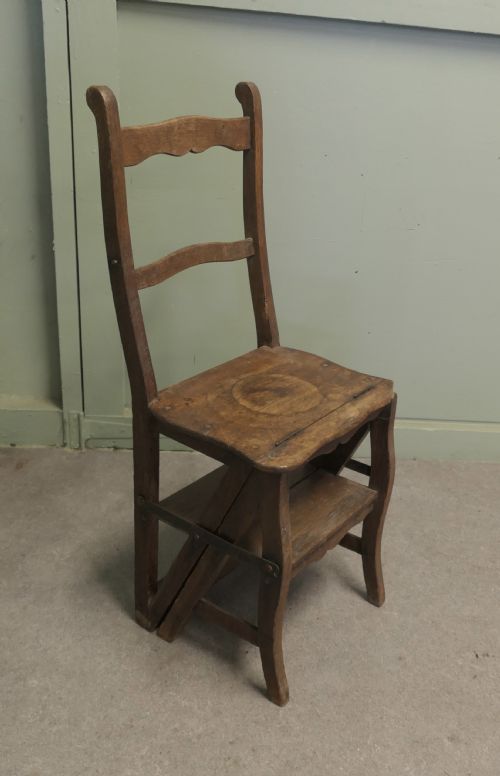
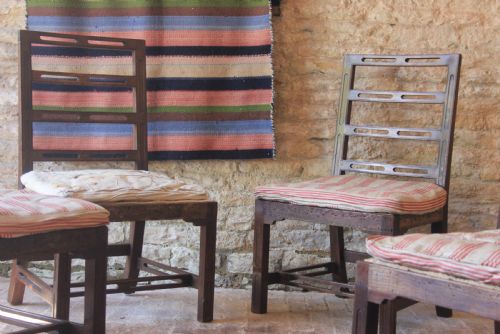
The most common examples encountered on this page are dining sets and individual armchairs originating from eighteenth and nineteenth century England and France. Ladder backs, high backs, and Windsor forms dominate the selection, often paired with rush seats.
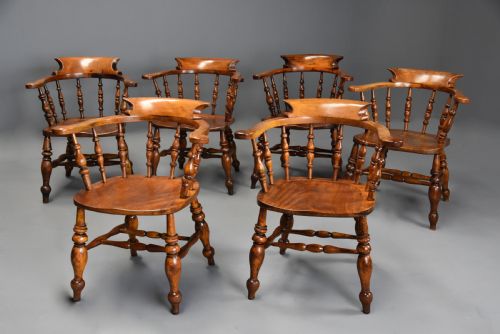
Makers in various provinces drew on local vernacular traditions rather than formal London or Paris fashions, resulting in honest construction. Buyers find everything from pairs of kitchen chairs to large harlequin sets suitable for daily use around a farmhouse table.
How they were made
Makers relied primarily on native oak for frames and structural members, frequently combining it with elm, beech, or cherrywood for seats and spindles. This mixed timber construction ensured that parts subjected to stress, such as bentwood rails or sturdy legs, utilised the most appropriate wood.
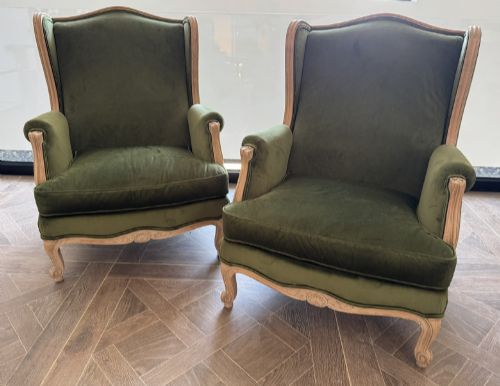
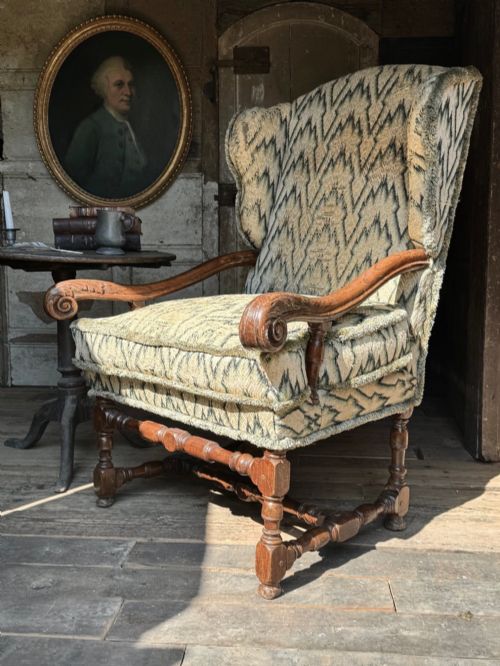
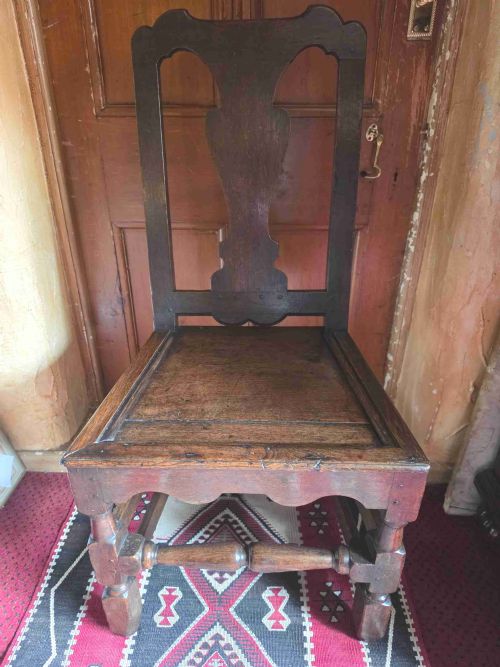
Seats were frequently woven from natural rush or constructed from solid carved elm planks, while later examples incorporated cane or upholstered pads in fabric and velvet. Joinery relied on traditional mortise and tenon joints secured with wooden pegs rather than metal fasteners.
Materials recorded across these listings include oak, elm, beech, cherrywood, rush, fabric, velvet, and cane.
What varies in quality
The degree of hand carving and the proportional balance of the turned spindles distinguish finer country pieces from utilitarian workshop output. Superior examples display thoughtful integration of grain patterns and carefully tapered legs that maintain structural integrity without excessive bulk.
Originality of surface finish and the retention of early rush or timber seats heavily influence the character of a chair. Pieces that have maintained their structural tightness over centuries without excessive replacement parts represent the highest standard of provincial craftsmanship.
The Provincial Oak Chairs Glossary
- Ladder back
- A chair back featuring horizontal arched slats between the upright rear posts. This regional form appeared across seventeenth and eighteenth century kitchens.
- Rush seat
- A seating surface woven from dried marsh grasses twisted into cords. Country makers utilised this flexible material for comfort.
- Smokers bow
- A low-backed Windsor armchair with a rounded continuous arm rail. These sturdy seats gained popularity in nineteenth century parlours and institutions.
- Sgabello
- A rigid wooden hall chair featuring a solid back and flat board legs. Early examples served wealthy households before filtering into provincial idioms.
- Bergère
- An enclosed upholstered armchair with exposed wooden framing. French provincial versions typically combined carved oak with woven cane panels.
Provincial Oak Chairs: Frequently Asked Questions
Are provincial oak chairs comfortable for daily dining?
Most provincial oak chairs offer surprising support thanks to ergonomically shaped ladder backs and contoured wooden or woven rush seats.
Adding loose squab cushions can increase comfort during long dinner parties without altering the historic character of the timber frame.
How do I mix different chairs around a table?
Gathering a harlequin set or pairing armchairs with simpler side chairs reflects traditional country interior practices where furniture accumulated over time.
Matching seat heights and maintaining a consistent wood tone or regional style helps unify an eclectic collection around a central table.
How should I clean and maintain antique oak timber?
Dust the wood regularly with a dry cloth and occasionally feed the surface with a traditional beeswax polish to nourish the dry grain.
Avoid placing antique chairs near direct heat sources or in fluctuating humidity to prevent the oak and rush from splitting or drying out.
How can I tell English provincial chairs from French ones?
English provincial chairs frequently show influences from Windsor, Chippendale, or Regency vernacular designs with straightforward turned legs and stick backs.
French provincial examples often feature Louis XV style curves, carved shell motifs, and woven rush seats integrated into ladder back frames.