
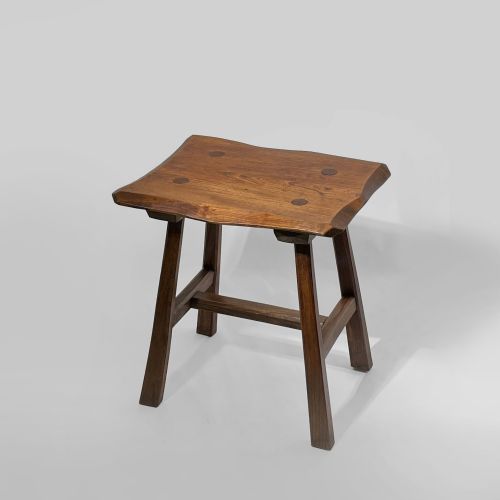
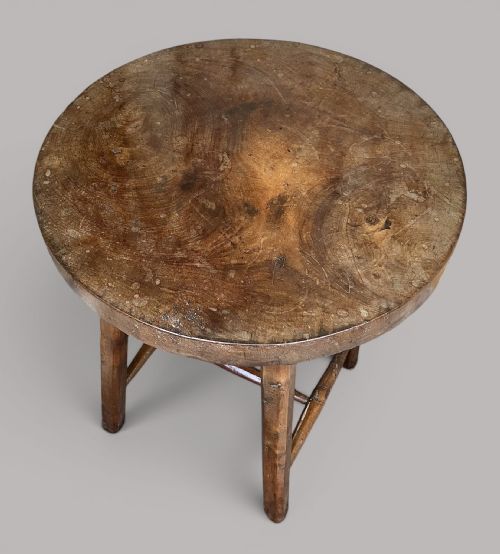
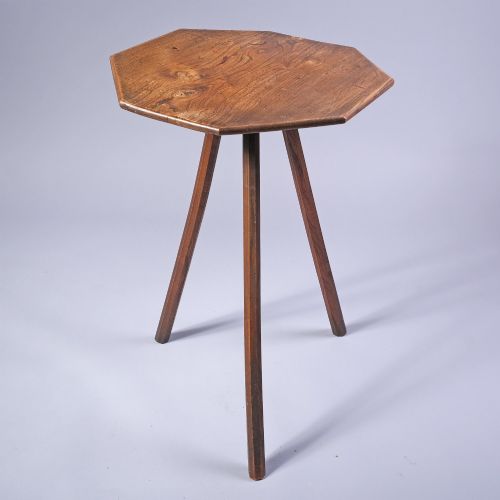
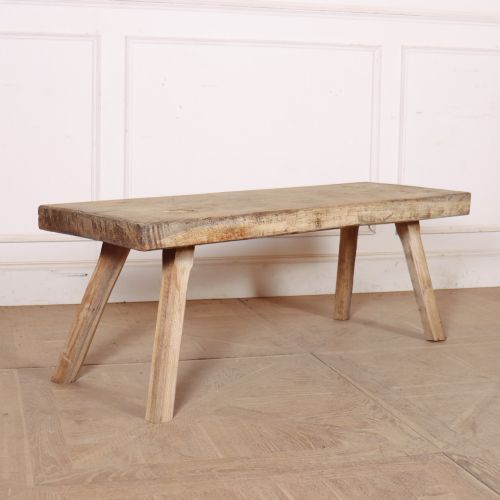
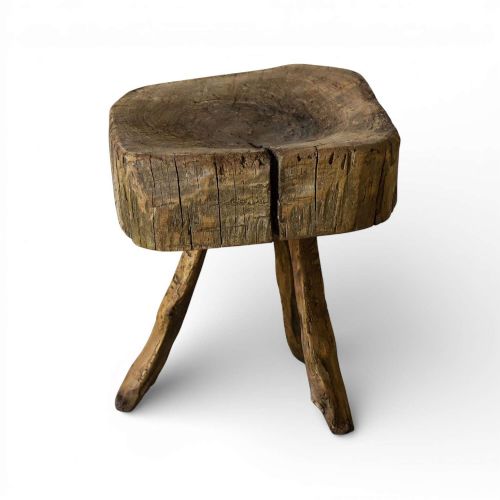
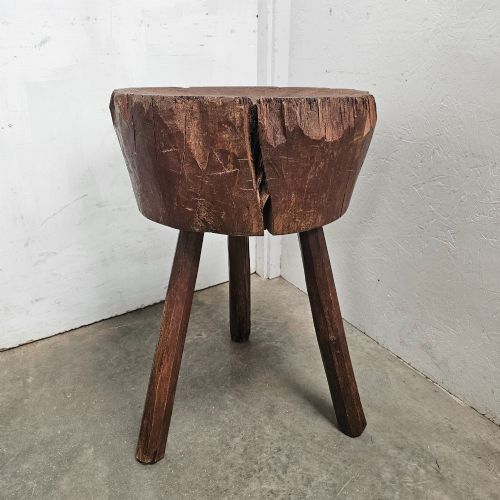
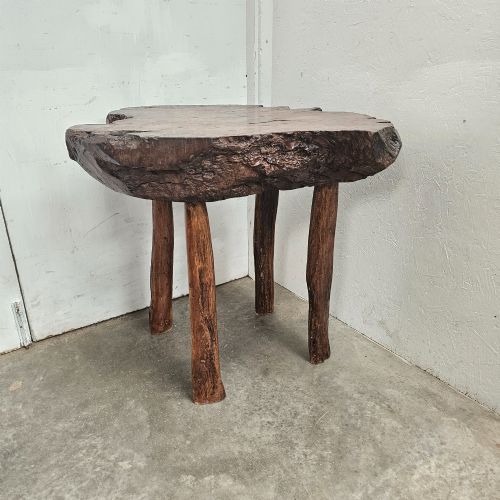
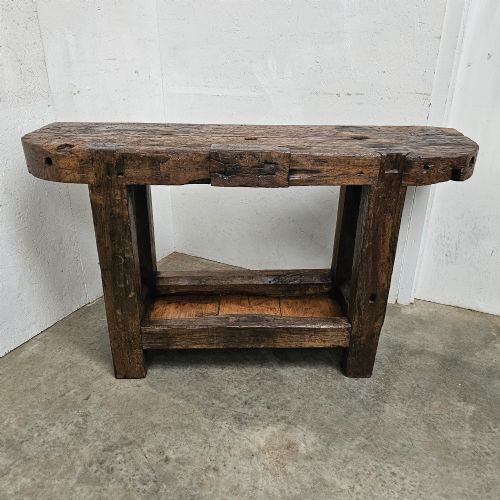


Primitive Wood Table
Primitive wood table examples bring honest utility and rugged character to a room, shaped by hands that worked for daily purpose rather than polite display.
Primitive Wood Table
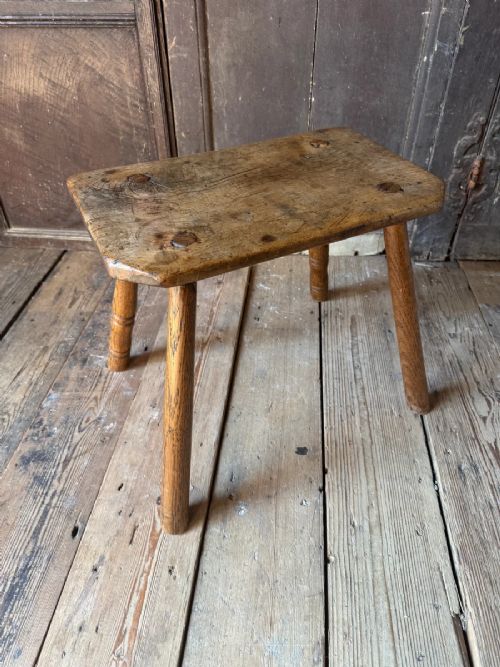
A primitive wood table serves functional domestic and rural life, drawing from centuries of vernacular design across English, French, and Spanish traditions. These pieces include side tables, coffee tables, dining tables, work tables, and chopping blocks rooted in practical rural trades.
The pieces appearing on this page span the 17th century through the Edwardian period, with nineteenth-century examples most frequently met. Forms range from three-legged ash tripods and trestle tables to heavy elm workbenches and game blocks.
Makers built these items for hard use in dairies, kitchens, and workshops rather than formal parlours. Their straightforward construction reflects regional timber availability and the specific demands of rural labour.
Materials and construction
Constructed from a wide variety of native hardwoods and softwoods, these pieces utilise oak, elm, sycamore, ash, pine, walnut, yew, fruitwood, beech, and burr thuya. Artisans selected timber for immediate strength and local availability rather than decorative veneer matching.
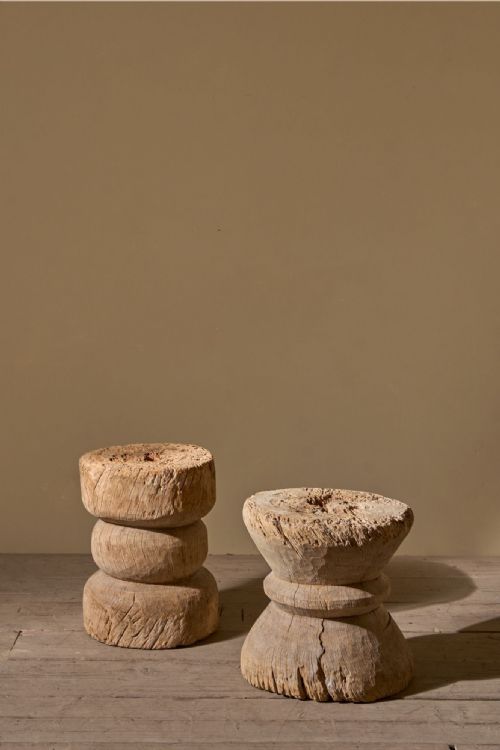
Joinery relies on sturdy pegged joints, through-tenons, and simple cleated tops designed to withstand heavy daily labour. Many examples display the natural gnarled shape of tree trunks, adzed surfaces, and solid dug-out construction showing tool marks from axes and drawknives.
Among the heavy workbenches and dairy tables, a whimsical sailor signalman folk art whirligig occasionally keeps watch over the room.
Understanding quality in primitive pieces
Quality rests in the integrity of the timber and the honesty of the wear rather than slick surface finishes or uniform symmetry. A well-preserved original surface with deep patination accumulated through generations of use separates a superior piece from a sterile reproduction.
Proportion and structural balance dictate the success of these forms, as heavy timber can easily appear clumsy if poorly proportioned. The relationship between the top and the supporting legs - whether gnarled natural branches or turned ash stems - determines the visual strength of the piece.
The Primitive Wood Table Glossary
- Vernacular
- Everyday furniture made by local carpenters or craftsmen using regional styles and materials, free from high-fashion academic design. It represents the local building traditions of a specific community.
- Trestle table
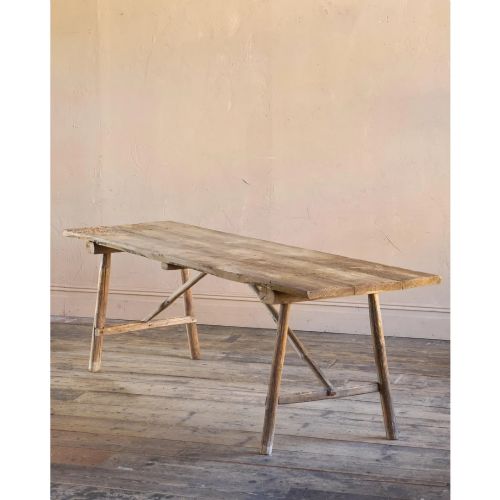
- A board resting on two or more supports, used widely for dining and work. This construction allows for maximum legroom beneath the surface.
- Chopping block
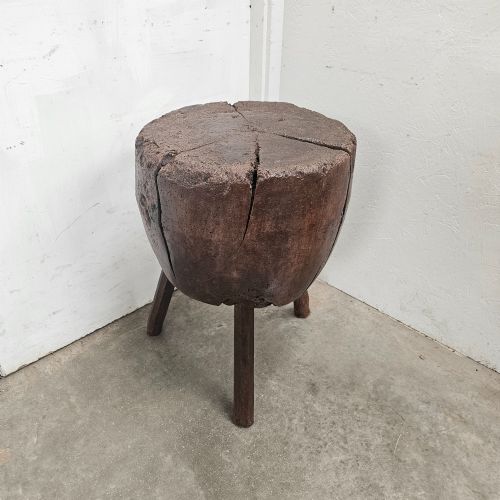
- A heavy timber block used for food preparation or butchery, often retaining deep surface scoring from cleavers and knives. These sturdy items show the most intense functional wear.
- Tripod table
- A small table supported by three legs, offering stability on uneven farmhouse floors without wobbling. They appear frequently in ash, fruitwood, and yew.
- Patina
- The deep surface sheen and colour developed over decades through handling, waxing, and exposure to light. It serves as a visual record of age and use.
Primitive Wood Table: Frequently Asked Questions
What defines a primitive wood table?
A primitive wood table is defined by its straightforward construction and lack of formal ornamentation, made for utility in rural settings.
These pieces prioritise function over fashion, utilising whatever native timber was close to hand in the workshop.
How were these tables used originally?
Original uses varied from dairy preparation and butchery to general kitchen work and dining in modest farmhouses.
Many started life as dedicated workbenches or game blocks before finding a place in modern domestic interiors as coffee or side tables.
How do I live with primitive furniture?
Living with these pieces involves embracing their bumps, scars, and natural movement as part of their history.
They anchor contemporary spaces by introducing texture and warmth, pairing easily with cleaner modern lines or layered rustic surroundings.
How can I tell the period of these tables?
Dating relies on tool marks, timber choice, construction methods, and the natural wear patterns built into the wood over centuries.
Earlier pieces from the seventeenth and eighteenth centuries often show hand-adzed surfaces and pegged joinery distinct from later nineteenth-century manufacturing.