


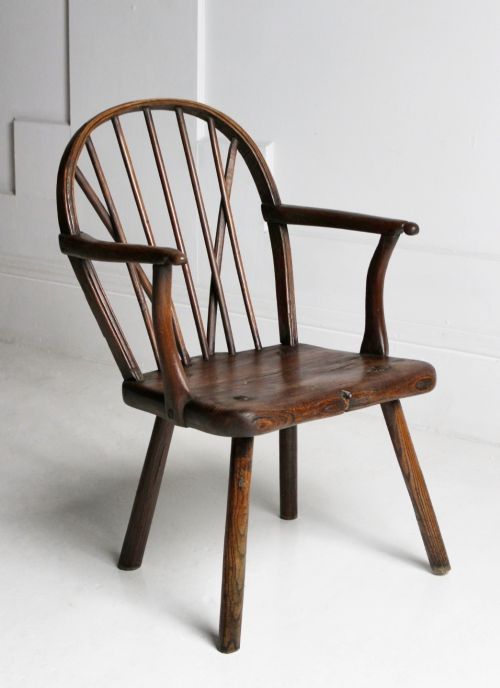


Primitive Country Armchair
A primitive country armchair brings vernacular regional character and honest timber construction straight into a modern interior.
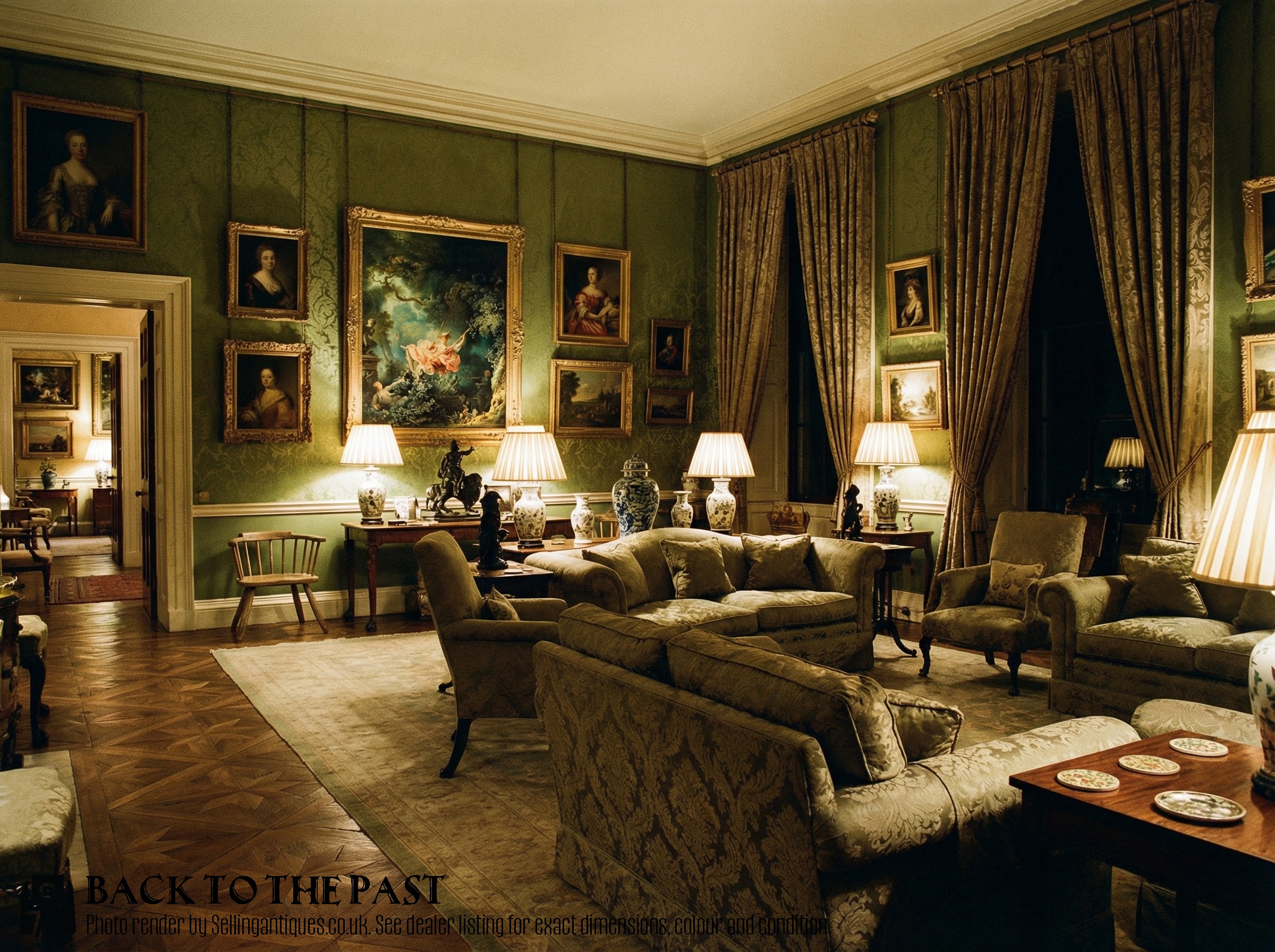
Primitive Country Armchair
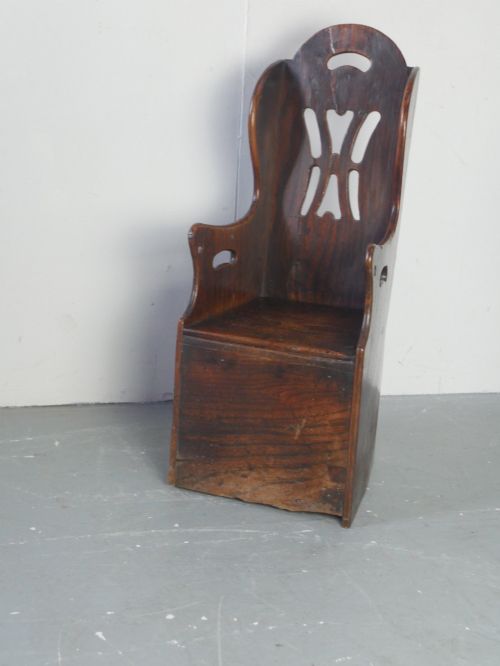
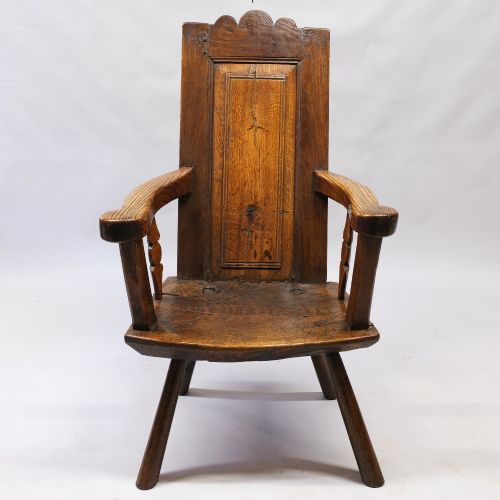
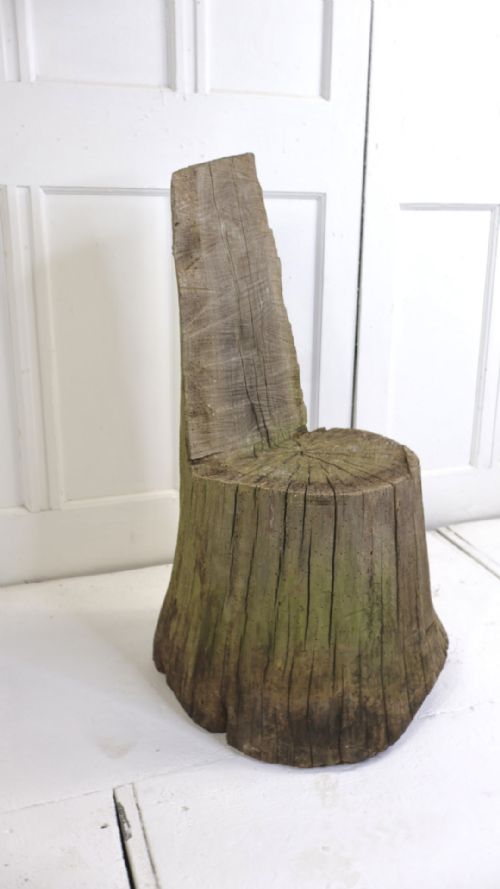
A primitive country armchair is a vernacular seating form shaped by local makers using readily available regional timbers. The selection spans the eighteenth and nineteenth centuries, featuring robust Windsor variants, stick backs, and dug out forms.
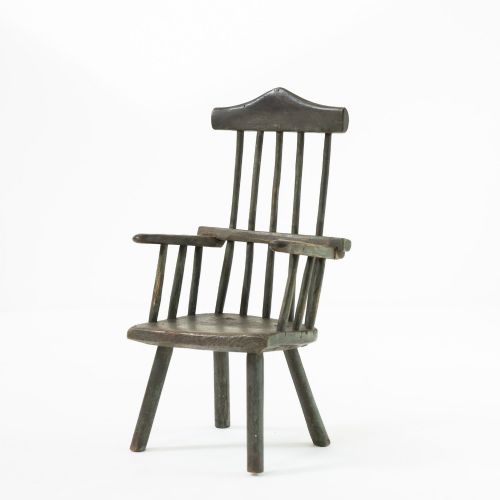
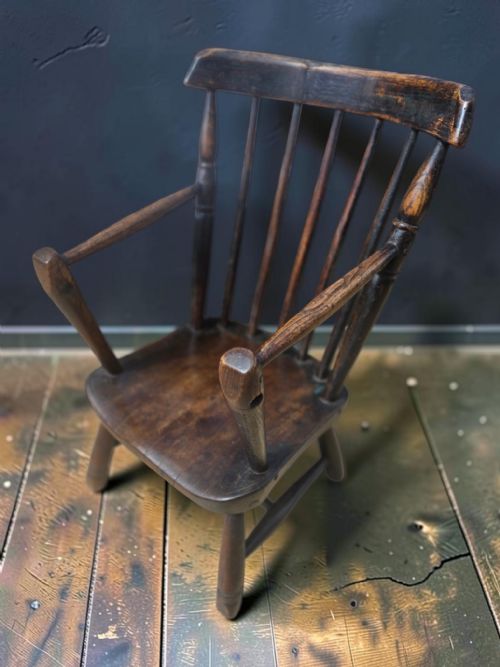
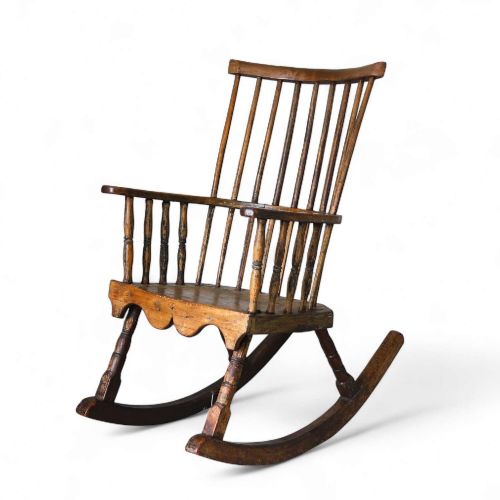
You will frequently encounter English and Welsh regional pieces, particularly comb back Windsors and stick chairs originating from valleys like Snowdonia or Carmarthenshire. Children's chairs and rocking variants also appear alongside adult seating.
Makers constructed these chairs for utility rather than high-style drawing room display, resulting in honest structural solutions like saddle seats and through-wedged legs. Each piece reflects the specific woodworking traditions of its local area.
What separates the best pieces
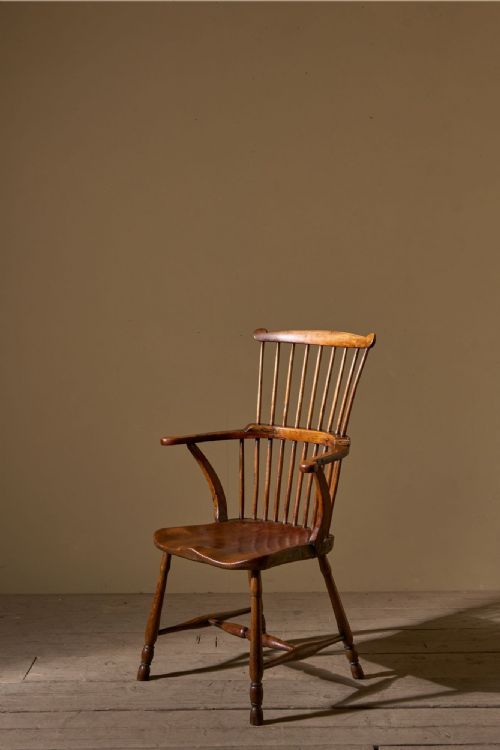
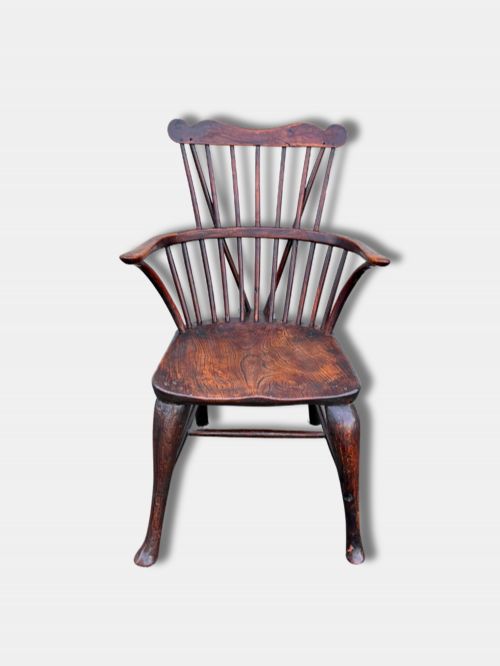
Quality in a primitive country armchair rests on the sculptural fluidity of the comb back, the generous proportions of the solid elm seat, and the pleasing tension of the tapered spindles. The most accomplished examples combine multiple contrasting woods like yew, elm, and laburnum to dramatic visual effect.
Proportion and stance dictate the presence of a chair, with superior examples displaying an organic integration of turned legs and bentwood parts. The integrity of the original surfaces, whether scrubbed timber or historic paint, holds greater weight than excessive restoration.
Primitive Country Armchair Retail Price Guide 2026
Typical asking prices for primitive country armchair among the pieces listed under this phrase on Sellingantiques today, from the lower quarter to the upper quarter. They describe what is for sale here now, not the wider market.
The Primitive Country Armchair Glossary
- Comb back
- A Windsor chair variation where the tall backboard resembles the teeth of a comb, featuring vertical spindles rising through a bentwood crest rail.
- Stick chair
- A vernacular seating form where turned or cleft sticks are driven directly into a solid wooden seat slab without a surrounding bow.
- Windsor chair
- A timber chair constructed with a solid wooden seat into which the legs, back spindles, and arms are separately jointed.
- Vernacular
- Objects designed and made by local craftsmen using traditional methods and native materials, distinct from mainstream academic furniture styles.
- Dug out chair
- A primitive seating form carved and excavated entirely from a single solid block of timber rather than assembled from separate components.
Primitive Country Armchair: Frequently Asked Questions
How do I identify a Welsh stick chair?
Welsh stick chairs typically feature distinct regional construction methods, often employing a thick plank seat with legs wedged straight through and a characteristic low-slung stick back.
Look for local timber combinations such as ash and elm, alongside vernacular design details specific to valleys like Swansea or Carmarthenshire.
Are these chairs comfortable for daily use?
These armchairs were shaped by hand to fit the human body, featuring deep saddle-sculpted seats and supportive raked backs that remain remarkably comfortable.
Their solid wooden construction makes them sturdy enough for regular seating, though smaller children's variants are suited for display or gentle use.
How should I care for primitive timber?
Maintain these pieces by keeping them away from direct heat sources and rapid temperature fluctuations that can cause historic timber to split.
Apply a microcrystalline wax occasionally to nourish the dry wood and protect the aged surface patination without altering the finish.
What is a comb back Windsor?
A comb back Windsor is a specific regional chair type where the vertical spindles extend upward to support a horizontal top rail resembling a traditional hair comb.
This construction provides a high, supportive back while maintaining an airy silhouette through slender turned wood components.