



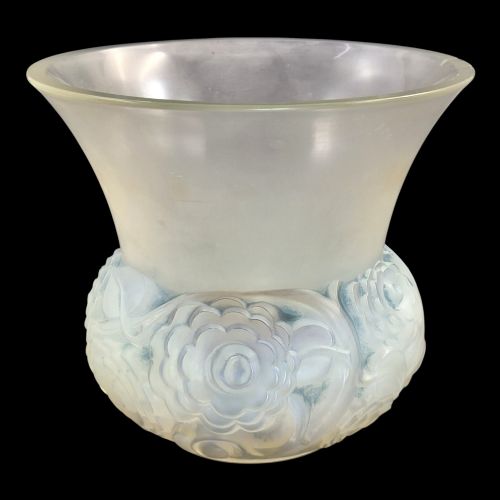


Pressed Glass Art Vase
A pressed glass art vase brings sculptural form and brilliant light play to a room, capturing the distinct glamour of the interwar period.
Pressed Glass Art Vase
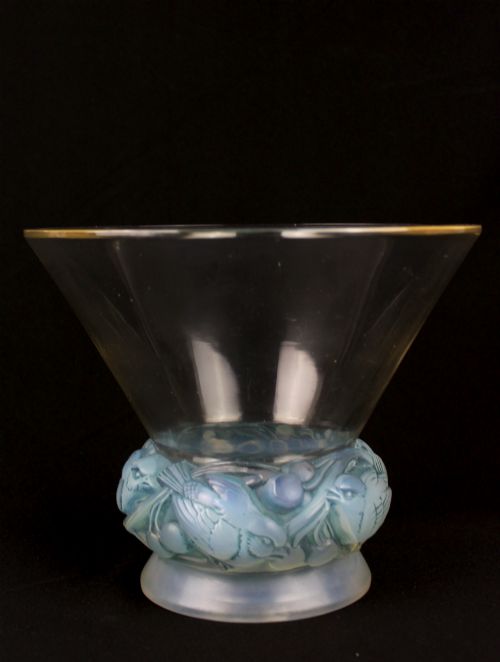
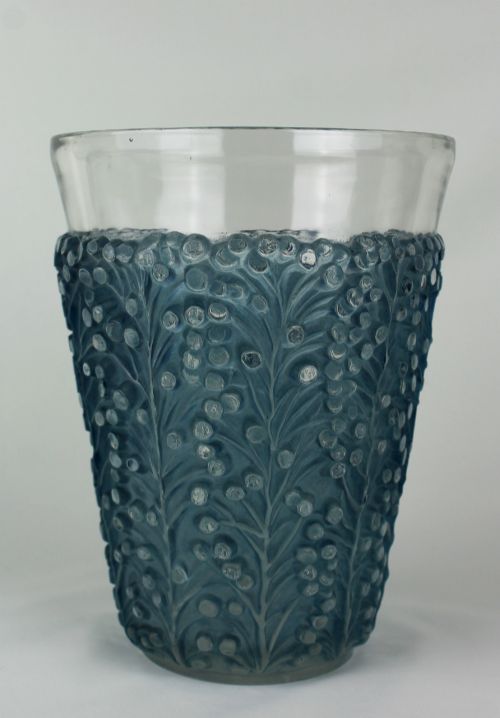
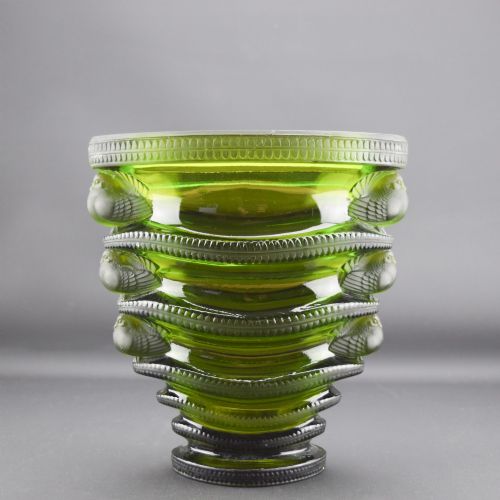
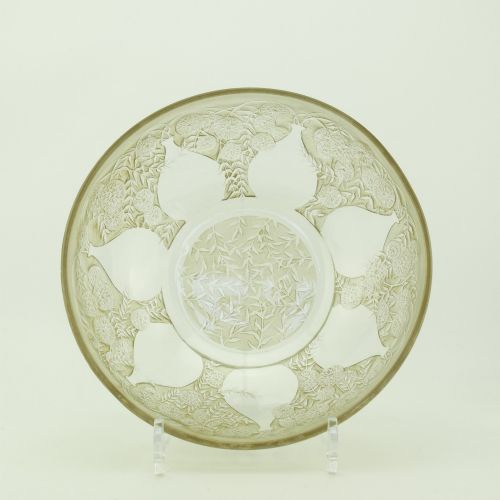
When you search for a pressed glass art vase, you are looking at heavy, decorative vessels produced during the nineteen-twenties and nineteen-thirties. These pieces showcase the geometric and floral motifs characteristic of the Art Deco movement, created by prominent French and Czech makers. Vases form the majority of the available objects, accompanied occasionally by decorative bowls.
The pieces on this page originate predominantly from the nineteen-twenties and nineteen-thirties, reflecting the peak of interwar glass design. French output is heavily represented by renowned makers who utilised innovative moulding techniques to achieve tactile depth. You are most likely to meet opalescent, frosted, and coloured examples that catch and refract light distinctively.
How they were made
Makers produced a pressed glass art vase by forcing molten material into metal moulds under high pressure. This technique allowed intricate relief patterns, such as florals and geometric bands, to be replicated with sharp definition. Manufacturers employed clear, crystal, and coloured glass to achieve different visual effects.
Post-moulding treatments defined the final character of each vessel. Artisans utilised frosting, enamelling, and staining, often applying blue or green pigment to recessed details to accentuate the design. Opalescent glass was specially formulated to shift between milky blue tones and warm amber when lit.
Pressed Glass Art Vase Retail Price Guide 2026
Typical asking prices for pressed glass art vase among the pieces listed under this phrase on Sellingantiques today, from the lower quarter to the upper quarter. They describe what is for sale here now, not the wider market.
Current listings feature pieces exclusively from the 1920 and 1930 periods, created in Art Deco styles using frosted, opalescent, and coloured glass.
What varies in quality
The distinction between standard production and exceptional work rests on the crispness of the mould relief and the depth of the finish. Superior examples exhibit sharply rendered motifs without distortion from worn tooling. The quality of the original staining or enamel work, applied by hand to enhance the pressed design, also determines the visual success of the piece.
Material handling further separates the tiers of production. Master glasshouses achieved sophisticated opalescence that creates a subtle play of light across the surface, whereas lesser pieces appear flat and uniform. The weight and clarity of the base crystal or coloured glass indicate the precision of the manufacturing process.
Rene Lalique·Libochovice
The Pressed Glass Art Vase Glossary
- Pressed glass
- Glass formed by pressing molten metal into a metal mould with a plunger. This mechanical process allowed complex decorative patterns to be produced efficiently.
- Opalescent glass
- Glass containing agents that cause it to display a milky blue appearance in reflected light and an amber tone in transmitted light. It creates a luminous depth on sculptural vessels.
- Art Deco
- The dominant design style of the interwar period, characterised by stylised florals, geometric symmetry, and streamlined forms. It heavily influenced European glass production during the nineteen-twenties and nineteen-thirties.
- Frosted glass
- Glass with a textured, matte surface created by acid-etching or sandblasting. This finish softens the transmission of light and highlights surface relief.
- Press-moulded glass
- A manufacturing method where glass is shaped by pressure against a mould interior. It ensures consistent exterior ornamentation across decorative vases and bowls.
Pressed Glass Art Vase: Frequently Asked Questions
How do I identify a pressed glass art vase?
Examine the vessel for sharp relief moulding, heavy weight, and characteristic interwar motifs like floral garlands or geometric patterns. Many pieces from this era feature signature marks or specific material properties such as opalescence.
Look closely at the surface finish for hand-applied stains or frosted textures that contrast with clear or coloured areas. These stylistic markers distinguish interwar European production from later glassware.
What periods do these vases come from?
The available pieces originate primarily from the nineteen-twenties and nineteen-thirties, aligning with the height of the Art Deco movement in Europe. French and Czech glasshouses dominated this era of decorative design.
Catalogues from this timeframe record a heavy focus on sculptural vases and bowls utilising innovative press-moulding techniques. Dating relies on stylistic design and known workshop production periods.
How should I display opalescent glass?
Place your vase in a position where natural or directional light can pass through the body. This allows the glass to shift between milky blue and warm amber tones.
Avoid placing heavy pieces near the edge of shelves where they might be knocked, as pressed glass vessels from this era are substantial and dense. Proper illumination brings out the subtle textures of frosted and stained surfaces.
What is the difference between moulded and pressed glass?
Pressed glass is formed by mechanical pressure forcing molten material into a fixed metal mould using a plunger. This leaves a sharp exterior pattern and a smoother interior finish.
Moulded glass encompasses broader techniques where glass takes the shape of a form, but strict press-moulding was the primary method for achieving the deep, tactile reliefs seen on interwar decorative vases.