






Pottery Animal Figures
These pottery animal figures span centuries of domestic and foreign kilns, offering everything from Victorian poodles to ancient guardians.
Pottery Animal Figures
Pottery animal figures encompass a broad range of sculptural ceramic domestic pets, farm animals, and exotic beasts created for display.
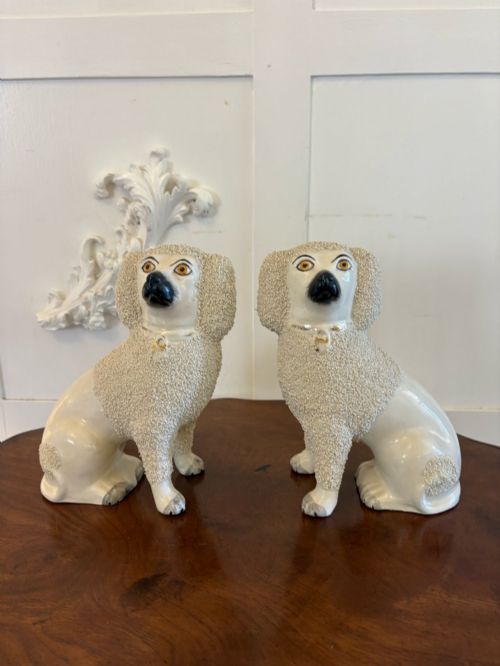
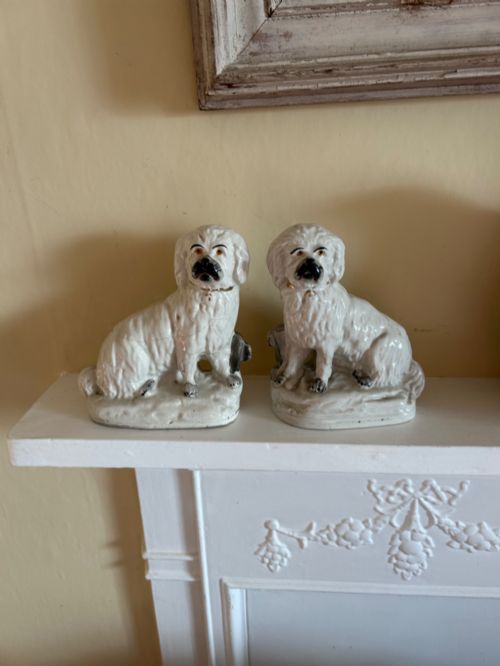
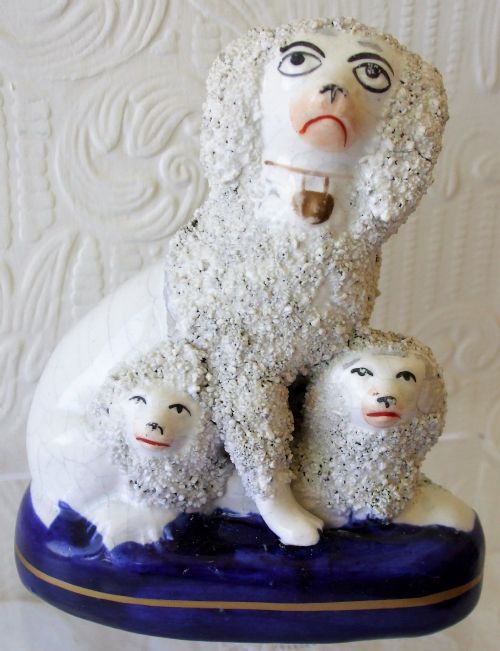
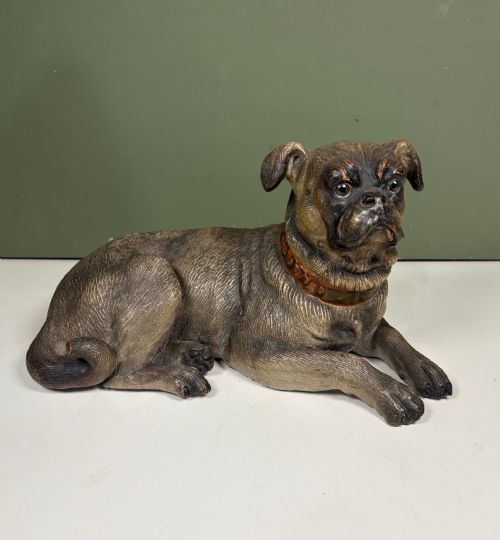
The selection here draws heavily from nineteenth century Staffordshire poodles, lions, and dogs alongside French terracotta cats and Chinese glazed pottery creatures.
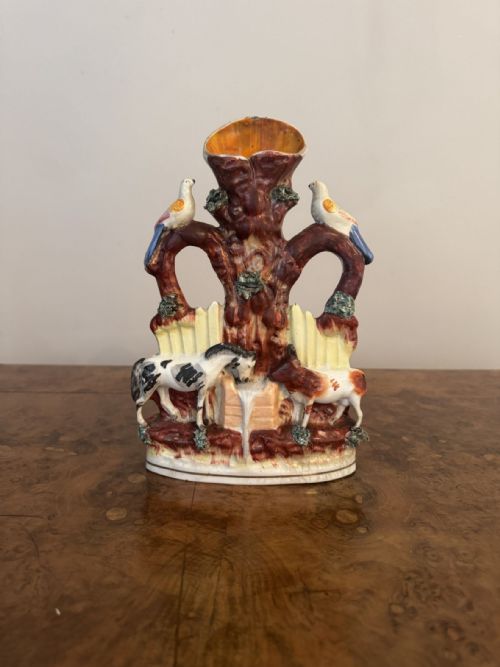
Buyers encounter everything from spill vases and bookends to single decorative sculptures and matched pairs.
How they were made
Makers shaped these earthenware, terracotta, and ceramic bodies by hand modelling or casting in moulds before applying lead glazes, enamel, or treacle glaze.
Surface decoration ranges from blue and white Delft painting to rich copper lustre finishes and sancai glazes.
Pottery Animal Figures Retail Price Guide 2026
Typical asking prices for pottery animal figures among the pieces listed under this phrase on Sellingantiques today, from the lower quarter to the upper quarter. They describe what is for sale here now, not the wider market.
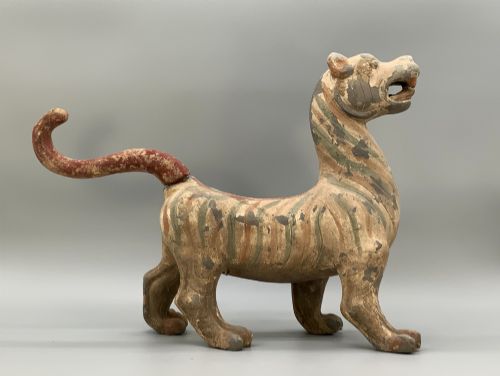
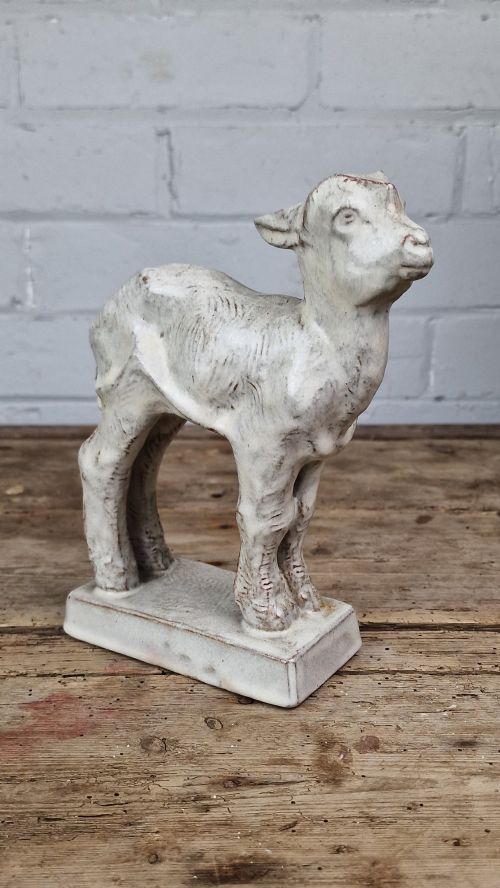
Periods represented span from pre-sixteenth century ancient Chinese guardian figures up to mid-twentieth century Art Deco ceramic models.
What varies in quality
Quality rests in the crispness of the modelling and the depth of the glaze, distinguishing spirited hand-modelled sculptures from mass-produced wares.
The subtlety of expression and the preservation of original hand-painted or glazed details elevate certain figures above standard domestic ornaments.
Joseph Constant·Guido Cacciapuoti
The Pottery Animal Figures Glossary
- Pearlware
- A refined earthenware developed in the late eighteenth century with a bluish glaze that pools in recesses.
- Spill vase
- A hollow figural ceramic piece designed to hold wooden spills used for lighting pipes and fires.
- Treacle glaze
- A rich, dark brown translucent lead glaze used extensively on nineteenth century pottery.
- Terracotta
- Unglazed or glazed fired clay of a brownish-red colour, commonly utilised for French animalier sculptures.
- Sancai glaze
- A three-colour lead glaze tradition originating in China, typically employing amber, green, and creamy white.
Pottery Animal Figures: Frequently Asked Questions
What animals do these ceramics depict?
The listings include domestic animals such as poodles, pugs, cows, sheep, and cats, alongside wild or mythical beasts like lions, tigers, and Han Dynasty guardians.
Pairs of dogs and lions predominate among the English domestic pieces, whilst continental and Asian makers offer varied feline and avian subjects.
How were nineteenth century Staffordshire dogs displayed?
Staffordshire dogs were traditionally manufactured in mirrored pairs to sit on either side of a fireplace mantelpiece in Victorian homes.
They served as familiar domestic ornaments that signalled respectability and fondness for household pets.
What is an animalier sculpture?
Animalier refers to the realistic artistic representation of animals, a genre pursued actively by nineteenth and twentieth century sculptors.
These pieces focus on the natural posture and muscle structure of the subject rather than stylised decoration.
How do I identify a spill vase?
A spill vase incorporates an integrated hollow cylinder beside or behind the animal figure to hold wooden taper matches.
This functional element allows the ceramic sculpture to serve a practical purpose on a mantel or desk.