
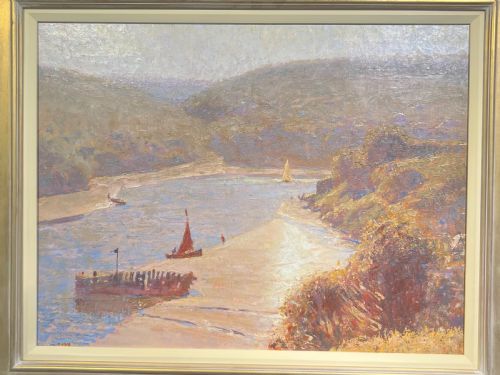


Post Impressionist Seascape Painting
A post impressionist seascape painting captures coastal light and atmosphere through expressive brushwork, appealing to collectors seeking vibrant marine scenes.
Post Impressionist Seascape Painting
A post impressionist seascape painting brings together coastal views, harbours and marine subjects executed in styles ranging from British Impressionism to French Post-Impressionism. When searching for a post impressionist seascape painting, buyers most frequently encounter works on canvas dating from the early twentieth century, spanning decades such as the nineteen-tens and nineteen-twenties.
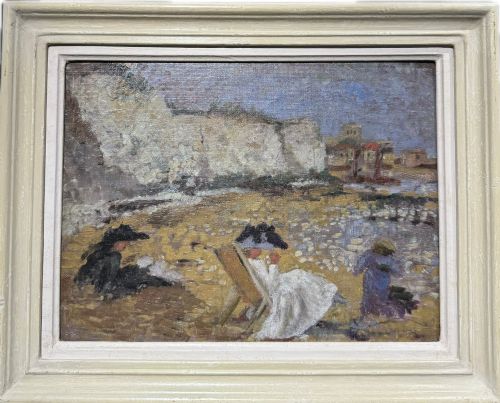
The regional origins of these works stretch across British coastal locations like St Ives and Polperro, alongside French destinations including the Brittany coastline, Marseille, and the Cote d'Azur. Canvas and wood serve as the primary supports for compositions depicting fishing ports, beaches, and rocky coastal inlets.
Materials and technique
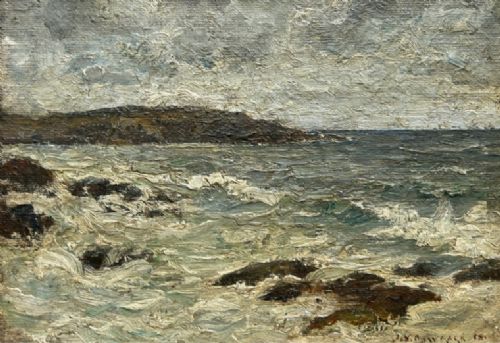
Artists executed these works primarily using oil paint applied to canvas or wood supports, frequently employing thick impasto techniques to build texture. Brushwork remains visible and expressive, capturing the shifting light and movement of water across marine subjects.
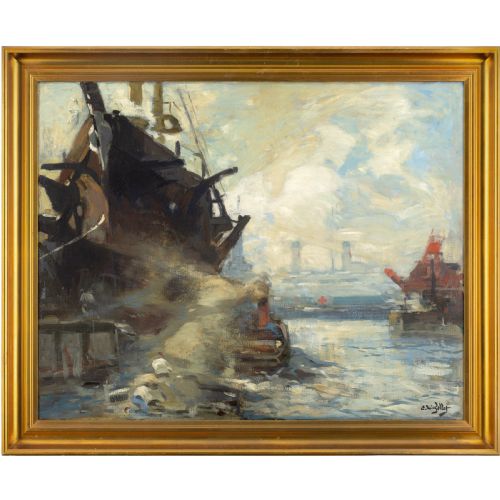
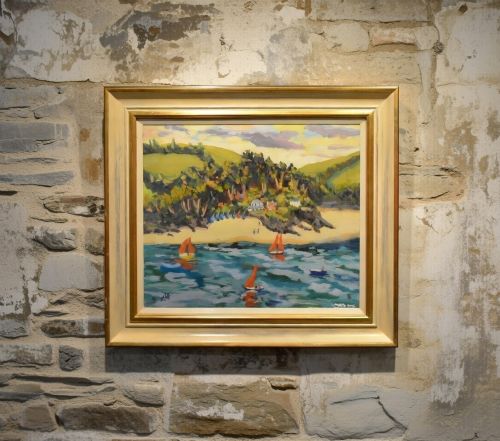
Framing often incorporates gilt elements to complement the painted surface, while supports range from standard stretched canvas to wood panels.
Listings feature works executed in oil on canvas and wood, spanning periods from nineteen hundred through the nineteen-sixties and later.
Factors of quality
The strength of the composition and the handling of light separate more accomplished works from simpler student pieces or lesser examples. Handling of impasto and the confidence of the brushwork determine the visual impact of the coastal scene.
Attribution to documented artists or well-regarded regional schools adds context and distinction to individual works within the broader field.
Eugène-Louis Gillot·Louis Suire·Jean-Baptiste Olive·Charles Malfroy·Edward Seago·Donald McIntyre·Hendrik Yan Wolter
The Post Impressionist Seascape Painting Glossary
- Impasto
- Paint applied thickly to a canvas or panel, standing out in relief from the surface. This technique creates a textured surface that catches the light and adds physical depth to waves and coastal rocks.
- Gilt
- A thin layer of gold or gold-coloured material applied to frame mouldings. Such finishes enhance the overall presentation of the oil painting.
- Provenance
- The documented history of ownership of a work of art. Clear records help establish the authenticity and origin of a coastal painting.
- Support
- The physical material upon which the oil paint is applied, such as stretched canvas or wood panel. The choice of support influences the texture and preservation of the artwork.
Post Impressionist Seascape Painting: Frequently Asked Questions
What is a post impressionist seascape painting?
A post impressionist seascape painting is an oil work on canvas or wood capturing marine views, harbours, and coastal scenes through expressive brushwork.
These works date predominantly from the early to mid-twentieth century and originate from British and French coastal artist communities.
How should I display my painting?
Display the oil painting away from direct sunlight and excessive humidity to protect the canvas and oil pigments over time.
Ensure the surrounding wall space accommodates the scale of the canvas and any original gilt framing.
How do I identify the period?
Examine the style of brushwork, the canvas preparation, and any framing details typical of the early twentieth century.
Signatures, exhibition labels, and recorded artist dates help narrow down the specific decade of execution.
Where were these scenes painted?
Artists painted these marine scenes along active fishing ports and beaches in Britain, such as Cornwall and Pembrokeshire.
Popular continental locations included the Brittany coastline, Marseille, and the sunny shores of the French Riviera.