



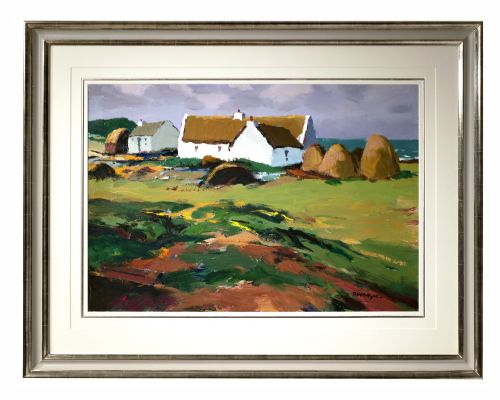
Original Coastal Oil Artwork
Original coastal oil artwork captures the changing moods of the sea and shore through enduring brushwork.
Original Coastal Oil Artwork
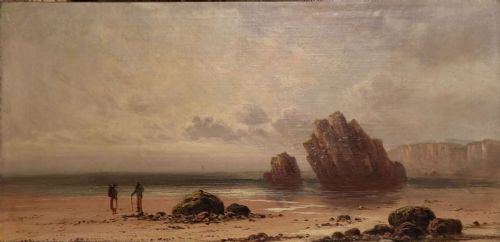
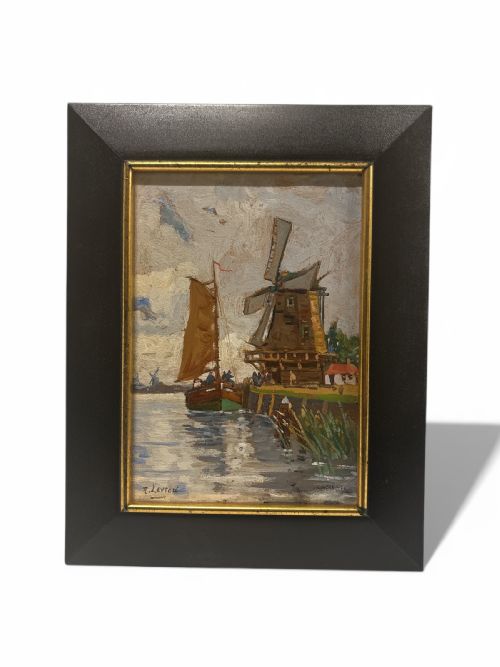
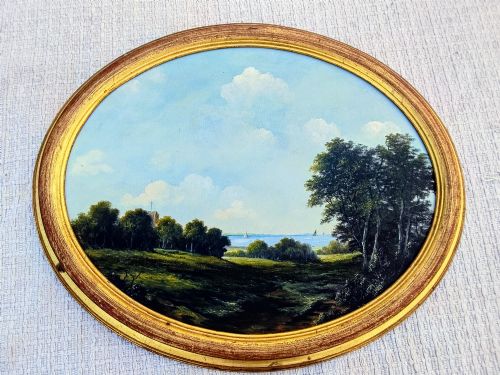
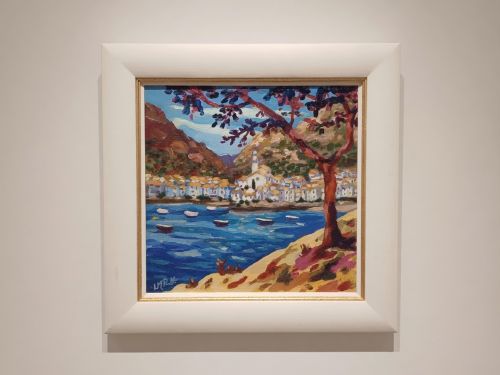
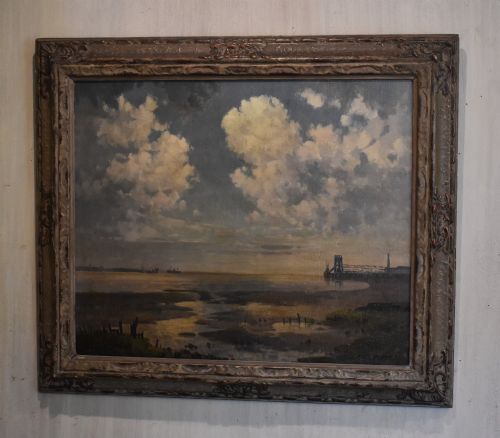
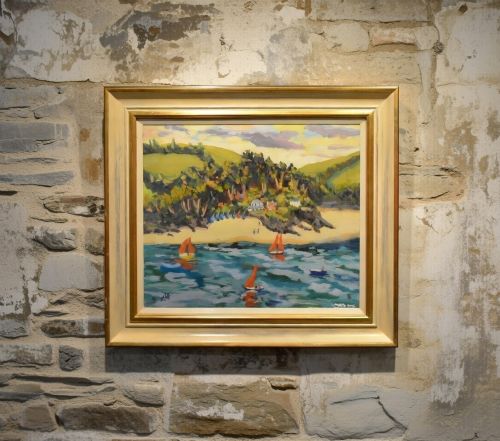
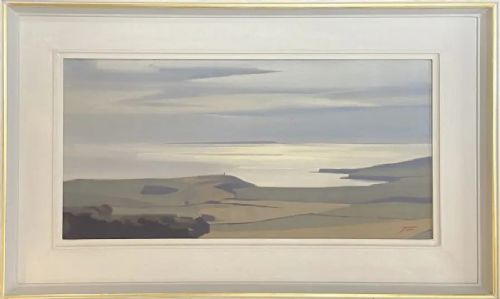
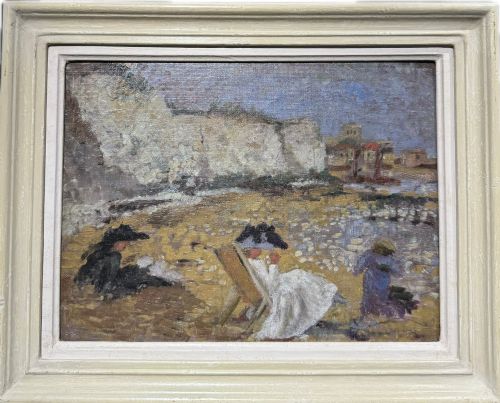
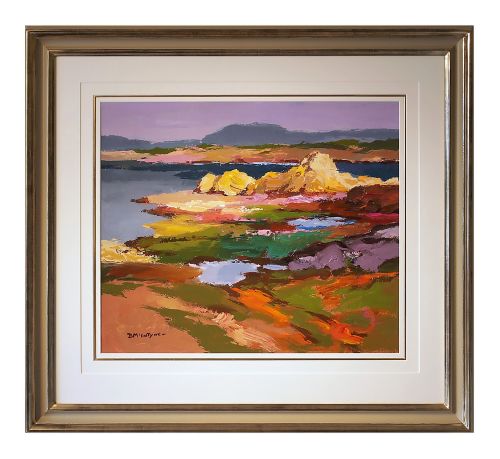
When searching for original coastal oil artwork, collectors encounter maritime scenes, harbour views, and rocky shorelines spanning from the nineteenth century into the mid twentieth century. These paintings depict regional British and French coastal locations, ranging from Cornish fishing ports to open seascapes.
The selection includes plein air studies capturing immediate atmospheric conditions alongside composed studio canvases. Common formats vary from traditional rectangular compositions to distinct oval sea views framed in gilt wood.
Materials and Technique
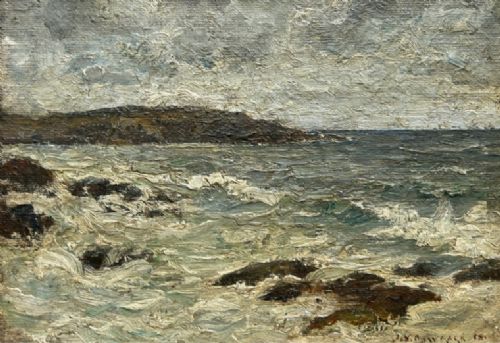
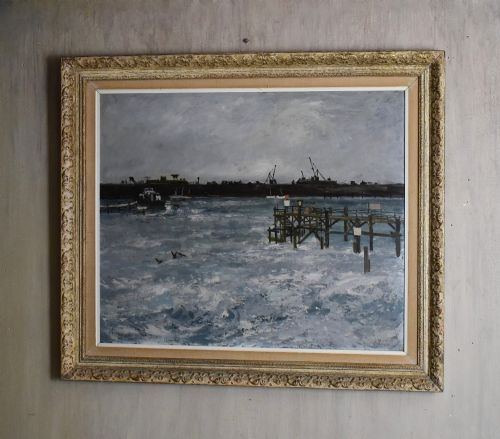
Paintings in this category utilise oil paint applied to either stretched canvas or wooden board substrates. Many works incorporate textured impasto techniques that build physical depth into the depiction of waves, cliffs, and clouds.
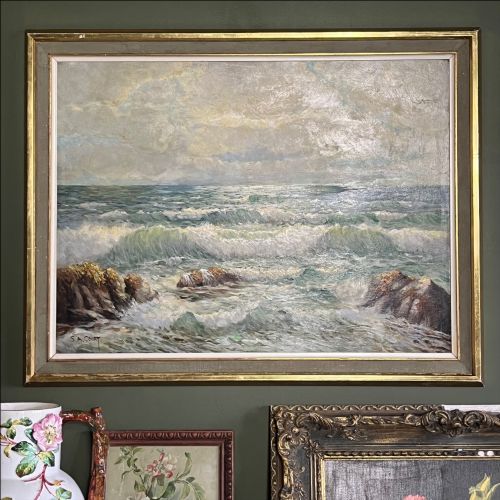
Finished pieces are frequently housed within period gilt frames that complement the maritime subject matter. Artists worked en plein air or translated field sketches into finished compositions using traditional brushes and palette knives.
Listings feature works executed on wood and canvas across the nineteenth and twentieth centuries.
Factors of Quality
Quality rests upon the artist's ability to render light, movement, and atmosphere convincingly across the marine surface. Superior brushwork captures the specific weight of water and the transient quality of coastal illumination.
The relationship between the painted composition and its period frame contributes significantly to the overall integrity of the piece. Works retaining their original gilt framing demonstrate greater historical completeness.
Kenneth Cozens·Clifford Hanney·Sidney A Court·Clive Browne·Peter Brannan·James Fry·Ethel Sands·Donald McIntyre·Cecil Allan Mould·Bernard Benedict Hemy·Abraham Hulk I·Raymond Moritz·Joseph Edward Hennah·Edward Matthew Elliott·Charles Napier Hemy·Louis Suire·Helen Layfield Bradley·Gustave Vidal·Gyrth Russell·Jean Baptiste Olive·George Turland Goosey·Norman Lloyd
The Original Coastal Oil Artwork Glossary
- Impasto
- Paint applied thickly to a canvas or board, leaving prominent brush or palette knife marks that stand out from the surface. This technique adds tactile dimension to elements like foam, rocks, and clouds.
- En plein air
- The act of painting outdoors to capture direct observations of natural light and weather. Coastal works created this way often display spontaneous brushwork.
- Gilt wood
- Wood carved and coated with gold leaf or metallic gilt preparation used for framing paintings. These frames enhance the visual impact of maritime scenes.
- Sea stack
- An isolated geological landform consisting of a steep and often vertical column or columns of rock in the sea. They frequently appear in nineteenth century coastal compositions.
Original Coastal Oil Artwork: Frequently Asked Questions
How do I date a coastal oil painting?
Dating relies on stylistic evidence, artist biography records, and the construction methods of the canvas support or stretcher. Fashion in maritime clothing and vessel types also provides clues to the decade of creation.
Frame construction and framing materials further assist in confirming the period of the artwork. Examining exhibition labels or inscriptions on the reverse often reveals exact dates.
What is the difference between canvas and board?
Canvas consists of woven fabric stretched over a wooden frame, offering slight flexibility and a distinct textile texture beneath the paint layers. Board provides a rigid, flat wooden or composite support that resists punctures.
Many plein air coastal works use board because it withstands outdoor transport and harsh seaside conditions more readily than stretched fabric.
How should I care for an oil painting?
Keep oil paintings away from direct sunlight and sources of extreme heat or humidity to prevent cracking in the paint layer. Dust the surface gently with a soft, dry brush without applying pressure.
Avoid using water or chemical cleaners on the paint or the gilt frame. Professional conservation is recommended for any cleaning or restoration work.
What defines a maritime landscape?
A maritime landscape focuses primarily on the sea, ships, harbours, and coastal architecture rather than inland scenery. These works record commercial shipping, fishing fleets, and leisure sailing vessels in coastal waters.
Such paintings often document historical harbours and coastal changes over the centuries. The depiction of tidal states and marine weather conditions forms a central focus.