


Post Impressionist River Art
Post impressionist river art captures flowing water and open skies through vigorous brushwork and bright pigments.
Post Impressionist River Art
When you search for post impressionist river art, you encounter oil paintings on canvas and board depicting canals, marshes, and bridges. These works span periods from the nineteenth century through the mid-twentieth century.
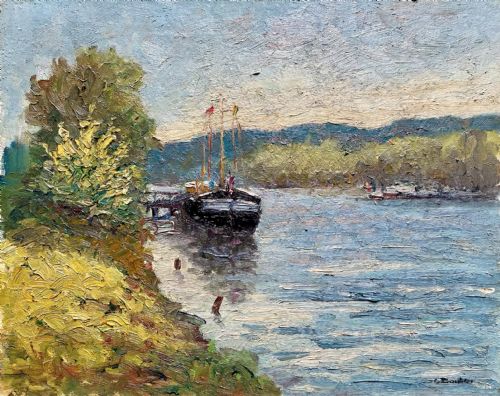
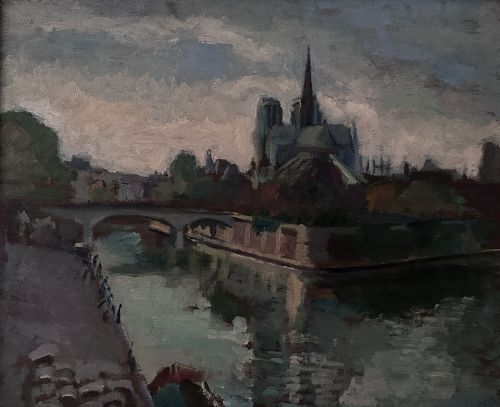
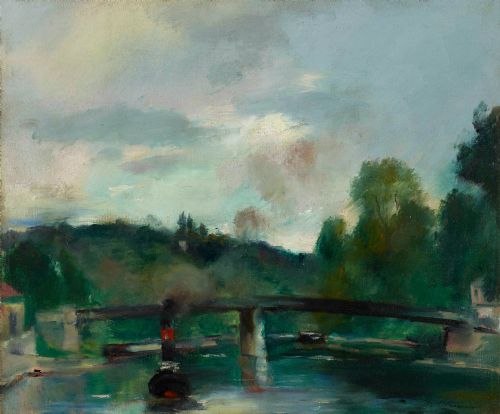
The most common subjects on this page are French and British scenes featuring barges, footbridges, and riverbanks painted in impressionist and modern British styles. Artists record the changing light on the water around Giverny, Paris, and East Anglia.
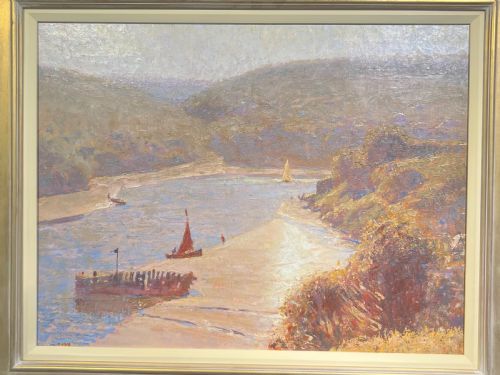
Compositions range in scale from intimate board sketches to large canvases set within gilt wood frames. Each piece reflects the enduring appeal of river life rendered through liberated brushstrokes.
Materials and methods
Artists painted primarily with oil paint on prepared canvas or wood panels, applying pigment with loaded brushes to build visible texture. Some works utilise watercolour and pastel on paper to capture transient effects of light on water.
Frames of gilt wood frequently accompany these canvases, enhancing the luminous quality of the pigments within. The combination of oil paint and supportive board or stretched canvas ensures the durability of these river landscapes.
Several artists clearly enjoyed painting bridges so much they painted them from both sides.
Judging quality in river paintings
Quality rests in the handling of light and the surety of the brushwork rather than the mere scale of the canvas. Superior pieces convey the movement of water and atmosphere through confident, economical marks.
The relationship between the painted surface and its frame matters considerably, as original gilt wood settings complement the palette of the period. Greater depth in composition elevates an ordinary canal scene into a compelling study of tone.
Henri Ottmann·Armand Guillaumin·Edward Seago·Antoine Bouvard·Adolphe Gumery
The Post Impressionist River Art Glossary
- Post-Impressionism
- A French art movement developing roughly from the late nineteenth century that rejected strict naturalism in favour of expressive colour and form. Painters emphasised symbolic content and personal vision over exact optical recording.
- Oil on board
- A painting technique where pigment is applied directly to a rigid wooden panel rather than stretched fabric. This support provides a stable surface often favoured for smaller plein air sketches.
- Gilt wood
- Timber frames treated with a thin layer of gold leaf or metallic gilt finish. These decorative surrounds often date from the period of the artwork.
- Plein air
- The practice of painting outdoors to capture direct observations of natural light and weather. Artists working by rivers relied on this method to record shifting reflections.
Post Impressionist River Art: Frequently Asked Questions
What is post impressionist river art?
These works are oil paintings and watercolours depicting waterways, bridges, and boats created during the nineteenth and twentieth centuries. They focus on light, colour, and brush texture rather than photographic detail.
Subjects typically include French canals, English rivers, and rural marshes rendered by British and European painters working in impressionist styles.
How were these paintings displayed?
Most of these works are housed in traditional gilt wood frames designed to complement the warm tones of the oil paint. These surrounds often reflect the aesthetic of the period in which the canvas was produced.
Collectors usually hang them on neutral walls where adequate lighting can illuminate the textured brushwork of the water surface.
How do I date a river painting?
Dating relies on stylistic clues, framing materials, and recorded signatures or exhibition dates associated with the artist. Canvas stamps and panel types also provide helpful chronological markers.
Many pieces carry specific decade attributions ranging from the early nineteen-hundreds through to the nineteen-sixties.
Where were these scenes painted?
Locations span notable waterways in France and Britain, including the Seine, the Thames, and the Norfolk Broads. Artists frequently travelled to riverbanks and bridges to capture bustling barge traffic and quiet rural reflections.
Named sites like Notre Dame and Giverny appear alongside anonymous canal and lake views.