




Portrait in Armour
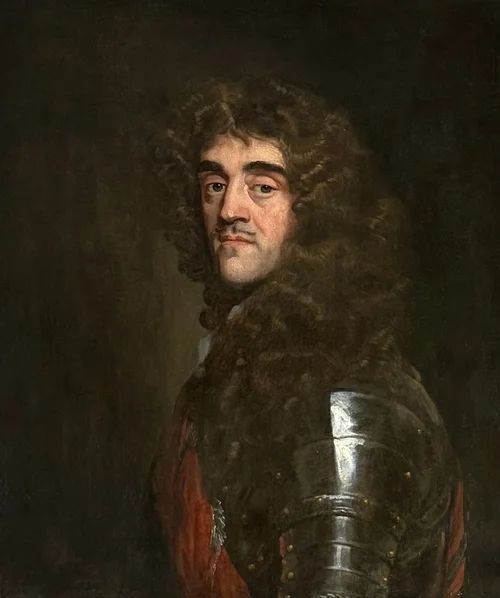
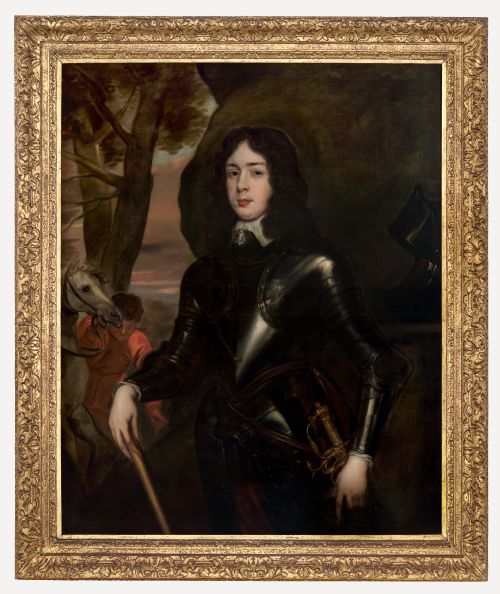
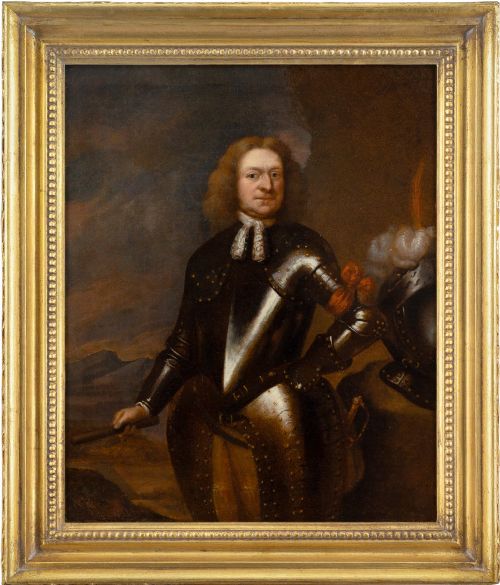
A portrait in armour projects martial authority and noble lineage, bringing stately 17th-century gravity straight to your wall.
Understanding Portrait in Armour
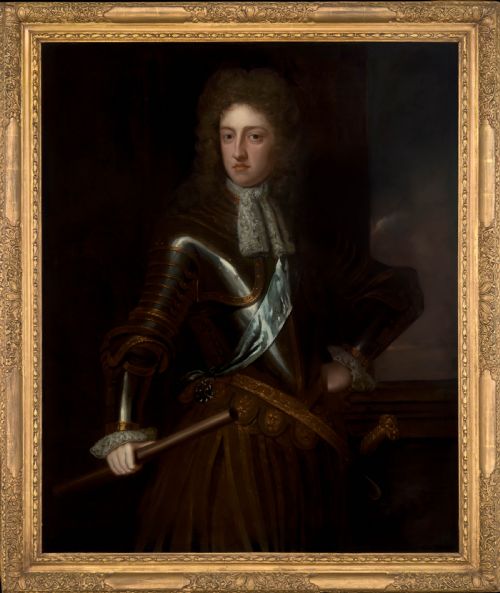
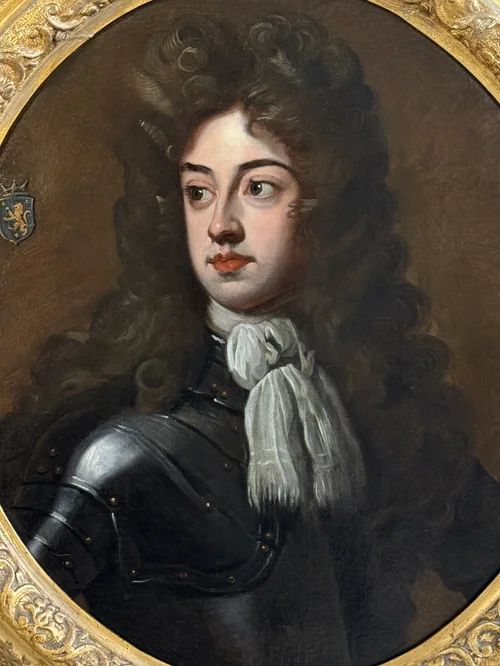
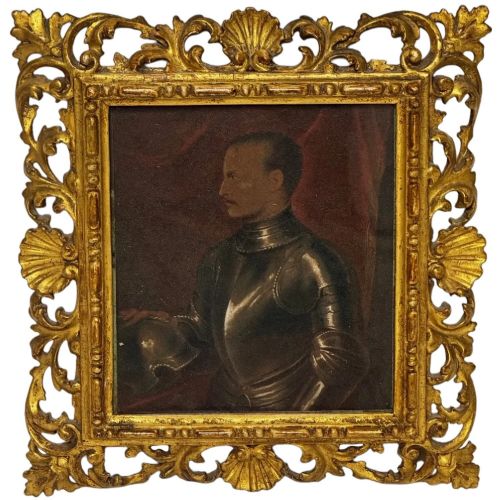
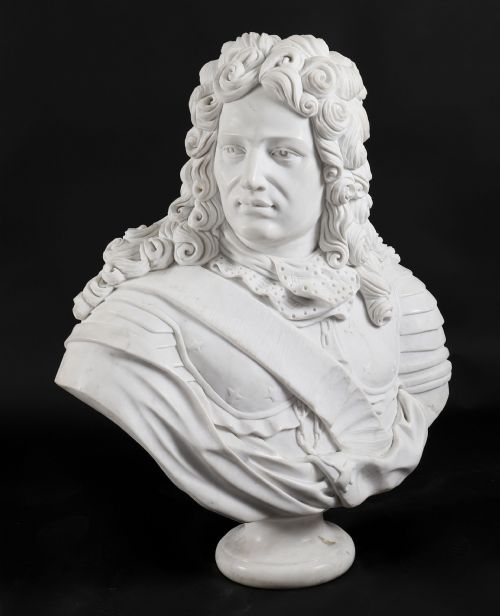
A portrait in armour captures subjects ranging from nobility and military commanders to royalty, dressed in steel plate. These works project political power, lineage, and martial readiness through classical styling.
You will most frequently meet 17th-century and 18th-century oils on canvas depicting British and European figures. Many examples emerge from studio circles or follow master painters like Sir Anthony van Dyck and Sir Godfrey Kneller.
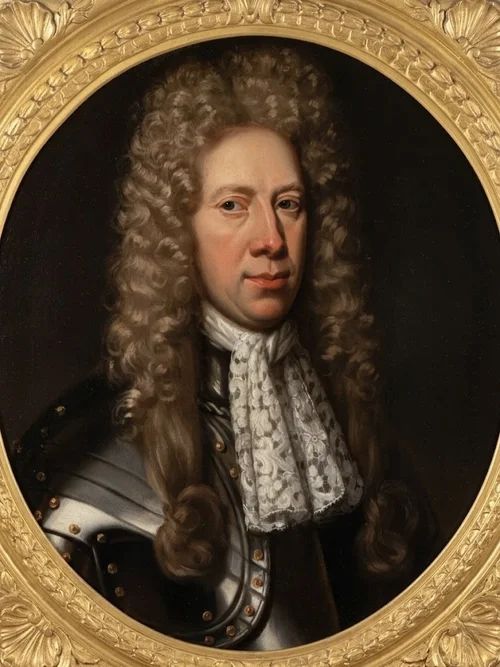
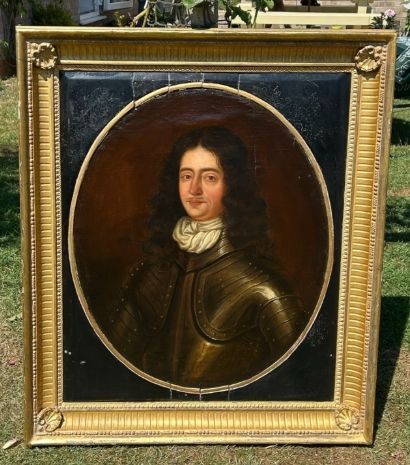
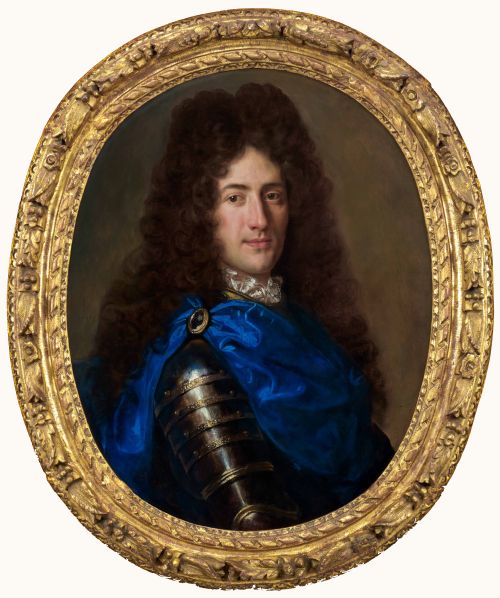
The format spans grand oval canvases to intimate charcoal drawings and pen-and-ink sketches. Subjects often wear lace cravats, mauve cloaks, or hold batons alongside their gleaming breastplates.
Materials and Technique
Artists painted these works using oil paint applied to stretched canvas surfaces. Supporting elements frequently include period giltwood frames that complement the grand scale of the oils.
Draftsmanship appears in alternative works through charcoal pencil and pen-and-ink on paper. Studios employed layered pigments to render the cold sheen of steel armour against dark, dramatic backgrounds.
Retail Price Guide 2026
Typical UK retail prices for portrait in armour, calculated from the Sellingantiques database of over a million retail prices indexed since 2003. This retail price guide relies exclusively on Sellingantiques data; no external sources or auction records are used, so the figures do not describe the wider market.
Several noble sitters opted for soft lace cravats directly over cold steel plate.
The Spectrum of Quality
The hierarchy of these paintings rests upon studio attribution and the dexterity shown in rendering facial likenesses alongside the reflective qualities of steel. Prime works from a master's studio display confident brushwork in the lace and armour plates.
Lesser examples from anonymous followers often show stiff posture and perfunctory handling of the background details. The integration of the sitter with their symbolic elements, such as distant battles or batons, dictates artistic success.
Sir Godfrey Kneller·Sir Anthony van Dyck·David Scougall·John Baptiste de Medina·Johann Kerseboom·Willem Wissing·Pierre Mignard·Louis Tocqué·Anthony van Dyck·Jan de Baen·William Aikman·Francois de Troy·John Frederick Lewis·Adrien De Witte·Remigius van Leemput
The Portrait in Armour Glossary
- Canvas
- A heavy woven fabric stretched across a wooden frame to serve as the foundation for oil paintings. It provides a durable and textured surface for layered pigments.
- Giltwood
- Wood carved and coated with a thin layer of gold leaf or gold paint. This finish creates the ornate, reflective frames typical of Baroque portraiture.
- Baroque
- An artistic style spanning the 17th and 18th centuries characterised by drama, deep shadow, and grand movement. Portraits from this period emphasise rich textures and authoritative poses.
- Studio
- An artist's workspace where assistants and pupils helped produce works under the master's supervision. Studio pieces often replicate successful compositions of important sitters.
Frequently Asked Questions
What periods do these paintings date from?
The available selection primarily spans the 17th and 18th centuries, with occasional Victorian examples. Earlier pieces capture Baroque aesthetics directly.
Later works often pay homage to these earlier eras by copying canonical compositions.
Who are the typical subjects depicted?
Subjects include monarchs, noblemen, military commanders, and historical conspirators. Names such as King Charles I and various earls frequently appear.
These individuals chose armour to signify military prowess and high social standing.
How should I display a giltwood frame?
Giltwood frames require stable indoor humidity away from direct sunlight to preserve the delicate gold leaf. Hang them securely using appropriate wall fixings suited to heavy canvas weights.
Dust the carved details gently with a soft, dry brush.
What is the difference between studio work and an original?
Master painters often oversaw workshops that replicated popular portraits for various patrons. Studio pieces were produced with direct participation or oversight from the named artist.
Follower pieces were painted later by artists working in the distinct style of the master.